
Japandi design represents a harmonious marriage between Japanese minimalism and Scandinavian functionality. When applying this hybrid aesthetic to a compact living room, selecting a single-size sofa bed requires a careful balance of form, utility, and restraint. The goal is to find a piece of furniture that serves as a comfortable seat by day and a supportive sleeping surface by night, all while maintaining an airy, uncluttered atmosphere.
To achieve this look, you must prioritize minimalist silhouettes characterized by clean, straight lines and organic curves. Traditional sofa beds often feature bulky, heavily padded armrests and ornate details that disrupt the visual flow of a room. In contrast, a Japandi-aligned single sofa bed embraces simplicity, often eliminating armrests entirely or utilizing ultra-slim wooden profiles. This reduction in visual weight is essential for smaller living spaces, where every square inch of floor and wall space impacts the overall perception of openness.
Low-profile designs are another cornerstone of the Japandi aesthetic. Furniture that sits closer to the floor naturally draws the eye downward, creating the illusion of higher ceilings and a more spacious environment. This design choice also reflects the traditional Japanese custom of floor-level living, which fosters a grounded, tranquil atmosphere. By choosing a low-profile single sofa bed, you allow natural light to circulate more freely across the room, enhancing the bright, breezy feel that is highly valued in both Scandinavian and tropical homes.
Products mentioned in this guide
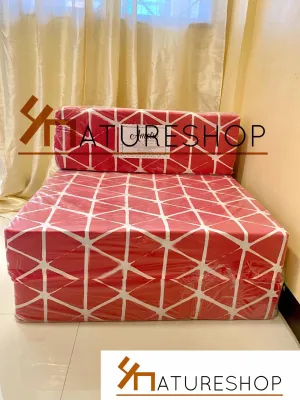



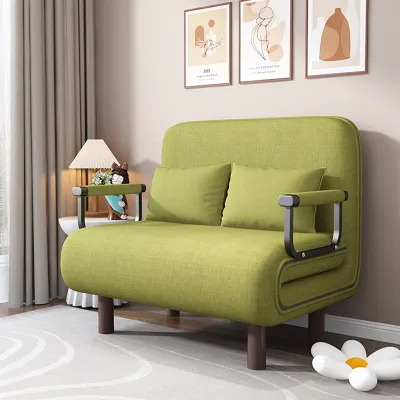
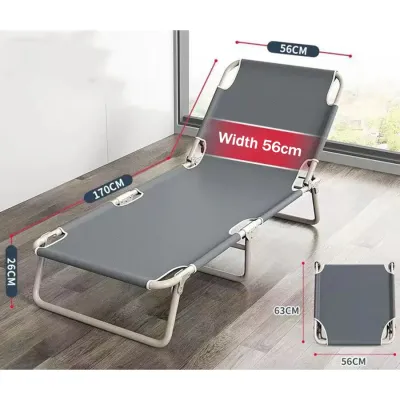
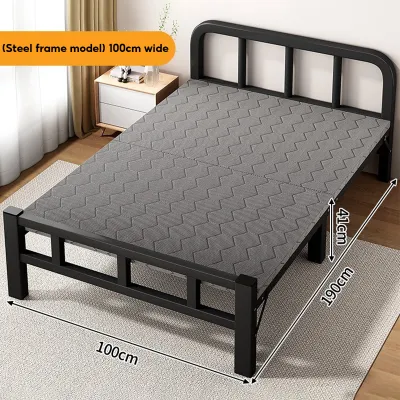

Prices are valid at publication and may change. Please refer to the product page for the latest price.
Single-Size Sofa Beds That Match the Japandi Look
Finding the right structural design is key to ensuring your single-size sofa bed functions seamlessly without compromising your design theme. Several distinct styles align beautifully with Japandi principles, each offering a unique approach to space-saving utility.
Wooden Frame Futons with Visible Joinery
A wooden frame futon is perhaps the most direct representation of Japanese influence within the Japandi spectrum. These frames showcase the natural beauty of timber, often highlighting traditional woodworking techniques such as visible mortise-and-tenon joinery. The mechanism is typically straightforward, allowing the wooden slats to slide or fold flat to support a flexible futon mattress. This style brings an organic, rustic texture into the living room, making it an excellent focal piece. When selecting a futon, look for frames made from sustainably sourced hardwoods that feature a smooth, matte finish to keep the look refined rather than overly rustic.
Low-Profile Daybeds with Pull-Out Mattresses
Daybeds offer an elegant, dual-purpose solution that functions as a deep, comfortable bench during the day and a standard single bed at night. A low-profile daybed with a clean wooden frame fits effortlessly against a living room wall. Some designs incorporate a pull-out trundle mechanism underneath, allowing you to slide out an additional sleeping surface or extend the main platform. This style is particularly useful for maintaining a tidy appearance, as the bedding can be neatly tucked away when not in use. The seamless integration of the mattress into the frame ensures that the piece looks like a deliberate design choice rather than a temporary sleeping arrangement.
Minimalist Click-Clack and Fold-Down Designs
For a more contemporary Scandinavian feel, click-clack or fold-down sofa beds offer exceptional convenience and streamlined aesthetics. These models feature internal mechanisms that allow the backrest to fold down flat in a few simple movements. To fit the Japandi aesthetic, search for designs with concealed hardware and slim, tapered wooden legs. The upholstery should be tightly tailored with minimal tufting or stitching, preserving the clean, uninterrupted planes of the cushions. This style is highly efficient for quick transitions, making it ideal for living rooms that frequently double as guest spaces.
Armless and Slim-Arm Bench-Style Sofa Beds
If you want to maximize the seating area without adding physical or visual bulk, an armless or slim-arm bench-style sofa bed is an outstanding choice. Removing the armrests entirely creates an open, bench-like feel that allows the sofa to blend into the background of the room. If armrests are necessary for comfort, opt for ultra-thin, upholstered panels or slender wooden rails. This design choice maintains a continuous visual flow across the room, preventing the sofa bed from looking like a heavy, blocky obstacle in your living space.
Selecting Natural Materials and Neutral Upholstery
The materials you choose will ultimately define the authenticity of your Japandi living room. This aesthetic relies heavily on tactile, natural textures that evoke a sense of calm and connection to the outdoors.

When evaluating frame materials, prioritize solid hardwoods such as oak, ash, or walnut. These woods offer beautiful, subtle grain patterns that add warmth to a minimalist space. It is crucial to choose finishes that protect the wood while preserving its natural appearance. Matte, oiled, or lightly stained finishes are preferred over high-gloss varnishes, which can look artificial and reflect light too harshly. In tropical climates like the Philippines, where humidity levels fluctuate, it is wise to verify that the wood has been properly kiln-dried to prevent warping, cracking, or joint separation over time.
For the upholstery, look for breathable, highly textured fabrics that invite touch. Linen and cotton blends are excellent choices, offering a relaxed, organic drape and reliable comfort in warm weather. Subtle bouclé or low-pile chenille can also work well, adding a layer of cozy Scandinavian warmth without looking overly plush. Stick to a neutral, earthy color palette that reflects the natural world. Shades of warm beige, soft cream, sand, muted terracotta, and pale olive green work beautifully to create a serene backdrop.
Conversely, there are several materials and finishes you should actively avoid to keep the Japandi look cohesive. Synthetic leathers, high-shine polyesters, and glossy vinyls tend to look cold and commercial, and they can become uncomfortably warm and sticky in humid environments. Avoid busy, bright patterns, geometric prints, and heavy, traditional tufting with deep buttons. These elements introduce unnecessary visual noise and clash with the clean, understated elegance that defines the core of Japandi design.
Space Planning and Mechanism Checks for Single Sizes
A beautiful sofa bed is only successful if it functions practically within your daily life. Before making a purchase, you must conduct thorough space planning and verify the mechanical specifications of the piece to ensure a seamless fit.
Start by measuring your living room with extreme precision. Do not rely solely on visual estimates; instead, use a tape measure to map out the exact footprint of the sofa bed in both its seated and fully extended configurations. You must ensure there is adequate floor clearance for walkways and surrounding furniture when the bed is open. A good rule of thumb is to maintain at least 60 centimeters of clear space around the perimeter of the extended bed to allow for comfortable movement. Additionally, measure your doorways, hallways, and elevator cabins to guarantee the delivery team can safely transport the furniture into your home.
Next, evaluate the mattress and support system, as these directly impact the comfort of your guests or yourself. Look for high-density foam or pocket-spring mattresses that offer firm, even support for a single sleeper. The underlying support system is equally important; a slatted wooden base is generally preferred over a solid platform because it allows air to circulate through the mattress. This ventilation is particularly important in humid climates, as it helps prevent the buildup of moisture, mold, and allergens within the bedding.
Finally, test or research the ease of conversion and the overall weight of the sofa bed. If you plan to convert the sofa into a bed frequently, the mechanism should be smooth, quiet, and manageable for a single person to operate without straining. Check the manufacturer’s specified load capacity to ensure the frame and mechanism are engineered to support daily use safely. Sturdy, well-aligned joints and high-quality metal or wooden hinges are essential indicators of a durable piece that will perform reliably for years to come.
Styling and Accessorizing for a Cohesive Living Room
Once your single-size sofa bed is in place, the final step is to style it with accessories that enhance its comfort without cluttering your living room. The Japandi approach to styling is highly curated, focusing on quality over quantity.
Begin by selecting a small, deliberate number of throw pillows. Instead of piling on numerous cushions, choose two or three high-quality pillows in varying sizes and textures. Look for covers made from natural linen, coarse cotton, or woven wool in muted, complementary tones. For instance, if your sofa bed is a soft sand color, you might pair it with one charcoal grey pillow and one muted olive pillow to create gentle contrast. This approach adds depth and visual interest while keeping the seating area tidy and functional.
Introduce tactile warmth with a simple, natural-fiber throw blanket. A lightweight cotton weave, a linen throw, or a soft wool blanket can be casually draped over one corner of the sofa bed. This adds an inviting, lived-in feel that embodies the Scandinavian concept of hygge. Choose solid colors or very subtle, organic textures rather than bold patterns, ensuring the blanket complements the overall color scheme of the room.
Complete the layout by pairing the sofa bed with carefully selected surrounding furniture. A low-profile wooden side table made from a matching timber species provides a convenient spot for a cup of tea or a book. Underfoot, a woven rug made from natural fibers like jute, sisal, or flat-weave wool helps define the seating area and adds another layer of organic texture. Finish the space with a minimalist floor lamp featuring a matte metal or paper shade, casting a warm, diffused glow that enhances the peaceful, welcoming ambiance of your Japandi home.
Frequently Asked Questions (FAQ)
Are metal frames suitable for Japandi sofa beds?
Yes, metal frames can work beautifully within a Japandi aesthetic, provided they feature a highly minimalist, low-profile design. To maintain the clean lines of the style, look for frames with slim, matte black or brushed metal finishes rather than shiny chrome or ornate brass. The key is to ensure the metal elements do not dominate the piece; instead, they should serve as a subtle, structural support. To soften the industrial feel of the metal, pair the frame with thick, high-quality cushions upholstered in warm, natural textiles like linen or cotton. This contrast between the cool, precise metal and the warm, organic fabric creates a balanced look that aligns beautifully with the hybrid nature of Japandi design.
How should I care for natural wood and linen upholstery?
Caring for natural materials requires a gentle, consistent routine to preserve their beauty and longevity. For the wooden frame, perform regular dusting with a soft, dry microfiber cloth to prevent dirt buildup. Avoid placing the sofa bed in direct sunlight, as prolonged exposure to UV rays can dry out the wood and cause the finish to fade or crack. For linen or cotton upholstery, vacuum the cushions weekly using a soft brush attachment to remove dust and loose fibers. In the event of a spill, spot-clean the fabric immediately by blotting—never rubbing—with a clean, damp cloth and a mild, manufacturer-approved fabric cleaner. To manage humidity in tropical environments, ensure your living room is well-ventilated, and consider using a dehumidifier to protect both the timber and the textile fibers from moisture retention.
Community discussion
Share your experience or ask a question. Comments are reviewed before publication.