
A Japandi single sofa chair is defined by its seamless fusion of Japanese minimalism and Scandinavian warmth. It acts as a functional, low-profile accent piece that prioritizes organic materials, clean geometric silhouettes, and a neutral, calming color palette. By stripping away unnecessary ornamentation while retaining physical comfort, this furniture style creates a serene focal point in any living room.
What Defines a Japandi Single Sofa Chair?
To understand the appeal of a Japandi single sofa chair, one must look at the cultural intersection of two distinct design philosophies: Japanese wabi-sabi and Scandinavian hygge. Wabi-sabi champions the beauty of natural imperfection, simplicity, and the passage of time. Hygge, on the other hand, focuses on cozy, functional warmth, comfort, and creating a sense of sanctuary. When these two concepts merge in furniture design, the result is a piece that is highly structured yet deeply inviting.
A true Japandi single sofa chair embodies this hybrid philosophy by offering a balanced, comfortable seat that avoids the stark, cold feeling of ultra-modern minimalism. At the same time, it rejects the heavy, intricate carvings and bulky upholstery associated with traditional classic designs. This careful balance makes it highly adaptable, especially in modern homes where creating a breezy, clutter-free environment is essential for daily comfort.
Products mentioned in this guide


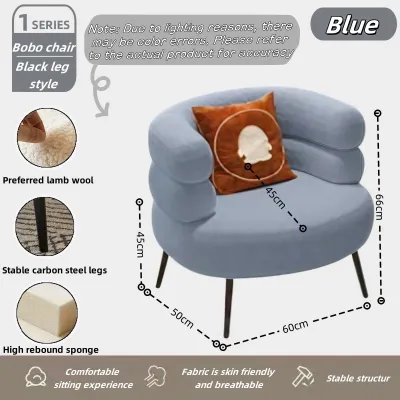

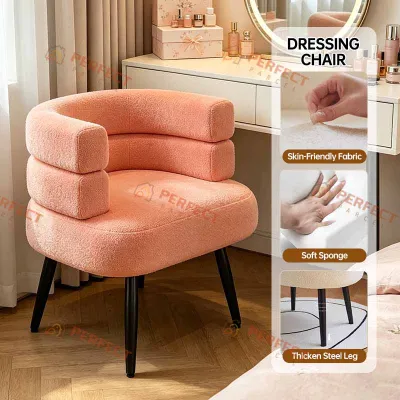



Prices are valid at publication and may change. Please refer to the product page for the latest price.
When shopping for this style, you are looking for a piece that looks lightweight but feels incredibly grounded. It should serve as a quiet retreat within your living room, inviting you to sit and unwind without dominating the visual landscape of the space. Understanding the specific design markers of this style will help you identify high-quality, authentic pieces that will stand the test of time.
Core Design Features: Silhouette, Materials, and Colors
Identifying an authentic Japandi piece requires looking beyond the primary product image. The true character of a single sofa chair lies in its technical specifications, construction details, and tactile qualities. Evaluating a potential purchase requires breaking down the design into three fundamental pillars: form, texture, and tone. By analyzing how a chair balances these elements, you can avoid pieces that merely mimic the style using cheap, non-breathable synthetics or overly complex frames.

Silhouette and Form
The silhouette of a Japandi single sofa chair is characterized by a low-profile stance and clean, deliberate lines. These chairs sit lower to the ground than traditional Western armchairs, drawing inspiration from Japanese floor-level living. This low center of gravity helps open up the vertical space in a room, making ceilings feel higher and spaces more expansive.
Every line of the frame serves a structural or ergonomic purpose, leaving no room for purely decorative carvings, tufted button backs, or elaborate curves. The frame often features exposed wooden elements, showcasing the joinery and the natural flow of the wood grain. This transparency of construction is a key marker of quality craftsmanship.
Look for legs that are slender, tapered, or straightforward geometric cylinders. These minimalist leg designs allow light to pass underneath the chair, reducing its visual weight and preventing the living room from feeling crowded. The overall profile should strike a balance between straight, architectural lines and gentle, organic curves that contour comfortably to the human body.
Material Choices
Natural materials form the bedrock of the Japandi aesthetic, grounding the furniture in the physical world. For the frame, prioritize high-quality solid hardwoods such as light oak, ash, or walnut. It is vital to check the product specifications for the finish type: look for matte, natural, or lightly oiled finishes. These treatments protect the wood while allowing the tactile texture of the grain to remain palpable, unlike thick, high-gloss polyurethane lacquers that seal the wood under a plastic-like sheen.
When evaluating upholstery, select breathable, natural fibers that offer rich tactile feedback without relying on bold patterns. Linen, cotton, bouclé, and flat-woven wool blends are excellent choices. In humid tropical climates, fabric breathability is crucial for comfort. Synthetic, non-breathable fabrics like polyester velvet or heavy faux leather can trap heat and moisture, making the chair uncomfortable during warm afternoons.
Avoid frames that rely heavily on shiny metals, acrylics, or plastics, as these materials disrupt the organic warmth of the style. Similarly, steer clear of heavily distressed, rough-sawn rustic woods. While rustic wood is natural, its rugged texture leans too far into Western farmhouse aesthetics, lacking the refined, polished simplicity required for a true Japandi interior.
Color Palette
The color palette of a Japandi single sofa chair is designed to foster a sense of calm, tranquility, and visual continuity. The primary tones are neutral, earthy, and highly muted, drawing direct inspiration from the natural landscape. Think of warm whites, soft stone greys, oatmeal, cream, and sandy beige. These shades reflect natural light beautifully, enhancing the airy feel of your living space.
If you prefer to introduce color, stick to subtle, nature-inspired accent tones rather than highly saturated hues. Muted sage green, warm clay, soft terracotta, and deep forest green can integrate seamlessly into a Japandi scheme. These accents should feel like natural extensions of the earth rather than sharp, contrasting interruptions.
Be sure to avoid stark, clinical whites that feel cold and hospital-like, as well as solid jet blacks that create harsh, aggressive shadows. Overly bright, saturated primary colors—such as vibrant reds, electric blues, or sunny yellows—should also be avoided, as they disrupt the serene, meditative atmosphere that defines this design philosophy.
How to Evaluate Comfort and Build Quality
Because Japandi design places equal emphasis on form and function, a single sofa chair must never sacrifice physical comfort for visual minimalism. A beautiful chair that is too stiff to sit in or too fragile to last fails the core principles of the style. When shopping online or in showrooms, you must carefully evaluate the internal construction, cushion density, and ergonomic dimensions.
Start by assessing the cushion filling, which dictates both the chair’s comfort level and how well it maintains its shape over time. High-density polyurethane foam offers a structured, clean look with firm support, ensuring the chair maintains its crisp silhouette even after years of daily use. If you prefer a softer, more relaxed feel that encourages lounging, look for down-blend or fiber-wrapped foam cushions. These options provide a plush, sink-in comfort that aligns with the cozy, hygge aspect of Japandi design, though they may require occasional fluffing to keep their shape.
Next, inspect the frame construction and joinery methods. Authentic, durable furniture relies on traditional woodworking joints such as mortise-and-tenon, dowels, or corner blocks. Avoid chairs held together primarily by staples, glue, or thin metal brackets, as these methods are highly prone to loosening, squeaking, or failing under regular load. Since wood naturally expands and contracts with changes in atmospheric humidity, well-crafted joinery allows the frame to adapt to these shifts without cracking or warping.
Ergonomics must also guide your decision-making process. Low-profile chairs look sleek, but they can be difficult to exit for older adults or individuals with joint sensitivity. Check the seat height (the distance from the floor to the top of the seat cushion) and ensure it aligns with your physical needs; a standard comfortable range is typically between 40 and 48 centimeters. Furthermore, verify the seat depth and the angle of the backrest to ensure your lower back receives adequate lumbar support without requiring you to slouch excessively.
Finally, consider the weight capacity and overall stability of the chair. A well-designed single sofa chair should feel completely stable when you sit, lean, or shift your weight. Look for wide, balanced leg placement and a robust base frame. If you are purchasing a chair with a swivel or rocking mechanism, verify that the moving components are made of heavy-duty, powder-coated steel and operate silently, without any wobbling or resistance.
Space Planning and Styling Your Japandi Chair
Integrating a single sofa chair into your home requires careful spatial planning to preserve the Japanese concept of ma, which translates to negative space or the “gap” between things. In Japandi design, empty space is not wasted space; rather, it is a deliberate design element that allows the mind and eye to rest. Overcrowding a room with too many furniture pieces ruins the calm, minimalist atmosphere, regardless of how beautiful each individual item is.
Before making a purchase, measure your available floor space precisely. Mark the proposed footprint of the single sofa chair on your floor using painter’s tape to visualize how much physical space it will occupy. Ensure there is at least 60 to 90 centimeters of clear walking space around the chair so that traffic flow through the room remains unobstructed. This spatial buffer allows the chair’s elegant silhouette to stand out as a distinct design statement.
When styling your chair, choose complementary pieces that enhance its functional comfort without creating visual clutter. Pair the chair with a low-profile solid wood side table to hold a cup of tea or a book. Introduce a single, textured throw blanket made of organic cotton or chunky knit wool, draping it casually over one armrest to add a layer of cozy warmth. A minimalist floor lamp with a matte black or brushed brass finish and a warm LED bulb can create a dedicated, inviting reading nook.
For those living in high-rise apartments or condominiums, logistical planning is just as important as aesthetic styling. Before ordering, measure the height, width, and diagonal clearance of all doorways, stairwells, hallways, and elevator cabins. Many modern condominiums have tight corners and restrictive elevator dimensions that can prevent fully assembled furniture from reaching your unit. If access is tight, search for high-quality flat-pack options or chairs with removable legs and cushions to ensure a smooth, stress-free delivery process.
Buyer’s Checklist: What to Look For and Avoid
To streamline your shopping experience, use this practical checklist to separate authentic, high-quality Japandi single sofa chairs from low-quality imitations. Whether you are browsing local showrooms or comparing options on online marketplaces, keeping these criteria in mind will protect your investment. In the local market, prices for these chairs generally range from budget-friendly options under ₱15,000 to premium heirloom pieces exceeding ₱60,000, making it essential to verify the construction details before purchasing.
Must-Haves to Look For:
- Solid Wood Frame: Look for sustainably sourced hardwoods like oak, ash, beech, or walnut. Verify that the frame is solid wood rather than medium-density fibreboard (MDF) with a printed paper veneer.
- Matte or Oiled Finishes: Ensure the wood grain is visible and tactile, treated with natural oils, waxes, or low-sheen matte sealants.
- Natural, Breathable Upholstery: Prioritize high-quality linen, cotton, linen-cotton blends, or tightly woven bouclé that feels comfortable against the skin in warm weather.
- Clean, Low-Profile Silhouette: Choose designs with straight lines, gentle organic curves, and tapered or geometric legs that elevate the chair off the ground.
- Traditional Joinery: Confirm the use of dowels, mortise-and-tenon joints, or reinforced corner blocks in the product specifications.
Red Flags to Avoid:
- Glossy or Lacquered Finishes: Avoid high-shine polyurethane coatings that obscure the natural texture of the wood and look cheap under bright light.
- Excessive Ornamentation: Steer clear of tufted button backs, deep diamond tufting, decorative brass nailhead trims, or ornate, hand-carved classical details.
- Synthetic, Heat-Trapping Fabrics: Avoid cheap polyester velvets, thick faux leathers, or highly shiny synthetic weaves that lack breathability and cling to skin in humid conditions.
- Industrial Metallic or Acrylic Frames: Avoid chairs dominated by chrome, polished steel, or clear acrylic plastics, as these materials lean too far into cold, industrial minimalism.
- Printed Wood Veneers: Be cautious of product descriptions that use terms like "wood finish" or "oak-look" without explicitly stating "solid wood." These are often printed paper veneers over compressed particleboard, which can swell and peel in high humidity.
Always read product descriptions critically and do not hesitate to ask the retailer for fabric swatches before committing to a purchase. Checking the retailer’s return policy and warranty terms is also essential, especially when buying online where you cannot test the chair’s comfort firsthand.
Frequently Asked Questions (FAQ)
Can a Japandi single sofa chair work in a small apartment?
Yes, Japandi single sofa chairs are exceptionally well-suited for small apartments and compact living spaces. Their low-profile design and exposed, tapered legs create a strong sense of visual openness. Because the chair is elevated off the floor, light can pass underneath and around it, which tricks the eye into perceiving more floor area than there actually is. To maximize this effect in a small room, choose a chair with a relatively narrow footprint and a light-colored upholstery fabric, such as oatmeal or light grey, which will reflect light and keep the room feeling bright and airy.
How do I clean and maintain natural linen upholstery?
Before attempting any cleaning method, always check the applied product’s label and the treated item’s manufacturer instructions. If instructions conflict or the fabric type is unidentified, consult a qualified upholstery cleaning professional. For regular maintenance, vacuum the fabric weekly using a soft brush attachment to remove dust and loose dirt before they settle into the fibers. If a spill occurs, immediately blot the area with a clean, dry white cloth; never rub, as rubbing can push the liquid deeper and damage the fibers. For light spot cleaning, use a mild, pH-neutral detergent diluted in lukewarm water, gently dabbing the stain with a damp cloth, and allow the linen to air dry completely away from direct sunlight.
Community discussion
Share your experience or ask a question. Comments are reviewed before publication.