
Finding the right sofa for a Japandi-style living room requires a careful balance of Japanese minimalism and Scandinavian functionality. This hybrid aesthetic prioritizes simplicity, natural materials, and a deep connection to comfort. An authentic Japandi sofa serves as the anchor of the living space, offering a serene visual presence while standing up to the demands of daily life.
To identify a true Japandi sofa, you must look beyond surface-level styling and evaluate its core structural elements, material composition, and tactile qualities. In tropical climates like the Philippines, where high humidity and warm temperatures are constant factors, these material choices become even more critical. Selecting the right combination of breathable fabrics and properly treated wood frames ensures your investment remains both beautiful and durable over time.
Identifying Japandi Silhouettes and Structural Design
The silhouette of a Japandi sofa is instantly recognizable by its low-slung profile. Drawing inspiration from traditional Japanese floor-level seating, these sofas sit much closer to the ground than standard Western designs. This low elevation creates an immediate sense of openness and height in a room, making ceilings feel loftier and spaces feel more expansive.
Products mentioned in this guide

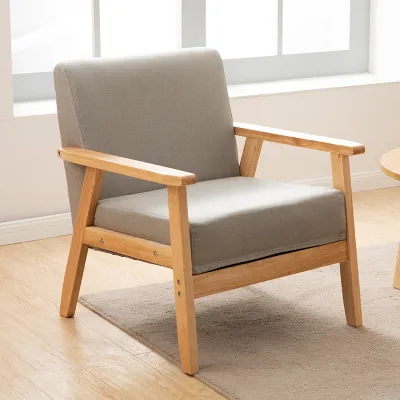
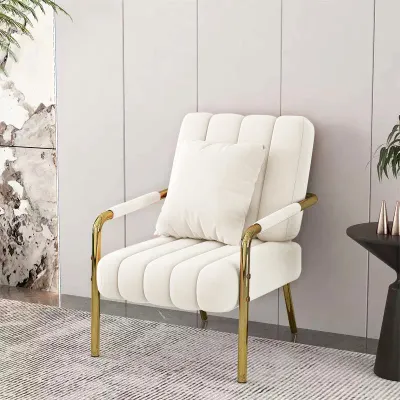
Prices are valid at publication and may change. Please refer to the product page for the latest price.
Clean, uncluttered lines define the overall shape of the piece. You will not find ornate carvings, deep button tufting, heavy rolled arms, or shiny metallic hardware on an authentic Japandi sofa. Instead, the design relies on geometric simplicity, soft organic curves, and a highly restrained visual weight. Every line serves a purpose, contributing to a sense of calm and order.
Despite this minimalism, functional ergonomics are never sacrificed. Scandinavian design principles ensure that the sofa remains comfortable and supportive. The visual weight is often balanced by exposing the structural frame or using short, tapered wooden legs that lift the base slightly off the floor. This subtle gap allows light and air to flow underneath, enhancing the feeling of spaciousness.
Evaluating Wood Finishes and Frame Materials
The exposed wooden elements of a Japandi sofa—whether they are the legs, armrests, or an entire outer cradle frame—are central to its organic appeal. Light to medium-toned hardwoods are common choices for this style. Woods such as oak, ash, and walnut are highly valued because they showcase beautiful, visible grain patterns that celebrate the natural variations of the material.

The treatment of these wood surfaces is just as important as the species itself. Authentic Japandi furniture avoids high-gloss lacquers, thick varnishes, or heavy polyurethane coatings that create a plastic-like barrier. Instead, look for matte, oiled, or soap-treated finishes. These treatments protect the wood while preserving its natural, tactile texture, allowing you to feel the organic grain under your fingertips.
When shopping, always check the manufacturer’s specifications to understand exactly what you are buying. High-quality solid wood construction offers excellent longevity and can be sanded down and refinished if damaged. However, engineered wood with high-quality natural wood veneers can also be a practical option, as it resists warping and cracking caused by the fluctuating humidity levels common in tropical environments. Pay close attention to the joinery; sturdy mortise-and-tenon joints are far more durable than frames held together solely by staples and glue.
Selecting Natural Upholstery Fabrics and Textures
Tactile comfort is a cornerstone of the Japandi philosophy, making the choice of upholstery fabric incredibly important. Natural, breathable fibers are highly suitable for achieving this look and feel. Fabrics such as linen, cotton, wool, and textured bouclé offer matte surfaces that age gracefully and feel inviting to the touch.
In warm, humid climates, the breathability of these natural fibers is a major practical advantage. Linen and cotton blends allow air to circulate freely, preventing the sofa from trapping body heat and feeling sticky during hot afternoons. Avoid highly synthetic, reflective, or heavily patterned fabrics like shiny polyester, velvet, or faux leather, as they disrupt the quiet, organic aesthetic and can feel uncomfortable in tropical weather.
Before making a decision, evaluate the fabric’s durability by checking its Martindale or Wyzenbeek rub count on the product specification sheet. A higher rub count indicates greater resistance to wear and tear. Additionally, review the care labels carefully; removable and washable cushion covers are highly practical for managing dust, sweat, and humidity-induced mustiness, ensuring your sofa remains fresh and hygienic.
Navigating Japandi Color Palettes and Visual Balance
The color palette of a Japandi sofa should evoke a sense of serenity and connection to the natural world. The foundation of this palette consists of warm, muted neutrals. Warm whites, soft creams, oatmeal, sand, and gentle greys are excellent choices for the main upholstery, as they reflect natural light beautifully and keep the living room feeling bright and airy.
To prevent the space from feeling sterile, you can introduce subtle, earthy accent tones. Muted shades of terracotta, olive green, soft ochre, charcoal, or deep indigo can be incorporated through accent cushions, throws, or the wood frame itself. These colors should feel grounded and organic, mimicking the tones found in clay, stone, and forest foliage.
Achieving visual balance also requires a thoughtful use of negative space. The sofa should not overwhelm the room or block natural pathways. When positioning the piece, ensure there is ample breathing room around it to maintain an uncluttered, peaceful atmosphere. Consider how the sofa’s color and texture will coordinate with your existing flooring, wall finishes, and the quality of natural light that enters your home throughout the day.
Practical Evaluation Checklist Before Purchasing
Before finalizing your purchase, it is essential to run through a practical checklist to ensure the sofa fits both your physical space and your lifestyle. Begin by taking precise measurements of your living room, keeping in mind the clearance needed for walkways. Crucially, measure your doorways, hallways, stairwells, and elevator doors; a low-profile sofa can still have a long, rigid frame that is difficult to maneuver through tight entry points during delivery.
Next, verify all material claims and structural specifications provided by the retailer. Look for details regarding the frame construction, cushion filling (such as high-density foam wrapped in down or fiber for a balance of support and softness), and weight capacities. Check the terms of the structural warranty to ensure your investment is protected against manufacturing defects.
Finally, assess the assembly requirements and long-term maintenance needs of the sofa. Determine if the piece arrives fully assembled or if you will need to attach the legs and frame yourself. Look for practical features like reversible cushions, which allow you to flip and rotate them regularly to ensure even wear and prolong the life of the upholstery. Understanding these details beforehand will help you choose a sofa that brings lasting comfort and style to your home.
Frequently Asked Questions (FAQ)
Can I mix a Japandi sofa with other living room styles?
Absolutely. The minimalist and organic nature of a Japandi sofa makes it incredibly versatile and easy to integrate into various design schemes. It pairs beautifully with organic modern, mid-century modern, or even light industrial interiors. To bridge different styles smoothly, use cohesive textiles, natural fiber rugs (such as jute or sisal), and warm wooden accent pieces that echo the tones of the sofa’s frame.
How do I maintain natural wood and linen elements on a Japandi sofa?
Maintaining these natural materials requires gentle, consistent care. For the wooden elements, dust regularly with a dry, soft microfiber cloth and avoid using harsh chemical cleaners or excessive water, which can damage matte or oiled finishes. In humid environments, ensure your living room is well-ventilated to prevent moisture buildup on the wood. For linen or cotton upholstery, vacuum the cushions weekly using a soft brush attachment to remove dust and debris. Address spills immediately by blotting with a clean, dry cloth—never rub, as this can push the liquid deeper into the fibers. Always follow the manufacturer’s specific care instructions, and consult a professional upholstery cleaning service for deep stains or annual maintenance.
Community discussion
Share your experience or ask a question. Comments are reviewed before publication.