
An open kitchen in a modern condominium demands furniture that works twice as hard. When square footage is limited, a single piece of furniture must seamlessly transition from a morning breakfast counter to a food preparation station, a remote work desk, and a social hub for evening drinks. An adjustable table offers the versatility needed for these shifting roles, but finding the right model requires looking beyond aesthetics. To make a practical investment, you must evaluate how the table’s height range, physical footprint, material durability, and structural stability align with your daily habits and the specific layout of your home.
Defining the Height Range for Multi-Function Use
To achieve true multi-functional utility, the height range of an adjustable table must accommodate several distinct ergonomic postures. Standard dining tables typically sit around 75 centimeters high, while kitchen counters generally measure between 85 and 90 centimeters, and bar-height surfaces reach up to 105 centimeters. When shopping, verify the manufacturer’s specified minimum and maximum heights to ensure the table can transition smoothly across these levels. A table that fails to reach standard bar height will feel awkward during social gatherings, while one that cannot lower to counter height may prove uncomfortable for extended typing or dining.
The mechanism that facilitates these height changes plays a critical role in daily usability. Gas lift mechanisms, operated by a simple lever, offer rapid, near-effortless adjustments that are ideal if you plan to change the table’s height multiple times a day. However, it is essential to check the manufacturer’s instructions regarding weight limits, as heavy items on the tabletop can make gas lifts harder to raise. Manual crank systems, while slower, rely on mechanical gears that often support heavier loads without drifting over time, making them a reliable choice for setups that double as heavy-duty work surfaces.
Products mentioned in this guide

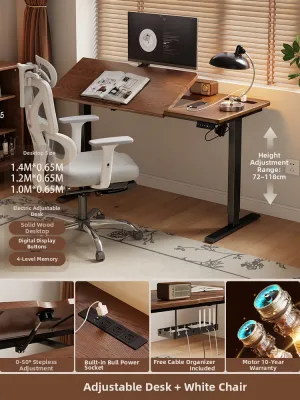
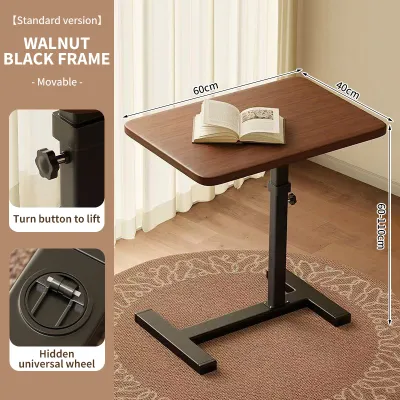
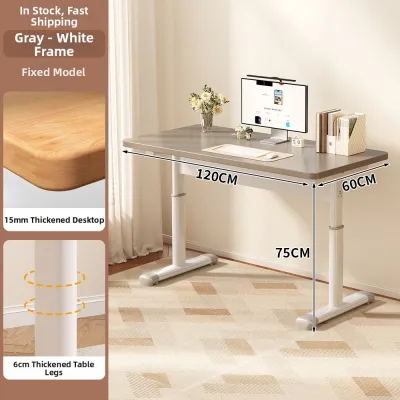
Prices are valid at publication and may change. Please refer to the product page for the latest price.
Stool compatibility is another vital factor that is easily overlooked during the selection process. For comfortable seating, you generally need a clearance of 25 to 30 centimeters between the underside of the tabletop and the seat of your stool. If you plan to use fixed-height stools, measure them carefully against both the highest and lowest settings of your adjustable table to ensure your legs will not be cramped. Alternatively, pairing the table with adjustable-height bar stools provides greater flexibility, allowing you to fine-tune the seating position regardless of how you configure the table.
Managing Footprint and Clearance in Compact Spaces
In a compact condominium, every centimeter of floor space affects how easily you can move through your kitchen and living areas. Before purchasing an adjustable table, map out its potential footprint by measuring the base diameter and the tabletop dimensions against your actual floor plan. A wide, heavy base is excellent for stability, but it must not extend into high-traffic walkways where it could become a tripping hazard. Ensure there is at least 90 centimeters of clearance around the table to allow people to walk past comfortably, even when stools are occupied.

The placement of the table relative to your existing kitchen layout dictates how well it integrates into your daily routine. If you plan to position the table flush against a kitchen island or a peninsula, check that the adjustable mechanism remains easily accessible and is not blocked by cabinetry. For standalone configurations, consider how the table’s shape influences traffic flow; round tabletops tend to facilitate smoother movement in tight corners, whereas rectangular designs can be pushed flat against a wall when you need to clear the floor for other activities.
For exceptionally tight spaces, look for adjustable tables that incorporate space-saving design features such as foldable panels or drop-leaf tabletops. These mechanisms allow you to expand the surface area when hosting guests or preparing large meals, and then fold it down to minimize the physical footprint during quiet hours. When evaluating these convertible options, inspect the hinge quality and locking mechanisms specified by the manufacturer to ensure the extended sections remain level and secure under load.
Selecting Materials and Finishes for Kitchen Durability
Because an open kitchen table is exposed to cooking grease, humidity, and occasional spills, the durability of its materials is paramount. When reviewing tabletop options, look for surfaces that offer high resistance to moisture and heat, such as high-pressure laminates, treated hardwoods, or engineered stone. Avoid relying solely on generic material names; instead, check the manufacturer’s product care labels and warranty details to confirm if the surface has been treated with a protective, non-porous sealant. Unsealed wood or low-grade veneers can warp, swell, or stain rapidly when exposed to hot coffee mugs or condensation from cold drinks.
The structural column and base require equal scrutiny, particularly in warm, humid tropical climates where moisture in the air can accelerate wear. Look for bases constructed from powder-coated steel, stainless steel, or anodized aluminum, as these finishes provide a robust barrier against rust and corrosion. Inspect the joints and welding points on the base for any signs of uneven coating, which can leave the underlying metal vulnerable to oxidation over time.
Maintaining the table’s appearance and mechanical function requires adhering to specific cleaning protocols. Harsh chemical cleaners or abrasive scrubbing pads can degrade protective surface sealants and scratch metal columns, leading to premature wear. Manufacturers typically recommend wiping surfaces with a damp microfiber cloth and a mild, pH-neutral soap. Additionally, ensure that no liquid soap or water drips into the seams of the adjustment mechanism, as moisture trapped inside the lifting column can cause internal components to stick or rust.
Evaluating Base Design and Stability for Daily Tasks
An adjustable table must remain rock-solid, whether you are leaning on it while chopping vegetables or using it to support a laptop. Single-pedestal bases are highly popular because they maximize legroom and allow stools to be tucked in completely, but their stability depends heavily on the width and weight of the bottom plate. A narrow or lightweight base can cause the table to wobble, especially when extended to its maximum bar height. For stable balance, look for a pedestal design where the base diameter is proportional to the tabletop width, or consider a dual-column or multi-leg frame if you prioritize maximum rigidity.
Weight capacity is a critical safety specification that varies significantly between different adjustable models. Always check the manufacturer’s rated weight limit, keeping in mind that this figure must support not only your diningware but also the physical pressure applied when leaning on the edge. A table with a low weight capacity may flex or tilt unexpectedly under uneven loads. Ensure the lifting column’s mechanism is rated to handle your typical daily items without slipping or losing its height setting over time.
Finally, consider the interaction between the table base and your condominium’s flooring. Hardwood, engineered wood, and vinyl tiles can easily scratch if a heavy metal base is dragged across them during cleaning or repositioning. Look for tables equipped with integrated rubber gaskets, felt pads, or adjustable leveling feet on the underside of the base. These features not only protect your floors from unsightly scuffs but also allow you to compensate for minor floor unevenness, ensuring a stable, wobble-free surface.
Frequently Asked Questions (FAQ)
Can an adjustable bar table serve as a primary food prep station?
An adjustable table can assist with light meal preparation, but it is generally not designed to replace a dedicated kitchen counter for heavy-duty tasks. Active food prep, such as vigorous chopping or kneading dough, exerts significant lateral force that can cause single-pedestal adjustable tables to vibrate or wobble, especially at higher settings. Before using the table for prep work, verify that the manufacturer’s weight capacity accommodates your heavy kitchen appliances, and check that the tabletop material is rated as food-safe and highly scratch-resistant.
How do I maintain the height adjustment mechanism in a humid environment?
To prevent the lifting column from sticking or rusting in humid conditions, regular preventative care is essential. Periodically wipe down the exposed metal column with a dry, clean cloth to remove accumulated dust and kitchen grease, which can clog the mechanism. Refer to the manufacturer’s manual for specific lubrication guidelines; some gas lift cylinders are sealed and require no lubrication, while manual crank gears may benefit from a light application of a recommended dry silicone spray. Avoid using heavy oils or WD-40 unless explicitly authorized by the manufacturer, as these can attract dust and worsen mechanical friction.
Community discussion
Share your experience or ask a question. Comments are reviewed before publication.