
When shopping for a buffet cabinet to anchor your dining room, it is easy to get swept away by beautiful wood grains, elegant hardware, and the perfect exterior finish. However, the true test of a buffet cabinet’s daily utility lies in its drawer performance. A drawer that sticks, sags under the weight of heavy serving platters, or fails to open fully quickly turns a beautiful piece of furniture into a source of daily frustration.
In the tropical climate of the Philippines, where high seasonal humidity can cause solid wood to swell and metal components to corrode, checking drawer specifications before purchasing is even more critical. To ensure your investment stands up to years of family feasts and daily use, you must evaluate four core areas: usable interior space, weight capacity, slide mechanisms, and structural joinery. Focusing on these practical details helps you identify a well-constructed cabinet that offers both beauty and long-term durability.
Evaluating Dimensions and Usable Interior Space
One of the most common mistakes when buying dining room furniture is relying solely on the cabinet’s overall exterior dimensions. A buffet cabinet might look wide and deep on paper, but the actual drawer storage space is often significantly smaller. Face frames, back panels, and the thickness of the drawer front itself all reduce the space available for your belongings.
Products mentioned in this guide
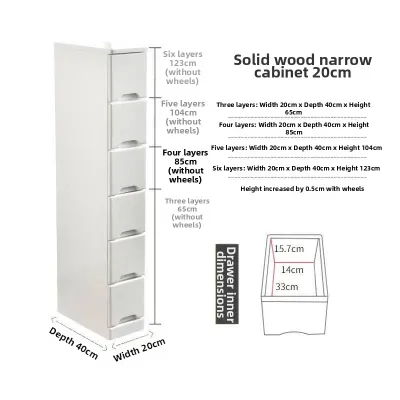
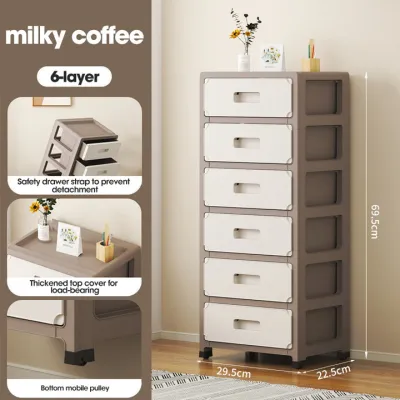
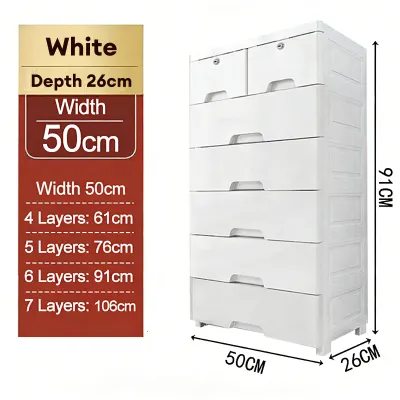
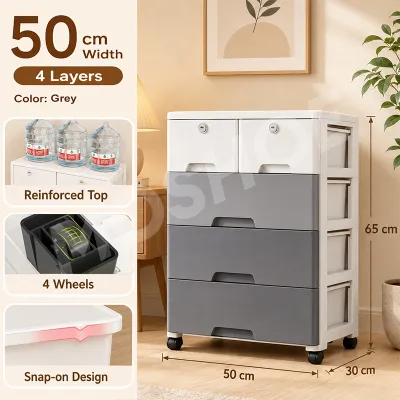
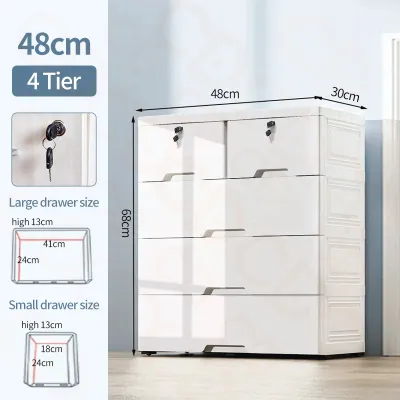
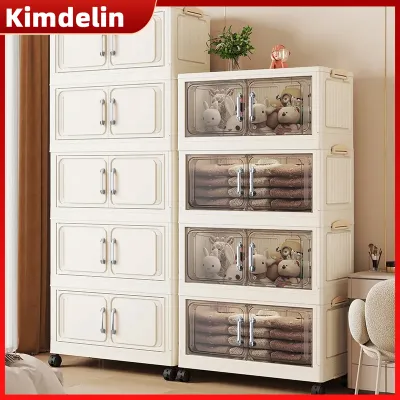

Prices are valid at publication and may change. Please refer to the product page for the latest price.
Before finalizing your purchase, pull out a tape measure and compare the exterior cabinet depth with the actual interior depth of the drawer box. Slide mechanisms, particularly side-mounted tracks, can steal up to an inch of usable width. Similarly, the height of the drawer sides is often lower than the drawer face, meaning tall items might tip over or prevent the drawer from closing if stacked too high.
To make a practical decision, measure your largest dining essentials before looking at specification sheets. If you plan to store long heirloom serving platters, bulky fabric placemats, or custom cutlery organizers, verify that the interior width and depth can accommodate them flat. For vertical storage, such as stacking small dessert plates or standing up condiment bottles, ensure the clearance height between the drawer bottom and the upper frame is sufficient.
Checking Weight Capacity for Heavy Dining Ware
Buffet cabinet drawers are rarely used just for light linens; they frequently hold dense, heavy items like ceramic plate stacks, silverware sets, glassware collections, or even cast-iron cookware. Placing these heavy items in a drawer with inadequate weight capacity leads to bowed drawer bottoms, misaligned slides, and eventual structural failure.

When reviewing product specifications, look for the manufacturer’s stated load limit per drawer. High-quality buffet drawers typically feature a weight capacity rating between 15 to 35 kilograms. If the manufacturer does not explicitly publish these limits, frame this as a critical verification check and contact the retailer or manufacturer directly to confirm the load rating before buying.
In addition to official ratings, you can perform physical and visual checks to assess real-world sturdiness. Examine the thickness of the drawer bottom panel; flimsy 3mm composite boards will quickly sag under the weight of heavy stoneware. Look for a bottom panel that is at least 6mm to 9mm thick, preferably reinforced with underlying wooden support brackets or solid corner blocks glued to the underside. These small structural reinforcements distribute weight evenly and prevent the bottom from bowing or popping out of its frame.
Understanding Drawer Slides and Extension Types
The hardware that guides your drawer open and closed dictates how smooth, accessible, and durable the cabinet will be over time. The two most common types of drawer slides are side-mounted and under-mounted. Side-mounted slides are highly visible when the drawer is open and can slightly reduce the usable interior width, but they are generally cost-effective and easy to replace. Under-mounted slides are hidden beneath the drawer box, offering a cleaner aesthetic, smoother glide, and superior support for heavier loads, though they usually come at a higher price point.
Extension capability is another vital specification to check. Drawers feature either partial, full-extension, or over-travel slides. Partial extension slides leave the back third of the drawer hidden inside the cabinet frame, making it difficult to reach small items like butter knives or napkin rings. Full-extension slides allow the entire drawer box to clear the cabinet face, giving you complete, unobstructed access to the very back of the drawer. For deep buffet cabinets, full-extension slides are highly recommended to maximize usability.
If you want to prevent noisy disruptions during quiet dinners, look for soft-close mechanisms. These slides feature built-in hydraulic dampers that catch the drawer as it closes, gently pulling it shut to prevent slamming. When evaluating these in a showroom, verify that the damping action feels smooth and does not require excessive force to pull open from a fully closed position. Finally, ensure the slide rails are made of thick, zinc-plated steel with ball-bearing rollers, which resist rust in humid environments far better than thin plastic rollers.
Inspecting Drawer Box Construction and Joints
A drawer face might look flawless, but the way the drawer box is put together reveals its true quality. High-quality furniture utilizes interlocking joinery, such as English or French dovetails, where the wooden panels interlock like fingers. Dovetail joints are incredibly strong and naturally resist being pulled apart when you open a heavy drawer. Reinforced dowel joints are another durable alternative, whereas drawers held together only by simple metal staples, nails, or glue are prone to splitting and falling apart under daily stress.
Next, look at how the drawer bottom is secured to the sides. In cheap furniture, the bottom panel is simply stapled or glued directly to the bottom edges of the drawer walls. Over time, the weight of your dining ware will push the bottom panel down and out. High-quality construction features a “floating” bottom, where the panel is slotted into routed grooves cut into the solid wood drawer sides, allowing the wood to expand and contract naturally without cracking.
Because kitchens and dining areas in the Philippines experience high ambient humidity and occasional liquid spills, the surface finish of the drawer interior is crucial. Raw, unsealed wood can absorb moisture from the air, causing the drawer to swell, stick, or develop musty odors. Ensure the drawer box interior is treated with a clear, moisture-resistant protective sealer or lacquer, and check that any exposed edges feature durable edge banding to prevent delamination.
Minor Specs You Can Safely Overlook
While it is important to be thorough, some technical specifications have very little impact on the daily performance of your buffet cabinet. For instance, the exact wood species used for the interior drawer sides—such as pine versus poplar—matters far less than the joinery method and the quality of the slides. Both softwoods and hardwoods perform exceptionally well if they are properly kiln-dried, sealed, and joined with dovetails.
Additionally, do not get distracted by highly specific, branded hardware names. A slide mechanism does not need a famous European brand stamp to be durable; what matters is that the hardware is made of thick, rust-resistant metal and has a verified load capacity suitable for your storage needs.
Finally, decorative fabric liners, velvet jewelry inserts, or built-in wooden dividers should not dictate your purchasing decision. These features are easily added aftermarket using inexpensive organizers tailored to your exact cutlery collection, allowing you to prioritize structural integrity during your initial cabinet search.
Frequently Asked Questions (FAQ)
How can I test drawer quality in a physical showroom?
To test drawer quality in person, pull the drawer out fully and check for a smooth, quiet glide without any grinding noises. Gently wiggle the extended drawer side-to-side; a high-quality slide mechanism will have minimal lateral wobble. Finally, push it closed to verify if the soft-close mechanism engages smoothly without requiring extra force.
Should I choose multiple shallow drawers or fewer deep ones?
Your choice should depend on what you intend to store. Multiple shallow drawers are ideal for organizing flat items like cutlery, fabric napkins, placemats, and serving utensils. Fewer deep drawers work best for bulky items such as ceramic serving bowls, stacks of dinner plates, or seasonal table decorations.
Community discussion
Share your experience or ask a question. Comments are reviewed before publication.