
Selecting a folding bed portable bed sofa for a compact condominium living room requires a careful balance of spatial awareness, mechanical reliability, and material comfort. In a typical 20-square-meter layout, every piece of furniture must serve multiple purposes without overcrowding the room. To find the ideal model, you must prioritize precise physical dimensions, smooth folding mechanisms, breathable upholstery that withstands tropical humidity, and a stable frame that can navigate tight entryways. By focusing on these core features, you can transform your limited living area into a highly functional, comfortable space for both daily relaxation and overnight guests.
When space is at a premium, a dual-purpose sofa bed is often the most practical investment you can make. However, not all models are created equal, and a design that looks perfect in a spacious showroom can easily overwhelm a compact condo. Navigating the selection process involves looking beyond aesthetics to evaluate how the furniture operates, how it supports the body, and how it holds up to daily wear. By taking a systematic approach to measuring, testing, and comparing features, you can secure a piece that offers maximum utility without compromising your living room’s flow.
Assessing Your Space and Layout Constraints
Before you begin browsing online marketplaces or visiting local furniture showrooms, you must establish the exact physical boundaries of your living room. A folding bed portable bed sofa occupies two distinct footprints: its compact form as a seated sofa and its fully extended form as a bed. Using painter’s tape to map out both configurations directly on your floor is an excellent way to visualize how much physical space the unit will occupy. This simple exercise helps prevent the common mistake of purchasing a piece that blocks vital walkways or prevents nearby doors from opening.
Products mentioned in this guide
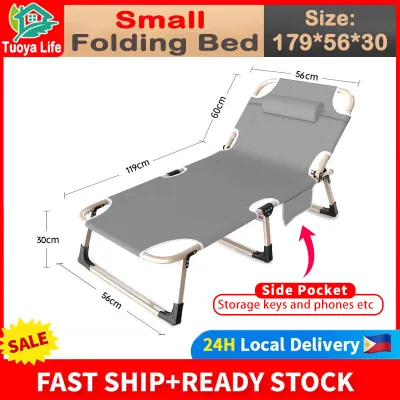
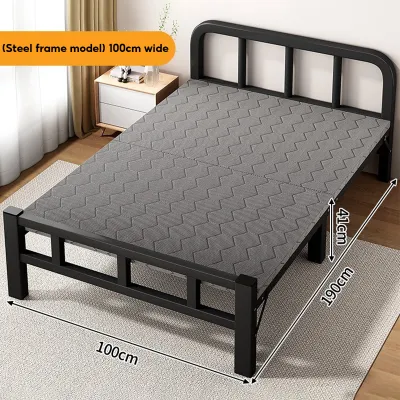
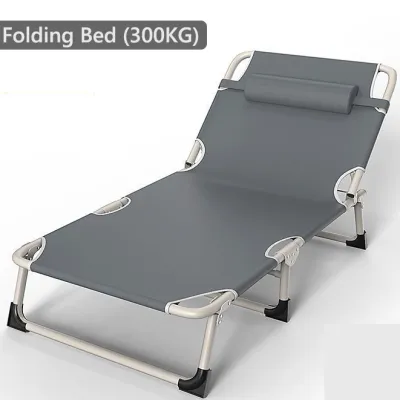
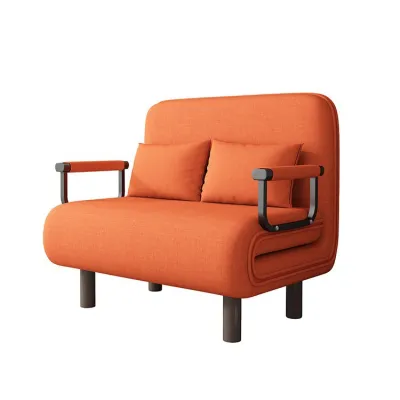

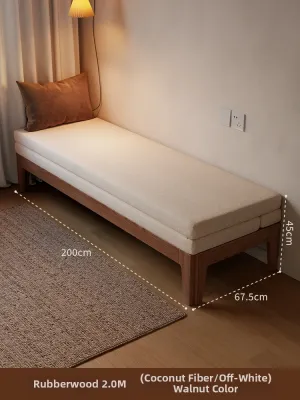
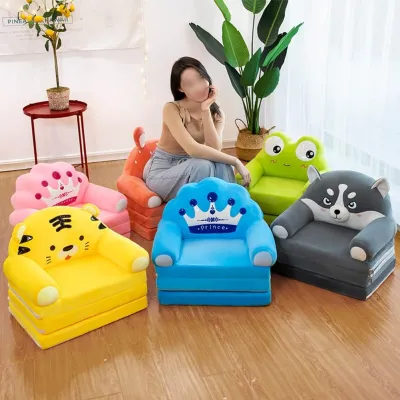
Prices are valid at publication and may change. Please refer to the product page for the latest price.
In addition to the floor footprint, you must carefully evaluate the clearance pathways leading into your condominium unit. Many condo residents face significant challenges during delivery because they fail to measure the building’s service elevator, narrow corridors, stairwells, and the main entrance door of their unit. A sofa bed is often heavier and bulkier than a standard couch due to its internal metal or wooden mechanisms. Ensure you obtain the packaged shipping dimensions from the manufacturer and compare them against the tightest turns and lowest ceilings along the delivery route to guarantee the item can actually reach your living room.
Another critical spatial consideration is the relationship between the extended bed and your surrounding furniture. In a 20-square-meter living room, you will likely have a coffee table, a television console, side tables, or accent chairs nearby. When deploying the bed, you must have a clear plan for where these secondary items will be temporarily stored. If converting the sofa into a bed requires moving heavy tables to another room every night, the setup will quickly become a frustrating chore. Opt for lightweight, easily movable accent furniture or nested tables that can be tucked away effortlessly.
Finally, always account for comfortable walking space around the perimeter of the deployed bed. For optimal comfort and safety, aim to maintain a clearance pathway of at least 50 to 60 centimeters on at least one side of the bed, as well as at the foot of the bed. This ensures that you or your guests do not have to awkwardly climb over the mattress or squeeze against walls to move around the room at night. If your layout is exceptionally tight, a front-opening drawer-style sofa bed or a vertical fold-out model might offer a more streamlined path than a traditional side-opening click-clack design.
Evaluating Folding Mechanisms and Operations
The mechanism that facilitates the transition from seating to sleeping is the heart of any folding bed portable bed sofa. Different designs require varying levels of physical effort and spatial clearance to operate. The classic “click-clack” mechanism is highly popular for its simplicity; you lift the seat until it clicks, then lay it flat. However, many traditional click-clack models require you to pull the entire frame away from the wall before unfolding, which can be physically demanding and scratch your floors. If space is tight, look for “zero-clearance” or “wall-hugger” mechanisms designed to slide forward during transition, allowing the back of the sofa to remain flush against the wall.

Another common option is the pull-out or drawer-style mechanism, where the sleeping platform glides out from underneath the main seat cushions on wheels or tracks. This design is highly efficient because it keeps the backrest stationary, but it requires a completely clear floor space in front of the sofa. When evaluating this type, inspect the quality of the wheels and tracks. The rollers should glide smoothly without catching, and they should be made of non-marking materials to protect your flooring. Avoid mechanisms that feel stiff, require excessive bending, or demand significant upper-body strength to lift and lock into place.
Tri-fold mechanisms, often found in traditional pull-out sleeper sofas, store a folded mattress beneath the seat cushions. While these models often provide a highly comfortable, traditional mattress surface, the internal metal frames can be heavy and complex. When testing these units, pay close attention to the hinges, springs, and locking joints. The transition should feel balanced, with helper springs assisting you as you lift the frame up and out. Check that the joints lock securely into both the fully open and fully closed positions to prevent accidental folding or shifting during use.
Ultimately, the best mechanism is one that you can operate comfortably on a daily basis without assistance. If you plan to use the bed frequently, prioritize simple, low-effort designs with minimal moving parts. Complex linkages and multiple folding joints increase the risk of mechanical failure over time. Before making a final decision, physically test the mechanism multiple times if possible, observing whether it operates quietly and smoothly, or check detailed user reviews regarding the long-term durability of the folding hardware.
Balancing Mattress Comfort and Sofa Support
Achieving the perfect balance between a supportive sofa seat and a comfortable sleeping mattress is one of the greatest challenges when shopping for a dual-purpose piece. Standard sofas require firm, resilient foam to support upright seating, whereas a comfortable bed mattress needs to contour to the body and relieve pressure points. When evaluating a folding bed portable bed sofa, look closely at the mattress thickness and core materials. Thin foam mattresses under 10 centimeters thick often allow sleepers to feel the hard support bars or wooden slats underneath, leading to a poor night’s sleep. Aim for a mattress thickness of at least 10 to 12 centimeters, utilizing high-density foam or pocket springs.
The internal construction of the sleeping surface plays a vital role in long-term comfort. High-density polyurethane foam is excellent for maintaining its shape and providing consistent support, but it can trap body heat. In a tropical climate like the Philippines, where high humidity and warm temperatures are common, heat retention can make sleeping highly uncomfortable. Pocket spring mattresses offer superior airflow and ventilation, helping to keep the sleeping surface cool, though they tend to make the overall sofa heavier. Hybrid mattresses, which combine a supportive spring base with a breathable foam comfort layer, often provide the best of both worlds.
Another critical factor to inspect is the presence of structural gaps, seams, or support bars across the sleeping surface. Many folding designs split the mattress into two or three sections that meet at joints when unfolded. If these seams are poorly aligned or lack sufficient padding, they can create uncomfortable ridges that dig into your back or hips. Run your hands firmly across the fully extended bed to check for any protruding metal bars, sagging sections, or uneven transitions. A high-quality model will feature a well-padded transition zone or a continuous mattress overlay that masks these structural elements.
Finally, review the manufacturer’s care labels and maintenance guidelines for the mattress component. Because condo living rooms are high-traffic areas, the mattress will be subjected to regular compression from sitting. Look for models that allow you to rotate or flip the mattress periodically to ensure even wear and prevent permanent sagging. Additionally, check if the mattress design allows for proper ventilation underneath; a solid, unventilated platform can trap moisture and sweat, leading to mold or mildew growth in humid environments. Choosing a model with a breathable, slatted support base helps promote healthy airflow.
Checking Frame Stability and Weight Capacity
A folding bed portable bed sofa must be structurally sound to withstand the dynamic forces of both sitting and sleeping. When inspecting a potential purchase, focus heavily on the frame construction and joint reinforcements. High-quality frames are typically constructed from kiln-dried hardwoods or heavy-duty steel tubing. Kiln-dried wood is particularly important in humid tropical climates, as the drying process removes moisture from the timber, preventing it from warping, cracking, or bowing over time. Avoid frames made entirely of cheap particleboard or thin, low-grade plastics, as these materials can quickly fail under regular use.
Examine the joints where the frame segments meet. Look for robust hardware, such as heavy-duty bolts, locking nuts, and reinforced corner blocks, rather than simple staples, nails, or glue. Gently shake the sofa from side to side and press down firmly on the armrests and seat; there should be no noticeable wobbling, flexing, or creaking. A stable frame not only ensures safety but also extends the lifespan of the folding mechanism by keeping all moving parts perfectly aligned during transition.
Always locate and verify the manufacturer’s stated weight capacity before finalizing your purchase. This specification is crucial for ensuring the safety of all household members and guests. Keep in mind that the weight capacity must account for both the static weight of sleepers and the dynamic weight of people sitting down or moving around. A standard double-sized sofa bed should ideally support a minimum of 150 to 200 kilograms. If the manufacturer does not clearly state the weight limit on the product tag or specification sheet, treat it as a warning sign and contact their customer service for clarification.
The design of the legs and floor protectors is another easily overlooked detail that can have a major impact on your condo. When the bed is fully extended, the weight is distributed across multiple support legs. If these legs have sharp metal edges or hard plastic tips, they can easily scratch, dent, or gouge delicate condo flooring, such as vinyl planks, laminate wood, or polished ceramic tiles. Look for models featuring wide, flat legs equipped with built-in rubber pads or heavy-duty felt protectors. If the model you prefer lacks adequate protection, plan to purchase aftermarket rubber cups or felt pads to safeguard your floors.
Selecting Upholstery for High-Traffic Condo Living
The upholstery fabric you choose determines not only how your folding bed portable bed sofa looks but also how well it withstands the rigors of daily condo life. In a compact living room, the sofa is often the primary seating area for eating, working, relaxing, and entertaining, making durability a top priority. Look for fabrics with high durability ratings, often measured by the Martindale rub test. A rating of 15,000 rubs or higher is generally recommended for heavy domestic use. Synthetic fibers, such as high-grade polyester, nylon, or microfiber blends, are exceptionally durable, resistant to pilling, and easy to clean.
In a warm and humid climate, breathability is just as important as durability. Heavy, tightly woven fabrics like thick velvet, chenille, or synthetic faux leather can trap heat and sweat, making them feel sticky and uncomfortable against the skin. Instead, opt for breathable woven polyesters, linen blends, or performance fabrics designed to wick away moisture and promote airflow. If you prefer the look of leather, ensure it is high-quality, breathable top-grain leather rather than cheap bonded leather, which tends to peel and crack rapidly when exposed to humidity and body oils.
For practical, long-term upkeep, highly consider models that feature removable and machine-washable slipcovers. Being able to unzip the cushion covers and toss them into the washing machine makes it incredibly easy to deal with accidental spills, pet dander, sweat, and dust mites. If removable covers are not an option, look for fabrics treated with stain-resistant coatings that allow liquids to bead up on the surface for easy wiping. Additionally, choose colors and textures wisely; mid-tone neutrals, such as charcoal gray, soft beige, or textured tweed, are excellent at concealing minor wear, dust, and small stains while keeping your small living room looking clean and sophisticated.
Building Your Pre-Purchase Shortlist
With a clear understanding of your spatial limits, mechanical preferences, comfort needs, and material choices, you are ready to compile a pre-purchase shortlist. Start by creating a simple comparison matrix. List your top three or four sofa bed candidates along one axis, and cross-reference them against your measured room dimensions, delivery clearance requirements, and preferred mechanism type. This systematic comparison quickly highlights which models are truly compatible with your 20-square-meter condo layout and which ones should be eliminated.
Next, weigh the features of each shortlisted model against your allocated budget in ₱. While it can be tempting to opt for the cheapest available option, remember that a folding bed portable bed sofa is a complex piece of mechanical furniture. Investing a bit more upfront in a model with a kiln-dried hardwood frame, a smooth steel mechanism, and a high-density mattress will save you money in the long run by avoiding premature replacements. Look for reputable retailers that offer transparent pricing, clear product specifications, and reliable customer support.
Finalize the practical logistics of the purchase before making your decision. Confirm whether the retailer provides professional delivery and assembly services, especially if you live in a high-rise condominium with strict moving guidelines. Many condo associations require delivery personnel to submit permits and insurance certificates in advance, so choosing a retailer experienced in condo deliveries can save you significant administrative hassle. Additionally, carefully review the warranty coverage—ensuring it covers the frame and folding mechanism for at least one to two years—and understand the return policy in case the item does not fit your space as expected.
Frequently Asked Questions (FAQ)
Can a folding bed sofa be used as a primary bed for everyday sleeping?
While a high-quality folding bed portable bed sofa can serve as a temporary sleeping solution, most standard models are not recommended as a primary bed for everyday use. Over time, the thinner mattresses and folding support structures of typical sofa beds can lead to uneven weight distribution, causing the mattress to sag and potentially leading to discomfort or lack of proper spinal alignment. Dedicated mattresses are engineered specifically to support the body continuously for eight hours a night, whereas sofa bed mattresses must compromise on thickness and density to fold away neatly.
If you must use a folding bed sofa as your primary sleeping surface due to extreme space constraints, it is vital to select a model specifically rated by the manufacturer for continuous daily use. Look for heavy-duty designs featuring thick, high-density foam or pocket spring mattresses supported by robust wooden slats rather than thin metal wire mesh. To enhance comfort and protect the mattress from premature wear, consider adding a high-quality, removable mattress topper when the bed is deployed, and strictly adhere to the manufacturer’s guidelines regarding weight limits and regular mattress rotation.

Community discussion
Share your experience or ask a question. Comments are reviewed before publication.