
A multifunctional sofa bed that perfectly matches the Japandi living room style must seamlessly blend Japanese minimalism with Scandinavian warmth. To achieve this balance, the piece must feature a low-profile silhouette, clean lines, and natural, highly textured materials while completely concealing its mechanical functions. The ideal sofa bed does not look like a temporary guest bed; instead, it presents itself as a refined, permanent piece of furniture that preserves the open, breathable flow of your living space. By focusing on hidden conversion mechanisms, earthy neutral tones, and structural simplicity, you can enjoy dual-purpose utility without disrupting the calm, clutter-free aesthetic of your home.
Identifying Japandi Design Traits in Sofa Beds
To select a sofa bed that authentically reflects the Japandi aesthetic, you must first evaluate its visual and material characteristics. Japandi style relies heavily on the use of natural, tactile materials that bring the outdoors inside. Look for sofa beds constructed with solid wood frames, particularly those showcasing light to medium tones such as oak, ash, or beech. The wood grain should be visible and celebrated, rather than hidden under thick, glossy varnishes. For the upholstery, prioritize textured, matte fabrics like linen blends, cotton canvas, or heavily textured bouclé. These materials catch natural light softly and add depth to a minimalist room without relying on bold patterns.
In addition to materials, the silhouette of the sofa bed plays a crucial role in establishing the design language. Japandi furniture is characterized by low-profile designs that sit close to the floor, referencing traditional Japanese floor-level living. The lines should be clean, straight, and uninterrupted, with minimal ornamentation or unnecessary tufting. Look for exposed, purposeful joinery—such as visible dowels or mortise-and-tenon joints—which highlights the beauty of craftsmanship rather than decorative hardware. Avoid bulky, overstuffed armrests or overly ornate legs, as these elements disrupt the sense of simplicity and lightness.
Products mentioned in this guide
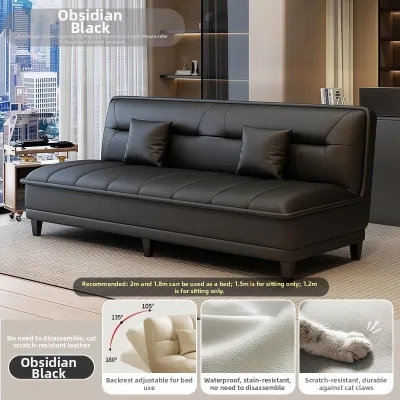
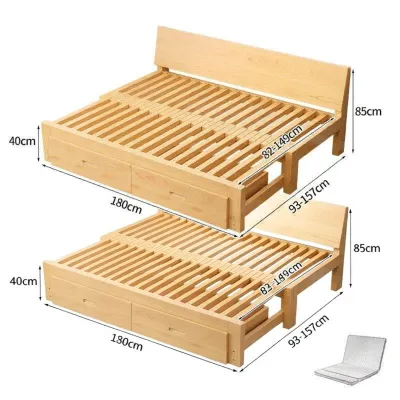
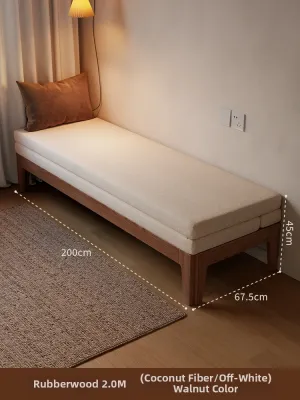
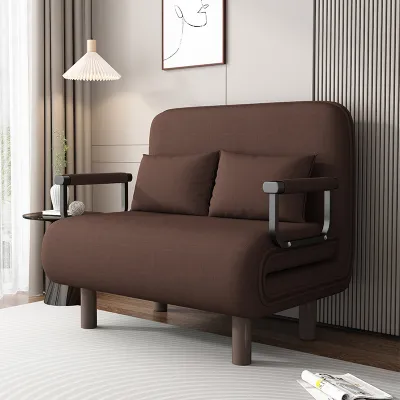
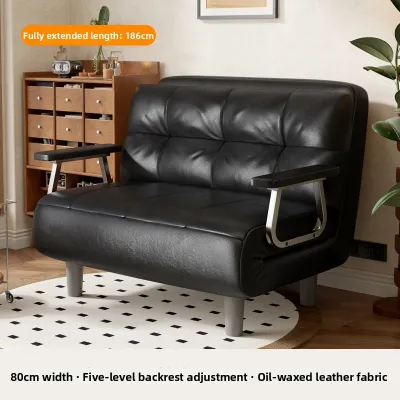
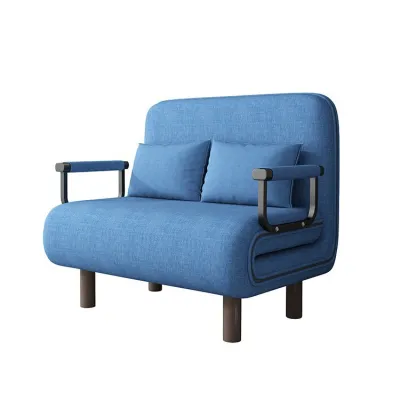
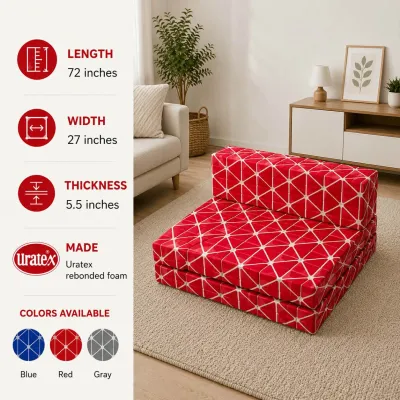
Prices are valid at publication and may change. Please refer to the product page for the latest price.
Color selection is the final pillar of the Japandi visual identity. The palette should consist of neutral, earthy tones that balance the cool, bright whites of Scandinavian design with the warm, rustic tones of Japanese interiors. Excellent choices include warm beige, sand, oatmeal, muted terracotta, soft olive green, or charcoal gray. These colors create a serene backdrop that promotes relaxation. When choosing a color, consider how it interacts with the natural light in your living room throughout the day, ensuring the tone remains warm and inviting rather than cold or sterile.
Evaluating Hidden Functions and Mechanisms
While aesthetics are vital, a multifunctional sofa bed must perform its primary duties of seating and sleeping effortlessly. The challenge with Japandi design is finding a piece where the conversion mechanisms are completely concealed when the sofa is closed. Avoid models with visible metal frames, protruding levers, or bulky plastic handles. Instead, look for smooth, integrated conversion systems such as pull-out wooden slats, click-clack hinges hidden beneath tailored fabric flaps, or futon-style folds where the wooden frame itself transitions gracefully. The mechanism should operate quietly and smoothly, requiring minimal physical strain to transition between modes.

Integrated storage is another highly valuable feature that supports the clutter-free philosophy of Japandi living. Many high-quality sofa beds feature hidden compartments beneath the seating cushion or within a chaise lounge section. These compartments are perfect for storing extra pillows, blankets, and bed linens, keeping them out of sight during the day. When evaluating storage options, check that the compartment is lined, easy to access, and does not compromise the structural integrity or the sleek profile of the sofa frame.
Finally, you must carefully compare the internal support systems to ensure long-term comfort for both sitting and sleeping. High-density foam cushions offer a firm, structured seat that maintains its crisp shape over time, which aligns perfectly with the neat lines of Japandi design. On the other hand, pocket spring systems provide more adaptive, contouring support that is highly beneficial if the sofa bed will be used frequently for sleeping. If possible, test the firmness of the cushions to ensure they offer a supportive balance—overly soft cushions will sag and ruin the minimalist silhouette, while overly hard cushions may prove uncomfortable for overnight guests.
Verifying Space and Layout Clearances
Before finalizing your choice, you must verify that the sofa bed fits the physical constraints of your living room while preserving spatial flow. Start by measuring the exact footprint of the sofa in its standard upright position, and then measure the fully extended bed configuration. It is essential to leave at least 60 to 70 centimeters of clearance around the extended bed to allow for comfortable movement. Use painter’s tape on your living room floor to map out both configurations; this simple visual check helps ensure you will not block access to doorways, balconies, or storage cabinets when the bed is in use.
Delivery access is another critical factor that is easily overlooked. Because high-quality sofa beds often feature sturdy, solid wood frames, they can be heavy and difficult to maneuver. Check the packaged dimensions of the item against your home’s entry points, including doorways, narrow hallways, stairwells, and elevator cabins. If you live in an apartment building, measure the elevator door clearance and ceiling height. Opting for a modular design or a flat-packed model that can be assembled directly in the living room can save you from significant delivery headaches.
Maintaining negative space is a core principle of Japandi layout planning, often referred to as “ma” or the beauty of emptiness. Your living room should feel breathable and uncluttered, even when the sofa bed is fully deployed. Avoid crowding the sofa bed with heavy side tables or massive coffee tables that are difficult to move. Instead, pair the sofa bed with lightweight, easily movable accent pieces—such as a small round wooden side table or a woven rattan stool—that can be effortlessly shifted aside when it is time to convert the sofa into a bed.
Matching Sofa Bed Features to Your Living Situation
To make the best decision, you should match the features of the sofa bed to your specific household needs and daily routines. Different living situations require prioritizing different aspects of design and functionality. Consider the following scenarios to help guide your purchase:
- Occasional Guest Use: If your sofa bed will serve primarily as daily living room seating and only occasionally host overnight guests, prioritize seating comfort and aesthetic alignment. Look for a model with a highly refined solid wood frame, tailored linen-blend upholstery, and a low-profile silhouette. Because the bed will rarely be deployed, you can opt for a simpler fold-out mechanism or a slightly firmer high-density foam mattress, focusing your investment on the visual appeal of the piece.
- Daily Sleeping in Compact Spaces: If you live in a studio apartment or use the sofa bed as your primary bed, durability and ease of use must take precedence. Prioritize a robust, heavy-duty metal or reinforced wood conversion mechanism that can withstand daily transitions without wearing out. Choose highly durable, easy-to-clean upholstery fabric with a high rub count, and ensure the model includes built-in storage to keep your bedding organized and out of sight during the day.
- Aesthetics as the Absolute Priority: If your goal is to create a picture-perfect Japandi sanctuary where visual harmony is paramount, focus entirely on natural materials and clean lines. Look for a sofa bed with an exposed timber backrest and spindle details, paired with loose, structured cushions in a neutral tone. In this case, you might accept a simpler, manual futon-style conversion process in exchange for a piece of furniture that looks like a high-end designer sofa rather than a dual-purpose appliance.
When planning your budget, remember that investing your hard-earned ₱ in a high-quality, durable frame and premium fabric will pay off in longevity. A well-constructed Japandi sofa bed is not just a temporary solution; it is a central design element that anchors your living room for years to come.
Frequently Asked Questions (FAQ)
How should I care for natural wood frames?
To maintain the beauty of a natural wood frame, establish a regular dusting routine using a soft, dry microfiber cloth to prevent buildup in the wood grain. Avoid placing the sofa bed in direct, prolonged sunlight, as UV rays can cause uneven fading or drying of the timber. Keep the frame away from direct heat sources like air conditioning vents or heaters. Always consult the manufacturer’s care label before applying any cleaning products; generally, a light application of natural furniture wax or oil once or twice a year is sufficient to preserve the wood’s natural moisture and matte finish.
Is a Japandi sofa bed suitable for humid climates?
Yes, a Japandi sofa bed can perform exceptionally well in humid climates if you select the right materials and maintain proper environmental care. Opt for breathable, natural-blend fabrics that do not trap moisture, and check if the manufacturer has applied a mold-resistant or water-repellent treatment. Ensure your living room is well-ventilated, utilizing ceiling fans or dehumidifiers during the wet season to keep indoor humidity levels balanced. To prevent moisture buildup, avoid placing the sofa bed directly against damp exterior walls, leaving a gap of at least 5 to 10 centimeters to allow for continuous airflow.
Community discussion
Share your experience or ask a question. Comments are reviewed before publication.