
Renting a condo or apartment in urban areas requires furniture that balances storage capacity with extreme adaptability. When space is tight and lease agreements strictly restrict drilling into walls, a foldable wardrobe offers a practical, non-permanent storage solution. However, selecting the right model involves more than just picking a design that matches your decor. To make a smart investment, renters must prioritize structural stability, tool-free assembly, space-saving footprints, resilient materials that withstand tropical humidity, and floor-protecting designs. Focusing on these key features ensures your wardrobe remains secure, easy to transport, and completely safe for your rental deposit.
Verifying Structural Stability and Freestanding Safety
Because most rental agreements prohibit drilling holes into walls, your foldable wardrobe must remain entirely freestanding and secure under heavy loads. To verify structural stability, start by checking the manufacturer’s stated weight capacity for both the individual shelves and the hanging rods. A wardrobe that cannot support your daily wardrobe will sag, lean, or collapse over time. Look for models that specify load limits clearly in their product documentation, and compare these limits against the weight of your typical clothing items, such as heavy denim, jackets, or bed linens.
The physical design of the wardrobe’s base plays a critical role in preventing tipping. Prioritize units with a wide base, a low center of gravity, or built-in anti-tip design features that keep the unit balanced even when fully loaded. A wardrobe with a narrow footprint and a tall frame is naturally more prone to wobbling. When evaluating options, look for designs where the heaviest storage compartments are positioned at the bottom, which naturally stabilizes the entire structure.
Products mentioned in this guide
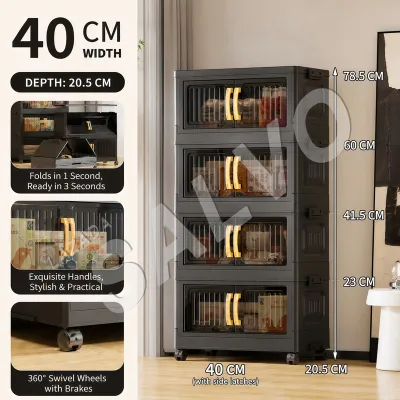
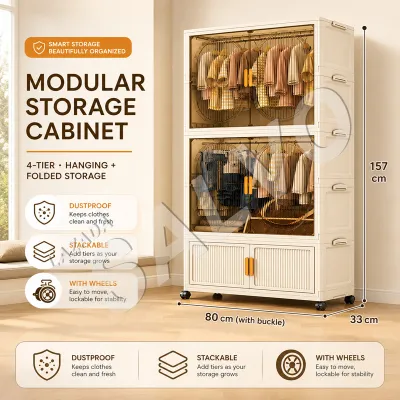
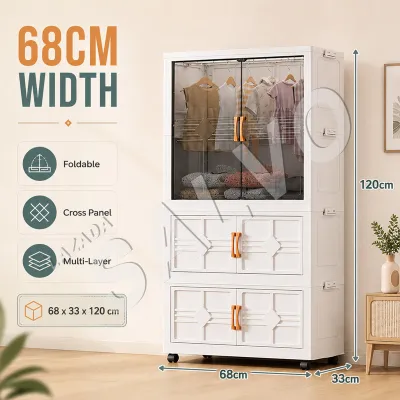
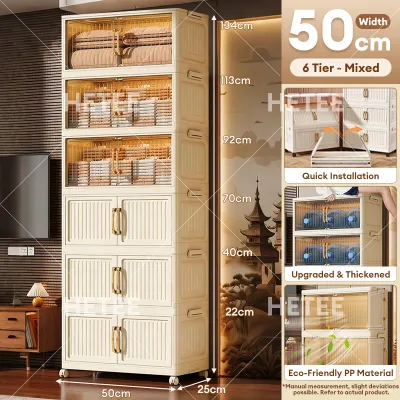
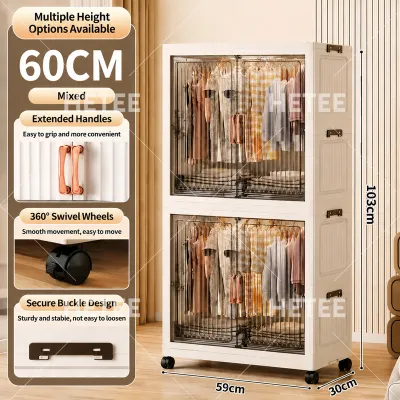
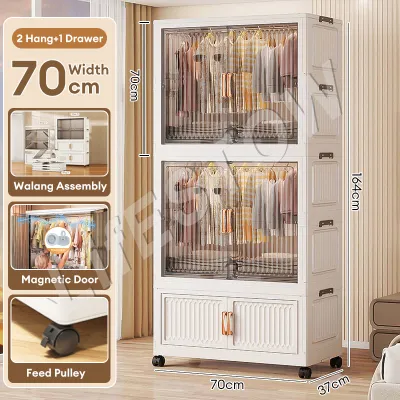
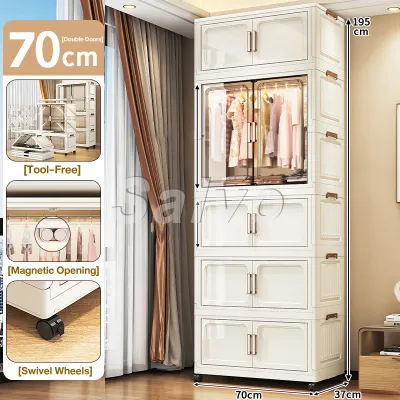
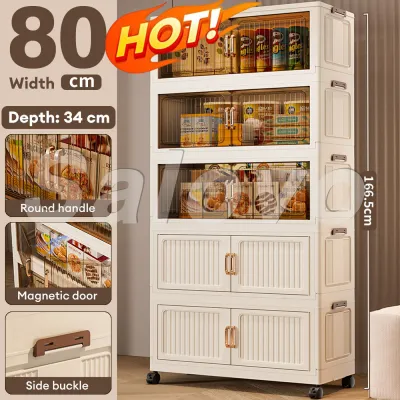
Prices are valid at publication and may change. Please refer to the product page for the latest price.
Additionally, pay close attention to the frame material and the joint locking mechanisms. The strength of a foldable wardrobe often depends on the quality of its connectors. Inspect product specifications or user reviews to see if the joints are made of reinforced plastic, resin, or metal. Screw-in joints or locking snap mechanisms generally offer superior stability compared to simple friction-fit plastic connectors, which can loosen or crack under constant pressure. If reviews frequently mention wobbling or joint failure, it is a clear sign to look for a more robust alternative.
Evaluating Tool-Free Assembly and Move-Friendly Portability
For renters, the ease of setting up and taking down furniture is just as important as its daily functionality. When moving day arrives, you do not want to spend hours wrestling with complex instructions or searching for specialized tools. Prioritize foldable wardrobes that feature snap-together, fold-out, or pop-up mechanisms. These designs allow you to assemble the unit in minutes without the need for power drills, screwdrivers, or hammer-and-nail hardware. A tool-free assembly process not only saves time but also reduces the risk of losing small screws or damaging the frame during repeated setups.

Portability also depends heavily on the wardrobe’s physical dimensions when collapsed. Before buying, check the folded dimensions to ensure the unit can easily fit through standard doorways, narrow hallways, and apartment elevators. If you plan to move the wardrobe in a personal vehicle, verify that the folded frame can lie flat in your trunk or back seat. A highly portable wardrobe should fold down into a compact, flat package that requires minimal storage space when not in use.
Finally, consider the total weight of the empty unit. A lightweight frame made of hollow steel tubes or high-grade resin is much easier to carry than a solid, heavy structure. Ideally, the empty wardrobe should be light enough for a single person to lift and maneuver safely. This independence is invaluable during a move, allowing you to transport your furniture without relying on professional movers or risking injury.
Optimizing the Footprint for Small Rental Layouts
In compact rental spaces, every square centimeter of floor area counts. Choosing a wardrobe with the wrong door style or footprint can quickly make a room feel cramped and restrict your movement. To maximize your layout, compare different door designs and their clearance requirements. Standard swing doors require significant open space in front of the wardrobe to open fully, which can block walkways or interfere with nearby furniture. In contrast, sliding doors, roll-up fabric covers, or open-concept designs eliminate the need for front clearance, making them ideal for narrow rooms or tight corners.
Before making a decision, measure the exact floor footprint of the area where you plan to place the wardrobe. Do not rely on visual estimates; use a measuring tape to map out the width, depth, and height. Be sure to account for the extra space needed to access drawers, pull out storage bins, or walk past the unit when it is in use. If the wardrobe is placed near a bed, desk, or doorway, ensure that its presence will not restrict the natural flow of traffic through the room.
To get the most out of a small footprint, look for wardrobes that utilize vertical space effectively. Features like adjustable shelves, top-tier storage decks, and integrated side pockets allow you to store items upward rather than outward. Utilizing unused air space for seasonal clothing, shoes, or accessories keeps your floor clear and organized. A well-designed vertical layout can double your storage capacity without taking up any additional floor space in your rental.
Checking Material Resilience and Maintenance Requirements
The tropical climate in the Philippines presents unique challenges for furniture maintenance, particularly regarding humidity and moisture. To ensure your foldable wardrobe lasts through multiple rental cycles, you must carefully evaluate its material resilience. Read product labels and specifications for protective surface treatments. For metal frames, look for powder-coated or rust-proof finishes that prevent corrosion during the humid rainy season. For engineered wood panels, check for fully sealed edges, as exposed particleboard can absorb moisture from the air, leading to swelling, warping, and structural weakness.
Fabric covers and panels also require close inspection. Look for specifications that indicate tear resistance, dust protection, and ease of cleaning. High-density fabrics, such as heavy-duty Oxford cloth, are generally more durable and easier to maintain than thin non-woven materials. A good fabric cover should shield your clothes from dust while remaining breathable enough to prevent musty odors. Additionally, verify that the material can be easily wiped clean with a damp cloth to remove dust or light stains without degrading the fabric.
Avoid assuming a material is naturally mold-proof or waterproof based solely on its name. Even metals and synthetic fabrics can succumb to mold or rust if kept in damp, unventilated corners. Always rely on the manufacturer’s explicit care and environmental instructions. Regular maintenance, such as keeping the wardrobe slightly away from damp walls and wiping down the frame periodically, will help preserve the integrity of the materials regardless of the climate.
Ensuring Non-Damaging Setup and Floor Protection
Protecting your rental deposit is a top priority for any tenant, and your furniture choices play a major role in avoiding property damage. When selecting a foldable wardrobe, verify that the entire design requires zero drilling, nailing, or adhesive mounting on walls or baseboards. The unit must be completely self-supporting. Avoid any models that mandate wall brackets for basic structural integrity, as installing these brackets will leave permanent holes in the drywall or concrete, leading to potential repair fees when your lease ends.
Floor protection is another critical factor that is often overlooked. The base feet of the wardrobe will bear the entire weight of the frame and your clothing, concentrating pressure on small areas of your flooring. Check if the unit comes with built-in non-slip rubber pads or smooth plastic caps. If the feet are made of bare metal or rough plastic, they can easily scratch, dent, or discolor vinyl tiles, laminate, or hardwood floors.
To prevent any damage, plan to add aftermarket felt protectors or silicone leg caps to the base feet if the manufacturer’s design allows. These simple additions distribute the weight more evenly and allow you to slide the wardrobe slightly during cleaning without leaving unsightly marks. Ensuring your wardrobe is gentle on both the walls and the floors is an easy way to guarantee a smooth move-out inspection and secure the return of your security deposit.
Building Your Final Shortlist and Pre-Purchase Checklist
Once you have identified the key features that match your rental living needs, it is time to build a shortlist of potential candidates. To make a confident final decision, create a structured comparison framework. Start by cross-referencing the external dimensions of each shortlisted wardrobe with your measured room space. Do not forget to measure the delivery path as well; ensure the packaged unit can fit through your building’s elevator doors, up the stairwells, and through your apartment’s entryway. A wardrobe that fits perfectly in your bedroom is of no use if you cannot get it through the front door.
Next, carefully review the retailer’s return policies and warranty terms. Because foldable wardrobes rely on precise joints and interlocking parts, missing hardware or a single defective connector can render the entire unit unusable. Look for retailers that offer a clear return window and a warranty that covers structural defects or missing components. This protection ensures you can quickly resolve any issues without incurring extra expenses.
Finalize your decision by calculating the total cost of the purchase in ₱, factoring in all necessary components. While the base price of a wardrobe might seem attractive, remember to include the cost of essential add-ons such as extra shelves, replacement fabric covers, or aftermarket floor protectors. Comparing the total investment against your budget helps you identify the best value. A slightly higher upfront cost for a durable, easy-to-assemble unit is often more economical in the long run than a cheap, fragile model that must be replaced after your first move.
Frequently Asked Questions (FAQ)
How can I prevent a freestanding foldable wardrobe from tipping over without drilling?
To secure a freestanding foldable wardrobe without drilling into your rental walls, focus on strategic weight distribution. Always place your heaviest items, such as shoes, storage boxes, and heavy folded blankets, on the bottom shelves. This lowers the unit’s center of gravity, making it significantly more stable and less prone to tipping forward when you pull on the hanging rod. If the manufacturer permits, you can also use heavy-duty, damage-free adhesive furniture straps. These straps anchor the frame to the baseboard or wall using strong adhesives that can be cleanly removed with heat when you move out. Finally, monitor the unit’s stability during daily use; if you notice any visible leaning or wobbling when opening doors or reaching for clothes, stop using it immediately and redistribute the weight to restore balance.
Are fabric foldable wardrobes durable enough for long-term rental use?
Yes, fabric foldable wardrobes can be highly durable, but their lifespan depends heavily on the quality of their individual components rather than the fabric category alone. When evaluating durability, look for high fabric denier ratings, such as 600D Oxford cloth, which offers excellent tear resistance and dust protection. The thickness of the internal frame tubes and the material of the connecting joints are equally important; thick steel frames with reinforced resin joints will far outlast thin aluminum frames with cheap plastic connectors. Before purchasing, check the manufacturer’s expected lifespan or warranty period for both the fabric cover and the zippers, as these are the parts most exposed to daily wear. Keep in mind that many manufacturers sell replacement fabric covers separately, allowing you to easily refresh your wardrobe’s appearance without needing to buy an entirely new frame.
Community discussion
Share your experience or ask a question. Comments are reviewed before publication.