
An ideal garden storage bench must serve as both a protective shield against harsh environmental elements and an efficient organizational hub. In tropical climates, where intense heat alternates with torrential monsoon rains, standard storage solutions often fail within a few seasons. The perfect storage bench integrates targeted ventilation, robust structural materials, specialized vertical hanging systems, and secure, weather-sealed compartments to keep your tools dry, accessible, and safe. By carefully evaluating these design features, you can transform a simple outdoor seat into a highly functional gardening station that preserves your equipment and streamlines your planting routine.
Identifying the Specific Storage Challenges of Gardening Equipment
Gardening requires a diverse array of tools and supplies, each with distinct storage requirements that standard home furniture cannot accommodate. Heavy bulk supplies, such as large bags of potting soil, compost, and organic fertilizers, require spacious, load-bearing compartments that can withstand weight without sagging. Long-handled tools like shovels, rakes, and hoes need vertical or elongated space to prevent them from becoming safety hazards or cluttering walkways. Meanwhile, delicate hand tools, including bypass pruners, trowels, and weeding forks, require dry, easily accessible compartments where they will not get buried or damaged. Additionally, sensitive plant care products, such as packaged seeds, liquid feeds, and organic pest control solutions, must be shielded from extreme temperatures and direct sunlight to maintain their efficacy.
The environmental conditions typical of tropical regions, particularly in the Philippines, present severe challenges to outdoor storage. High relative humidity, frequent afternoon downpours, and exposure to airborne salt in coastal areas accelerate the deterioration of gardening gear. When left in poorly ventilated spaces, moisture clings to metal surfaces, leading to rapid oxidation and rust on high-carbon steel blades and joints. Wooden tool handles absorb ambient moisture from the air, causing them to swell, warp, rot, or split over time. Furthermore, damp, dark environments stimulate the growth of mold and mildew on fabric tool bags, gardening gloves, and organic fertilizers. Potting mixes stored in unsealed containers can easily become waterlogged, turning into breeding grounds for soil-borne pathogens, fungus gnats, and local pests. Understanding these specific risks highlights why a specialized storage bench is a necessity rather than a luxury.
Products mentioned in this guide
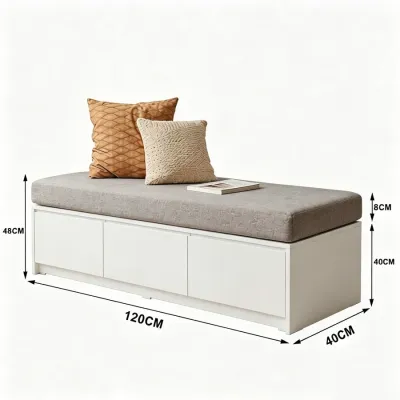
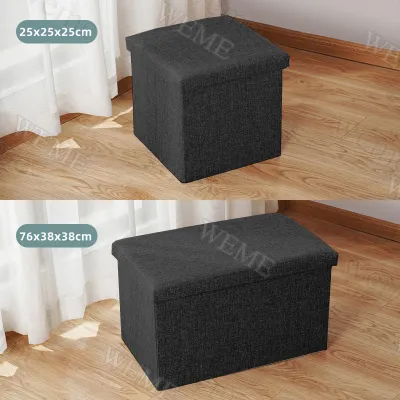

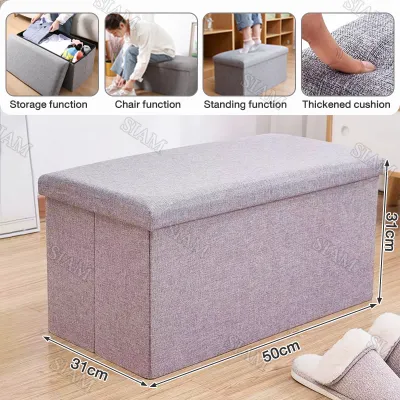

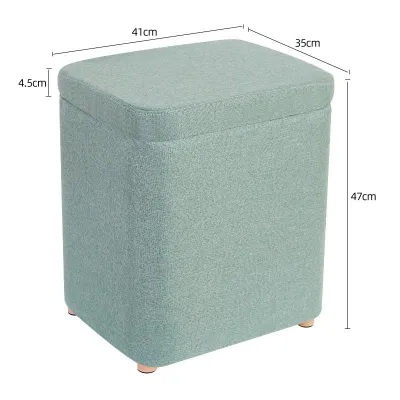
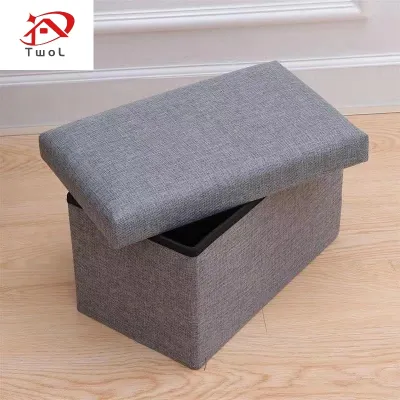
Prices are valid at publication and may change. Please refer to the product page for the latest price.
Essential Design Features for Organizing Tools Efficiently
To address these challenges, a garden storage bench must feature an array of specialized structural and organizational elements. A well-designed bench does more than hide clutter; it actively protects your investments and improves your working efficiency. By selecting a bench with the right combination of internal layouts and external attachments, you can ensure that every tool has a designated, protective home.

Ventilation and Drainage Solutions
Airflow is the single most critical factor in preventing moisture-related damage to gardening equipment in humid climates. Storage benches equipped with slatted shelves, wire mesh tiers, or perforated back panels promote continuous air circulation throughout the interior. This constant movement of air allows damp tools, wet gloves, and washed pots to dry naturally, significantly reducing the risk of rust, mold, and mildew.
When selecting a bench, look for designs that actively prevent water from pooling on solid surfaces. Solid flat shelves inside an outdoor bench can trap water brought in by wet tools or rain, creating stagnant puddles that ruin wooden handles and corrode metal parts. Slatted designs allow excess water to drain freely to the ground, keeping the storage environment dry and clean. If you prefer solid shelves for storing small items, ensure they are slightly sloped or feature integrated drainage channels to direct water away from your gear.
Hanging Systems and Tool Hooks
Maximizing vertical space is essential for keeping your storage bench organized and preventing smaller items from getting lost at the bottom of a deep chest. Integrated features such as side-mounted tool racks, pegboard-compatible back panels, or built-in heavy-duty hooks allow you to store tools vertically. This arrangement keeps long-handled implements like spades and rakes upright and organized, preventing them from tangling or falling over.
Hanging systems also keep frequently used hand tools, such as pruners, trowels, and shears, at eye level and within arm’s reach. Instead of rummaging through a dark, cluttered box, you can easily identify and grab the exact tool you need for your task. Before loading these hanging systems with heavy equipment, always verify the manufacturer’s stated weight limits for the hooks and mounting hardware to prevent damage to the bench’s frame.
Secure and Enclosed Compartments
While ventilation is crucial for hand tools, certain sensitive or hazardous supplies require secure, enclosed spaces. Lockable lids, solid lower cabinets, or weather-sealed drawers are indispensable for storing high-value items like power trimmers, expensive specialty seeds, and concentrated chemical fertilizers. These enclosed compartments act as a barrier against direct sunlight, heavy rain, and local pests such as rodents or insects that might chew through packaging.
However, even enclosed sections must be designed with climate control in mind. Completely airtight spaces can trap ambient humidity, leading to internal condensation when temperatures fluctuate throughout the day. To counter this, look for enclosed compartments that feature small, hooded vents or louvers that allow minimal airflow while blocking direct water entry. Additionally, placing reusable moisture-absorbing packets or silica gel canisters inside these sealed drawers can help maintain a dry internal environment.
Evaluating Construction and Surface Treatments for Humid Climates
When shopping for an outdoor storage bench, it is vital to evaluate the actual construction quality and surface finishes rather than relying solely on material names. Many products are marketed as “wooden” or “metal” benches, but these broad categories do not guarantee weather resistance. You must inspect the manufacturer’s detailed specifications to confirm that the bench is rated for outdoor or semi-outdoor use in high-humidity environments.
For wooden storage benches, verify that the timber has been treated with marine-grade varnishes, water-resistant sealants, or protective oils that penetrate the fibers to repel water. If you prefer metal frames, look for powder-coated finishes, which provide a thick, durable barrier against moisture and scratch-induced rust. For plastic or resin benches, ensure the material is UV-stabilized to prevent it from becoming brittle, fading, or cracking under intense tropical sunlight.
The quality of the hardware used in the bench’s assembly is another critical indicator of its lifespan. Check that all screws, hinges, latches, and hydraulic lid lifts are made of stainless steel, galvanized steel, or brass. Standard steel hardware will rust quickly when exposed to outdoor humidity, leading to squeaking joints, broken hinges, and eventual structural failure.
Furthermore, closely examine the bench’s stated weight capacity and structural joint design. If you intend to use the bench as a seating area or plan to store heavy bags of potting soil and large ceramic pots, the frame must be exceptionally sturdy. Look for mortise-and-tenon joints, reinforced corner brackets, and thick, stable legs. Ensure that the bench remains stable and does not wobble or tip over when the storage lid is fully opened, especially if the weight is unevenly distributed.
Integrating Plant Supplies and Potting Workspaces
A highly functional garden storage bench should do more than just hold tools; it can also serve as an active workspace for your daily plant care. Benches designed with a solid, flat, and easy-to-clean top surface can double as a dedicated potting station. This workspace allows you to repot plants, mix soil, and prune small bonsai or seedlings at a comfortable height, keeping dirt and mess contained to one manageable area.
Some advanced designs feature tiered or stepped shelving units rising from the back of the bench. These elevated shelves are ideal for arranging small potted plants, herbs, or delicate seedlings where they can receive optimal sunlight exposure. At the same time, the lower, shaded levels of the bench remain dedicated to storing bulk supplies and tools, maximizing the utility of the footprint.
To maintain an efficient workspace, organize the bench’s layout to separate “dirty” gardening tasks from “clean” storage. Keep soil mixing, root trimming, and pot washing confined to one side of the top surface, while dedicating the other side or the internal shelves to clean supplies like packaged seeds, delicate plant food, and clean labels. Using removable plastic trays or silicone liners on the shelves and potting surface can catch soil spills, fertilizer dust, and water runoff, making cleanup as simple as lifting and rinsing the tray.
Maintaining and Cleaning Your Garden Storage Bench
To prolong the lifespan and maintain the functionality of your garden storage bench, establishing a routine maintenance schedule is essential. Regular care prevents dirt buildup, preserves surface treatments, and ensures that moving parts continue to operate smoothly.
Begin with basic cleaning practices. Periodically sweep slatted shelves to remove accumulated dirt, dried leaves, and soil particles that can clog drainage gaps. Wipe down solid surfaces with a soft, damp cloth and a mild soap solution to prevent organic matter from staining the finish. Avoid using abrasive scrubbing pads or harsh chemical cleaners, which can strip away protective varnishes or scratch powder-coated surfaces.
Every few months, conduct a thorough inspection of the bench’s structural components. Check all screws and hinges for looseness, tightening them gently if necessary to maintain stability. Inspect the surface coatings for any chips, deep scratches, or wear. If you notice exposed wood or bare metal, apply a matching touch-up paint, outdoor sealer, or rust inhibitor immediately to prevent moisture from penetrating the material.
Before applying any cleaning agents, sealants, or protective coatings, always consult the manufacturer’s care instructions to ensure chemical compatibility with the bench’s specific finish. Finally, make it a habit to empty and thoroughly dry the enclosed compartments at least once a season. This practice clears out any trapped humidity, allows you to wipe down the interior corners, and helps you reorganize your gardening supplies for the upcoming planting cycle.
Frequently Asked Questions (FAQ)
Can a standard indoor storage bench be used outdoors for gardening?
Standard indoor storage benches are not designed to withstand the harsh conditions of an outdoor garden environment. They typically lack the necessary water-resistant surface treatments, UV-stabilized coatings, and rust-proof hardware required to resist high humidity and rain. Using an indoor bench outdoors will likely lead to rapid wood warping, mold growth, rusted hinges, and structural failure within a short period, unless the unit is kept in a strictly climate-controlled, dry indoor space.
How should I store wet or muddy tools in a storage bench?
To protect your storage bench and extend the life of your tools, never place wet or muddy equipment directly into enclosed compartments. Wipe off excess mud and debris with a brush or cloth, and allow the tools to air-dry completely in a well-ventilated, shaded area before storing them. If you need to store tools immediately after use, place them on an open, slatted shelf or an external rack on the bench where air can circulate freely to dry them.
Community discussion
Share your experience or ask a question. Comments are reviewed before publication.