
The humble bangkito is a staple in almost every Filipino household. Typically a small, low, and backless stool made of plastic or wood, it serves as a versatile seat for quick chores, washing clothes, or gathering around a low table. However, when it comes to setting up a dedicated home learning environment, relying on a basic household stool can hinder your child’s academic progress and physical health.
Daily study sessions demand prolonged periods of focused attention. Unlike casual household tasks that take only a few minutes, studying requires a seated posture that supports active cognitive engagement. When a child sits on an inadequate stool for hours, their body must work twice as hard to maintain balance. This physical strain quickly leads to discomfort, restlessness, and a lack of concentration.
Using a sub-optimal seat during critical developmental years poses several physical risks. Without proper support, children naturally slouch, rounding their shoulders and straining their neck muscles. Over time, this poor alignment can lead to chronic fatigue and bad postural habits that are difficult to correct in adulthood. To prevent these issues, a study-oriented bangkito must balance four essential pillars: ergonomic height, reliable back support, physical stability, and material safety.
Products mentioned in this guide
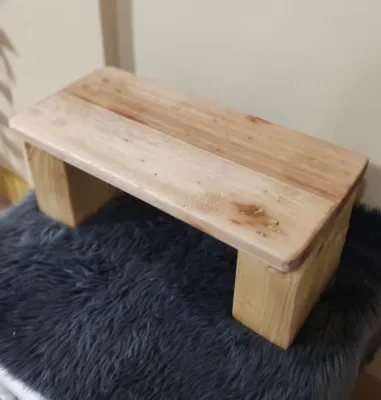
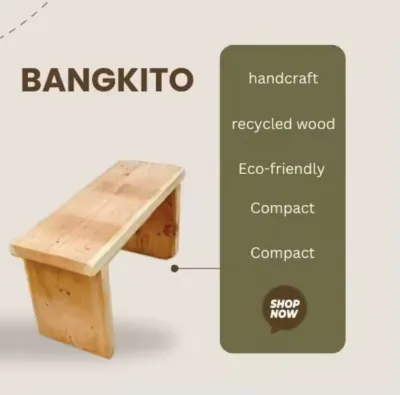
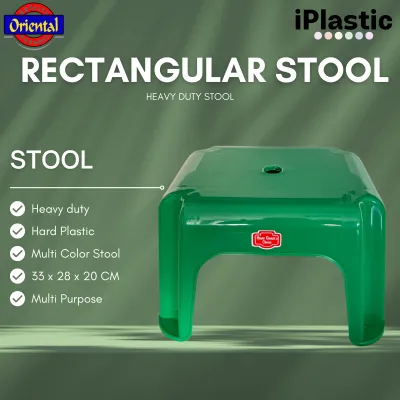
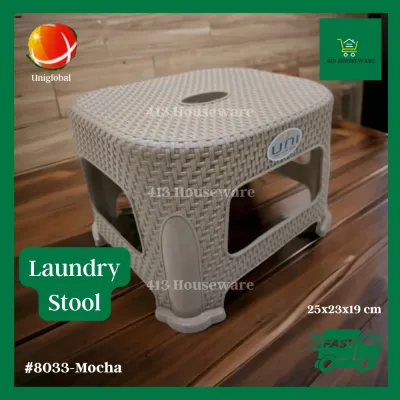
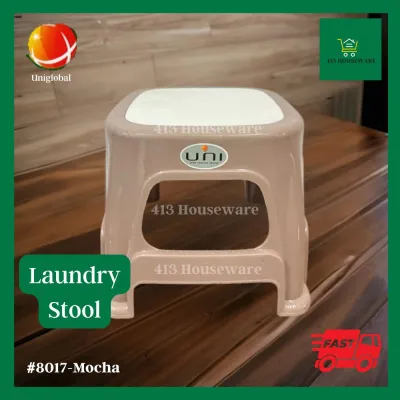
Prices are valid at publication and may change. Please refer to the product page for the latest price.
Ergonomic Must-Haves: Height, Footrest, and Back Support
Selecting a stool for a child’s study area requires a close look at ergonomic principles. Children’s bodies grow rapidly, meaning their seating must accommodate their current physical dimensions while promoting natural spinal alignment. A well-designed study stool does not simply provide a place to sit; it actively positions the child’s body to minimize muscular strain and maximize focus.
Getting the Height and Foot Support Right
The foundation of healthy sitting posture lies in how a child’s feet interact with the ground. Ergonomic guidelines dictate that a child’s feet should rest completely flat on the floor, with their knees bent at a comfortable 90-degree angle. This position distributes body weight evenly across the thighs and buttocks, reducing pressure points and maintaining healthy blood circulation.
When a child sits on a stool that is too high, their feet dangle in the air. This dangling creates a pinch point at the back of the thighs, compressing blood vessels and nerves. To relieve the resulting tingling or discomfort, the child will inevitably fidget, slouch forward, or sit cross-legged. These compensatory movements misalign the pelvis and place unnecessary stress on the lower back.
To find the correct seat height, you must measure your child’s lower leg length. Have the child sit on a flat surface with their knees bent at a right angle. Measure the distance from the back of their knee crease straight down to the floor. This measurement represents the ideal height for the bangkito’s seat. When shopping, compare this measurement against the product specifications provided by the manufacturer.
In many homes, a child’s study desk is inherited from older siblings or repurposed from standard adult furniture. If the desk is too high, pairing it with a correctly sized bangkito will leave the child struggling to reach the writing surface. Conversely, raising the stool height causes their feet to dangle. The solution is to use a high stool paired with a separate, sturdy footrest. The footrest must be wide enough to support both feet fully and heavy enough to prevent sliding during use. Avoid relying on the thin rungs of the stool as a footrest, as these do not provide sufficient surface area and can cause foot fatigue.
The Role of a Backrest in Posture
While a traditional backless bangkito is convenient for quick tasks, it is ill-suited for study sessions lasting longer than fifteen minutes. Without back support, the muscles along the spine must contract constantly to keep the torso upright. As these muscles tire, gravity takes over, causing the child to slump forward over their books or laptop.
An effective study stool features a dedicated backrest designed to support the lumbar region, which is the natural inward curve of the lower spine. The backrest does not need to be exceptionally tall; in fact, a backrest that reaches the shoulders can restrict upper-body movement and push the head too far forward. Instead, look for a mid-back or lower-back support that allows the shoulder blades to move freely while writing or typing.
When evaluating a bangkito with a backrest, pay close attention to how the backrest is attached to the seat base. It should be firmly anchored with robust joints or integrated directly into a single-molded frame. Flimsy, flexible backrests that bend excessively when leaned on do not provide adequate support and can alter the stool’s center of gravity, increasing the risk of a backward fall. A slight, supportive contour that matches the natural shape of a child’s back is highly preferable to a completely flat, rigid board.
Safety and Longevity: Stability, Weight Limits, and Materials
A child’s study area must be a safe zone. Because children are naturally active and prone to shifting their weight, leaning sideways, or reaching for supplies, the physical integrity of the study stool is paramount. Balancing stability with durable, climate-appropriate materials ensures the stool remains safe and functional throughout the school year.

Base Stability and Anti-Tip Design
The physical footprint of a bangkito determines how well it resists tipping over when a child moves. Stools with a narrow, vertical leg design have a small base of support, making them prone to tipping if the child leans too far to one side. To prevent accidents, look for a bangkito with splayed legs or a wider base footprint that extends slightly beyond the perimeter of the seat. This wider stance lowers the overall center of gravity and provides a highly stable foundation.
The type of flooring in your home also plays a critical role in stability. Many homes in the Philippines feature smooth ceramic tiles, polished concrete, or vinyl flooring. On these slick surfaces, a bare plastic or wooden stool leg can easily slide out from under a child as they sit down or stand up. Ensure the bangkito is equipped with high-quality, non-slip rubber or thermoplastic elastomer (TPE) caps on the feet. These caps grip the floor securely, preventing unexpected sliding while protecting your flooring from scratches.
Before finalizing your choice, always verify the manufacturer’s stated weight limit, which is typically found on the product label or packaging. Do not select a stool that barely accommodates your child’s current weight. Children grow rapidly, and they often sit down with significant force. Select a bangkito with a weight capacity that offers a generous safety margin—ideally at least 20 to 30 percent above your child’s current weight—to ensure long-term structural integrity.
Choosing Safe, Climate-Appropriate Materials
The tropical climate of the Philippines, characterized by high humidity and seasonal temperature shifts, directly impacts how furniture materials perform over time. When choosing between plastic and wood, consider how each material handles these environmental factors.
High-density molded plastics, such as polypropylene, are highly practical for busy households. They are completely impervious to humidity, will not warp or swell during the rainy season, and are incredibly easy to wipe clean after accidental ink spills or art projects. However, low-quality plastic can become brittle over time if exposed to direct sunlight from a nearby window. Ensure any plastic stool you select is made from heavy-duty, UV-stabilized polymer.
Solid wood bangkitos offer excellent weight and natural stability, preventing the stool from sliding or tipping easily. However, wood is a hygroscopic material, meaning it absorbs and releases moisture from the air. In humid conditions, poorly sealed wood can swell, causing joints to loosen, glue to fail, or mold to develop. If you choose a wooden stool, check that it has been treated with a high-quality, moisture-resistant sealant. Inspect the construction to ensure all joints are reinforced with screws or dowels rather than just simple adhesive.
Regardless of the material, safety details should never be overlooked. Run your hands over the entire surface of the stool to check for smooth, splinter-free sanding. All edges and corners must be rounded to prevent painful bumps or bruises. Finally, verify that any paints, varnishes, or plastic colorants used are certified non-toxic and lead-free, ensuring a safe breathing and tactile environment for your child.
How to Match the Bangkito to Your Child's Desk and Space
An ergonomic study stool is only effective if it integrates seamlessly with the existing desk and the available space in your home. A mismatch in dimensions can ruin the ergonomics of the setup, while a bulky design can clutter a small bedroom or shared living area.
To ensure a perfect fit, follow this step-by-step measurement process before purchasing:
- Step 1: Measure the Desk Clearance
Measure the vertical distance from the floor to the lowest point under the desk surface. This includes checking for any drawers, keyboard trays, or support beams that hang below the desktop. Your child’s thighs must have ample clearance to slide under these obstacles without rubbing or pinching.
- Step 2: Determine the Seat-to-Desk Drop
For a comfortable writing or typing posture, the distance between the top of the bangkito seat and the top of the desk should be approximately 20 to 25 centimeters. If the gap is too small, the child will be forced to slouch or hunch their shoulders. If the gap is too large, they will have to raise their shoulders and elbows awkwardly, leading to neck and shoulder tension.
- Step 3: Check the Width and Depth
Measure the horizontal clearance between the desk legs. The bangkito must be narrow enough to slide completely under the desk when the child is not studying. This is especially important in compact study corners, as it keeps walkways clear and protects the stool from being tripped over.
- Step 4: Assess the Backrest Height
If the bangkito features a backrest, measure its total height from the floor to the top of the back support. Check if this backrest can tuck neatly under the desk edge. If it cannot, ensure you have enough floor space behind the desk to accommodate the stool when it is pushed in as far as possible.
In smaller homes, space-saving features can make a significant difference. Lightweight frames allow children to move their own stools independently, encouraging them to take responsibility for their study space. If you have multiple children sharing a study area, look for stools that can be stacked or nested neatly in a corner when it is time to clear the room for play or other activities.
Frequently Asked Questions (FAQ)
Can a standard plastic bangkito be modified for studying?
Attempting to modify a basic, backless household plastic stool for daily studying is generally not recommended. Adding aftermarket cushions, strapped-on pillows, or DIY backrests often introduces safety hazards. These temporary additions can easily slip out of place, causing the child to lose balance. Furthermore, adding a high backrest to a lightweight stool that was not engineered for it shifts the center of gravity, making it highly susceptible to tipping backward when leaned on. For a safe and productive learning environment, it is far better to invest in a purpose-built study stool designed with integrated lumbar support and a stable, anti-tip base.
At what age should a child transition from a bangkito to a full study chair?
The transition from a study bangkito to a full-size ergonomic chair is determined by physical growth and study habits rather than a specific age milestone. You should consider upgrading when your child’s thighs extend significantly past the edge of the stool seat, or when their weight approaches the manufacturer’s recommended limit. Additionally, as academic workloads increase and study sessions extend beyond one to two hours, children require more comprehensive upper-body support, including adjustable armrests and full-back contact. If their feet can no longer rest flat on the floor while maintaining a proper relationship with the desk height, it is time to transition to an adjustable ergonomic study chair.
How do I clean and maintain a wooden bangkito in a humid climate?
Maintaining a wooden bangkito in a tropical, humid climate requires simple, consistent care to prevent warping and joint damage. For routine cleaning, wipe the wood surfaces with a slightly damp microfiber cloth to remove dust and pencil marks, then immediately follow with a dry, clean cloth to absorb any remaining moisture. Never soak the wood or use harsh chemical cleaners, as these can strip the protective sealant and cause the wood grain to swell. Every few months, perform a quick physical check of the stool. Inspect the joints for any wobbling or squeaking caused by seasonal humidity changes, and tighten any loose screws or hardware as needed. Always refer to the manufacturer’s specific care instructions for advice on long-term maintenance and refinishing.
Community discussion
Share your experience or ask a question. Comments are reviewed before publication.