
To bring the breezy, relaxing feel of a beach hammock into your home balcony or garden, you must focus on three core areas: structural compatibility, weather-resistant material specifications, and safety-tested hardware. Unlike temporary setups on a sandy shore, a home installation requires careful evaluation of permanent anchor points, local weather exposure like high tropical humidity, and the physical footprint of your outdoor space. By checking manufacturer labels and verifying your home’s structural limits, you can create a safe, durable oasis. Selecting the right hammock involves understanding how different designs interact with your available space and how various materials hold up against the elements over time.
Evaluate Your Space and Installation Options
In the Philippines, residential outdoor spaces vary widely, from compact high-rise balconies to spacious garden lawns. Before purchasing any beach hammock, measure the exact distance between your intended anchor points. Most hammocks require a specific clearance length—typically several feet longer than the hammock itself—to hang at a comfortable, safe angle. If you plan to use a freestanding stand, measure the total floor footprint of the frame to ensure it does not block essential pathways, doorway access, or balcony drainage ports.
Verifying structural integrity is a critical safety step. Never anchor a hammock to hollow concrete blocks, decorative railings, or thin wooden fence posts, as these materials cannot support the dynamic forces of a swinging adult. If you are drilling into concrete walls or pillars, consult your property management guidelines or local building rules first. Ensure you use heavy-duty expansion bolts designed for masonry, and verify that the structure itself is sound and free of deep cracks or moisture damage.
Products mentioned in this guide
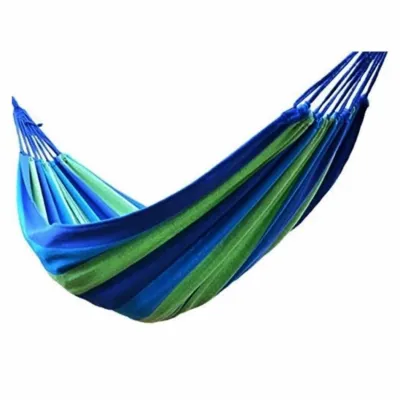
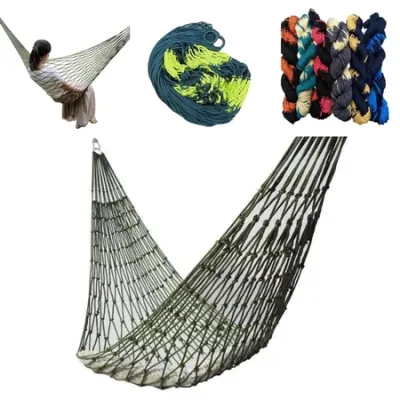
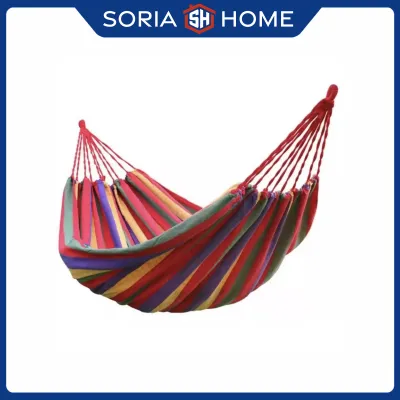
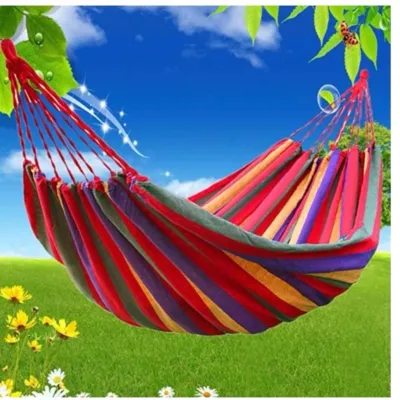
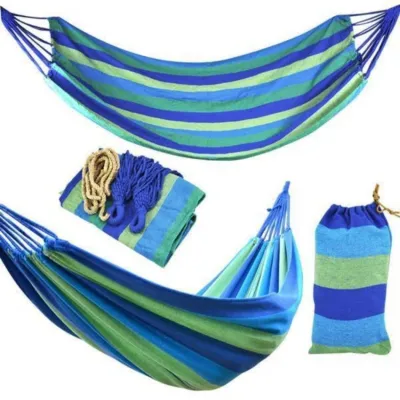
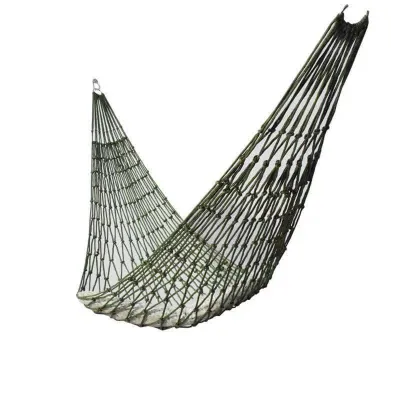

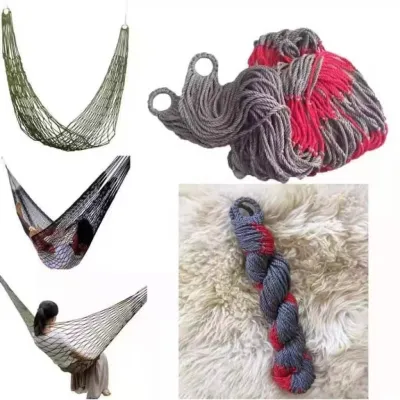
Prices are valid at publication and may change. Please refer to the product page for the latest price.
For renters or those with strict drilling restrictions, a freestanding frame is often the most practical choice. While a stand takes up more physical floor space on a balcony, it eliminates the need for permanent structural alterations and allows you to reposition your hammock to follow the shade. When choosing a stand, check its finished dimensions against your balcony’s layout to ensure you still have enough clearance to walk around it safely.
Check Material and Weather Resistance Labels
Tropical environments bring intense sun exposure, high humidity, and sudden heavy downpours. To ensure your beach hammock survives these conditions, look past generic material names and scrutinize the manufacturer’s product labels for specific weather-resistance ratings. Look for fabrics explicitly labeled as UV-resistant, which helps prevent the fibers from weakening and fading under harsh sunlight. Quick-drying and mold-resistant fabric treatments are equally vital, as they prevent moisture buildup and mildew growth during the rainy season.

The hardware supporting your hammock is just as vulnerable to the elements as the fabric. Inspect the product specifications for rust-proof coatings, marine-grade finishes, or stainless steel construction on all carabiners, chains, S-hooks, and wall mounts. Standard steel hardware can rust rapidly when exposed to humid air, which compromises both the aesthetic appeal and the structural safety of your setup.
Always review the manufacturer’s care instructions before making a purchase. High-quality outdoor hammocks should come with clear guidelines on how to wash, dry, and store the product. Some fabrics can be gently spot-cleaned with mild soap and water, while others may require complete removal for hand washing. Understanding these maintenance steps beforehand ensures you can easily protect your investment from long-term environmental wear.
Match Size, Comfort, and Weight Capacity to Your Needs
Selecting the right hammock involves balancing personal comfort with strict safety limits. Start by verifying the manufacturer’s stated maximum weight capacity, which is typically printed on the product tag or packaging. This limit must comfortably accommodate the heaviest intended user, plus a safety margin. Never guess or exceed this rating, as overloading can lead to sudden fabric failure or hardware breakage.
Next, consider the width of the hammock. Single hammocks are compact and ideal for tight balcony spaces, offering a snug, secure feel. Double hammocks provide extra fabric width, allowing you to lie diagonally—the most ergonomic way to rest in a hammock—or share the space with a family member. However, double hammocks require wider clearance and a higher suspension height, so verify that your garden or balcony can accommodate the larger physical footprint.
The structural design of the hammock also dictates how it behaves. Spreader bar hammocks use wooden or metal bars at each end to keep the fabric flat and taut, mimicking a floating bed. While this design makes it easy to get in and out and keeps your view unobstructed, it has a higher center of gravity and a greater risk of tipping if you shift your weight off-center. Gathered-end hammocks, on the other hand, lack spreader bars and wrap around you like a cocoon. This design is highly stable and requires less flat storage space, but it can feel restrictive to some users and requires a deeper sag when hung.
Perform Routine Safety and Maintenance Checks
Even the most durable outdoor furniture requires regular inspection to remain safe. Establish a routine of performing quick visual checks before every single use. Inspect the suspension ropes, tree straps, and fabric seams for any signs of fraying, thinning, or loose stitching. Check metal hardware for rust, cracks, or bending, and feel the fabric to ensure it has not become brittle or powdery from UV degradation.
In regions prone to severe weather, typhoons, or high winds, proactive care is essential. Follow the manufacturer’s guidelines for taking down and storing your hammock during storms or when you plan to leave it unused for extended periods. Storing the fabric in a dry, well-ventilated indoor space during the wettest months will significantly extend its lifespan and preserve its structural integrity.
If you detect any signs of structural damage, excessive wear, or compromised hardware during your inspections, stop using the hammock immediately. Do not attempt temporary or unapproved repairs with standard household ropes. Instead, consult the manufacturer or a qualified professional to source certified replacement parts, ensuring your outdoor relaxation spot remains completely secure.
Frequently Asked Questions (FAQ)
Can I leave my beach hammock outside all year round?
Whether you can leave your hammock outdoors continuously depends entirely on the manufacturer’s specific weather-resistance claims and care instructions. Even highly durable outdoor fabrics will degrade faster under constant exposure to intense tropical sun and heavy rain. To prevent premature wear, fading, and mold, it is highly recommended to take the hammock down during severe storms and store it indoors when it will not be used for an extended period.
Do I need a special stand for a beach hammock on a concrete balcony?
Yes, a freestanding hammock stand is highly recommended if your concrete balcony lacks structural anchor points or if property management rules prohibit drilling into walls and pillars. When selecting a stand, always check its finished dimensions and total footprint against your balcony’s physical layout to ensure it fits comfortably. Additionally, verify that the combined weight of the stand, the hammock, and the user does not exceed the safe load limits of your balcony structure.
Community discussion
Share your experience or ask a question. Comments are reviewed before publication.