
A high-quality foldable kids chair is an excellent space-saving solution for a home study corner, especially when balancing limited floor space with the physical needs of a growing child. To find the right model, you must prioritize ergonomic backrest support, robust safety locks that prevent accidental pinches, and climate-resilient materials that can withstand tropical humidity. Selecting the ideal chair requires looking beyond aesthetics to evaluate structural integrity, weight limits, and how easily the unit can be stored when not in use.
Core Features to Evaluate Before Buying a Foldable Kids Chair
The primary purpose of a study chair is to support comfortable, focused learning. When evaluating a foldable kids chair, pay close attention to the angle of the backrest and the depth of the seat. A backrest with a slight natural curve helps maintain proper spinal alignment, preventing slouching during writing or reading tasks. The seat depth should allow your child to sit all the way back with their feet flat on the floor, leaving a small gap between the back of their knees and the front edge of the seat. If the seat is too deep, the child will slide forward, losing lumbar support and placing unnecessary strain on their lower back. For standard study desks that typically measure 70 to 75 centimeters in height, ensure the chair’s seat height aligns so your child’s elbows rest comfortably on the desk surface at a 90-degree angle.
Foldable furniture inherently introduces moving joints, which require careful safety checks. Look for models equipped with pinch-free folding hinges designed to keep small fingers safe during setup and packing. A reliable, manual locking pin or automatic safety latch is essential; this mechanism ensures the frame remains locked open even if the child shifts their weight or moves around actively. Additionally, the legs must be fitted with high-quality, non-slip rubber or silicone foot caps. These caps prevent the chair from sliding on smooth ceramic tiles or polished wood floors common in homes in the Philippines, reducing the risk of sudden slips.
Products mentioned in this guide
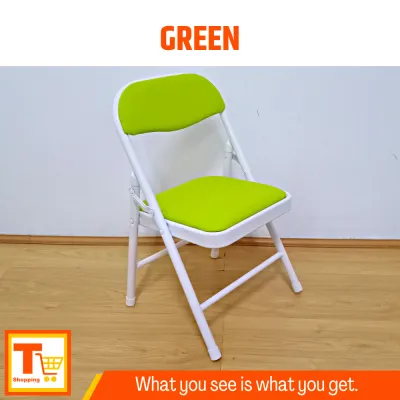

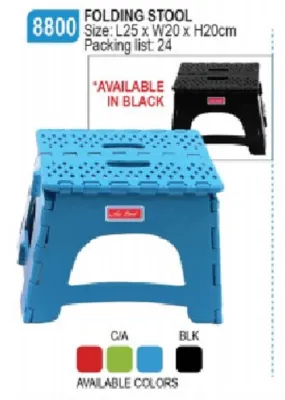

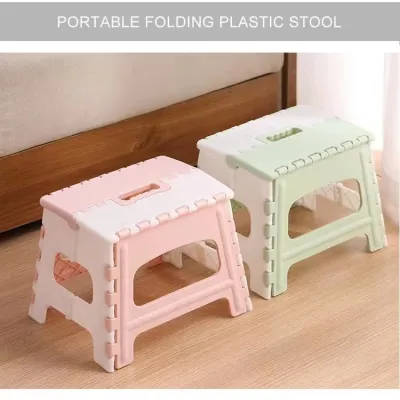
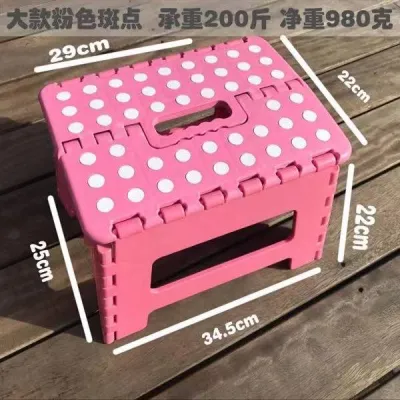
Prices are valid at publication and may change. Please refer to the product page for the latest price.
The tropical climate presents unique challenges for furniture longevity. High humidity levels can accelerate rust on metal frames and encourage mold growth on porous materials. When shopping, prioritize frames treated with rust-resistant powder coatings or protective sealants. If the chair features metal screws or brackets, verify that these components are zinc-plated or stainless steel. For the seat and backrest, look for easy-to-clean, moisture-resistant surfaces that can be wiped down quickly after spills or humid afternoons.
It is a common misconception that simply choosing a specific material, such as solid wood or heavy-duty plastic, guarantees long-term durability. In reality, the overall lifespan of a foldable chair depends on the quality of its joints, the thickness of its frame, and how well it is maintained. Always check the manufacturer’s care instructions and the structural weight limits printed on the product label. Never exceed these specified limits, as foldable frames are engineered to distribute weight across specific stress points that can fail under excessive loads. While basic plastic folding models are highly affordable, often starting under ₱1,000, specialized ergonomic or adjustable models may represent a higher initial investment but offer greater longevity.
Recommended Foldable Chair Configurations for Different Study Setups
Selecting the right configuration involves evaluating your home’s layout, the size of the study desk, and how often the study corner needs to be cleared. Since children grow rapidly, the chair must also align with their physical development.

Adjustable Height Configurations for Growing Kids
Adjustable foldable chairs are highly practical as a long-term investment. They are particularly useful for families with multiple children of different ages who share a single study desk, or for a single child navigating rapid growth spurts. By adjusting the seat height or the integrated footrest, you can ensure that the child’s feet do not dangle, which is crucial for maintaining proper circulation and pelvic alignment during study sessions.
Because adjustable models rely on movable pegs, slots, or clamping mechanisms, you must inspect these locking systems thoroughly. Before allowing your child to sit, verify that the height-adjustment clamps lock tightly into place and do not slip under downward pressure. Test the chair at its maximum height setting to ensure it remains completely stable and wobble-free. Any lateral swaying or loose joints at higher settings can compromise safety and distract your child during study sessions.
While highly versatile, adjustable foldable chairs come with specific trade-offs. The hardware required for height adjustments often makes these chairs heavier and more complex to fold. When collapsed, they tend to be bulkier than standard, fixed-size folding chairs, meaning they will require a wider storage gap or a dedicated storage closet rather than a slim space behind a door.
Compact and Lightweight Configurations for Small Spaces
If your child’s study corner is set up in a multi-purpose living room, a shared bedroom, or a compact condominium, space optimization is key. A compact, lightweight folding chair is perfect for setups where the study area must be packed away entirely at the end of the day. These models are designed to fold exceptionally flat, allowing you to slide them into narrow gaps between wardrobes, store them under a bed, or hang them securely on heavy-duty wall hooks.
When evaluating these models, measure the folded thickness and height to ensure they fit your intended storage niche. Look for chairs featuring integrated carry handles molded into the backrest or frame. A well-placed handle makes it much easier for you, or an older child, to carry the chair safely from the storage area to the desk without dragging the legs across the floor or dropping the unit.
The primary trade-off for an ultra-lightweight design is structural capacity. To keep the weight low, manufacturers often use thinner metal tubing or hollow plastic components. Consequently, these models typically have lower maximum weight capacities than their heavier, adjustable counterparts. It is critical to adhere strictly to the manufacturer’s weight guidelines to prevent the frame from buckling over time.
Comparing Materials and Folding Mechanisms for Humid Climates
To help you make an informed decision, the table below compares common material choices and structural designs, focusing on how they perform in warm, humid environments.
| Configuration Type | Pros | Cons | Best Use Case | Humid Climate Maintenance Check |
|---|---|---|---|---|
| Molded Plastic with X-Frame | Highly water-resistant, lightweight, easy to wipe clean | Can feel hot during long sessions, prone to static | Active kids, high-spill environments, multi-purpose rooms | Wipe down weekly to prevent dust buildup in joint crevices |
| Padded Fabric with Flat-Fold | Comfortable cushioning, warm feel, good aesthetic appeal | Absorbs sweat and spills, prone to mold if damp | Older children, air-conditioned study rooms | Inspect fabric seams for dampness; use washable, removable covers |
| Solid Wood with Flip-Up Seat | Excellent stability, classic look, highly durable | Heavy to carry, susceptible to moisture damage if unfinished | Dedicated study corners, traditional home decors | Check wood sealant annually; wipe dry immediately after spills |
Molded plastic is exceptionally practical for younger children because it resists water, ink, and food spills. However, in a humid climate, plastic surfaces can cause sweating if the room lacks air conditioning. Padded fabric offers superior comfort but acts like a sponge for humidity and perspiration. If you choose a padded option, look for breathable mesh fabrics or check the label for removable, machine-washable covers. Solid wood provides a sturdy, premium feel, but must be treated with a high-quality, non-toxic sealant to prevent warping or mold growth in tropical conditions.
The classic X-frame design is incredibly robust and simple to operate, but it can sometimes have a larger storage footprint. Flat-fold designs collapse into a completely straight profile, making them ideal for tight spaces, though they may require more effort to unfold. Flip-up seats are incredibly quick to deploy but often have more exposed joints. Regardless of the design, always inspect the metal joints and hinges for protective, rust-preventive finishes. Ensure all moving parts operate smoothly without grinding, which can indicate premature wear or rust.
Safety Checks and Space Planning for the Study Corner
Before purchasing any folding furniture, you must measure your available floor space and compare it with the chair’s open dimensions. Ensure there is at least 60 to 75 centimeters of clear space behind the study desk. This clearance allows your child to slide the chair back comfortably to sit down or stand up, and ensures they can exit the study corner quickly in an emergency. Never crowd the chair against walls or heavy furniture, as this can lead to tipped chairs or bumped elbows.
Establish a simple routine to maintain a safe study environment. Before your child sits down, perform a quick visual check to ensure the folding locks or safety pins are fully engaged. Periodically inspect the chair for loose screws, worn rivets, or cracked plastic joints. Avoid placing the foldable chair in high-traffic walkways, directly behind opening doors, or on uneven surfaces like thick rugs that could cause the chair to tilt or wobble.
Always cross-reference your child’s current weight and height with the recommended age range and maximum weight capacity printed on the product label. Children grow quickly, and a chair that was safe last year may now be too small or structurally strained. Remember that these limits are calculated based on static weight; active children who wiggle, lean back on two legs, or jump onto the seat put significantly more stress on the frame than the static limit accounts for.
Foldable chairs are subject to constant mechanical stress from being opened and closed. If you notice any signs of structural fatigue—such as bent metal frames, hairline cracks in plastic joints, loose hinges that cannot be tightened, or safety latches that fail to click into place—retire the chair immediately. Do not attempt to repair structural or mechanical failures at home with makeshift screws or tape, as these temporary fixes can fail unexpectedly and cause injury.
Frequently Asked Questions (FAQ)
At what age is it safe for a child to fold and unfold their own chair?
This depends largely on your child’s fine motor skills, physical strength, and the specific folding mechanism of the chair. Generally, children aged eight and older can safely manage simple folding chairs under initial supervision. For younger children, look for chairs equipped with slow-close hinges or one-handed release levers designed to prevent sudden snapping, and always guide them on where to place their hands to avoid pinch points.
How do I prevent mold on a padded foldable chair in a humid climate?
To prevent mold growth, ensure the study corner has adequate ventilation, keeping the chair away from damp walls or uninsulated windows. If your child sweats during study sessions or spills a drink, wipe the chair down immediately and let it dry completely in a well-ventilated area before folding it. Always check the manufacturer’s care label for removable, washable covers, and avoid storing the chair in a dark, enclosed closet while it is still damp.
Can a foldable kids chair replace a dedicated ergonomic desk chair for long study sessions?
While a high-quality foldable chair is excellent for homework, reading, or short study sessions, it generally lacks the advanced lumbar support, adjustable armrests, and seat-tilt tension of a dedicated ergonomic task chair. If your child spends several hours at their desk, a foldable chair may lead to physical fatigue over time. To mitigate this during extended study periods, encourage your child to take standing and stretching breaks every 30 to 45 minutes.
Community discussion
Share your experience or ask a question. Comments are reviewed before publication.