
Creating a dedicated study corner for your child is one of the most effective ways to encourage focus, independence, and healthy learning habits. However, a desk is only as good as the seat paired with it. When children sit on ill-fitting chairs, they quickly resort to slouching, fidgeting, and leaning forward, which leads to physical fatigue and a lack of concentration during homework sessions.
In many homes, space is at a premium, making large, bulky office chairs impractical for a compact bedroom or a shared living area. A specialized small chair stool offers an excellent alternative, providing a minimal footprint while keeping the child engaged and comfortable. Choosing the right stool requires balancing ergonomic support, structural safety, and climate-appropriate materials to ensure it serves your child’s developmental needs.
Ergonomic Fit: Adjusting Your Small Chair Stool for Growing Kids
Children grow at a rapid pace, meaning a seat that fits perfectly today might cause discomfort in just a few months. Prioritizing ergonomics when selecting a small chair stool ensures that your child maintains a healthy posture, protecting their developing spine and reducing physical strain during daily study routines.
Products mentioned in this guide
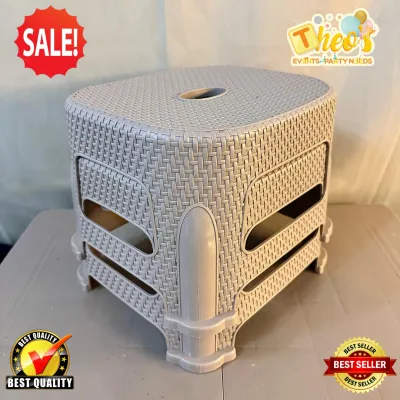
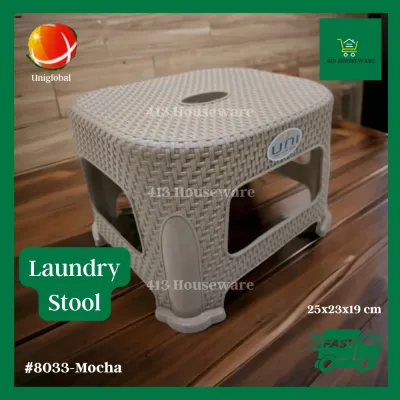
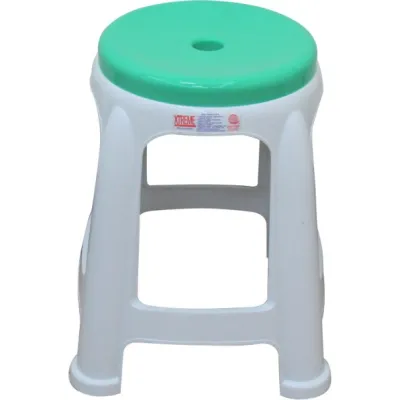
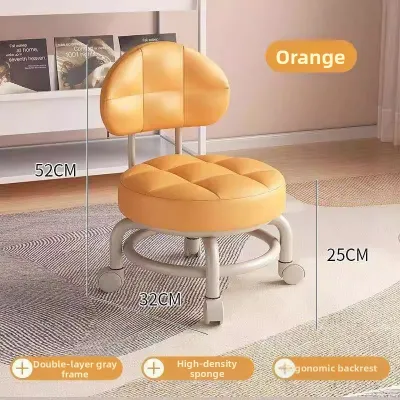
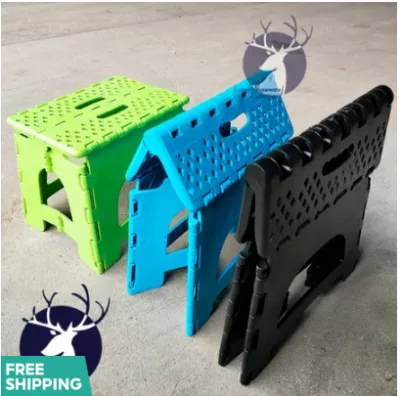
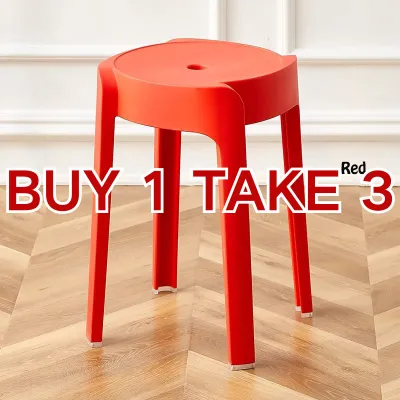
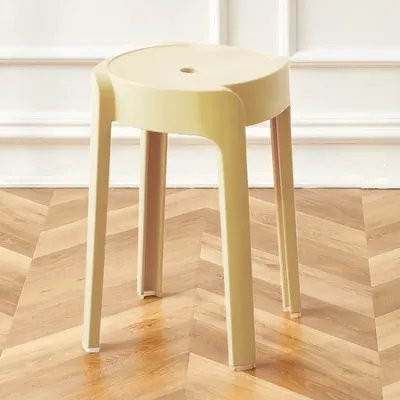
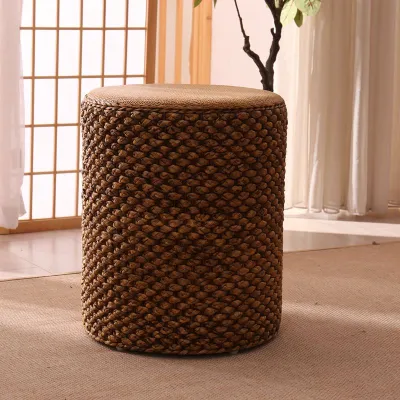
Prices are valid at publication and may change. Please refer to the product page for the latest price.
Evaluating Seat Height and Adjustability
To determine if a stool is the correct height for your child, you should observe them while they are seated. The primary anatomical guideline to follow is the “90-degree rule.” When sitting fully on the seat, your child’s feet must rest flat on the floor, and their knees should bend at a clean 90-degree angle, with their thighs parallel to the ground. If their feet dangle, it places unnecessary pressure on the back of their thighs, restricting circulation; if their knees are bent too sharply, it strains their lower joints.
Adjustable-height stools are highly advantageous because they adapt to your child’s growth spurts and can be paired with different desks over time. When shopping, always check the manufacturer’s minimum and maximum seat height specifications. Compare these measurements against your child’s popliteal height (the distance from the underside of the knee to the floor) to guarantee a precise fit now and in the future. If you opt for a fixed-height stool, ensure you measure both the desk height and the child’s leg length beforehand to avoid a mismatched setup.
Backrest vs. Backless: Choosing the Right Support
Deciding between a stool with a backrest and a backless design depends heavily on your child’s study habits and the tasks they perform. A small chair stool equipped with a low backrest provides essential lumbar support, which is highly beneficial during longer, focused reading or writing sessions. The backrest helps prevent the child from slumping backward as muscle fatigue sets in after thirty to forty minutes of continuous work.
Conversely, backless stools serve a distinct, active purpose. They are excellent for shorter, highly dynamic activities such as crafting, drawing, or quick homework tasks. Sitting on a backless stool encourages active sitting, which naturally engages the child’s core muscles and promotes better self-regulation and movement. If your child tends to fidget or prefers to move around frequently, a backless design can channel that energy productively, provided their study sessions are broken up with regular standing breaks.
Material Choices for Durability and Comfort in Humid Climates
The tropical climate of the Philippines introduces unique challenges for home furniture, particularly items used daily by active children. High humidity and warm temperatures can make certain materials sticky, uncomfortable, or prone to rapid wear, making material selection a critical decision point.

Breathable and Easy-to-Clean Surfaces
In warm, humid environments, heavy upholstery and dense synthetic leathers can trap body heat, leading to sweating and discomfort. To prevent your child from feeling sticky and distracted, look for stools featuring breathable materials, such as high-tension mesh backrests or ventilated plastic seats. These designs allow air to circulate freely, keeping the child cool even during afternoon study sessions.
Additionally, a child’s study corner is highly susceptible to spills, pencil marks, and watercolor stains. It is wise to prioritize wipeable surfaces that can be cleaned quickly with a damp cloth. Check product descriptions for stain-resistant finishes on wood or high-density polyethylene (HDPE) plastics. Avoid untreated fabrics that absorb liquids quickly, as they can harbor moisture and develop mold or mildew in humid tropical conditions.
Frame Strength and Weight Capacity
An active child will not sit perfectly still; they will lean, twist, and occasionally climb onto their seat. Therefore, you must verify the manufacturer’s stated weight capacity rather than making assumptions based on the stool’s visual size. A compact stool may look delicate but can possess a high load rating if constructed with quality materials.
Look for frames made of robust materials such as powder-coated steel or solid hardwoods like rubberwood, which resist warping in humid conditions. Examine the joint construction carefully; reinforced metal brackets or deep wood dowels provide much greater stability than simple glue-and-screw joints. A sturdy frame ensures the stool remains stable and safe for years, even under the stress of daily physical movement.
Safety and Stability: Preventing Tips and Slips
Safety is the most critical factor when choosing furniture for children. Because children frequently shift their center of gravity while reaching for books, pencils, or devices, a study stool must remain firmly anchored to the floor to prevent accidents.
- Wide Base Design: A safe small chair stool should feature a wide, stable base that is slightly wider than the seat itself. This structural design lowers the center of gravity, making it incredibly difficult for the stool to tip over when a child leans over the edge of the seat. Avoid stools with highly tapered or narrow legs, as they pose a high risk of tipping.
- Anti-Slip Foot Caps: Most homes in the Philippines feature hard flooring surfaces like ceramic tile, polished concrete, or smooth vinyl. To prevent the stool from sliding backward when a child sits down or stands up, ensure the legs are fitted with durable rubberized or non-marking thermoplastic elastomer (TPE) foot caps. These caps provide essential friction, keeping the stool securely in place while protecting your floors from scratches.
- Rounded Edges and Enclosed Hardware: Carefully inspect the physical build of the stool for any sharp corners or exposed screws. Children's furniture should feature rounded edges (often referred to as radiused corners) to minimize the impact of accidental bumps. Furthermore, any height-adjustment levers, gas lifts, or assembly hardware must be fully enclosed or recessed to prevent skin pinches or snagged clothing.
Before allowing your child to use a new stool unsupervised, perform a quick physical stability test. Place the stool on your study corner floor and apply firm downward pressure to the outer edges of the seat. If the stool wobbles or lifts easily on the opposite side, it may not be stable enough for an active child.
Maximizing Space: Footprint and Storage Features
Many family homes require study areas to be integrated into existing spaces, such as a corner of the master bedroom, a shared living room, or a dining area. Managing the physical footprint of the furniture is essential to keep these spaces organized and walkable.
- Tuck-Away Dimensions: Before purchasing a stool, measure the clear width and height beneath your child's study desk. Ideally, the small chair stool should be compact enough to slide completely underneath the desk when your child is finished studying. This tuck-away ability instantly clears the walkway, preventing tripping hazards in tight hallways or small bedrooms.
- Stackability and Portability: If the study corner is located in a multi-purpose room, consider lightweight stools that are easy for either you or your child to carry. Some wood and plastic stools are designed to be stackable, allowing you to store multiple seats in a corner or closet when the floor needs to be cleared for playtime or cleaning.
- Visual Lightness: Stools with slim metal legs or open-frame designs create a sense of visual openness. In small rooms, bulky, solid-sided chairs can make the space feel cramped and dark. A stool with a clean, open silhouette allows light to pass through, keeping the room looking spacious and tidy.
How to Verify the Desk-and-Stool Match at Home
Once you have selected a stool, it is vital to test the complete setup at home to ensure perfect synergy between the seat, the desk, and your child’s physical frame.
First, have your child sit fully on the stool, pulling them close to the desk surface. Place their standard study materials—such as an open textbook, a notebook, or a tablet—directly in front of them. Observe their shoulder posture: their forearms should rest comfortably on the desktop at a roughly 90-degree angle without requiring them to shrug their shoulders upward or hunch their back downward to reach the surface.
Next, check their line of sight. Their eyes should naturally target the center of their reading material or screen without excessive neck bending. If the desk is slightly too high for the child to maintain this posture while keeping their feet flat on the floor, do not compromise on their foot support. Instead, keep the stool adjusted to the desk’s height and introduce a dedicated kids’ footrest to support their feet at the correct angle. If the mismatch is extreme and cannot be corrected with adjustments or footrests, it may be necessary to transition to a fully adjustable ergonomic desk or a highly customizable task chair.
Frequently Asked Questions (FAQ)
Can a backless stool cause back pain in children?
A backless stool itself does not cause back pain, but prolonged, uninterrupted use can lead to muscle fatigue and subsequent slouching. These stools are designed to encourage active sitting and core engagement, which is highly beneficial for physical development. However, because a child’s core muscles tire more quickly than an adult’s, backless stools are best suited for shorter study blocks, creative crafts, or quick tasks. For multi-hour study sessions, it is highly recommended to alternate between a backless stool and a supportive chair, or to encourage your child to stand up and stretch every twenty to thirty minutes.
At what age should a child transition from a stool to a full study chair?
There is no strict age number for this transition; instead, it depends on your child’s physical size, their daily study duration, and the nature of their schoolwork. Generally, when a child transitions from early primary school to middle school—where homework sessions extend beyond an hour and involve significant computer use—they require more robust, continuous ergonomic support. If your child is spending consecutive hours at their desk, upgrading to a fully adjustable ergonomic study chair with dedicated lumbar support, armrests, and a high backrest is ideal to prevent strain and support their rapid physical growth.

Community discussion
Share your experience or ask a question. Comments are reviewed before publication.