
A TV stand with glass display shelves serves a dual purpose: it supports your television while showcasing your prized collectibles, glassware, or decorative items. To find the right unit, you must look for features that balance structural integrity, glass safety, dust protection, and spatial compatibility. In tropical climates like the Philippines, where high humidity and airborne dust are daily realities, choosing the right materials and design elements is essential to protect both your electronics and your fragile displays.
If you are searching for a stante for display glass to elevate your living room, focusing on specific technical details will ensure your furniture is both beautiful and safe. From the type of glass used to the stability of the frame, every feature plays a critical role in the longevity of your setup.
Assessing Structural Stability and Weight Capacity
The foundation of any high-quality entertainment unit is its structural stability. Before purchasing, you must verify the manufacturer’s maximum weight capacity for both the overall unit and the individual glass shelves. A television, media players, gaming consoles, and heavy glass or ceramic collectibles can quickly add up to a substantial load. Ensuring the frame can handle this weight without bowing or shaking is the first step in preventing costly accidents.
Products mentioned in this guide
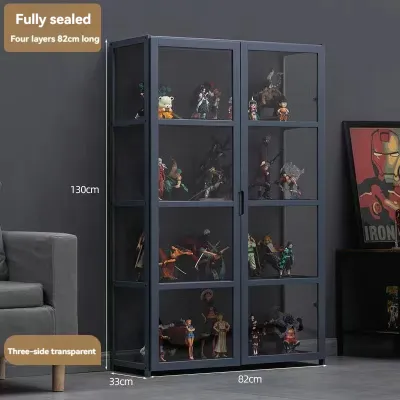
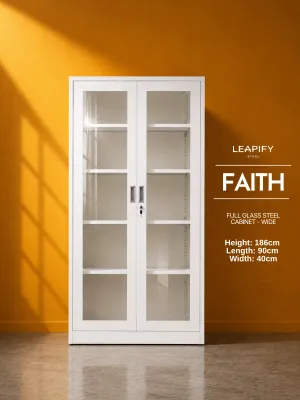

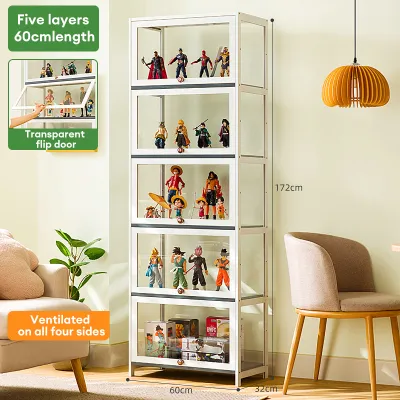
Prices are valid at publication and may change. Please refer to the product page for the latest price.
The choice of frame material directly impacts the stand’s durability, especially in humid environments. Solid wood, powder-coated steel, and high-grade engineered wood with moisture-resistant laminates are excellent choices. In contrast, low-grade particle board can absorb moisture from the air over time, leading to sagging and structural weakness that could compromise the glass shelves. Look for a design with a wide, stable footprint and robust legs that distribute weight evenly across your floor.
Safety is paramount, particularly in households with children, pets, or high foot traffic. You should always check if the TV stand includes anti-tip hardware or wall-anchoring kits. Anchoring the unit to the wall prevents it from tipping forward if someone accidentally bumps into it or attempts to climb it. Additionally, look for adjustable leveling feet on the base of the stand. These allow you to compensate for uneven tile, stone, or concrete floors, ensuring the entire structure remains perfectly level and wobble-free.
Evaluating Glass Shelf Specifications and Safety
When displaying fragile or heavy items, the specifications of the glass shelves themselves are critical. You must confirm that the shelves are made of tempered or toughened glass rather than standard annealed glass. Tempered glass undergoes a thermal heating and rapid cooling process that makes it significantly stronger and more impact-resistant. In the rare event that it does break, tempered glass fractures into small, relatively harmless granular pieces instead of sharp, jagged shards.

The thickness of the glass is another vital specification to check. For displaying lightweight decorative items, a thickness of 5mm may suffice, but for heavier glassware, books, or ceramic plates, look for shelves that are at least 6mm to 8mm thick. Thicker glass offers greater resistance to bending under static loads and provides peace of mind when arranging your display.
Pay close attention to how the glass edges are finished. High-quality TV stands feature polished, beveled, or rounded edges. These treatments smooth out the sharp cut lines of the glass, reducing the risk of accidental cuts during cleaning and making the edges less prone to chipping when items are placed on them.
Finally, examine the shelf support mechanisms. Avoid stands that rely on simple plastic pegs, which can degrade or slip over time. Instead, look for metal brackets, threaded support pins, or supports equipped with rubber suction cups. These components grip the glass securely, dampening vibrations from nearby footsteps or subwoofers and preventing the shelves from sliding out of place.
Checking Lighting, Visibility, and Dust Protection
An effective display stand does more than just hold items; it highlights them. Built-in LED lighting is a highly desirable feature for showcasing glass collectibles, as light refracts beautifully through glassware and crystal. When evaluating lighting options, consider the color temperature and placement of the fixtures. Soft, warm white or neutral white LEDs create an inviting glow without producing harsh glare on your television screen during movie nights.
Dust accumulation is a common challenge in many homes, particularly in open-plan living spaces or areas close to busy streets. To keep your collectibles pristine, look for TV stands with enclosed cabinet sections or glass doors. Tempered glass doors protect your delicate items from dust, pet dander, and accidental bumps while keeping them fully visible. Magnetic door catches or soft-close hinges add a premium feel and prevent the doors from slamming, which could vibrate the shelves.
If your entertainment center will be positioned near a window or in a sunlit room, consider UV-resistant glass or tinted glass doors. Prolonged exposure to direct sunlight can fade or discolor non-glass items displayed alongside your glassware, such as books, photos, or painted figurines. Tinted glass also adds a sleek, modern aesthetic to your living room.
Lastly, consider the ease of maintenance. Glass surfaces show fingerprints, dust, and smudges easily. Choose a design that allows easy physical access to all areas of the shelves, making regular wiping and dusting a quick, hassle-free task.
Verifying Dimensions, Adjustability, and Space Fit
Before making a final decision, you must ensure the TV stand fits your physical space and accommodates your specific media equipment. Start by measuring the overall width, depth, and height of the designated wall space. The TV stand should be wider than your television to provide a balanced look and prevent the edges of the TV from overhang, which increases the risk of accidental bumps.
Adjustability is key to a versatile display. Look for TV stands that feature adjustable shelf heights. This flexibility allows you to customize the interior layout to accommodate tall vases, trophies, or stacked glassware, ensuring you do not waste vertical space. It also allows you to adapt the display as your collection changes over time.
Proper clearance and cable management are essential for both safety and aesthetics. Ensure there is sufficient clearance between the top of the TV stand and the bottom of any wall-mounted components. If your media players or gaming consoles share space near the display shelves, verify that the unit has dedicated cable routing holes. Keeping cords organized and tucked away prevents them from tangling with your glass displays or creating a cluttered appearance behind the glass.
Finally, assess the depth of the glass shelves. The shelves must be deep enough to fully support the base of your largest display pieces. Any overhang is a severe safety hazard, as a slight nudge could cause the item to fall. Measuring your largest collectibles beforehand will help you verify that the shelf depth is adequate for your needs.
Frequently Asked Questions (FAQ)
How do I clean glass display shelves without leaving streaks?
To clean glass display shelves effectively, always remove all delicate items from the shelves first to prevent accidental knocks. Use a clean, lint-free microfiber cloth and a gentle, ammonia-free glass cleaner. Spray the cleaner directly onto the cloth rather than the glass to prevent liquid from pooling in the corners or seeping into the wooden frame. Wipe the glass in a consistent Z-shaped pattern, then use a dry section of the microfiber cloth to buff away any remaining moisture for a streak-free finish.
Can I add aftermarket LED lights to a TV stand without built-in lighting?
Yes, you can easily add aftermarket lighting to a TV stand. Low-voltage LED strip lights or battery-operated puck lights with adhesive backings are excellent, non-destructive options. When installing them, place the lights near the front underside of each shelf facing downward or along the back frame to create a soft backlight. Ensure you plan the cable routing carefully, using adhesive cable clips to hide the wires along the back of the stand’s frame for a clean, professional look.
Community discussion
Share your experience or ask a question. Comments are reviewed before publication.