
Storing shoes in the Philippines presents a unique set of challenges, primarily driven by the intense tropical climate. With heavy monsoon rains during the wet season and high relative humidity year-round, standard indoor shoe storage can quickly become a breeding ground for mold, mildew, and unpleasant odors. To protect your footwear investment and ensure your storage furniture lasts, a waterproof shoe rack must offer more than just a water-resistant label. It requires a combination of moisture-impermeable materials, rust-resistant hardware, and a structural design that actively promotes airflow to dry damp soles quickly.
Understanding the Climate Challenges for Shoe Storage
The combination of high ambient humidity and sudden tropical downpours creates a harsh environment for household furniture. When you walk inside after a heavy rain, your shoes carry in water, mud, and street debris. If these shoes are immediately placed on an enclosed or non-breathable shelf, the trapped moisture has nowhere to go, leading to rapid mold colonization on leather, canvas, and even synthetic materials. This mold not only ruins the appearance of your shoes but can also cause permanent structural damage to the fibers and adhesives holding them together.
Furthermore, the constant fluctuation between hot, humid afternoons and cooler, rainy evenings causes materials to expand and contract. This cycle can weaken structural joints, warp unsealed wood, and cause cheap laminates to peel away from their core. Metal components that are not properly treated will quickly begin to oxidize, leading to unsightly rust stains on your floors and footwear. Understanding these environmental stressors is the first step in selecting a storage solution that can withstand the local climate.
Products mentioned in this guide
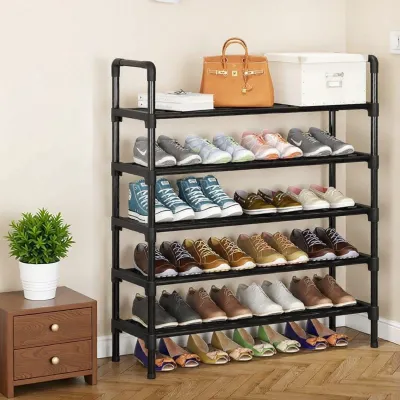
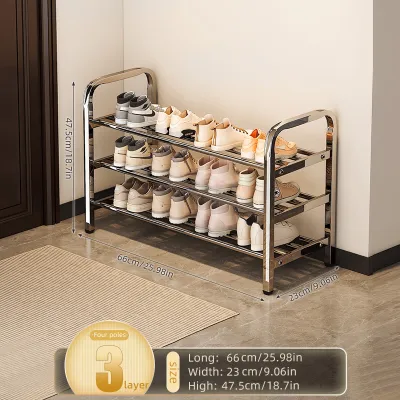
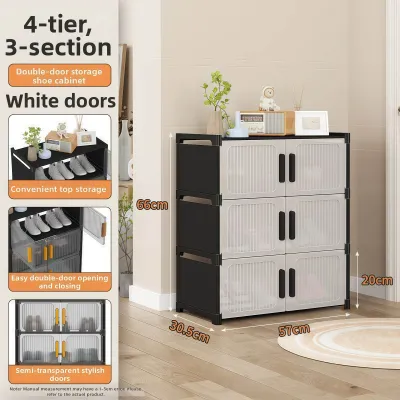
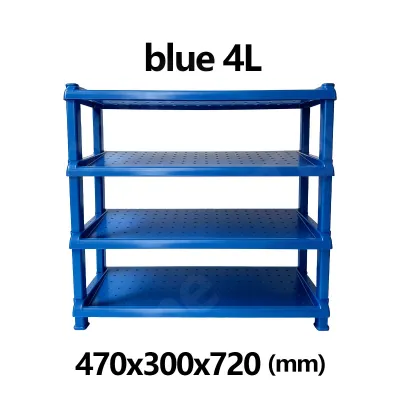
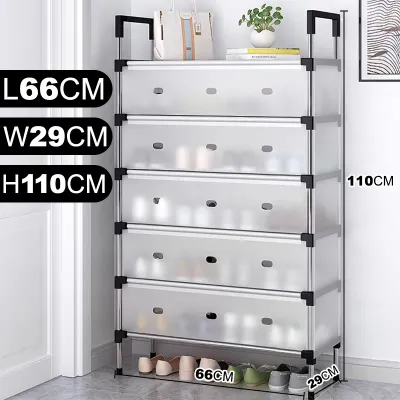
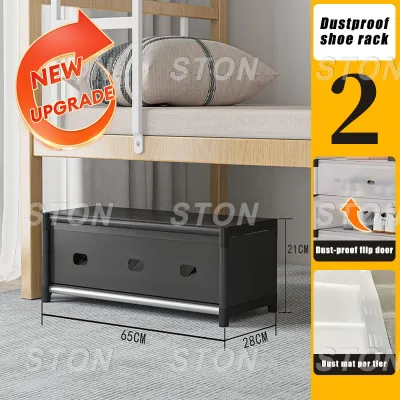
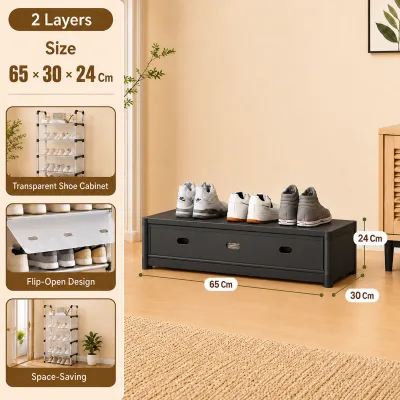
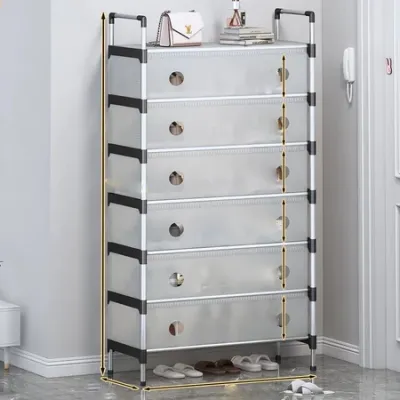
Prices are valid at publication and may change. Please refer to the product page for the latest price.
Essential Material and Finish Features to Check
When shopping for a waterproof shoe rack, you cannot rely solely on generic material names like “wood” or “metal.” Instead, you must inspect the specific surface treatments and finishes that provide actual moisture protection. For metal frames, look for verified powder-coated finishes or galvanized steel. These treatments create a barrier that prevents oxygen and water from reaching the underlying metal, protecting the frame from rust even when exposed to dripping umbrellas and wet boots.

If you prefer the look of wood or engineered boards, check that all edges are fully sealed with edge-banding and that the surfaces are covered with a high-pressure waterproof laminate. Unsealed edges on particleboard or medium-density fiberboard (MDF) act like sponges, absorbing airborne moisture and swelling until the board splits. For areas directly exposed to heavy water runoff, high-density plastics, resins, or heavy-duty polypropylene are often highly reliable choices because they are completely non-porous and cannot rot or rust.
Structural and Design Features for Moisture Control
A well-designed shoe rack for a humid climate must actively manage water rather than just resist it. Prioritize open-structure designs such as slatted shelves, wire grids, or perforated panels. These configurations maximize natural ventilation around each pair of shoes, allowing damp soles to dry much faster than they would on solid, enclosed shelves. Proper airflow also helps dissipate odors that naturally accumulate in damp footwear.
To protect your floors from water damage, look for racks that feature integrated, removable drip trays or sloped shelves with raised edges. These components catch dripping rainwater and mud, keeping your entryway clean and dry. Additionally, choose a rack with raised feet or adjustable levelers to elevate the bottom shelf off the floor, protecting the unit from dampness or minor pooling water during heavy downpours. This elevation also makes it easier to sweep and mop underneath the rack without having to move the entire unit.
Placement and Space Planning in Your Home
Where you position your shoe rack is just as important as the materials from which it is made. High-traffic entryways, covered porches, and garages are ideal locations for catching wet footwear before dirt enters the living areas, but these spaces are also highly exposed to blowing rain and humidity. Ensure the chosen spot has adequate natural airflow and is shielded from direct, driving rain.
Before purchasing, measure your available floor space and door clearances carefully. A bulky shoe rack that blocks a narrow hallway or entryway can create a tripping hazard, especially when family members are rushing inside to escape a sudden downpour. Avoid placing the rack directly against damp exterior walls or near unsealed window frames where condensation can accumulate and transfer to your shoes. Leaving a small gap between the rack and the wall will improve air circulation and prevent mold from forming on the back of the unit.
Routine Maintenance and Mold Prevention
Even the most durable waterproof shoe rack requires regular maintenance to remain clean and mold-free. Make it a habit to wipe down the shelves and empty any integrated drip trays promptly after storing wet shoes. Allowing standing water to pool on any surface, even waterproof plastic, will eventually lead to slime buildup and stubborn odors.
Periodically inspect the joints, screws, and structural connections for early signs of rust or peeling finishes. Tighten any loose hardware and address minor rust spots immediately with a rust-inhibiting spray to prevent the damage from spreading. Most importantly, ensure that heavily soaked shoes are allowed to air-dry completely in a well-ventilated area before placing them into any semi-enclosed compartments or long-term storage boxes.
Frequently Asked Questions (FAQ)
Can I use a fabric or canvas shoe organizer in a humid climate?
Untreated fabric and canvas organizers are highly susceptible to absorbing airborne moisture, making them prone to mold and mildew growth in humid environments. If you choose to use a fabric organizer, check the product specifications for water-repellent coatings or anti-microbial treatments. It is best to limit these organizers to air-conditioned indoor closets rather than damp entryways, mudrooms, or covered outdoor balconies.
How should I clean a shoe rack after bringing in wet, muddy shoes?
Start by removing any detachable mats or drip trays and washing them separately with warm water and a mild dish soap. For the main frame and shelves, wipe away loose mud and debris with a soft, damp microfiber cloth. Avoid using harsh chemical cleaners, abrasive scrubbing pads, or bleach, as these can strip away protective powder coatings and waterproof laminates. Always dry the rack thoroughly with a clean towel before restocking it.
Are enclosed shoe cabinets better than open racks for humid environments?
Open shoe racks are generally more effective for immediate drying because they allow maximum airflow around wet, rain-soaked footwear. Enclosed cabinets can trap moisture inside, creating a humid microclimate that accelerates mold growth unless they are equipped with generous ventilation louvers. If you prefer an enclosed cabinet for aesthetic reasons or dust protection, ensure your shoes are completely dry before shutting the cabinet doors.
Community discussion
Share your experience or ask a question. Comments are reviewed before publication.