
Selecting a wooden bedside drawer with integrated charging ports requires balancing traditional furniture craftsmanship with modern electrical utility. To find the right piece, you must look beyond aesthetics and evaluate the safety certifications of the power strip, the durability of the wood finish against tropical humidity, and the physical layout of the cable management channels. A well-designed nightstand keeps your devices powered while protecting them from spills, keeping cords organized, and fitting seamlessly into your bedroom layout.
Evaluating the Built-In Charging Station
The heart of a modern bedside drawer is its integrated power hub, which must safely accommodate all your daily devices. When reviewing product specifications, identify the exact configuration of the ports, looking for a mix of traditional AC outlets, USB-A ports, and modern USB-C ports. USB-C ports are increasingly necessary for fast-charging newer smartphones and tablets, while standard AC outlets remain essential for bedside lamps, humidifiers, or medical equipment.
To ensure your devices charge efficiently, you must check the power output ratings, typically measured in watts (W) or amperes (A), printed on the product label or manual. A low-amperage USB port might take several hours to charge a tablet, whereas a high-wattage USB-C port can rapidly power up compatible devices. Avoid assuming all built-in ports deliver the same speed; verify the individual port outputs rather than just the total combined wattage.
Products mentioned in this guide
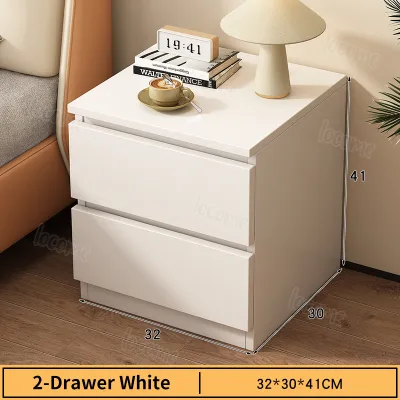

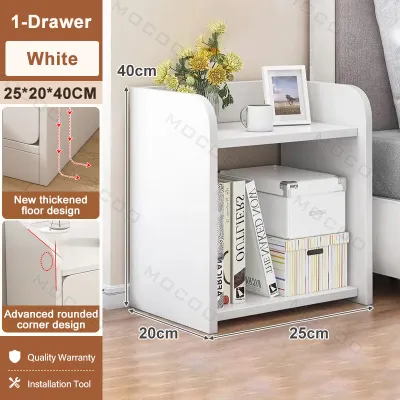
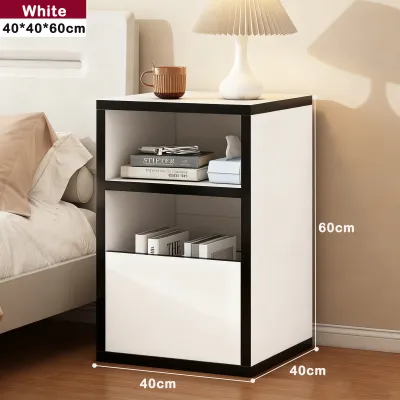
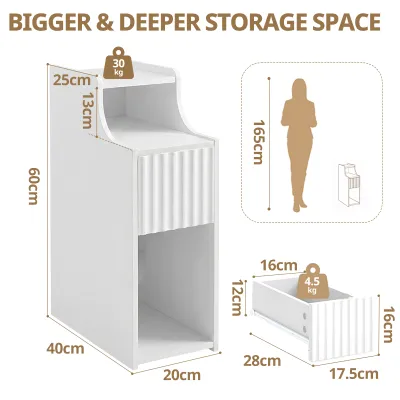
Prices are valid at publication and may change. Please refer to the product page for the latest price.
Electrical safety is paramount for furniture that sits directly next to your bed. Look for built-in surge protection to shield your expensive electronics from sudden voltage spikes, which are common in areas with unstable power grids. Always verify that the electrical components carry recognized safety certification marks on their labels, indicating they have undergone rigorous testing for fire and shock hazards.
Finally, consider the physical connection between the nightstand and your wall. Check the total length of the integrated power cord and the type of plug it uses, such as a flat, low-profile plug that fits easily behind a headboard. A cord that is too short will limit where you can place the furniture, forcing you to rely on extension cords, which can create tripping hazards and clutter your bedroom floor.
Assessing Drawer Configuration and Cable Management
A functional bedside table must keep your personal items organized while preventing a tangled mess of charging cables. Begin by evaluating the drawer configuration, paying close attention to the depth of each drawer and the presence of internal dividers. Smooth-gliding drawer slides, particularly full-extension ball-bearing runners, allow you to access the very back of the drawer without the drawer sagging or pulling out completely.

Effective cable management is what separates a specialized charging nightstand from a standard table with a power strip thrown inside. Look for dedicated cable routing channels, back panel cutouts, or recessed bottom compartments designed specifically to hide wires. These features allow you to run cables from the internal power hub to your devices on the tabletop or inside a drawer without exposing unsightly cords.
When examining the drawer design, ensure that the drawers can close completely and smoothly while devices are plugged in. Some models feature a small gap or a soft-gasket notch at the top or back of the drawer front, which prevents the wood from pinching, bending, or damaging your charging cables over time. Repeatedly pinching a live power cable can wear down the insulation, creating a serious electrical short or fire hazard.
You should also weigh the benefits of open shelves versus closed drawers based on your storage habits. An open shelf directly below the tabletop provides quick access to a charging phone or tablet, keeping the main surface clear of clutter. Closed drawers, on the other hand, offer concealed storage for personal items, keeping them dust-free and out of sight, which contributes to a calmer, more organized bedroom environment.
Checking Wood Quality, Finish, and Structural Stability
The durability of your bedside drawer depends heavily on the materials used in its construction and how well they withstand daily wear. It is crucial to distinguish between solid wood and engineered wood, such as medium-density fiberboard (MDF) or particleboard, by reading the product specifications carefully. While solid wood offers classic beauty and long-term repairability, high-quality engineered wood with robust edge banding can provide excellent stability at a lower price point, provided it is protected from moisture.
In tropical climates where humidity is high, the surface treatment of the wood is just as important as the underlying material. Inspect the product details for moisture-resistant and scratch-resistant finishes, such as polyurethane coatings or high-pressure laminates. This protection is vital if you routinely place cold water glasses on the tabletop, as condensation can quickly seep into poorly sealed wood, causing swelling, warping, or unsightly water rings.
Structural integrity is another key factor, especially if you plan to place heavy lamps, books, or multiple devices on the nightstand. Check the manufacturer’s specified weight capacity and look for robust joinery methods, such as dovetail joints in the drawers and reinforced corner blocks in the main frame. Avoid furniture held together solely by staples or thin glue, as these joints can loosen over time with daily opening and closing.
Lastly, assess the base stability of the nightstand, particularly if your bedroom has uneven flooring or thick carpeting. Look for adjustable leveling feet that allow you to stabilize the unit, preventing wobbling when you open the drawers. If the nightstand is tall, narrow, or top-heavy when loaded with electronics, verify if it includes an anti-tip anchoring kit to secure it safely to the wall.
Space Planning and Dimension Verification
Before committing to a purchase, precise physical measurements are necessary to ensure the nightstand fits your bedroom layout and can be delivered safely. Start by measuring the available floor space next to your bed, taking into account baseboards, door swings, and the clearance needed for wardrobe doors. Compare these measurements with the product’s exact footprint to ensure it does not crowd the room or block pathways.
The height of the nightstand’s tabletop should align closely with the top of your mattress, ideally within two inches higher or lower. A tabletop that is too high makes it difficult to reach your phone or turn off an alarm, while a table that is too low can cause you to strain your back or accidentally knock items off the surface. Measure your bed from the floor to the top of the mattress before browsing options.
Do not overlook the logistics of getting the furniture into your home. Verify delivery access by measuring the width and height of your front door, hallway corners, stairwells, and any elevator doors. Even if a bedside drawer is relatively compact, receiving it in a large shipping box can present unexpected challenges if your entryways are narrow or have tight turns.
Additionally, map out the distance from the nightstand’s intended position to the nearest wall outlet. Because the nightstand itself must plug into the wall to power its built-in ports, you need to ensure the integrated cord can reach the outlet without being stretched tight. Avoid placing the nightstand directly in front of an outlet if it prevents the furniture from sitting flush against the wall, unless the plug is a low-profile, right-angle design.
Building Your Shortlist: A Pre-Purchase Checklist
To simplify your decision-making process, compile your findings into a structured checklist to evaluate each candidate before checking out. Whether you are investing ₱5,000 or ₱15,000 in a new bedside table, cross-reference your must-have charging specifications—such as the number of USB-C ports and total wattage—against the detailed product descriptions. Ensure the drawer configuration matches your storage needs, whether you prefer deep drawers for privacy or open shelves for quick access.
Next, review the manufacturer’s warranty terms, paying close attention to what is covered and for how long. A reliable warranty should cover both structural defects in the wood and failures in the integrated electrical components, which are more prone to wear than the wooden frame. If the electrical module is hardwired and cannot be easily replaced, a comprehensive warranty is even more critical.
Consider the assembly requirements of the furniture before making your final choice. Check the product listing to see if the nightstand arrives fully assembled, partially assembled, or as a flat-pack kit requiring complete setup. If assembly is required, verify what tools are included, whether you will need your own screwdriver or drill, and the estimated time needed to complete the build.
Finally, confirm the retailer’s return policy for bulky furniture and electrical items. In the event that the wood finish arrives damaged, or the built-in charging ports fail to function upon arrival, you need a clear, hassle-free return or exchange process. Understanding the return shipping costs and packaging requirements beforehand will protect your investment and ensure a smooth shopping experience.
Frequently Asked Questions (FAQ)
Can I replace the built-in charging ports if they stop working?
Whether you can replace the integrated charging module depends entirely on the design of the nightstand. Some manufacturers use standard, screw-in power strips that can be easily unscrewed and replaced with a matching unit if the ports fail. However, other designs hardwire the electrical components directly into the wooden frame, making DIY replacement difficult or impossible. Always check the manufacturer’s spare parts policy and warranty terms before attempting any repairs, and consult a qualified electrician if you need to remove or replace hardwired electrical components safely.
Is it safe to leave devices plugged into the nightstand overnight?
Yes, it is generally safe to charge your devices overnight, provided the nightstand’s power module and your charging cables meet safety standards. Modern smartphones, tablets, and laptops are designed with internal circuitry that automatically stops drawing power once the battery is fully charged, preventing overcharging. However, you must ensure that the nightstand’s built-in power strip has integrated surge protection and that the charging area remains well-ventilated. Avoid covering your charging devices, cables, or the power ports with pillows, blankets, or heavy fabrics, as trapped heat can damage your electronics and create a fire hazard.

Community discussion
Share your experience or ask a question. Comments are reviewed before publication.