
Selecting the right toddler chair for study time is about more than just finding a miniature version of adult furniture. To support focused desk activities, a toddler study chair must prioritize ergonomic adjustability, stable footing, and safe, easy-to-clean materials. When a child’s physical setup matches their developmental stage, they can sit comfortably for longer stretches without the constant fidgeting caused by physical discomfort. Transitioning from a casual play seat to a dedicated study chair requires evaluating how well the furniture supports their posture, ensures their safety, and fits into your daily household routine.
Ergonomic Support for Growing Bodies
Children grow rapidly, meaning a static chair can quickly become uncomfortable. Ergonomic support starts with proper alignment, which directly influences how long a toddler can focus on drawing, writing, or puzzle-solving. The goal is to facilitate a sitting posture where the child’s hips, knees, and ankles are bent at ninety-degree angles.
Seat height adjustability is the most critical feature to look for. The chair should allow you to lower or raise the seat so that the child’s feet rest flat. When feet dangle, it puts pressure on the thighs, restricts circulation, and causes the child to slouch. If pairing the chair with a standard-height desk, look for models featuring an integrated, adjustable footrest to provide flat-surface support.
Products mentioned in this guide
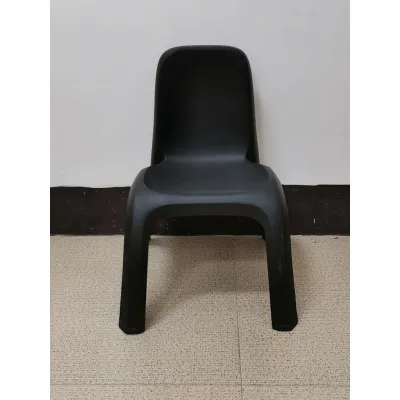
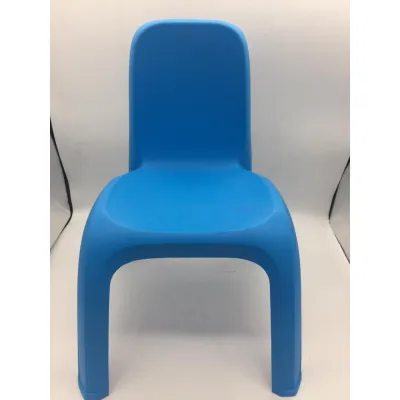

![[ON SALE] MACRO KIDDIE PANDA CHAIR / ASSORTED COLOR PANDA CHAIR / KIDDIE CHAIR/PLASTIC MACRO PANDA CHAIR](https://img.lazcdn.com/g/p/b67e9e18aa31b953f39ca4905cb4481a.png_400x400q80.png_.webp)
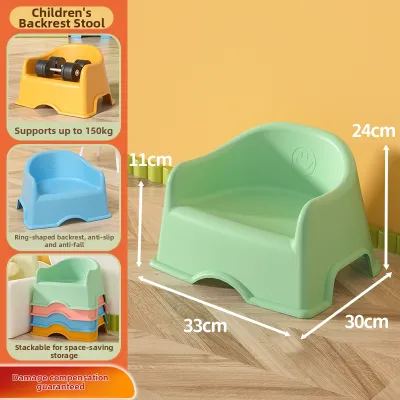
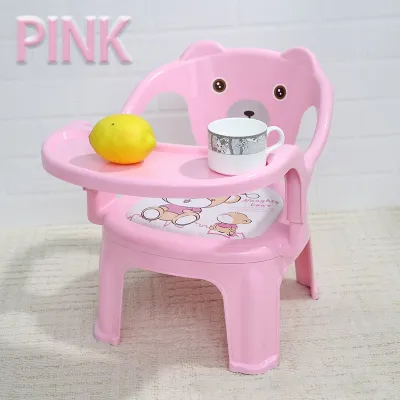

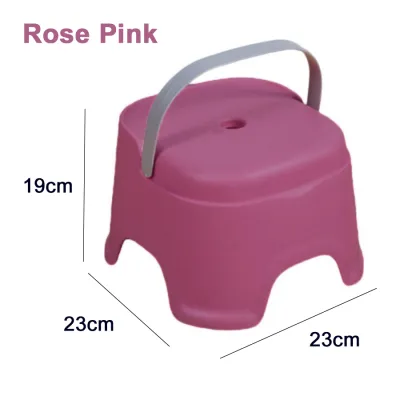
Prices are valid at publication and may change. Please refer to the product page for the latest price.
A stable footrest acts as an anchor. When checking a chair with a built-in footrest, verify that the platform is wide enough for the child’s entire foot and locks securely. It should not wobble or slide when the child climbs onto the seat. A sturdy footrest allows the child to shift weight safely, promoting active sitting without compromising balance.
The backrest contour and seat depth also require careful evaluation. The backrest should curve slightly to mirror the natural shape of a child’s spine, supporting the lower back. If the seat is too deep, the toddler must choose between leaning back without foot support or sitting forward on the edge. Look for chairs with adjustable seat depths or compact seat pans that allow the child’s lower back to touch the backrest while leaving a small gap behind their knees.
Safety and Stability for Active Toddlers
Toddlers rarely sit still, often leaning sideways, reaching for crayons, or climbing in and out of their seats. Because of this constant movement, structural stability is paramount to prevent accidental tip-overs. A study chair must have a low center of gravity and a robust base design to withstand sudden shifts in weight.

When inspecting potential chairs, look closely at the base width and leg splay. Chairs with legs that flare outward slightly at the bottom offer greater resistance to tipping than those with vertical legs. If considering a wheeled model, check for weight-activated caster locks that prevent rolling when the child sits down. For stationary chairs, non-slip rubber pads on the feet add traction and prevent sliding on smooth tile or wood floors.
Physical safety also depends on construction details. Run your hands along all surfaces to check for rounded edges and smooth corners, minimizing the risk of bruises. Inspect the joints, hinges, and adjustment mechanisms to ensure there are no exposed pinch points where small fingers could get caught. Moving parts should be fully enclosed or require adult-operated tools to adjust, preventing toddlers from loosening screws.
Rather than relying on vague marketing terms, always verify the manufacturer’s official specifications. Check the product label for certified weight limits and recommended age ranges to ensure the chair is rated for your child’s size. In warm, humid climates, inspect the finish of wooden or plastic chairs to ensure it does not become sticky or degrade, and look for certifications indicating low chemical emissions to maintain healthy indoor air quality.
Practicality and Maintenance for Daily Use
A toddler’s study area is often a hub for messy activities, including painting, coloring, and occasional snacks. Therefore, the practical aspects of cleaning and daily handling are just as important as ergonomic design. A chair that is difficult to maintain will quickly become a source of frustration.
Wipeable surfaces are essential for managing daily spills and art supplies. Smooth plastics, sealed hardwoods, and metal frames can be easily cleaned with a damp cloth. If the chair features fabric cushioning, check if the covers are removable and machine-washable. In humid environments, breathable materials or easy-to-sanitize surfaces are particularly beneficial to prevent the buildup of moisture, sweat, and mold.
The weight of the chair and its handle design determine how independently your child can use it. A chair that is too heavy requires constant adult assistance to pull close to the desk, while a chair that is too light might slide away when the child sits. Look for a balanced weight that allows a toddler to push or pull the chair. An integrated handle or cutout on the backrest makes it much easier to carry the chair between rooms.
Consider how the chair’s footprint fits into your home’s layout. If the study corner is located in a multi-purpose living area, you may want a chair that can fold flat or stack neatly when not in use. Measure the overall dimensions to ensure the chair can be tucked completely under the desk when study time is over, keeping walkways clear and preventing tripping hazards.
How to Match the Chair to Your Desk and Space
An excellent chair can only perform well if it is compatible with the desk and the room it occupies. Before making a final decision, take precise measurements of your study space to ensure a seamless fit. This prevents the common issue of buying a chair that cannot slide under the desk or forces the child into an awkward posture.
Start by measuring the height difference between the top of the adjusted chair seat and the underside of the desk surface. To ensure comfortable ergonomics, the child’s forearms should rest flat on the desk surface at a ninety-degree angle without forcing their shoulders upward. There should also be sufficient clearance between the child’s thighs and the bottom of the desk frame, allowing them to move their legs freely.
Next, evaluate the floor clearance around the study desk. Ensure there is ample space behind the desk for the child to push the chair back safely when standing up. If you have a rug in the study area, check that the chair’s legs or casters do not catch on the edges, which can cause the chair to tip. Smooth transitions on the floor surface contribute to a calmer, more focused study environment.
Finally, consider the logistics of moving the chair into your home. Check the widths of doorways, narrow hallways, and stairwells to ensure the chair can be easily transported to its designated room. If you live in a multi-story home, a lightweight design or a model that is easy to disassemble will simplify the process of moving the study setup as your child’s needs change over time.
Frequently Asked Questions (FAQ)
Can a regular dining chair work for toddler study time?
Standard dining chairs are generally unsuitable for toddler study time because they lack the necessary ergonomic adjustments. A typical dining chair is designed for adult proportions, leaving a toddler’s feet dangling without support and forcing them to slouch or lean forward to reach the table. This lack of support leads to rapid fatigue and distraction. If you must use a dining chair temporarily, you should add a firm booster seat and a stable footstool to support their feet, but transitioning to a dedicated, adjustable study chair is recommended as soon as they begin engaging in regular drawing or writing activities.
At what age should a child transition to a dedicated study chair?
Most children are ready to transition to a dedicated study chair between the ages of two and three, or when they begin showing a sustained interest in table-focused activities like coloring, looking at books, or building blocks. Look for developmental signs such as the physical ability to sit upright independently, climb onto a chair safely, and remain seated for short periods. If you notice your child constantly shifting, slouching, or preferring to work on the floor because their current seating is uncomfortable, it is a clear indication that they are ready for a dedicated, ergonomically supportive study chair.

Community discussion
Share your experience or ask a question. Comments are reviewed before publication.