
Choosing the right step stool for your child’s study area requires prioritizing physical stability, reliable surface traction, and appropriate structural dimensions over aesthetic appeal. A study desk setup introduces unique challenges—confined spaces, frequent transitions between sitting and standing, and proximity to heavy furniture. In tropical climates like the Philippines, where indoor floors are often smooth tile, marble, or polished hardwood, and high humidity can affect material grip, selecting a stool with verified safety features is essential to prevent slips and falls. By focusing on structural integrity and proper usage habits, you can create a secure and productive learning environment for your child.
Evaluating Core Stability and Weight Limits
A safe step stool must have a low center of gravity to prevent it from tipping over when a child shifts their weight. This stability is primarily determined by the stool’s base-to-height ratio. When evaluating a stool, look for a design where the footprint of the base is substantially wider and longer than the top stepping platform. A trapezoidal or flared profile, where the legs angle outward, distributes the child’s weight over a larger surface area and resists tipping even if the child steps near the edge of the platform.
Never assume a step stool is safe simply because it is marketed for children. Parents must locate the physical manufacturer’s label, which is typically printed on a sticker underneath the base or stamped directly into the material. This label should state a maximum weight capacity. Verify that this limit comfortably exceeds your child’s current weight, factoring in the additional weight of heavy school bags, books, or water bottles they might carry while stepping up to reach their desk.
Products mentioned in this guide
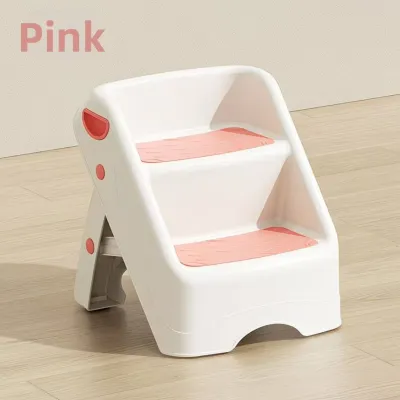
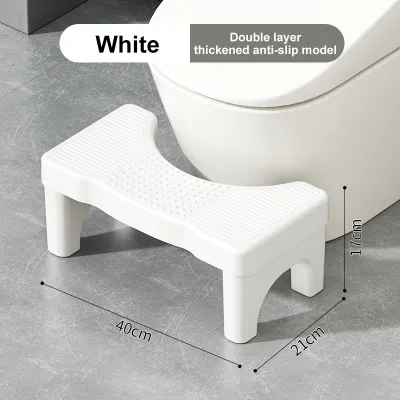
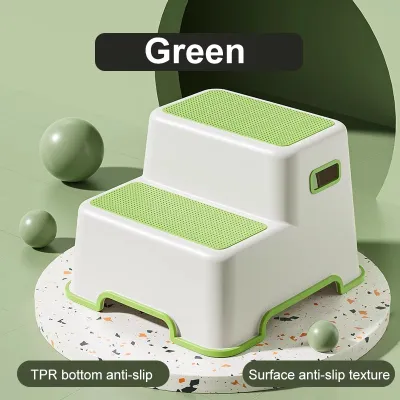
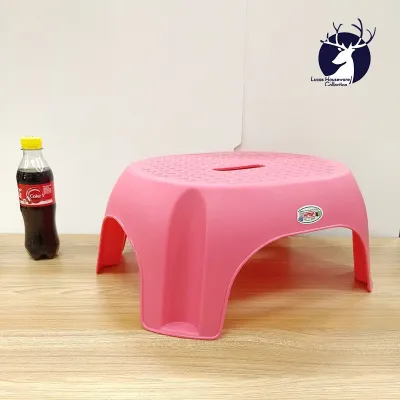
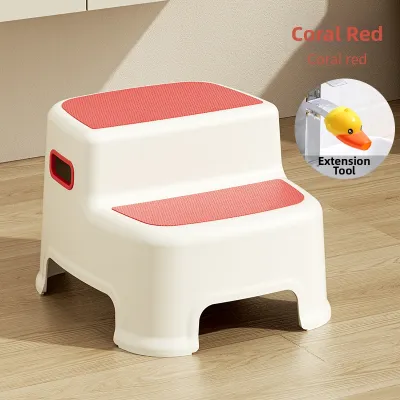
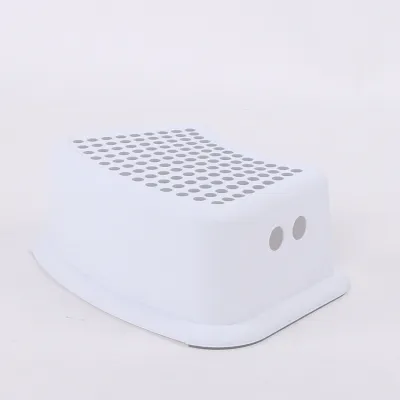
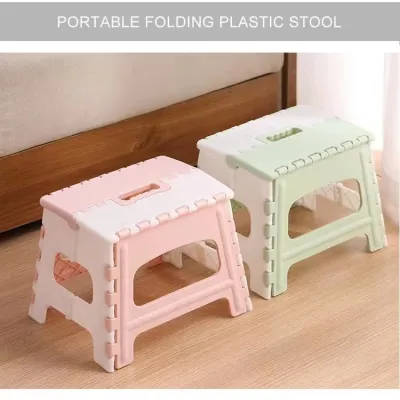
Prices are valid at publication and may change. Please refer to the product page for the latest price.
In addition to the weight limit, inspect the physical design of the legs and feet. Look for wide, flared legs or anti-tip foot designs that anchor the stool securely to the floor. Avoid stools with thin, vertical legs that can easily wobble or slide. The joints where the legs meet the stepping platform should be reinforced with deep-set screws, metal brackets, or solid molded plastic welds rather than simple adhesive or thin nails, ensuring the frame does not collapse under repeated daily use.
Checking Surface Traction and Slip Prevention
The texture of the stepping surface is a critical safety factor, especially since children often study barefoot or in socks in warm home environments. A smooth plastic or polished wood stepping surface becomes incredibly slick under these conditions, increasing the risk of slips. Look for stools that feature deep, molded-in textures, raised rubber ridges, or high-friction grip tape across the entire top surface. The texture should feel distinctly rough or rubbery to the touch, providing mechanical resistance against sliding feet.

Equally important is the traction between the stool and the floor. Cheap plastic feet slide easily on polished ceramic tiles, vinyl, or smooth concrete floors common in many homes. Look for feet capped with thick, non-marking rubber or thermoplastic elastomer (TPE). These materials grip the floor surface, preventing the stool from shooting backward when a child steps onto it at an angle. Avoid hard plastic or bare wooden feet, which offer very little resistance on smooth indoor surfaces.
Environmental factors can also compromise traction over time. In humid tropical regions, moisture in the air can create a micro-film of condensation on smooth floors, significantly reducing friction. Additionally, household dust, pet hair, and lint quickly accumulate on the rubber feet of a stool, turning a high-grip surface into a slippery one. Parents should establish a routine to wipe the rubber feet with a damp cloth weekly to maintain their slip-resistant properties and ensure they remain firmly anchored to the floor.
Assessing Edge Design and Clearance for the Study Desk
A child’s study area is often a tight space filled with sharp desk edges, chair legs, and shelving. The step stool itself should not add to these hazards. Inspect the stool for completely rounded corners and smooth, beveled edges. If you are considering a wooden stool, run your hand along every surface to check for splinters, rough grain, or exposed hardware. For plastic stools, check for sharp flashing or rough mold seams left over from the manufacturing process that could scrape a child’s bare legs.
If you choose an adjustable or folding step stool, pay close attention to the moving parts and folding mechanisms. Folding designs can easily trap small fingers if they collapse unexpectedly during use or adjustment. Look for models that feature automatic locking hinges that click securely into place and require a deliberate, multi-step release action to fold back down. Ensure there are physical gaps or pinch guards built into the hinges so that even if the stool is folded, it cannot crush skin.
Before purchasing, measure the available space under and around the study desk. A step stool that is too large will stick out into the walkway, creating a constant tripping hazard for both the child and parents. It should fit completely underneath the desk when not in use, allowing the study chair to be pushed in comfortably. Ensure the height of the stool allows the child’s knees to clear the underside of the desk drawer or keyboard tray when they are seated, preventing painful bumps.
Reading Safety Labels and Manufacturer Specifications
Online marketplaces and retail packaging are often filled with vague buzzwords like “heavy-duty,” “child-safe,” or “premium quality.” These terms carry no legal or technical weight and should not be relied upon for safety decisions. Instead, look for specific, quantifiable data on the packaging or in the product description. This includes exact dimensions, certified weight limits, and references to recognized safety standards. If a product listing lacks these technical specifications, it is safer to choose a model that provides transparent engineering details.
Manufacturers often provide age, height, or developmental recommendations on the packaging. These guidelines are based on average coordination levels and physical sizes, but parents must assess their own child’s developmental readiness. If a child still struggles with basic balance or has a habit of climbing impulsively, a lower, wider single-step stool is far safer than a multi-step utility model. Never force a child to use a stool that exceeds their current physical capabilities.
Before assembling or using the stool, read the included instruction manual thoroughly. Look for specific warnings regarding usage limits, such as prohibitions against using the stool on uneven rugs, wet surfaces, or outdoors. The manual will also outline the correct assembly steps; skipping a single washer or misaligning a support bar can compromise the structural integrity of the entire stool. Keep the manual in a safe place for future reference when checking for wear and tear.
Establishing Safe Placement and Daily Usage Habits
The physical placement of the stool within the study room dictates its daily safety. Avoid placing the stool near swinging doors, where an opening door could strike the stool and knock a child off balance. Keep it away from low windows, electrical outlets, cords, or heavy, unanchored shelving units that a child might try to grab onto if they lose their footing. The stool should always be placed on a flat, level surface, free of loose rugs or clutter.
Equipment is only as safe as the habits surrounding its use. Teach your child to always face the stool directly when climbing up or stepping down, rather than turning sideways or backing down blindly. Emphasize the importance of stepping directly into the center of the platform rather than on the outer edges. Encourage them to keep both hands free—not carrying heavy stacks of books while climbing—and to place their feet firmly before reaching for items on the desk.
Over time, daily use will loosen screws and wear down protective surfaces. Establish a quick weekly inspection routine to ensure the stool remains safe. Check for any wobbling when light pressure is applied to the top step, and tighten any loose screws or bolts immediately. Inspect the rubber feet for signs of cracking, hardening, or peeling adhesive, and replace the stool or the grip pads if they no longer provide adequate friction against the floor.
Frequently Asked Questions (FAQ)
At what age is it safe for a child to use a step stool independently?
A child’s readiness to use a step stool independently depends more on their individual balance, coordination, and ability to follow safety instructions than on a strict chronological age. Generally, many children develop the necessary motor skills around three years of age, but this varies widely. Parents should always check the manufacturer’s specific age or developmental guidelines on the product label. Before allowing independent use, supervise your child closely to ensure they can step up and down confidently without losing their balance or tipping the stool.
Are folding step stools safe for a child's study area?
Folding step stools can be safe, but they introduce additional risks compared to solid, fixed-leg designs. If you choose a folding model, it must feature automatic locking hinges and pinch-guard designs to prevent finger injuries and accidental collapsing. However, for a child’s daily study area, a solid, fixed-leg step stool is generally the safer and more stable choice. Fixed stools do not have moving parts that can wear out or fail over time, providing a consistent, wobble-free platform for daily desk use.
Community discussion
Share your experience or ask a question. Comments are reviewed before publication.