
Choosing the right metal food cabinet requires looking beyond aesthetics to evaluate technical specifications that dictate durability, safety, and performance. To make an immediate decision, prioritize four essential specifications: the metal type and its protective coating, the ventilation design, the internal dimensions paired with shelf load capacities, and the structural stability features. In tropical, high-humidity climates like the Philippines, where moisture and pests present constant challenges, selecting a cabinet with rust-resistant finishes and active airflow design is critical to preventing premature structural degradation and food spoilage.
Metal Type and Rust-Resistant Coatings Explained
When evaluating a metal food cabinet, the base material and its surface treatment determine how well the unit resists corrosion and structural wear. Most residential and commercial cabinets use either stainless steel or powder-coated carbon steel. Stainless steel, particularly grade 304, offers inherent resistance to rust and chemical damage, making it highly desirable for wet kitchen environments, though it typically carries a higher price point. Carbon steel is highly durable and cost-effective, but its longevity depends entirely on the quality of its protective surface coating.
Metal thickness is indicated by its gauge specification, where a lower gauge number represents thicker, more rigid metal. For general kitchen storage, steel between 18-gauge and 22-gauge offers an optimal balance of structural integrity and manageable weight. Thinner metals, such as 24-gauge or higher, are prone to bowing and denting when loaded with heavy pantry items.
Products mentioned in this guide
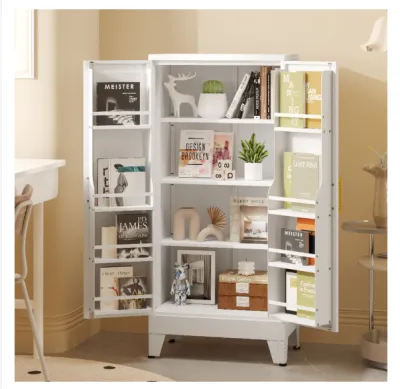
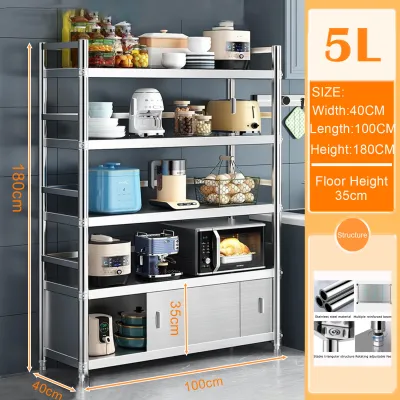
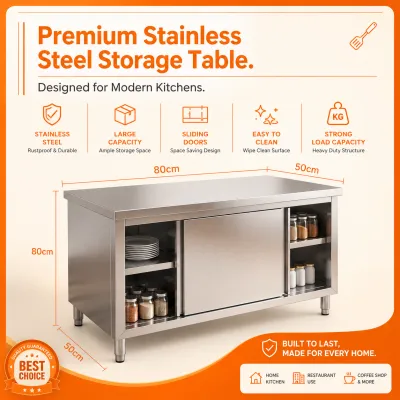
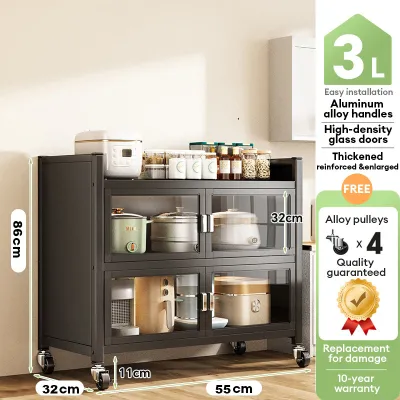
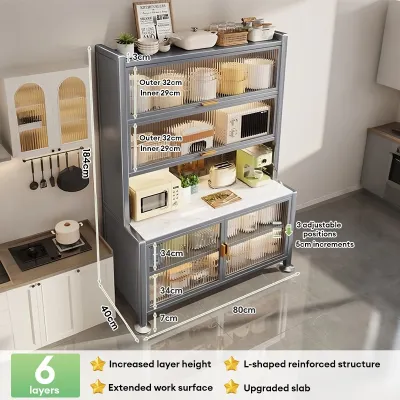
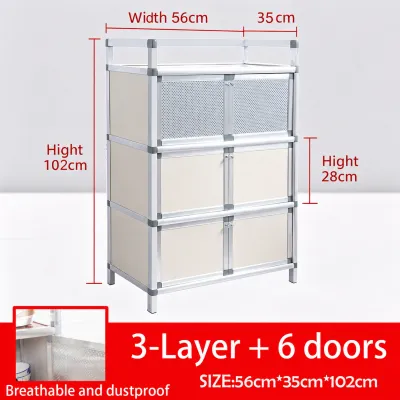
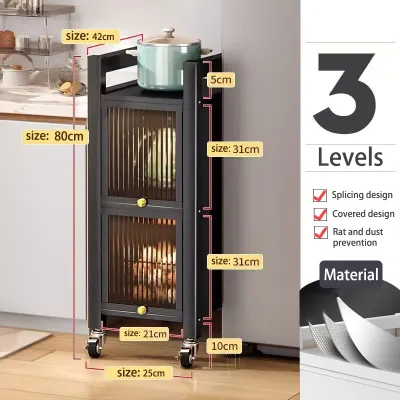
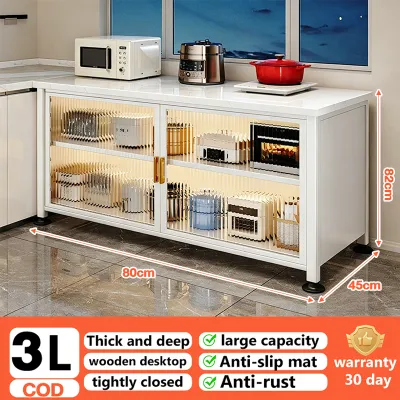
Prices are valid at publication and may change. Please refer to the product page for the latest price.
Because bare metal quickly oxidizes in humid conditions, the surface finish is your primary defense against rust. Look for specifications detailing electrostatic powder coating or epoxy finishes. Powder coating involves baking a dry polymer powder onto the metal at high temperatures, creating a hard, non-porous barrier that resists scratching and moisture penetration. Galvanized steel, which features a protective zinc layer, also offers reliable rust resistance for utility areas.
Before finalizing your purchase, verify the manufacturer’s care and cleaning instructions. Harsh chemical cleaners can strip protective coatings and expose the raw steel beneath to ambient moisture. Ensure the product specifications explicitly state that the finish is food-safe and non-toxic, particularly if food items will come into direct contact with the shelves.
Dimensions, Adjustability, and Weight Limits
To ensure your metal food cabinet fits your home and storage habits, you must carefully distinguish between external footprint specifications and internal usable dimensions. Begin by measuring your available kitchen alcove, paying close attention to doorway widths, hallway turns, and lift access clearances to ensure the unit can be safely delivered and assembled. Standard external depths of 40 to 50 centimeters are common, but the internal depth is what dictates whether your specific appliances, large serving platters, or bulk storage bins will fit.

Shelf adjustability is another crucial specification to check. Look for cabinets that feature adjustable shelf tracks with small spacing increments, typically every 5 to 7 centimeters, which allow you to customize the interior layout. Verify the mounting mechanisms: heavy-duty metal pegs or integrated slot-in brackets offer significantly more stability than plastic clips.
Consider whether the cabinet uses solid metal shelves or wire shelving. Solid shelves are ideal for holding small bottles, spice jars, and liquid containers securely without tipping, but they can restrict vertical airflow. Wire shelves promote excellent air circulation around stored goods but may require plastic shelf liners to prevent smaller items from slipping through the gaps.
Load capacity specifications must be analyzed at both the individual shelf level and the total cabinet level. A standard kitchen cabinet shelf should ideally support at least 20 to 30 kilograms of evenly distributed weight. If you plan to store heavy pantry staples, such as a 25-kilogram sack of rice, multiple liters of cooking oil, or heavy cast-iron cookware, look for reinforced shelves with lower steel gauges. Never exceed the manufacturer’s total cabinet weight limit, which typically ranges from 100 to 250 kilograms, to prevent the entire frame from warping or collapsing.
Ventilation and Moisture Control for Food Safety
Proper airflow is a mandatory specification for any metal cabinet used to store dry food, garlic, onions, or potatoes. Because metal is a highly conductive material, temperature fluctuations can cause condensation to form inside a completely sealed, uninsulated metal cabinet. If this ambient moisture is trapped, it creates a humid microclimate that accelerates mold growth, spoils dry goods, and attracts pests.
To mitigate this risk, look for cabinets featuring built-in ventilation specifications. These can include louvered doors, perforated metal sheets, wire mesh door panels, or designated ventilation gaps along the back panel. Mesh and louvered designs allow continuous passive airflow, keeping the interior dry and fresh while still shielding your food from direct sunlight and household dust.
Moisture control also extends to how the cabinet interacts with your kitchen floor. Pay close attention to the base clearance or raised feet specifications. A cabinet with a clearance of 10 to 15 centimeters prevents floor moisture and water from daily mopping from pooling around the bottom of the metal frame. This elevation also makes it easier to clean underneath, preventing dust buildup and discouraging pests from nesting beneath the unit.
Hardware, Doors, and Structural Stability
The daily usability of your metal food cabinet relies heavily on its hardware and moving parts. Examine the hinge specifications on swinging doors; concealed, self-closing, or soft-close hinges prevent the heavy metal doors from slamming, which can rattle glass jars inside. For sliding doors or pull-out drawers, look for ball-bearing drawer slides and smooth metal tracks that can handle repeated use under heavy loads without sticking.
Secure closure mechanisms are essential for keeping pests out of your food supply. Magnetic door catches are highly effective at keeping doors tightly sealed. If you need to secure high-value items or keep children away from certain food products, look for models that feature integrated lock-and-key systems or latch mechanisms compatible with padlocks.
Finally, prioritize structural stability specifications to ensure household safety. Tall metal cabinets, especially those exceeding 120 centimeters in height, carry a risk of tipping over when heavily loaded or during seismic activity. Verify that the product includes dedicated anti-tip wall anchoring hardware. Additionally, look for adjustable leveling feet, which allow you to stabilize the cabinet on uneven tiled, concrete, or terrazzo floors commonly found in residential kitchens.
Frequently Asked Questions (FAQ)
Is a specific metal gauge necessary for pantry storage?
While the ideal thickness depends on your storage plans, a steel gauge between 18 and 20 is highly recommended for heavy pantry items. If you plan to store lighter boxed goods and snacks, a lighter 22-gauge steel is sufficient. Always check the manufacturer’s rated load capacity per shelf rather than relying solely on the gauge number.
Do metal food cabinets require special floor clearances?
Yes, a floor clearance of at least 10 to 15 centimeters is highly beneficial, especially in humid kitchens. Elevated feet protect the base of the cabinet from water damage during mopping, improve air circulation beneath the unit, and allow for easy pest control and cleaning access.
Community discussion
Share your experience or ask a question. Comments are reviewed before publication.