
In spacious homes, selecting the right furniture layout shapes how your family interacts daily. When comparing an L-shaped versus a modular configuration for a large living room, the decision comes down to how you prioritize room layout stability versus dynamic flexibility. For households accommodating three to five family members, choosing the right 2 in 1 multi functional sofa bed configuration ensures your investment remains comfortable, functional, and perfectly scaled for your living space.
Neither layout is universally superior; the optimal choice depends on whether your household prioritizes a permanent, cozy lounging zone or an adaptable, multi-use floor plan. An L-shaped configuration is ideal if the goal is to anchor a specific corner, create a dedicated media-watching zone, and utilize a single, unified sleeping surface without rearranging furniture. Conversely, a modular 2 in 1 multi functional sofa bed generally offers better long-term flexibility and higher maximum seating capacity, making it highly suitable for active households that frequently host guests or rearrange their living space.
In tropical climates like the Philippines, where natural ventilation, air conditioning flow, and frequent family gatherings are key lifestyle considerations, understanding these structural differences ensures your living room remains breezy, open, and comfortable for both daily relaxation and overnight stays.
Products mentioned in this guide
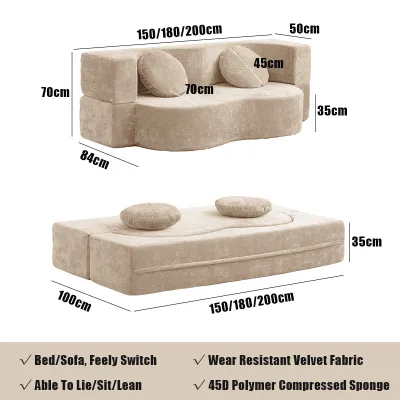
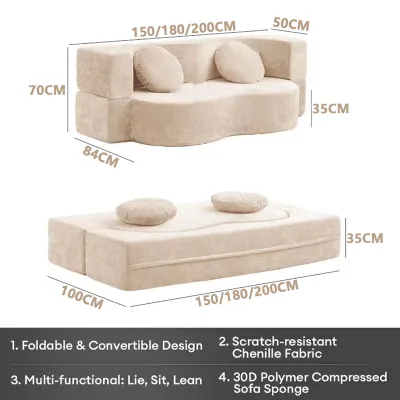
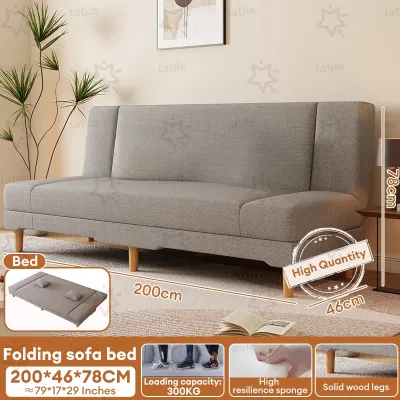
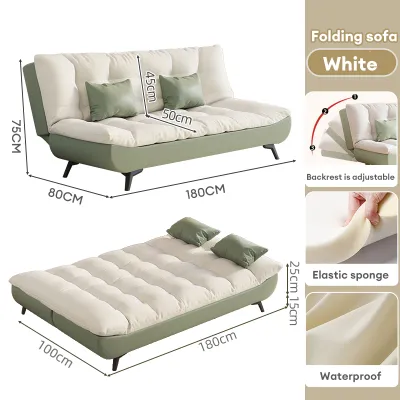
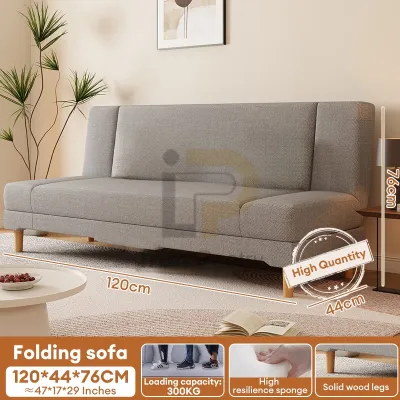
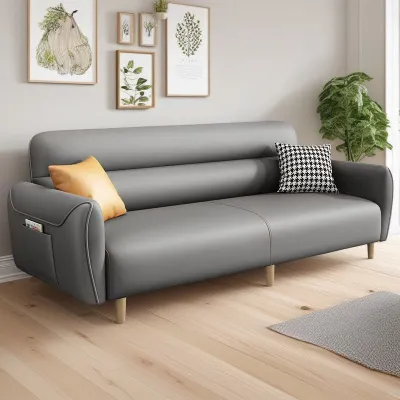
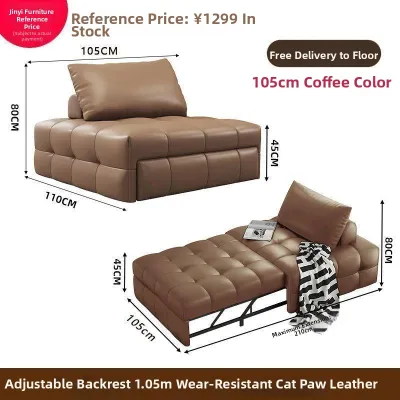
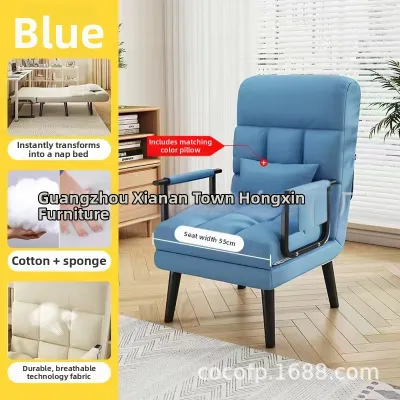
Prices are valid at publication and may change. Please refer to the product page for the latest price.
Defining the Layouts: L-Shaped vs. Modular 2 in 1 Multi Functional Sofa Beds
To make an informed decision, it is essential to understand how each layout integrates its dual-purpose mechanism into a large footprint. An L-shaped 2-in-1 sofa bed typically features a fixed or reversible chaise lounge permanently attached to a main sofa section. The primary sleeping mechanism—usually a pull-out metal frame or a fold-down backrest—is housed within the main section. When deployed, the bed extends parallel to the chaise, creating a large, unified sleeping platform that resembles a standard double or queen-sized bed.
In contrast, a modular 2-in-1 sofa bed is constructed from individual, freestanding blocks or modules. These components—such as armless chairs, corner units, and matching ottomans—can be clipped together in various arrangements or used as standalone seating. The sleeping functionality in a modular system is often decentralized. It might feature a pull-out bed mechanism hidden inside one specific double-seat module, or it may require you to align several flat-folding modules and secure them with an ottoman to create a flat sleeping surface.
This structural difference directly impacts how the furniture occupies a spacious room. The L-shaped design relies on a rigid, unified frame that requires a single, large block of floor space. The modular design distributes its weight and footprint across multiple smaller frames, which can be separated or clustered depending on the immediate needs of your household.
Key Comparison Dimensions for Large Living Rooms
Evaluating how these two configurations perform across critical daily scenarios will help you identify the best fit for your home’s layout and your family’s lifestyle.

Space Utilization and Traffic Flow
Spacious living rooms offer incredible design freedom, but they also run the risk of feeling empty or poorly organized if the furniture is not scaled correctly. An L-shaped sofa bed is highly effective at defining zones within an open-plan home. By placing the longer section against a wall and letting the chaise float, you can naturally separate the living area from an adjacent dining room or kitchen. This creates clear, predictable walkways that guide traffic smoothly around the seating zone.
Modular configurations offer a more fluid approach to space management. Instead of conforming to a fixed corner, a modular system can be spread out to fill a massive room without making it feel cluttered. You can arrange the pieces into a wide U-shape to encourage conversation, place them in parallel rows facing each other, or split them into separate seating clusters. This adaptability is particularly useful in homes with unique architectural features, such as columns, large windows, or floor vents that must remain unobstructed.
The deployed footprint is a critical factor when converting these sofas into beds. An L-shaped pull-out mechanism extends directly forward from the main frame, meaning you only need to clear the area immediately in front of the sofa. The chaise lounge remains in place, serving as a convenient side table or extra lounging space. A modular sofa bed, however, may require you to physically move several adjacent modules to make room for the bed to open. If your living room features heavy area rugs or delicate flooring, frequently sliding these modules can cause wear and tear over time.
Seating and Sleeping Capacity for 3-5 People
For a family of three to five people, daily seating comfort is a top priority. An L-shaped sofa bed comfortably accommodates three to four adults under normal conditions, with the corner seat and the chaise lounge providing excellent spots for stretching out. However, because the frame is fixed, adding more seating later is rarely an option. If your household grows or you frequently host guests, a standard L-shaped sofa may begin to feel crowded.
Modular configurations excel at scaling up to meet your family’s needs. Because you can buy individual modules separately, you can easily expand a four-seat modular sofa into a five- or six-seat setup by adding armless chairs or corner pieces. This ensures that every family member has a dedicated, comfortable seat during movie nights or holiday gatherings.
When it comes to overnight sleeping capacity, the two configurations offer very different experiences. An L-shaped pull-out usually provides a continuous, flat mattress that easily sleeps two adults. Because the mattress is housed in a single frame, there are no gaps or shifting cushions to disrupt sleep. Modular setups, particularly those that require pushing multiple units together, often result in seams between the cushions. While fine for occasional use, these gaps can cause discomfort during extended stays. Always check the manufacturer’s product label for exact mattress dimensions and weight limits to ensure the bed can safely support your guests.
Flexibility and Reconfiguration
The static nature of most L-shaped sofas means they are a long-term commitment to a specific room layout. While some models feature a reversible chaise that can be moved from the left side to the right side during assembly, once built, the sofa remains in that configuration. This is ideal for homeowners who prefer a consistent, low-maintenance setup that does not require regular adjustment or thought.
Modular sofas represent the opposite philosophy, offering endless layout possibilities. If you enjoy rearranging your home decor seasonally, or if you need to clear the center of the room for children’s play area or home workouts, a modular system allows you to do so in minutes. This flexibility also makes deep cleaning much easier, as you can disconnect and move individual, lightweight modules to sweep and vacuum underneath, which is highly beneficial in tropical areas prone to dust accumulation.
However, this flexibility comes with a mechanical trade-off. Modular sofas rely on specialized connectors, such as alligator clips or drop-in brackets, to hold the pieces together. Over time, frequent moving or heavy use can cause these connectors to loosen, leading to gaps between the modules when people sit down. L-shaped frames, being structurally simpler and bolted together as a single unit, require virtually no ongoing connector maintenance and offer superior overall stability.
Comfort and Mechanism Durability
A high-quality sleeping experience depends heavily on the thickness of the mattress and the support system underneath. L-shaped sofa beds often feature a dedicated pull-out mechanism that houses a thicker, more traditional coil or foam mattress. Because the mechanism is protected inside a deep, sturdy sofa base, it can accommodate a more robust support structure, providing a sleep quality that closely rivals a standard bed.
Modular sleeper units, due to the physical constraints of individual, detachable frames, often have to compromise on mattress thickness. Fold-out mechanisms in modular pieces must fit into smaller compartments, which frequently results in thinner foam pads or segmented cushions. If your primary goal is to provide a highly comfortable, supportive bed for frequent overnight guests, the unified mattress of an L-shaped pull-out is generally the superior choice.
Before purchasing, always verify the mechanism type and the internal suspension system. Look for features like sinuous springs or high-density webbing on the product label, as these provide better long-term resistance to sagging. In humid tropical climates, ensure the frame materials are treated to resist moisture and that the cushions use breathable, high-resiliency foam. Additionally, consider the physical effort required to deploy the bed; large, heavy metal pull-out frames can be cumbersome to operate daily, so testing the mechanism’s ease of use is highly recommended.
Side-by-Side Comparison Overview
To help you visualize the key differences between these two setups, this table summarizes their performance across essential design and functional criteria.
| Feature | L-Shaped Configuration | Modular Configuration |
|---|---|---|
| Room Zoning | Excellent for anchoring corners or dividing open-plan spaces | Flexible; can be spread out or clustered to fit any layout |
| Max Seating Capacity | Typically fixed at 3–4 seats | Expandable; easily scales to 5+ seats with extra modules |
| Sleeping Surface | Continuous, unified mattress with no gaps | Often segmented; may have seams between cushions |
| Layout Flexibility | Low; fixed or reversible chaise remains static | High; endless configurations and easy to rearrange |
| Assembly & Maintenance | Simple one-time assembly; low ongoing maintenance | Connectors may require occasional tightening over time |
| Best Use Case | Dedicated media rooms and consistent layouts | Multi-functional spaces and frequent host households |
Decision Framework: Choosing the Right Layout
To narrow down your choice, evaluate your household’s daily habits, hosting frequency, and room constraints against these targeted recommendations.
Choose an L-Shaped configuration if:
- You want a dedicated, permanent lounging corner optimized for watching television or relaxing.
- You prefer a single, continuous sleeping surface without seams for your overnight guests.
- You want a simpler, one-time assembly process with minimal ongoing structural maintenance.
- Your living room layout is straightforward and does not require frequent furniture rearrangement.
Choose a Modular configuration if:
- You frequently host large gatherings and need to adapt your seating layout to facilitate conversation.
- You want the option to expand your seating capacity by purchasing additional modules in the future.
- Your living room has awkward architectural features, columns, or multiple entryways that restrict standard furniture placement.
- You prefer lighter, individual pieces that are easy to move during deep cleaning or seasonal redecorating.
Verify first if:
- Your living room has specific architectural constraints, such as floor-level electrical outlets, low-hanging chandeliers, or large area rugs. The deployed bed mechanism must not interfere with these elements, and the sofa feet must sit securely on your flooring without causing damage.
Essential Pre-Purchase Checks for Spacious Homes
Before making your final purchase, executing a few practical checks will ensure your chosen sofa bed fits your home perfectly and functions safely.
Delivery and Access
Even in large homes, getting a massive L-shaped frame through standard doorways, narrow hallways, or condominium elevators can be a major challenge. Measure every entry point, including door widths, ceiling heights, and stairwell turns, before ordering. Modular sofas are significantly easier to deliver because they arrive in smaller, individual boxes that can easily navigate tight corners and standard elevators.
Deployed Footprint
Measure the exact dimensions of the sofa when the bed is fully extended. Ensure there is at least 60 to 90 centimeters of clearance around all sides of the bed to allow family members to walk safely without tripping, especially in low-light conditions. This clearance also ensures that adjacent furniture, such as coffee tables or sideboards, does not need to be moved to another room entirely when the bed is in use.
Floor and Structural Checks
Pull-out mechanisms often rely on wheels or metal legs that contact the floor directly. Verify that these wheels are rubberized or floor-friendly, particularly if you have polished hardwood, laminate, or delicate tile floors common in modern homes. Check that the weight of the fully occupied sofa bed is distributed evenly to prevent floor indentation, and ensure the base does not block air conditioning vents or natural airflow paths.
Mechanism Verification
Read the manufacturer’s care instructions and warranty details before purchasing. Some heavy-duty pull-out mechanisms require periodic lubrication of metal joints to prevent squeaking, while others have strict weight limits that must not be exceeded to prevent frame warping. Choosing a mechanism that aligns with your physical ability to deploy it ensures that converting your living room into a guest room remains a simple, stress-free task.
Community discussion
Share your experience or ask a question. Comments are reviewed before publication.