
Finding the perfect balance between comfort and floor area is a common challenge when furnishing a compact living room. In tight urban apartments, every square meter counts, and the sofa often dictates the entire flow of the room. When choosing between an L-shaped sectional and a modular Nordic sofa, the decision comes down to how you interact with your space. An L-shaped sofa is highly efficient at reclaiming unused corner areas, consolidating your seating into a single, streamlined footprint. Conversely, a modular sofa offers unmatched layout versatility, allowing you to split, move, and adapt individual pieces to keep walkways clear. By understanding how these two configurations interact with your floor plan, natural light, and daily habits, you can select a piece that makes your small living room feel open, airy, and functional.
Space Footprint and Visual Weight in Small Rooms
The physical footprint of a sofa is only half the battle in a small apartment; how heavy the piece looks visually can make or break the room’s sense of openness. An L-shaped sectional features a fixed, right-angle design that excels at utilizing dead corner space. By pushing the sofa directly into a corner, you eliminate the awkward, unusable gaps that often occur with traditional sofa-and-armchair setups. This single, continuous piece of furniture keeps the center of the room open, creating a clean and organized look. However, the fixed nature of the L-shape means it requires a dedicated, uninterrupted wall area, which can sometimes block pathways or cover low-lying wall outlets.
Modular sofas, by contrast, consist of separate, freestanding components that can be grouped together or spaced apart. While this offers incredible layout freedom, a modular footprint can sometimes feel more fragmented in a tight room. Because each module is an independent unit, placing them slightly apart requires individual clearance zones, which can eat into precious floor space. Additionally, the multiple seams and gaps between modular pieces can create busier visual lines, potentially making a small room feel cluttered if not styled carefully.
Products mentioned in this guide
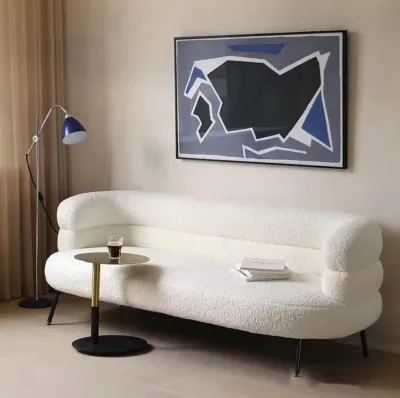
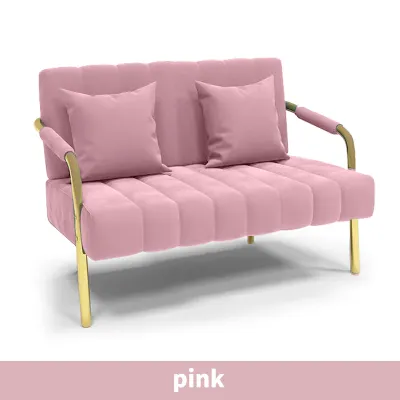
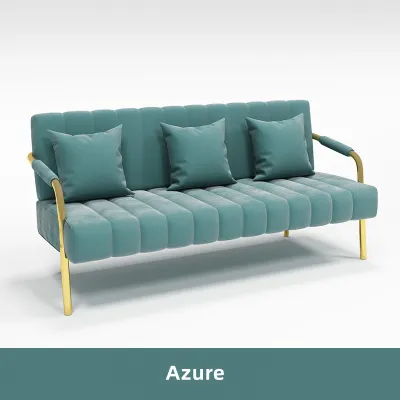
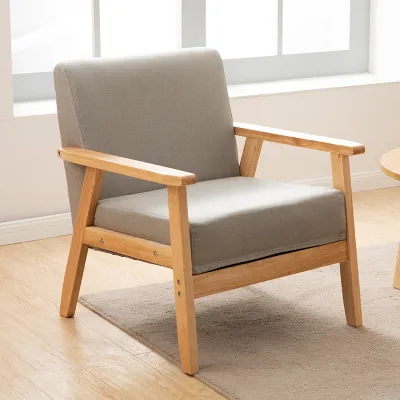
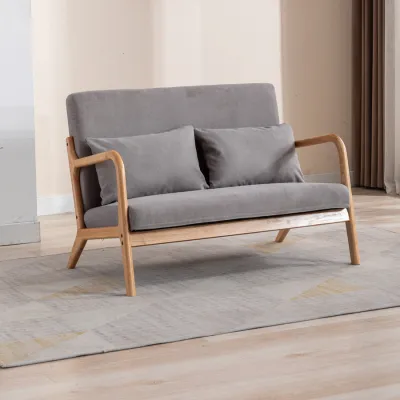
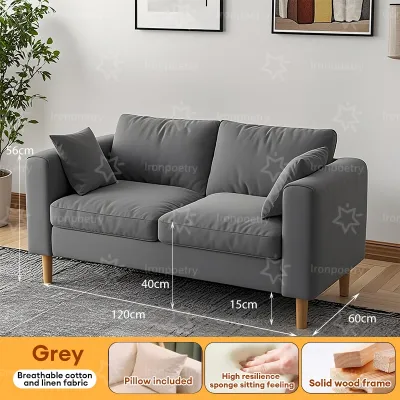
Prices are valid at publication and may change. Please refer to the product page for the latest price.
To counteract these footprint challenges, Nordic design principles play a crucial role. True Nordic sofas utilize specific design elements to minimize visual weight and enhance spatial openness, regardless of the configuration. Look for low-profile backrests that sit below window sills, allowing natural light to flood the room. Raised wooden or metal legs are another hallmark of this style; by elevating the sofa frame off the floor, they expose more of the ground underneath, which tricks the eye into perceiving the room as larger. Minimalist, narrow armrests further reduce the overall width of the sofa without sacrificing actual seating surface, ensuring that your furniture does not overwhelm the limited square footage.
Essential Measurements for Small Apartment Delivery and Fit
Before committing to any sofa design, precise measurements are non-negotiable to avoid the heartbreak of a piece that cannot fit into your home. Begin by mapping out the usable floor area in your living room. Use painter’s tape or newspaper to mock up the exact dimensions of the proposed sofa on the floor. This physical template allows you to visualize the remaining space and verify that you have adequate clearance for walkways—ideally at least 60 to 75 centimeters of walking space around the furniture. You must also account for the clearance needed for coffee tables, media consoles, and the swing radii of nearby doors or balcony entryways.

Equally important is the journey the sofa must take from the delivery truck to your living room. High-rise condominiums and urban apartments often present significant structural obstacles. You must measure every tight spot along the delivery path, including elevator door widths, elevator interior heights, stairwell clearance, corridor turns, and the main apartment door frame. This is particularly critical for L-shaped sofas, which often feature long, single-piece frames or bulky chaise sections that cannot be disassembled. If your building has a small elevator or narrow stairwell turns, a modular sofa is often the safer choice, as the individual, box-sized modules are much easier to maneuver through tight spaces.
Finally, do not forget to measure vertical clearances. Compare the total height of the sofa, including the backrest, against your room’s window sills and ceiling height. A sofa with an excessively high backrest can block natural light from windows, casting shadows and making a compact room feel dark and enclosed. Checking the seat depth is also essential; deep-seated sofas might offer excellent lounging comfort, but they extend further into the room, potentially restricting your main walking paths. Aim for a balanced seat depth that supports comfortable sitting while keeping the front clearance clear.
Layout Flexibility and Future-Proofing Your Space
Your living room is rarely static; its function can change from a quiet home office during the day to an entertainment hub on the weekend. The static nature of an L-shaped sofa makes it ideal for permanent, highly structured layouts. Once you position an L-shaped sectional in its designated corner, it generally stays there. While this provides a sense of stability and order, it leaves very little room for experimentation. If you decide to rearrange your television setup, add a bookshelf, or accommodate a new piece of furniture, you may find that the fixed orientation of the L-shape limits your options and forces you to keep the exact same layout for years.
Modular sofas offer a completely different approach, prioritizing adaptability and future-proofing. Because the individual seats, corner units, and ottomans can be detached and rearranged, you can easily transform your living room layout in minutes. For daily living, you might keep the modules connected in a compact linear setup. When hosting friends, you can separate the pieces to create a face-to-face conversational grouping, or move an ottoman module to serve as extra seating or a temporary coffee table. This flexibility is incredibly valuable in small apartments where multi-functional spaces are the norm.
For renters or those who anticipate moving in the near future, modular configurations are highly practical. Moving into a new apartment often means dealing with an entirely different floor plan, irregular wall angles, or reversed corner layouts. A fixed L-shaped sofa that fit perfectly in your old left-hand corner might block a doorway or a window in your new home. Modular pieces, however, can be easily adapted to fit unknown future spaces. You can configure them into a left-facing setup, a right-facing setup, or even split them across different rooms if the new living area is exceptionally small, ensuring your investment remains useful for years to come.
Comfort, Seating Capacity, and Daily Functionality
While space efficiency is a priority, a sofa must ultimately be comfortable and functional for daily use. L-shaped sofas are widely celebrated for their continuous lounging comfort. The seamless chaise lounge section provides uninterrupted leg support, making it the ultimate setup for stretching out, watching movies, or taking afternoon naps. Because the frame is unified, there are no annoying gaps or shifting cushions to worry about. This continuous surface also makes it easier to accommodate multiple people sitting closely together during family gatherings.
Modular sofas, while highly flexible, can sometimes present trade-offs in terms of lounging comfort. Because the sofa is made of separate units pushed together, the joints between modules can sometimes create physical gaps or uneven seating surfaces, especially if the connectors are not tightly secured. Over time, frequent rearranging can cause the individual cushions to wear differently, leading to slight variations in firmness between adjacent seats. To mitigate this, look for modular systems that feature robust, heavy-duty interlocking metal connectors underneath the frames to keep the pieces firmly locked in place during daily use.
Daily functionality in a small space also involves storage and maintenance. Many L-shaped sectionals designed for compact living feature built-in storage compartments beneath the chaise or pull-out sleeper mechanisms that convert the sofa into a guest bed. These dual-purpose features are incredibly valuable in small apartments. Modular sofas rarely offer integrated pull-out beds due to their segmented frames, though some systems allow you to push an ottoman module into the center to create a makeshift sleeping platform.
Additionally, you must consider fabric care and maintenance. In compact living zones, furniture experiences a higher concentration of wear and tear, spills, and dust accumulation. This is especially true in warm, humid climates where moisture can affect fabric longevity. When selecting a Nordic sofa, verify the manufacturer’s fabric care labels. Opt for durable, tightly woven fabrics with high rub counts, or removable, washable covers that make cleaning manageable. If your apartment receives direct sunlight, check for UV-resistant fabric specifications to prevent the characteristic light pastel colors of Nordic design from fading prematurely.
Final Decision Framework: L-Shaped vs. Modular
To finalize your decision, evaluate your specific apartment layout, delivery constraints, and lifestyle habits against this practical framework.
Choose an L-shaped Nordic sofa if:
- Your living room has a clear, defined corner that is currently unused, allowing you to tuck the sofa away and maximize open floor space.
- You prefer a permanent, low-maintenance layout and do not plan on rearranging your furniture frequently.
- Your primary daily activities involve continuous lounging, stretching out, or napping, where seamless leg support is essential.
- You want to utilize built-in storage compartments or integrated pull-out guest bed features.
Choose a modular Nordic sofa if:
- Your apartment floor plan is irregular, features awkward alcoves, or has multiple doorways that restrict long, continuous walls.
- You frequently host guests and need the ability to quickly reconfigure your seating into separate conversational zones.
- You are currently renting or plan to relocate in the future, requiring furniture that can adapt to unknown room shapes and sizes.
- Your building has strict delivery access limitations, such as a very small elevator or narrow, winding stairwells that cannot accommodate a long, single-piece sofa frame.
Before making your final purchase, always verify two critical details. First, check the delivery access dimensions of your building to ensure the packaged boxes can physically reach your apartment. Second, inspect your flooring type; if you have polished concrete, hardwood, or delicate tiles, ensure you install high-quality felt or rubber protective pads on the bottom of the sofa’s wooden or metal legs to prevent scratching and stop the furniture from sliding when you sit down.
Frequently Asked Questions (FAQ)
Can I convert a standard modular sofa into an L-shape later?
Yes, most modular sofa systems allow you to convert a linear setup into an L-shape by purchasing additional corner and ottoman modules later. However, before buying, you must verify the specific connector types used by the manufacturer to ensure compatibility. It is also important to note that fabric dye lots can vary between production batches. If you buy add-on modules years after your initial purchase, there may be subtle differences in color and texture due to fabric aging, wear, and dye batch variations.
Are low-profile Nordic sofas comfortable for taller individuals?
Low-profile Nordic sofas can be comfortable for taller individuals, but you must check the seat depth and backrest angle specifications carefully before purchasing. Standard low-profile designs often have shallower seats and lower backs, which may not provide adequate thigh or shoulder support for taller frames. Look for Nordic designs that offer a deeper seat specification (around 60 centimeters or more) or models with angled backrests and supportive bolster cushions to ensure ergonomic comfort without sacrificing the sleek, low-profile aesthetic.
How do I maintain light-colored Nordic fabrics in a compact living space?
Maintaining light-colored Nordic fabrics in a small, high-traffic apartment requires proactive care. Always check the manufacturer’s cleaning codes (such as W for water-based cleaners or S for solvents) before applying any treatments. To protect against spills and sweat in warm climates, apply a fabric protector spray immediately after assembly. Vacuum the upholstery weekly using a soft brush attachment to prevent dust and fibers from grinding into the weave, and position the sofa away from direct, harsh sunlight to avoid uneven fading over time.
Community discussion
Share your experience or ask a question. Comments are reviewed before publication.