
Choosing the right seating arrangement for a large family living room is a major decision that directly impacts daily comfort, household traffic, and how your family interacts. In many multi-generational homes, the living room serves as a multi-functional hub where relatives gather, children play, and everyone winds down after a long day. The ideal configuration must balance the physical constraints of your space with the diverse needs of multiple generations sharing the same room.
The best configuration for your household depends on how you prioritize personal space, layout flexibility, and ease of maintenance. An L-shaped layout maximizes corner space and offers a cozy, continuous lounging area perfect for shared movie nights. A modular set provides unmatched adaptability, allowing you to rearrange or expand the seating as your family grows. Meanwhile, a traditional 3-2-1 set offers structured, individual seating zones that preserve personal space and fit well in formal or multi-purpose rooms.
Understanding the Three Sala Set Configurations
To make an informed choice, it is essential to understand the structural design and primary purpose of each layout. An L-shaped sala set, often referred to as a sectional, features a continuous seating surface that forms a right angle. This design typically consists of a main sofa joined to a chaise lounge or a corner terminal. It is engineered to fit snugly into corners, making efficient use of floor space while creating a clear visual boundary in open-plan living areas.
Products mentioned in this guide

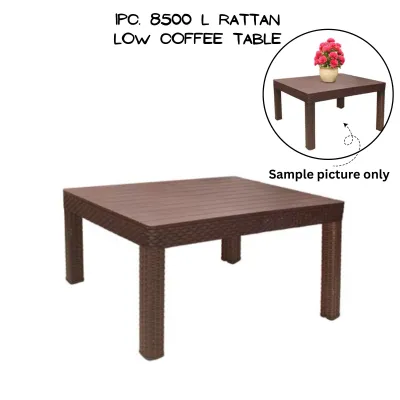
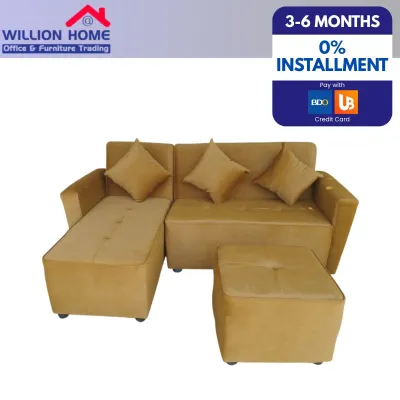
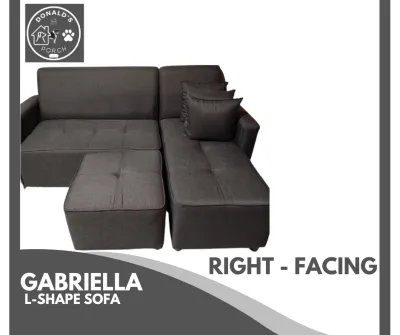
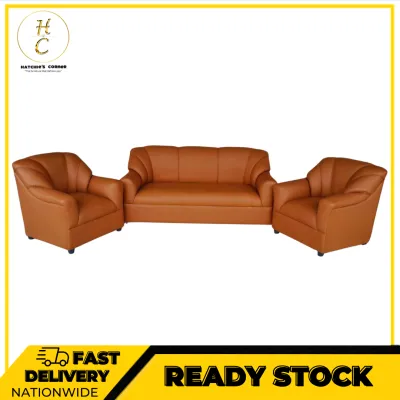
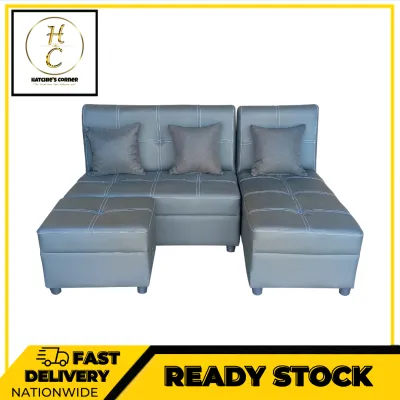
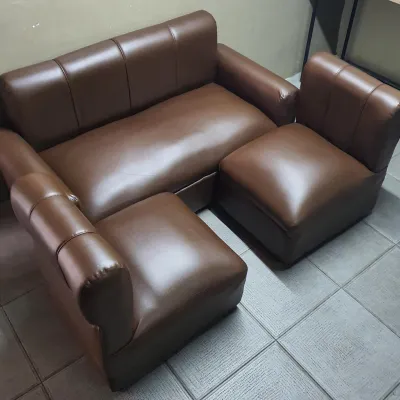
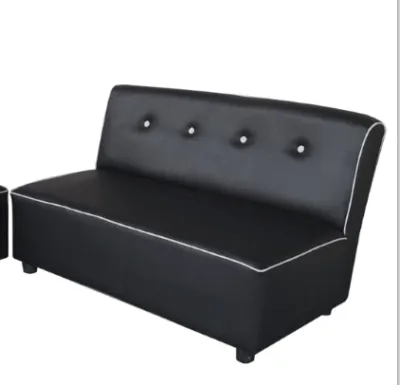
Prices are valid at publication and may change. Please refer to the product page for the latest price.
A modular sala set consists of individual, self-contained seating units that can be connected or separated like building blocks. These pieces usually include corner chairs, armless middle chairs, and ottomans. Because the pieces are not permanently fixed to one another, you can configure them into a long straight sofa, an L-shape, a U-shape, or even separate them into individual armchairs. This makes modular furniture highly adaptable to different room shapes and social occasions.
A traditional 3-2-1 sala set is a classic arrangement comprising three distinct, unconnected pieces: a three-seater sofa, a two-seater loveseat, and a single-seater armchair. Unlike sectionals or modular units, these pieces are completely independent of one another. This layout allows you to distribute the seating across different walls, angle them toward a central point, or even place individual pieces in separate rooms if your living space needs to be cleared.
Key Comparison Dimensions for Large Families
When evaluating these configurations for a large household, seating capacity and personal space are critical factors. An L-shaped sofa excels at packing a high number of people into a compact footprint because it utilizes the corner space that is often wasted in traditional layouts. However, because the seating is continuous, family members must sit close together, which might feel restrictive for adults who prefer distinct personal space. A 3-2-1 set solves this by providing clear physical boundaries, giving older family members or guests their own dedicated seats with supportive armrests. Modular sets offer a middle ground, allowing you to connect pieces for close family lounging or separate them to give everyone breathing room.

Family interaction dynamics also vary significantly across these layouts. L-shaped configurations naturally direct everyone’s attention toward a single focal point, such as a television screen or a media console. While this is excellent for entertainment, it can make face-to-face conversation difficult because people are seated in a straight line or at a sharp right angle. In contrast, a 3-2-1 layout naturally facilitates conversation because you can position the pieces facing each other, creating an inviting circle for storytelling and catching up. Modular sets can be easily adjusted to support either dynamic, allowing you to set up a cozy conversational circle for Sunday family lunches and then reconfigure them into a home theater layout for movie nights.
Flexibility and long-term adaptability are vital for growing or multi-generational families. Modular sets are the clear winner in this category because they can adapt to changing living situations. If you move to a new house with a different living room layout, or if your family expands, you can simply rearrange the existing modules or purchase additional matching pieces to fit the new space. L-shaped sofas are highly rigid; when you purchase one, you must choose between a left-facing or right-facing configuration, which severely limits how you can arrange your room in the future. Traditional 3-2-1 sets offer moderate flexibility, allowing you to move the armchair or loveseat to a bedroom or study if you need to free up floor space in the main living area.
Cleaning and maintenance are daily realities in a busy household, especially in warm, humid climates where dust and moisture accumulate quickly. A 3-2-1 set is highly practical for cleaning because the individual pieces are relatively easy to slide around, allowing you to sweep and mop the floor underneath without hassle. L-shaped sofas, on the other hand, feature large, heavy frames that are difficult to move, often leading to dust and lost items getting trapped in the corner junction. Modular sets have numerous joints and gaps between the individual pieces where crumbs, pet hair, and small toys can easily fall. While you must regularly separate the modules to vacuum these crevices, the individual pieces are lightweight and easy to lift, making deep cleaning under the sofa a manageable task.
Space, Layout, and Delivery Checks
Before purchasing any large sala set, you must conduct thorough physical measurements of your living room and home access points. Begin by measuring the total length and width of your living area, and map out the proposed footprint of the new furniture. Ensure you leave at least 30 to 45 centimeters of clearance for walkways so family members can move comfortably around the room without bumping into the furniture.
It is equally important to verify the dimensions of the largest single piece against your home’s entryways. Measure the width, height, and diagonal clearance of all doorways, hallways, stairwells, and elevator cabins that the furniture must pass through during delivery. For L-shaped sofas, the corner section or the main frame is often exceptionally bulky and may not clear tight turns in narrow stairwells. If the manufacturer’s product specifications do not clearly state the packaged dimensions, stop and consult the seller to confirm these details before finalizing your purchase.
Consider the structural weight limits and floor protection requirements of your chosen configuration. Large, multi-piece sala sets can be incredibly heavy, especially those featuring solid hardwood frames or built-in reclining mechanisms. Check the manufacturer’s guidelines to ensure the furniture is suitable for your flooring type. To prevent permanent scratches or dents on delicate tile, laminate, or polished wood floors, always install heavy-duty felt pads or rubber cups under every leg of the sofa.
Finally, pay close attention to the material and care labels on the product tags. In tropical climates, furniture is subjected to sweat, humidity, and high wear. Look for tightly woven synthetic fabrics, performance polyesters, or treated leatherette materials that resist moisture absorption and are easy to wipe clean. Avoid delicate fabrics that require specialized dry cleaning, particularly if your household includes young children, pets, or frequent indoor dining.
Decision Framework: Choosing the Right Layout
To choose the right configuration, evaluate your household’s specific needs against these clear, condition-based rules. Choose an L-shaped sala set if your living room has a defined, unused corner and your family prefers a cozy, unified lounging space for shared entertainment. This layout is also highly effective in open-concept homes where the back of the sofa can serve as a stylish divider between the living area and the dining room.
Choose a modular sala set if your family values maximum flexibility, frequently hosts guests with varying seating needs, or plans to relocate to a different home in the future. This configuration is ideal for households that enjoy regularly rearranging their furniture or want the option to expand their seating capacity by purchasing matching individual modules as their budget allows.
Choose a traditional 3-2-1 sala set if your living room is long, narrow, or features multiple architectural obstacles like doorways, windows, and structural columns that prevent the placement of a single large sofa. This layout is perfect for families who prefer structured, formal seating where each person has their own defined space, complete with dedicated armrests and easy physical separation.
Before committing to any purchase, always perform a final layout check. Use masking tape or newspapers to outline the exact dimensions of the chosen configuration on your living room floor. Walk through the room to verify that the layout does not block natural traffic paths, cover electrical outlets, or obstruct the opening of doors and cabinets, ensuring a seamless fit for your daily family life.
Frequently Asked Questions (FAQ)
Can I mix a 3-2-1 set with an additional modular piece later?
Yes, you can expand a traditional 3-2-1 set with an additional modular piece, but you must carefully verify compatibility to maintain a cohesive look. Check the manufacturer’s specifications for seat height, cushion depth, and leg style, as even minor differences can make the arrangement look disjointed and feel uncomfortable. Additionally, verify the availability of matching fabrics or colors directly with the brand or official store, as dye lots can vary and specific fabric lines may be discontinued over time.
Which configuration is easiest to clean under?
A traditional 3-2-1 set is generally the easiest to clean under because the individual pieces are lighter and easier to move away from walls. When comparing any configuration, measure the leg height and base clearance; a clearance of at least 10 to 12 centimeters is ideal for standard brooms, mops, or robot vacuums to pass underneath easily. L-shaped and modular sets with low block bases or dust valances will require you to physically move the entire heavy structure or detach the modules to clean the floor underneath.
Community discussion
Share your experience or ask a question. Comments are reviewed before publication.