
Quick Answer: Which Material Best Redistributes Pressure?
When selecting a mattress material to help prevent bed sores—scientifically known as pressure injuries or decubitus ulcers—both memory foam and latex significantly outperform traditional innerspring options. Memory foam provides exceptional deep contouring that molds to the body’s unique shape, effectively dispersing localized pressure. Latex, on the other hand, delivers a highly responsive, buoyant surface that relieves pressure while making it much easier for an individual to turn or reposition.
However, it is vital to understand that a consumer mattress serves only as a preventative aid. It cannot replace essential caregiving protocols, such as regular manual repositioning, skin moisture management, and professional medical evaluations. If you are managing existing bed sores or caring for an individual at high risk, consult a qualified healthcare professional before making any purchase decisions.
Why Pressure Redistribution Matters for Skin Health
When a person remains in one position for an extended period, the weight of their skeleton presses down on the skin and soft tissues, squeezing them against the mattress surface. Bony prominences like the sacrum (tailbone), heels, hips, and shoulder blades are particularly vulnerable to this compression. This sustained pressure compromises local microcirculation, cutting off the supply of oxygen and essential nutrients delivered by the blood. Over time, this localized oxygen deprivation leads to tissue damage and the development of painful open wounds known as bed sores.
Products mentioned in this guide
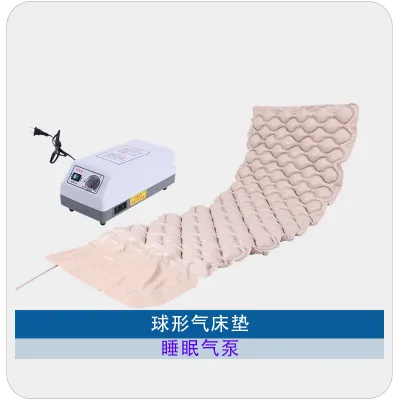
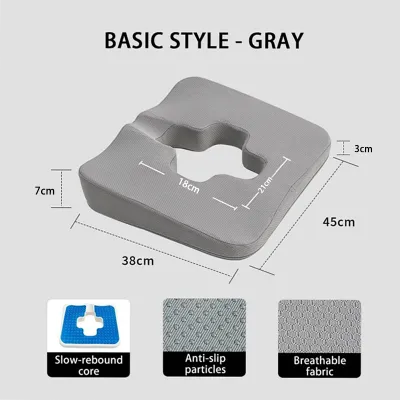
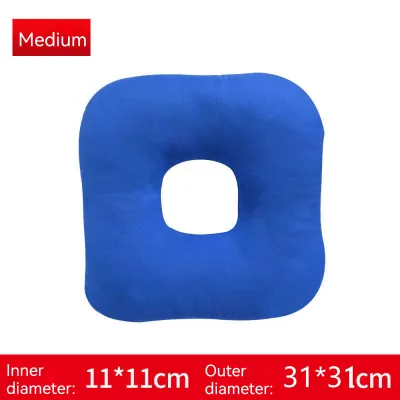
Prices are valid at publication and may change. Please refer to the product page for the latest price.

An effective anti bed sore mattress works by maximizing the contact area between the body and the sleeping surface. By distributing body weight over a larger surface area, the mattress reduces peak pressure points below the critical threshold where capillary blood flow is restricted. This process of pressure redistribution is a fundamental element of pressure injury prevention.
However, material composition is only one part of a complex preventative strategy. Factors such as the user’s overall mobility, the frequency of caregiving intervention, and the local climate play massive roles. When selecting a mattress, look beyond generic material names and verify manufacturer specifications, such as pressure-mapping data or medical-grade classifications, to ensure the product meets your specific therapeutic needs.
Memory Foam: Deep Contouring for Joint Relief
Viscoelastic memory foam is highly regarded for its unique physical response to pressure and temperature. When an individual lies down, the foam reacts to body heat and weight, softening and contouring precisely to the body’s silhouette. This deep cradling effect distributes weight evenly, significantly lowering the risk of high-pressure hot spots on bony areas. By conforming to the natural curves of the body, memory foam minimizes the localized stress on joints, hips, and shoulders.
Despite these excellent pressure-redistribution capabilities, memory foam presents distinct challenges for individuals with limited physical mobility. Because the foam conforms so deeply, it creates a “sinking” sensation, often referred to as a “stuck” feeling. This high level of hysteresis—where the foam is slow to return to its original shape—makes self-repositioning extremely difficult for patients who retain some movement, and it increases the physical strain on caregivers attempting to turn the patient.
In the tropical and humid climate of the Philippines, heat retention becomes a severe concern. Standard memory foam is notorious for trapping body heat, which can raise the patient’s skin temperature. When combined with ambient humidity, this heat promotes excessive sweating. The resulting moisture on the skin leads to maceration—a softening and weakening of the skin tissue—which dramatically increases susceptibility to friction, shear forces, and subsequent skin breakdown.
To mitigate these environmental risks, do not rely on basic foam. Instead, carefully inspect product labels and manufacturer documentation to verify the presence of open-cell structures, gel infusions, or specialized phase-change covers designed to dissipate heat. Check the actual breathability and airflow specifications of the foam layers rather than accepting general marketing claims at face value.
Latex: Responsive Support and Tropical Breathability
Natural and synthetic latex mattresses offer a compelling alternative by balancing pressure relief with exceptional surface responsiveness. Unlike memory foam, which slowly conforms and holds its shape, latex instantly pushes back with a buoyant, elastic force. This prevents the deep, localized sinkage that can trap a patient, making it significantly easier for individuals to adjust their posture or for caregivers to perform routine turning schedules.
The open-cell structure inherent to latex provides superior natural ventilation compared to traditional polyurethane foams. In hot, humid regions like the Philippines, this breathability is crucial. Enhanced airflow helps wick away body heat and moisture, maintaining a drier microclimate next to the skin. Keeping the skin dry is a fundamental step in preventing tissue maceration and reducing the friction that occurs during movement.
When evaluating latex, it is important to distinguish between the two primary manufacturing methods: Dunlop and Talalay. Dunlop latex is typically denser and firmer at the bottom, making it excellent for support cores. Talalay latex undergoes an additional vacuum and flash-freezing process, resulting in a highly uniform, softer, and more breathable foam that excels in comfort layers designed for pressure relief.
Rather than assuming any mattress labeled “latex” will provide adequate pressure redistribution, caregivers must examine the specific specifications. Check the product tag or manufacturer’s technical sheet for the foam density, the specific manufacturing process used, and the Indentation Load Deflection (ILD) rating. A lower ILD indicates a softer, more conforming surface, while a higher ILD denotes a firmer, more supportive feel.
Innerspring: Traditional Support and Pressure Limitations
Traditional innerspring mattresses rely on a network of steel coils to provide structural support. While these systems excel at maintaining spinal alignment for active, healthy sleepers, they are generally poorly suited for individuals at risk of developing bed sores. The upward tension exerted by steel coils creates localized resistance, pushing back directly against the body’s heaviest points—namely the hips, shoulders, and heels—and creating dangerous pressure spikes.
Because of this inherent mechanical push-back, pure innerspring mattresses without substantial comfort layers are not recommended for moderate to high-risk bed sore prevention. The lack of surface contouring means that body weight remains concentrated on a few small areas, rapidly restricting blood flow to vulnerable tissues.
However, modern hybrid mattresses attempt to bridge this gap by combining an innerspring coil base with thick comfort layers made of memory foam or latex. These hybrid designs can be beneficial because the pocketed coil system allows for excellent internal airflow, which helps cool the mattress in tropical climates, while the thick upper layers provide the necessary surface pressure redistribution.
If you are considering a hybrid model, it is crucial to verify the construction details rather than assuming any hybrid is safe. Check the manufacturer’s specifications for the coil count and coil gauge (thicker wire, or lower gauge, provides a firmer support, while thinner wire provides more contouring). Most importantly, ensure the top comfort layer is at least two to three inches thick and composed of high-density, pressure-relieving foam or latex to prevent the body from bottoming out onto the rigid coil system.
Comparing Materials: Pressure Relief and Climate Suitability
Selecting the appropriate mattress material requires a careful balancing act between pressure redistribution, ease of movement, and thermal regulation. While one material may excel at cradling the joints, it may trap excessive heat; another may offer superior airflow but fail to provide the deep contouring needed for highly vulnerable areas.
To help you visualize how these materials compare across key clinical and environmental dimensions, the table below outlines their general physical characteristics and the specific parameters you should verify before purchasing.
| Material | Pressure Redistribution Quality | Ease of Repositioning | Breathability (Tropical Suitability) | Key Specifications to Verify |
|---|---|---|---|---|
| Memory Foam | High (Deep contouring and weight distribution) | Low (Creates a "sinking" sensation) | Low to Moderate (Prone to heat retention) | Open-cell structure, gel infusions, phase-change covers, density (kg/m³) |
| Latex | Moderate to High (Buoyant pressure relief) | High (Highly responsive and elastic) | High (Naturally ventilated open-cell structure) | Manufacturing process (Dunlop vs. Talalay), ILD rating, natural vs. synthetic ratio |
| Innerspring (Traditional) | Low (Creates localized pressure spikes) | High (Firm, easy-to-move surface) | High (Excellent airflow through open coils) | Coil count, coil gauge, comfort layer thickness, and material composition |
| Hybrid (Coils + Foam/Latex) | Moderate to High (Combines surface contouring with support) | Moderate (Easier to move than pure memory foam) | High (Coils promote airflow; comfort layers vary) | Comfort layer thickness (minimum 2-3 inches), pocketed coil design, transition foam quality |
When reviewing these options, remember that a material’s performance is highly dependent on its quality and manufacturing standards. Always cross-reference these general characteristics with the specific product specifications provided by the manufacturer.
Decision Guide: Matching Material to Mobility and Climate
To make an informed decision, you must match the physical properties of the mattress to the specific mobility level of the patient and the environmental conditions of the home. In the Philippines, where high ambient humidity and elevated temperatures are common, thermal management is just as critical as mechanical pressure relief.
Use the following conditional framework to guide your selection:
Choose Memory Foam if: Maximum contouring and pressure point elimination are the top priorities, the patient has very limited mobility, and the room has strong, consistent air conditioning to manage heat and humidity.
- Key Considerations: If you select memory foam, ensure the room temperature is strictly regulated. Without active cooling, the foam will trap body heat, leading to sweating and skin maceration, which can accelerate skin breakdown.
Choose Latex if: You need a balance of pressure relief and ease of movement, and better temperature regulation is required for a naturally humid, tropical environment.
- Key Considerations: Latex is highly recommended for rooms that rely on natural ventilation or ceiling fans. Its open-cell structure and responsive surface help keep the skin dry while allowing the patient to turn with minimal resistance.
Choose a Hybrid (Innerspring + Foam/Latex) if: You require strong edge support for caregiver assistance and maximum airflow, but still need a dedicated comfort layer for pressure relief.
- Key Considerations: Hybrids are excellent if the patient frequently sits on the edge of the bed for transfers to a wheelchair. Ensure the comfort layer is thick enough to prevent the patient from pressing through to the metal coils.
Verify First if: The user has severe mobility issues, existing advanced bed sores, or uses specific medical equipment (like adjustable hospital bed frames). In these cases, stop and consult a healthcare provider or occupational therapist to ensure the mattress is compatible with the care plan.
- Key Considerations: Before finalizing any purchase, verify the finished dimensions of the mattress to ensure it fits the bed frame perfectly without leaving dangerous gaps. Check the load capacity and stability of the bed frame, and confirm that doorway or lift access is sufficient for delivery, especially when moving heavy latex or hybrid models into high-rise residential buildings. Always check the manufacturer's care and assembly instructions to maintain the mattress's structural integrity.
Frequently Asked Questions (FAQ)
Do I need a specialized medical mattress for bed sore prevention?
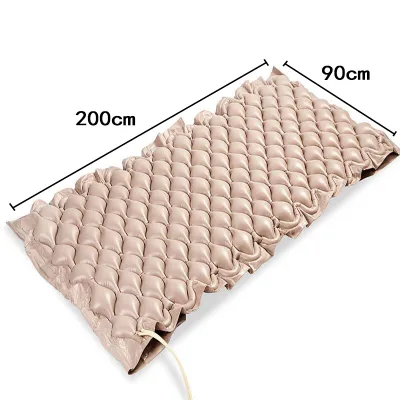
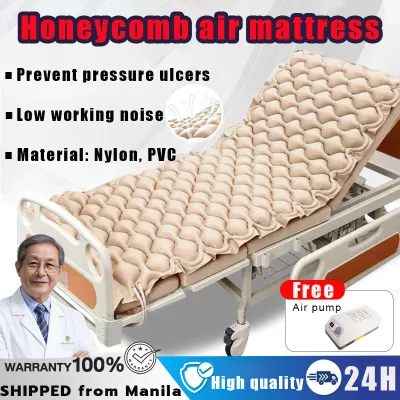
Consumer mattresses, such as high-quality latex or memory foam models, are designed primarily for prevention and mild risk management in individuals who retain some mobility. They are not active therapeutic medical equipment. If an individual has existing, advanced bed sores (Stage 2 or higher) or is completely immobile, they typically require active therapeutic medical mattresses, such as alternating pressure air mattresses or low air loss systems. These medical-grade systems use motorized pumps to continuously redistribute pressure and manage skin moisture. Always follow a doctor’s or occupational therapist’s specific recommendation for medical-grade equipment.
How does mattress firmness affect bed sore risk?
Mattress firmness has a direct impact on both pressure redistribution and physical mobility. A mattress that is too firm does not conform to the body, creating high-pressure zones over bony prominences. Conversely, a mattress that is too soft allows the body to sink too deeply, causing spinal misalignment and making it extremely difficult for the patient to turn or for caregivers to assist them. A medium-firm mattress is generally considered an ideal starting point, but the optimal choice depends on the individual’s body weight and specific mobility limitations. Always check the manufacturer’s firmness scale and specified weight limits before purchasing.
Can a mattress topper help prevent bed sores on an existing bed?
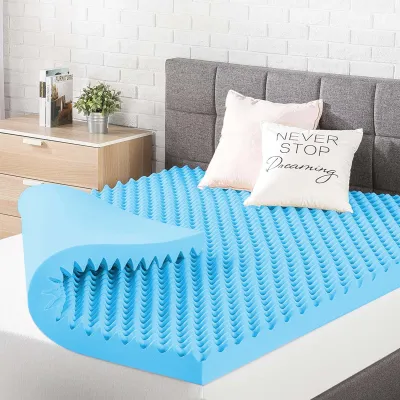
A high-quality memory foam or latex mattress topper can be a cost-effective, temporary solution to improve pressure redistribution on an existing firm mattress. Toppers work by adding a conforming comfort layer that helps disperse body weight more evenly. However, they have significant limitations compared to a fully integrated mattress system. Toppers can shift out of place, lack structured edge support, and may restrict overall breathability, potentially trapping heat and moisture. If you use a topper, regularly inspect it to ensure it does not bottom out under the patient’s heaviest areas, and verify that it does not interfere with the stability of the bed.
Community discussion
Share your experience or ask a question. Comments are reviewed before publication.