
Finding the right mattress is key to restorative sleep, but the decision becomes significantly more complex when dealing with a tropical climate. In the Philippines, where high temperatures and heavy humidity are year-round realities, your mattress material directly impacts how hot you sleep and how long your bed lasts. When shopping for a 48 x 75 mattress, you will primarily choose between three core materials: latex, innerspring, and memory foam. Each material interacts differently with heat, moisture, and body weight.
While there is no single mattress material that perfectly satisfies every individual sleeper, latex and innerspring models generally outperform traditional memory foam in hot, humid conditions. This performance gap is due to their superior structural ventilation, which prevents body heat from getting trapped. Memory foam, known for its deep contouring, tends to hug the body closely and restrict airflow, which can lead to uncomfortable heat retention unless the mattress is highly modified or used in a consistently air-conditioned room. To make an informed decision, you must weigh cooling performance, support preferences, durability under humid conditions, and your budget.
Sizing Up the 48×75 Mattress for Your Space
The 48 x 75 mattress size occupies a unique and highly practical position in the Philippine market. Often referred to locally as a semi-double or a small double, these dimensions (measuring 48 inches wide by 75 inches long, or approximately 122 by 190 centimeters) offer a comfortable compromise. They provide more sleeping surface than a standard single (36 x 75 inches), yet they occupy less floor space than a full double (54 x 75 inches). This makes the size exceptionally popular for studio apartments, condominiums in dense urban areas, shared bedrooms, and compact guest rooms.
Products mentioned in this guide

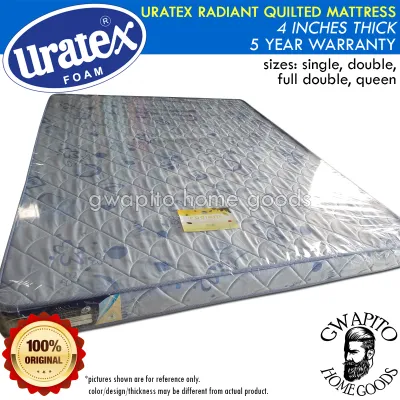

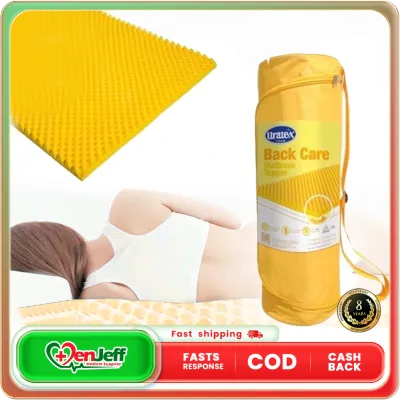

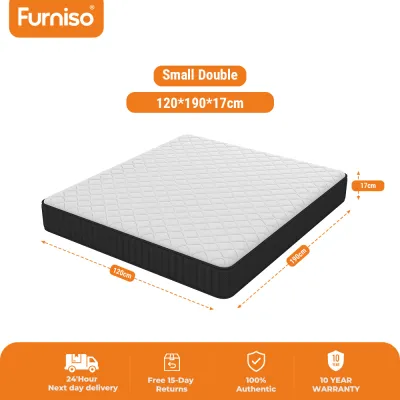
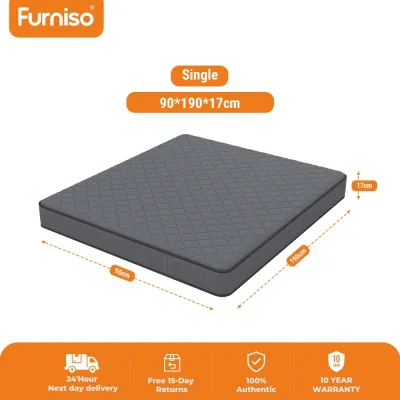
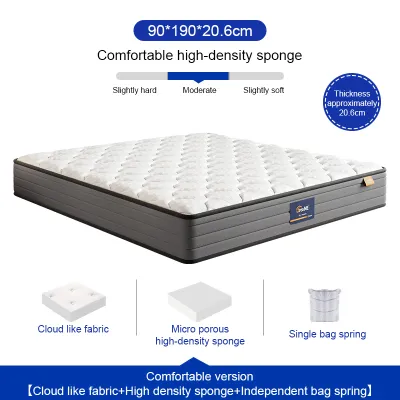
Prices are valid at publication and may change. Please refer to the product page for the latest price.
When planning your bedroom layout around a semi-double bed, space optimization must go hand-in-hand with airflow management. It is crucial to measure your room’s dimensions and ensure there is adequate clearance around the bed frame. Ideally, you should leave at least 60 to 70 centimeters of open space on the sides of the bed that are not pushed against a wall. This clearance is not only necessary for comfortable movement and bed-making, but it also plays a critical role in room ventilation.
In highly humid environments, placing a mattress directly against concrete walls or in tight, unventilated corners can trap stagnant air. This trapped air, combined with ambient moisture and body heat, creates a microclimate that encourages dampness. Over time, this localized humidity can cause mold and mildew to grow on the mattress cover, the wooden bed frame, or the wall itself.
Additionally, before completing your purchase, consider the physical delivery path. You must verify that a rigid mattress can clear your home’s doorways, tight hallway corners, stairwells, and elevator doors. While compressed, roll-packed foam mattresses are easy to maneuver through tight spaces, traditional innerspring models are rigid and cannot be bent without causing permanent structural damage to the steel coils.
Why Tropical Humidity Changes Your Mattress Choice
Sleeping comfortably in a tropical country like the Philippines requires understanding how ambient humidity and temperature affect physical materials. Relative humidity levels in the region regularly exceed 80 percent, particularly during the wet monsoon season. When you sleep, your body naturally regulates its internal temperature by releasing heat and moisture in the form of sweat. In a well-ventilated or cool environment, this moisture evaporates quickly. However, in a humid room, evaporation slows down, and if your mattress material is highly dense or non-breathable, it will absorb and retain this moisture.

Trapped moisture within a mattress does more than just create a clammy, uncomfortable sleeping surface; it actively accelerates the degradation of the mattress’s internal components. High humidity combined with body heat creates an ideal breeding ground for microscopic dust mites, mold spores, and mildew. These allergens can trigger respiratory issues, skin irritation, and unpleasant odors.
Furthermore, persistent moisture can compromise the structural integrity of various materials. For instance, high humidity can cause standard polyurethane foams to soften prematurely, leading to a loss of support and premature sagging. In low-quality innerspring models, constant exposure to damp air can cause the internal steel coils to rust, resulting in squeaking noises and structural failure. Therefore, evaluating a mattress based on its breathability, moisture-wicking capabilities, and structural airflow is essential for ensuring both a hygienic sleep environment and a long-lasting product.
Evaluating 48 x 75 Mattress Materials: Cooling, Support, and Humidity Resistance
To choose the right 48 x 75 mattress, you must understand how latex, innerspring, and memory foam behave under tropical conditions. Each material features a distinct internal structure that dictates how it manages heat, responds to weight, and resists moisture.
Latex: Breathable and Resilient
Latex mattresses are highly regarded for their natural cooling properties and exceptional durability. Natural latex is derived from the sap of rubber trees (Hevea brasiliensis), though synthetic and blended varieties are also common. The material features an inherent open-cell structure that allows air to circulate far more freely than traditional synthetic foams. To enhance this natural breathability, manufacturers typically mold latex cores with pincore ventilation holes—vertical channels that run through the material to promote continuous airflow as you move.
This open design prevents the mattress from trapping and storing body heat, helping to maintain a neutral sleeping temperature even on warm nights. Beyond temperature regulation, latex is naturally hypoallergenic, antimicrobial, and resistant to dust mites and mold. This resistance is a major benefit in the Philippines, where humid air constantly threatens to introduce allergens into household fabrics.
However, latex mattresses have specific trade-offs that you must consider. They are significantly heavier than polyurethane or memory foam options, making them more difficult to lift, rotate, or move during cleaning. They also provide a highly responsive, springy feel. Instead of sinking deeply into the mattress, you sleep on top of the surface, which offers excellent spinal alignment but less deep pressure relief. Finally, natural latex is a premium material that commands a higher price point, often making it the most expensive option among the three.
Innerspring: Maximum Airflow but Less Contouring
Innerspring mattresses utilize a network of steel coils to provide support. Because the core of an innerspring mattress consists mostly of open air, it inherently provides the highest level of ventilation of any mattress type. Heat and moisture generated by your body can easily pass through the comfort layers and escape through the open spaces between the coils, preventing heat buildup and keeping you cool throughout the night.
There are two primary types of coil systems: traditional Bonnell coils and pocketed coils. Bonnell coils are interconnected, creating a highly durable and traditional bouncy feel, though they tend to transfer motion across the bed. Pocketed coils are individually encased in fabric sleeves, allowing them to compress independently. This design significantly improves motion isolation and contouring support while still maintaining excellent airflow.
The main trade-off of an innerspring mattress is its limited natural contouring. To provide comfort, manufacturers add comfort layers on top of the coils, often referred to as pillow tops or Euro tops. When evaluating an innerspring mattress, you must look closely at the materials used in these top layers. If a manufacturer uses a thick, dense layer of cheap, non-breathable polyurethane foam on top of the coils, it can trap heat right against your body, effectively neutralizing the cooling benefits of the steel springs below. Look for comfort layers that utilize breathable wool, cotton, open-cell foam, or thin layers of latex to preserve the system’s overall airflow.
Memory Foam: Pressure Relief but Prone to Heat Retention
Memory foam, or viscoelastic polyurethane foam, is famous for its slow-moving, body-contouring properties. It reacts to your body weight and heat, softening to cradle your pressure points and distribute your weight evenly. This makes memory foam highly effective at relieving joint pain and isolating motion, ensuring that if you share your 48 x 75 mattress, you will not feel your partner tossing and turning.
Despite these comfort benefits, traditional memory foam is notoriously prone to heat retention. Because it is highly dense and contours closely to your body, it wraps around you and restricts air circulation. This close fit traps your body heat, which can make you feel uncomfortably warm and sweaty in a tropical climate. Furthermore, memory foam is highly sensitive to ambient temperatures; it becomes softer in warm rooms and firmer in cold, air-conditioned spaces. High humidity can also cause the foam to absorb moisture, which can accelerate the breakdown of its cellular structure and lead to premature sagging.
To combat these issues, modern manufacturers offer advanced foam formulations. These include open-cell memory foam, which has a less dense structure to allow more air passage, and gel-infused, copper-infused, or charcoal-infused foams designed to conduct heat away from the body. While these technologies improve cooling performance compared to traditional formulations, they still generally sleep warmer than latex or innerspring systems. If you choose a memory foam mattress, it is highly recommended to use it in a room with consistent air conditioning and a dehumidifier to maintain a comfortable sleeping temperature and protect the foam from moisture damage.
Side-by-Side Comparison for Tropical Sleep
When choosing a 48 x 75 mattress for a tropical bedroom, comparing the key performance metrics of each material side by side can help clarify your options. The table below evaluates latex, innerspring, and memory foam across five essential performance dimensions: airflow, moisture resistance, support feel, motion isolation, and relative price.
| Material Type | Airflow & Cooling | Moisture & Mold Resistance | Support & Feel | Motion Isolation | Relative Price Range |
|---|---|---|---|---|---|
| Latex | Excellent | High | Responsive, bouncy, and supportive | Moderate | ₱₱₱ (High) |
| Innerspring | Outstanding | Moderate to High | Active, bouncy, and highly supportive | Low to Moderate | ₱ to ₱₱ (Low to Mid) |
| Memory Foam | Low to Moderate | Low | Contouring, deep hug, and pressure-relieving | Excellent | ₱ to ₱₱₱ (Low to High) |
Use this comparison to align your mattress choice with your specific bedroom environment. For example, if you sleep in a room with natural ventilation and no air conditioning, prioritizing outstanding airflow and high moisture resistance is vital. Conversely, if you sleep in a climate-controlled room and prioritize pressure relief above all else, memory foam’s lower natural airflow may not be a limiting factor for you.
The Decision Framework: Which Material Fits Your Sleep Style?
Selecting the perfect 48 x 75 mattress material ultimately depends on your personal comfort preferences, budget, and bedroom setup. To help you finalize your decision, use this structured framework to match your sleeping habits with the right material.
- Choose Latex if: You want a naturally cool sleeping surface that does not rely on synthetic cooling gels. This option is ideal if you prefer a responsive, buoyant feel that makes it easy to change sleeping positions without feeling stuck. It is also excellent if you suffer from allergies and need a material that naturally resists dust mites, mold, and mildew in humid conditions, provided you have a flexible budget and view your mattress as a long-term investment.
- Choose Innerspring if: Your primary goal is to maximize airflow to stay cool on warm nights without running an air conditioner continuously. This is also the right choice if you prefer a traditional, bouncy support system with strong edge support, or if you are working with a moderate budget but still want a highly durable mattress that resists sagging.
- Choose Memory Foam if: You suffer from chronic joint, back, or hip pain and require deep, contouring pressure relief that cradles your body. It is also highly suitable if you share your bed and need outstanding motion isolation to prevent sleep disruptions from a partner's movements, and you plan to use the mattress in a bedroom that is consistently air-conditioned and well-ventilated.
- Verify first if: You are purchasing your mattress online. Before checking out, always read the manufacturer's sleep trial terms and return policies. A sleep trial of at least 90 to 100 nights allows your body to adjust to the new material in your actual home environment. Additionally, inspect the mattress cover and look for covers made from breathable, moisture-wicking natural fibers such as organic cotton, bamboo-derived rayon, or Tencel.
Protecting Your Mattress from Humidity and Moisture
Once you have selected your 48 x 75 mattress, implementing proper care and maintenance is essential for protecting your investment from the harsh tropical climate. High humidity and sweat can quickly degrade even the highest-quality materials if left unmanaged.
First, always use a high-quality, breathable, and waterproof mattress protector. A good protector acts as a barrier against sweat, body oils, and accidental spills, preventing them from seeping into the comfort layers and core of the mattress. Ensure the protector uses a breathable membrane (such as polyurethane rather than cheap vinyl) so that it does not trap heat and make you sleep hot.
Second, optimize your bed base and room ventilation. Avoid placing your mattress directly on the floor, as this completely blocks bottom ventilation and traps moisture underneath, leading to rapid mold growth. Instead, use a slatted bed frame with gaps of no more than 5 to 7 centimeters to allow air to circulate freely beneath the mattress. During dry, sunny days, open your bedroom windows to encourage fresh air circulation. During the humid rainy season, running a dehumidifier or using the “dry” mode on your air conditioner can help keep indoor humidity levels within a safe range.
Finally, establish a regular maintenance routine. Rotate your mattress 180 degrees every three to six months to ensure even wear and allow all areas of the bed to receive equal air exposure. Before applying any cleaning solutions, liquid spot treatments, or vacuuming attachments, always consult the manufacturer’s care label and instructions. If instructions conflict or are unclear, contact the manufacturer directly to avoid voiding your warranty or damaging the delicate fibers and foams of your mattress.
Community discussion
Share your experience or ask a question. Comments are reviewed before publication.