
Finding the right bed mattress is a highly personal decision that directly impacts your daily energy, spinal health, and overall comfort. In the Philippines, this choice is further shaped by high ambient temperatures and humidity levels that can turn a cozy bed into an uncomfortable heat trap. To find your ideal match, you must balance how a mattress supports your sleeping posture, manages motion transfer if you share a bed, and handles the tropical climate. The three leading options—latex, innerspring, and memory foam—each offer distinct physical properties. By evaluating how these materials interact with your body weight, sleep position, and local climate, you can confidently invest in a sleep surface that keeps you cool and properly aligned night after night.
Quick Guide: Which Bed Mattress Type Suits You Best?
Before exploring the technical details of each material, a quick diagnostic can help narrow down your choices based on your primary sleep needs and bedroom setup. The “best” bed mattress is not a single universal winner; instead, it is the one that aligns with your unique physical profile, sleep posture, and localized bedroom environment.
Choose Latex if:
Products mentioned in this guide
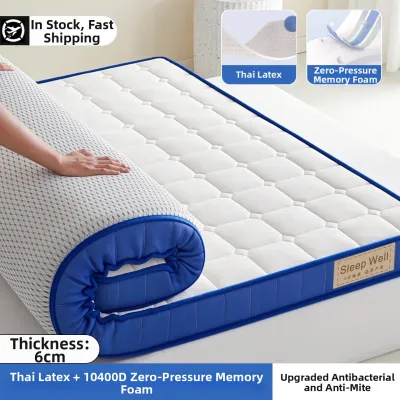
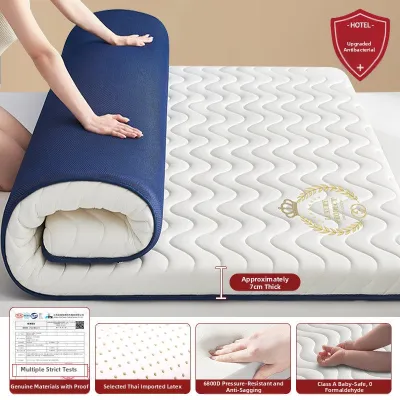
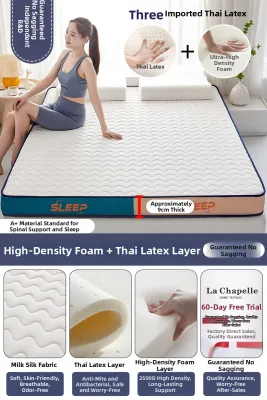
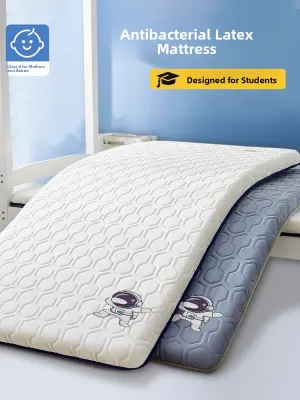
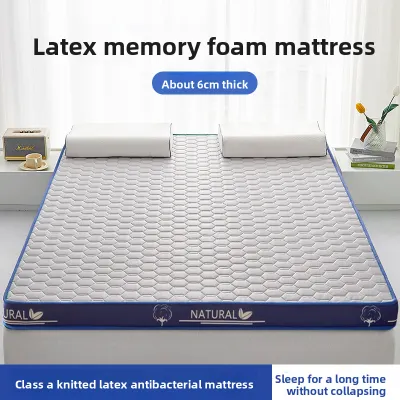
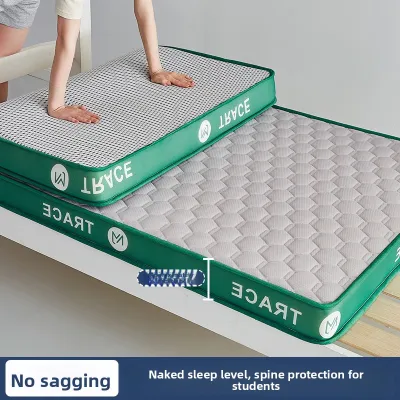
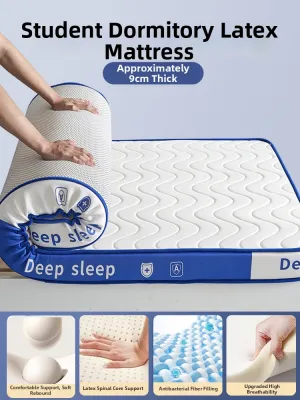
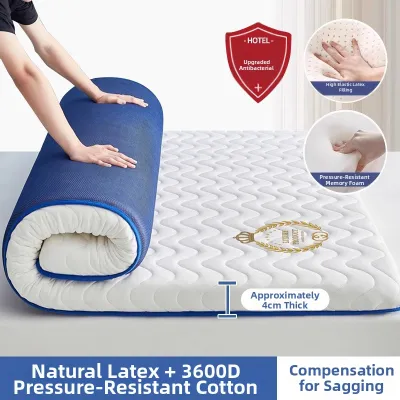
Prices are valid at publication and may change. Please refer to the product page for the latest price.
- You want a responsive, buoyant feel that keeps you lifted on top of the bed.
- You prefer natural breathability and materials that resist heat retention.
- You need a highly durable surface and dislike the feeling of sinking into a mattress.
Choose Innerspring if:
- You prefer a traditional bouncy feel with robust edge support.
- You sleep hot and want maximum airflow through the core of the mattress.
- You require a firm support base that prevents your midsection from sinking.
Choose Memory Foam if:
- You need deep pressure relief for sensitive joints, shoulders, and hips.
- You sleep with a restless partner and require superior motion isolation.
- You enjoy a body-hugging sensation that contours closely to your shape.
Core Comparison: Latex, Innerspring, and Memory Foam
To make an informed purchase, it is essential to understand what lies beneath the fabric cover of your mattress. The core support and comfort layers dictate everything from how easily you can roll over to how much heat the bed retains during warm tropical nights. Let us break down the physical characteristics, feel, and structural differences of these three primary mattress categories.

Latex Mattresses: Responsive and Breathable
Latex mattresses are highly regarded for their buoyant, elastic feel that keeps you lifted on top of the bed rather than sinking deep into it. This responsiveness makes it exceptionally easy to change sleeping positions throughout the night without feeling stuck in a body-shaped groove. The material instantly reacts to your movements, providing continuous support as you shift.
When shopping, you will encounter natural, synthetic, and blended latex options. Natural latex is derived from rubber tree sap and is prized for its resilience, while synthetic and blended versions offer alternative price points. It is crucial to check the manufacturer’s product label to verify the exact material composition and ensure it meets your expectations for quality and longevity.
From a temperature perspective, latex is naturally open-cell and often manufactured with a pin-core structure—a series of small, molded vertical holes. This design allows air to circulate freely under your body, making natural latex an excellent option for warm, humid environments where heat dissipation is a top priority.
Key Characteristics:
- Feel: Buoyant, springy, and active.
- Durability: High resistance to sagging over time when paired with a proper support foundation.
- Airflow: Excellent natural ventilation via pin-core holes.
Innerspring Mattresses: Classic Bounce and Airflow
Innerspring mattresses rely on a support core of steel coils to provide a firm, traditional, and highly responsive sleeping surface. Because the support comes from metal springs, these beds offer a distinct bounce that many sleepers find familiar and comforting. The structural integrity of the bed depends heavily on the coil count and the coil gauge, which you should verify on the product specification sheet.
Because a bare coil system would be uncomfortable, these mattresses feature a comfort layer on top, often styled as a sewn-on pillow top or a flush Euro top. This upper layer provides the necessary cushioning for your shoulders and hips, preventing the hard steel coils from creating painful pressure points. The quality of the stitching and the materials used in these top layers directly affect how well the mattress resists wear.
The open structure of an innerspring core is its greatest advantage in hot climates. Because the interior of the mattress is mostly open space between steel coils, air flows through the bed with minimal resistance, helping to carry away body heat and keep the sleep surface cool throughout the night.
Key Characteristics:
- Feel: Highly bouncy, traditional, and stable.
- Edge Support: Strong perimeter reinforcement due to sturdy border coils.
- Airflow: Maximum ventilation through the open coil chamber.
Memory Foam Mattresses: Contouring and Motion Isolation
Memory foam, or viscoelastic foam, is designed to respond to your body heat and weight, softening to contour precisely to your physical shape. This creates a deeply cradling, “hugging” sensation that distributes your body weight evenly across the bed mattress and relieves pressure on your joints. It is especially favored by those who prefer a mattress that molds to their exact silhouette.
The dense, uniform structure of memory foam is highly effective at absorbing kinetic energy, meaning it excels at isolating motion. If you sleep with a partner who tosses and turns, memory foam prevents that movement from traveling across the bed and waking you up. The lack of bounce ensures a quiet, undisturbed sleep surface.
However, this dense structure also means that traditional memory foam can trap body heat, which can be a significant drawback in tropical regions. To counter this, look for modern cooling technologies such as gel infusions, open-cell foam formulations, or phase-change covers designed to pull heat away from the body. Always check the product specifications to confirm if these cooling features are integrated.
Key Characteristics:
- Feel: Deeply contouring, slow-moving, and cradling.
- Motion Isolation: Superb dampening of all surface movement.
- Heat Retention: Higher potential to trap heat unless specifically engineered with cooling features.
Matching Mattress Types to Your Sleep Position and Body Weight
Your sleep position and body weight are the two most critical factors in determining how a bed mattress performs. Proper spinal alignment is essential to prevent waking up with back pain, and different physical profiles require different combinations of support and comfort layers.
Side Sleepers: When you sleep on your side, your shoulders and hips protrude deeply into the mattress, bearing the majority of your body weight. To prevent pressure sores and maintain a straight spine, side sleepers require a mattress with deep contouring and pressure relief. Memory foam or softer latex mattresses are highly suitable here, as they cushion these prominent joints while supporting the waist and lower back. If an innerspring mattress is preferred, it should feature a thick, plush pillow top to provide adequate cushioning.
Back and Stomach Sleepers: These positions require a flatter, firmer surface to keep the spine in a neutral alignment. If your midsection sinks too deeply into the bed, it puts excessive strain on your lower back. Back and stomach sleepers generally benefit from the robust support of an innerspring mattress or a firm latex model, which keeps the hips level with the shoulders. A mattress that is too soft will cause the pelvis to sag, leading to morning stiffness.
Body Weight Considerations: Your physical mass determines how deeply you will compress the mattress layers. Lightweight sleepers (typically under 60 kg) may not apply enough pressure to compress firm foam layers or stiff steel coils, making a firm mattress feel like a hard board; they often prefer softer comfort layers. Conversely, heavier sleepers (typically over 90 kg) require high-density foams or robust, lower-gauge steel coils to prevent bottoming out and to ensure the mattress does not sag prematurely. Always verify the manufacturer’s specified load capacity and layer densities to ensure the mattress can support your weight over the long term.
Partner Disturbance and Edge Support: Sharing the Bed
Sharing a bed mattress introduces unique challenges, particularly if you and your partner have different sleep schedules, movement patterns, or physical sizes. To ensure both sleepers get undisturbed rest, you must evaluate motion isolation and edge support.
Motion Isolation: If your partner is a restless sleeper, a mattress that transfers movement can cause frequent nighttime awakenings. Memory foam is the undisputed leader in motion isolation, absorbing localized pressure and movement so completely that you are unlikely to feel your partner turning over. Traditional interconnected innerspring systems, on the other hand, tend to transfer motion across the entire surface, though modern pocketed coil designs mitigate this by allowing each spring to compress independently. Latex offers a middle ground, providing some bounce while keeping motion transfer relatively localized.
Edge Support: Edge support refers to the stability of the mattress perimeter when you sit on the side or sleep near the edge. Robust edge support maximizes the usable sleeping surface, which is crucial for couples sharing smaller bed sizes. Innerspring mattresses, especially those with reinforced wire borders or dense foam encasements, offer excellent edge support, preventing the feeling of rolling off the bed. Latex also maintains good perimeter stability due to its natural resilience, whereas standard memory foam can compress significantly under localized weight at the edge, reducing the stable sleep area.
Tropical Climate Considerations in the Philippines
Sleeping in the Philippines means dealing with year-round warmth and high humidity levels, which can significantly affect both your sleep quality and the lifespan of your bed mattress. High humidity can cause moisture to accumulate within the mattress layers, creating an environment prone to mold, dust mites, and material degradation. Therefore, temperature regulation and breathability are paramount when selecting your bed.
To maintain a cool and hygienic sleeping environment, prioritize breathability and moisture management. Natural latex is highly recommended for tropical climates due to its open-cell structure and pin-core ventilation, which do not trap moisture. If you prefer the contouring of memory foam, ensure it features gel infusions or open-cell technology, and pair it with a highly breathable, moisture-wicking cover made of bamboo, Tencel, or cotton.
Protecting your investment requires proactive maintenance tailored to humid conditions. Always use a breathable, waterproof mattress protector to shield the internal layers from sweat, ambient humidity, and accidental spills. Additionally, check your manufacturer’s care instructions regarding ventilation; periodically airing out the mattress in a well-ventilated room with a fan or dehumidifier can prevent mold growth and preserve the structural integrity of the foams and fabrics.
Decision Framework: Finalizing Your Bed Mattress Choice
To make your final decision, synthesize your personal preferences, physical profile, and environmental conditions into a clear action plan. Use this structured decision framework to guide your purchase:
Choose Latex if:
- You want a responsive, bouncy bed that makes it easy to move.
- You prioritize natural, durable materials that resist sagging.
- You sleep hot and need a naturally breathable, ventilated surface.
Choose Innerspring if:
- You prefer a traditional feel with excellent edge support.
- You want maximum airflow through the core of the mattress.
- You are on a budget and prefer widely available, classic designs.
Choose Memory Foam if:
- You require deep pressure relief for joint pain or side sleeping.
- You share a bed and need superior motion isolation.
- You enjoy a body-hugging feel and have access to air conditioning or cooling foam technologies.
Practical Pre-Purchase Steps:
- Measure Your Space: Verify the finished dimensions of your bed frame, and ensure you have clear access through doorways, stairwells, and lifts for delivery.
- Check the Support System: Ensure your existing bed frame or foundation is stable, level, and compatible with your chosen mattress type (e.g., solid slats for heavy latex or foam).
- Review the Warranty and Trial: Check the manufacturer's warranty terms and return policies, especially regarding weight limits and the required center support for the frame.
Frequently Asked Questions (FAQ)
Can I flip or rotate my memory foam or latex mattress?
Most modern memory foam and latex mattresses are designed with a specific top-to-bottom layout, featuring a soft comfort layer on top and a dense support layer at the base. Because of this single-sided construction, you should not flip them upside down. However, to prevent uneven wear and body impressions, you should rotate the mattress 180 degrees every three to six months. Always verify the specific care instructions on your product’s label to ensure you maintain your warranty validity.
Do innerspring mattresses sag faster than foam?
A mattress’s resistance to sagging depends on the quality of its materials, your body weight, and the adequacy of its foundation rather than the category alone. Low-density foams and thin, low-quality steel coils can both sag prematurely. To ensure long-term durability, check the manufacturer’s specifications for coil gauge (lower numbers mean thicker, more durable steel) and foam density. Additionally, ensure your bed frame provides strong center support, as a sagging foundation will cause any mattress to sag over time.
Community discussion
Share your experience or ask a question. Comments are reviewed before publication.