
Sleeping comfortably in a tropical climate requires careful consideration of your bedding. When humidity levels soar and night temperatures remain high, finding the right mat for sleeping or a supportive mattress becomes a primary factor in getting restorative rest. The choice between latex, innerspring, and memory foam is not just about softness; it dictates how well your bed manages heat, handles ambient moisture, and supports your body through humid nights.
Quick Answer: Which Mattress Material Wins in a Tropical Climate?
There is no single “best” mattress material for every sleeper in the Philippines, as the ideal choice depends on your personal cooling needs, budget, and support preferences. However, when it comes to managing high temperatures and humidity, innerspring and natural latex mattresses generally lead the pack due to their superior inherent airflow. Traditional memory foam tends to retain body heat, which can make it uncomfortable in tropical climates unless it is engineered with specific, verifiable cooling technologies like gel infusions or open-cell structures.
Beyond the core material, you must also consider the mattress cover and the ventilation of your bed frame. A highly breathable mattress can still trap heat if it is encased in a synthetic, non-breathable cover or placed on a solid wooden platform that blocks airflow. Therefore, temperature regulation is a system-wide effort that involves every layer of your sleep setup.
Products mentioned in this guide
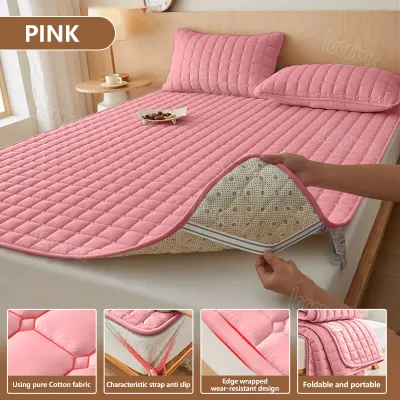
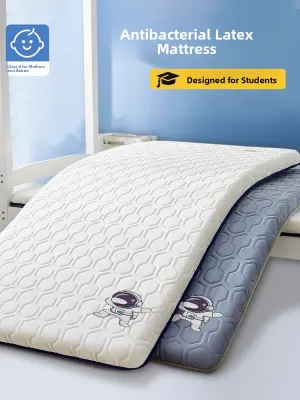
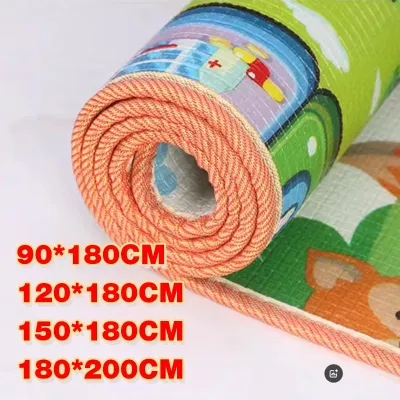
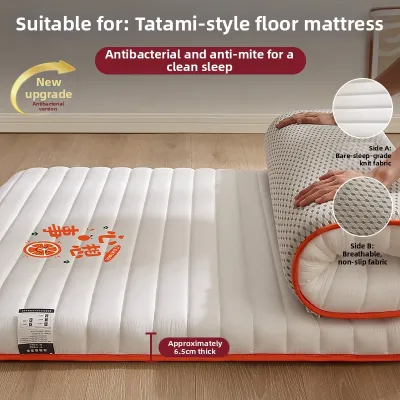
Prices are valid at publication and may change. Please refer to the product page for the latest price.
Temperature Regulation: Beating the Heat and Humidity
In a country where daytime heat often lingers long into the night, temperature regulation is the most critical factor when choosing a mattress. High humidity prevents sweat from evaporating efficiently, making any heat trapped by your bed feel much more intense. To stay comfortable, your mattress must either allow heat to escape or actively resist absorbing your body warmth.

Innerspring: Maximum Airflow
Innerspring mattresses are highly effective at promoting airflow because of their open internal structure. The steel coil network creates a vast amount of open space inside the mattress, allowing air to circulate freely with every movement you make. This continuous ventilation helps dissipate body heat and prevents the core of the bed from becoming a heat sink during warm nights.
However, the actual temperature you feel on the surface is heavily influenced by the comfort layers placed on top of the coils. A mattress with a thick, dense foam pillow-top can still trap significant heat, even if the spring system below is perfectly breathable. When evaluating an innerspring option, always check the specifications of these upper layers to ensure they use breathable fabrics or ventilated foams rather than dense, solid synthetic materials.
Latex: Natural Breathability
Natural latex is highly regarded for its temperature neutrality, making it an excellent option for tropical climates. This material is manufactured with a system of pinholes that are created during the molding process, which, combined with the natural open-cell structure of rubber sap, allows air to pass through easily. Unlike synthetic foams, natural latex does not rely on your body heat to contour, meaning it does not trap warmth around your body.
It is important to distinguish between natural latex and synthetic blends, as synthetic options may not offer the same level of breathability. Additionally, even a natural latex mattress can feel warm if it is wrapped in a tight, synthetic cover. To maximize the cooling benefits of latex, look for mattresses encased in organic cotton or breathable bamboo-derived covers, which facilitate moisture-wicking and air movement.
Memory Foam: The Heat Retention Challenge
Traditional memory foam is notorious for heat retention due to its dense, viscoelastic structure. This material responds to your body heat and weight to contour closely to your shape, but this close fit restricts airflow around your skin while the dense foam absorbs and holds onto your warmth. In a humid environment, this can quickly lead to an uncomfortable, sweaty sleeping experience.
To address this issue, manufacturers introduce various cooling modifications, such as infusing the foam with gel, copper, or graphite, or creating open-cell structures that allow more air passage. While these technologies can help mitigate heat buildup, their performance can vary significantly in high-humidity conditions. You should verify these cooling claims by checking the manufacturer’s technical specifications and reading independent user reviews rather than assuming every “cooling” label delivers the same results.
Comfort, Support, and Motion Isolation
While staying cool is essential, your mattress must also provide the right balance of support and comfort to prevent aches and pains. Each of the three materials distributes body weight differently and responds uniquely to movement, which affects how comfortable the bed feels over long periods of time.
Pressure Relief and Body Contouring
Memory foam is famous for its deep contouring “hug,” which cradles your joints and distributes your body weight evenly across the surface. This makes it highly effective at relieving pressure on your shoulders, hips, and lower back, especially for side sleepers. The sensation is often described as sleeping “in” the mattress rather than “on” it.
In contrast, natural latex provides a highly responsive, buoyant support system. Instead of sinking deep into the material, you experience an upward push that keeps your body aligned on top of the mattress surface. This prevents the feeling of being stuck in a hole and makes it much easier to turn over, while still offering excellent pressure relief for your joints.
Innerspring mattresses offer a firmer, more traditional bounce with minimal contouring from the coils themselves. The support is highly active and keeps your spine aligned, but the surface comfort relies almost entirely on the quality of the top upholstery layers. If you prefer a solid, flat sleeping surface with a classic feel, an innerspring mattress provides that familiar, elevated support.
Motion Transfer and Edge Support
If you share your bed with a partner, motion isolation is a crucial factor to prevent sleep disruptions. Memory foam excels in this category, absorbing movement so completely that you are unlikely to feel your partner turning over or getting out of bed. Latex also performs very well, offering localized bounce without transferring significant motion across the entire mattress surface.
Traditional innerspring mattresses, particularly those using older Bonnell or continuous coil systems, tend to transfer a lot of motion, meaning every movement can be felt on the other side of the bed. However, modern pocketed coil systems, where each spring is wrapped in its own fabric sleeve, greatly improve motion isolation by allowing the coils to compress independently.
When it comes to edge support, innerspring mattresses are generally superior. They often feature reinforced steel borders or dense foam encasements around the perimeter, which prevents the sagging or rolling-off sensation when you sit or sleep near the edge. Memory foam and latex mattresses can compress significantly at the edges, which reduces the usable sleeping surface if you tend to sleep near the sides.
Weight and Mobility Considerations
When selecting a mattress, you must also prioritize practical spatial constraints such as finished dimensions, available bedroom space, and doorway or lift access. High-density latex or solid memory foam mattresses cannot be easily bent or compressed once unrolled, making narrow stairwells and small condo elevators in urban areas a significant delivery challenge. Always measure your entryways and compare them against the product’s finished dimensions before finalizing your purchase.
Furthermore, solid latex and high-density memory foam mattresses are exceptionally heavy and limp, making them difficult to lift, rotate, or move between rooms. In contrast, innerspring mattresses are structurally rigid and generally lighter, making them easier to handle. This rigidity makes it simpler to tuck in sheets, lift the corners for cleaning, or rotate the mattress to ensure even wear.
Durability, Maintenance, and Humidity Resistance
The tropical climate of the Philippines, characterized by high humidity and seasonal monsoons, presents unique challenges for mattress longevity and hygiene. Moisture from the air and sweat can penetrate mattress materials, leading to premature degradation, odors, and mold growth if not properly managed.
Innerspring mattresses are vulnerable to the effects of prolonged moisture, as high humidity can cause the internal steel coils to oxidize or rust over time. This can lead to squeaking, structural weakening, and a shorter lifespan for the mattress. To mitigate this risk, ensure your bedroom is well-ventilated, use a breathable, slatted bed frame that allows air to reach the bottom of the mattress, and invest in a high-quality, moisture-wicking mattress protector.
Natural latex is highly resilient in humid conditions because it is naturally resistant to dust mites, mold, and mildew. This makes it an exceptionally hygienic choice for tropical homes. However, latex has a critical maintenance rule: it must never be exposed to direct sunlight. Ultraviolet rays quickly break down the natural rubber proteins, causing the material to dry out, crack, crumble, and lose its supportive properties.
Memory foam mattresses require careful monitoring in humid environments because their dense structure can trap moisture underneath, especially if placed on a solid platform or directly on the floor. This trapped moisture can create a breeding ground for mold and mildew. To protect your investment, strictly follow the manufacturer’s care instructions, use a breathable and water-resistant protector, and ensure your bed frame has adequate slats to facilitate continuous airflow beneath the mattress.
Decision Framework: Choosing Your Ideal Mat for Sleeping or Mattress
Selecting the right sleeping surface involves balancing your personal comfort preferences with the practical realities of your living environment. Use the following guidelines to determine which material aligns best with your needs:
Choose an Innerspring Mattress if:
- You prioritize maximum airflow and want a bed that stays naturally cool without relying on chemical cooling additives.
- You prefer a traditional, bouncy feel and want strong edge support for sitting or sleeping near the perimeter.
- You are working with a stricter budget, as basic innerspring models are often highly affordable.
- You want a lighter mattress that is easier to lift, rotate, and clean.
Choose a Latex Mattress if:
- You want a responsive, buoyant sleeping surface that keeps you positioned on top of the bed rather than sinking in.
- You are looking for a highly durable, natural material with inherent resistance to dust mites and mold.
- You prefer a temperature-neutral surface and are willing to invest in a premium, long-lasting product.
- You want excellent motion isolation but still enjoy a bit of natural bounce.
Choose a Memory Foam Mattress if:
- You need targeted pressure relief for joint pain or pressure points and enjoy a deep, contouring hug.
- You sleep with a highly active partner and require maximum motion isolation to prevent sleep disruptions.
- You are willing to spend time researching and investing in high-quality models that feature verified, advanced cooling technologies.
- You have a well-ventilated bedroom, preferably with regular air conditioning, to manage ambient heat and humidity.
Before making a final purchase, especially when shopping online, always verify the product specifications. Look closely at the sleep trial period, return policies, and warranty terms. Ensure that any cooling claims are backed by clear material descriptions, such as open-cell foam structures or gel infusions, rather than generic marketing terms.
Frequently Asked Questions (FAQ)
Can I use a traditional woven sleeping mat over a mattress?
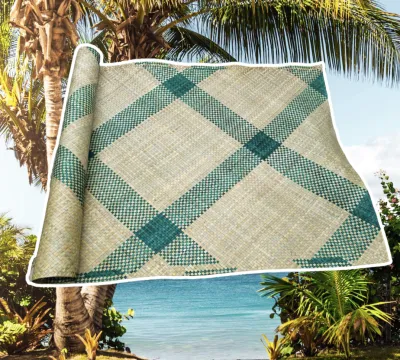
Yes, placing a traditional woven sleeping mat, such as a banig, over your modern mattress is an effective way to enhance surface cooling. These natural, woven materials allow air to circulate directly beneath your body, preventing heat from getting trapped against the mattress fabric. If you choose to do this, ensure the mat is clean, smooth, and free of sharp or rigid edges that could snag the mattress cover or cause uneven wear, which could potentially void your mattress warranty.
How often should I rotate my mattress in a humid climate?
You should always check your mattress manufacturer’s specific care label first, as some modern designs are single-sided and should not be flipped, though they can still be rotated. As a general guideline for humid climates, rotating your mattress 180 degrees every 3 to 6 months is highly recommended. This practice ensures that body weight is distributed evenly over time, prevents localized sagging, and allows different areas of the mattress to ventilate, which helps reduce the risk of moisture buildup and mold growth.
Community discussion
Share your experience or ask a question. Comments are reviewed before publication.