
Quick Answer: Which Mattress Material Handles Heat and Humidity Best?
Selecting the right mattress in a tropical climate like the Philippines requires balancing personal comfort with the realities of high heat and relative humidity. While no single material is universally perfect for every sleeper, innerspring mattresses generally offer the best baseline airflow due to their open, hollow coil structure. This design allows heat to escape rather than trapping it beneath your body.
Natural latex is an exceptional premium alternative for humid environments. It provides excellent natural breathability, moisture resistance, and long-term structural durability without harboring mold or dust mites. Traditional memory foam tends to retain heat and absorb moisture, making it less ideal for tropical climates unless it is specifically engineered with verifiable cooling technologies, such as open-cell structures, gel infusions, or phase-change covers.
How Tropical Climates Affect Your Sleep and Mattress Lifespan
High ambient temperatures and elevated humidity levels present unique challenges for sleep quality and mattress longevity. When the relative humidity regularly exceeds 80%, the body’s natural cooling mechanism—sweat evaporation—is severely hindered. This leads to increased night sweats, which deposit moisture directly into your bedding and the core layers of your mattress.
Products mentioned in this guide
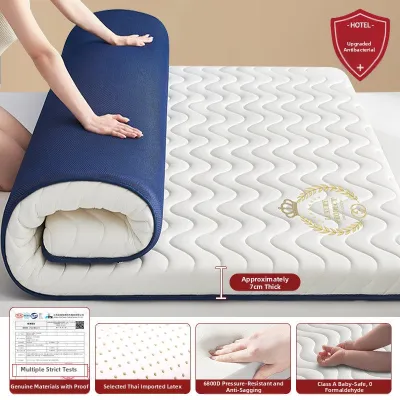
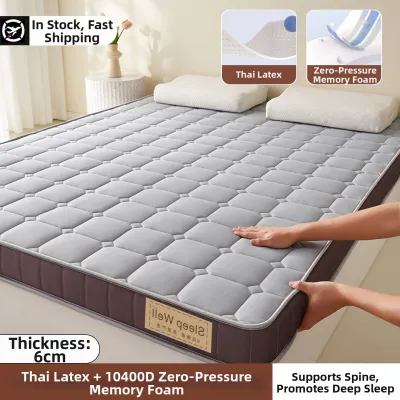
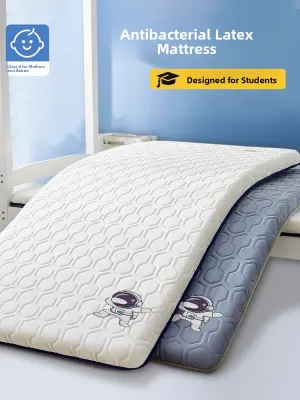
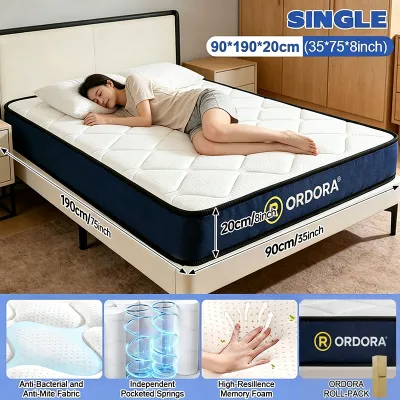
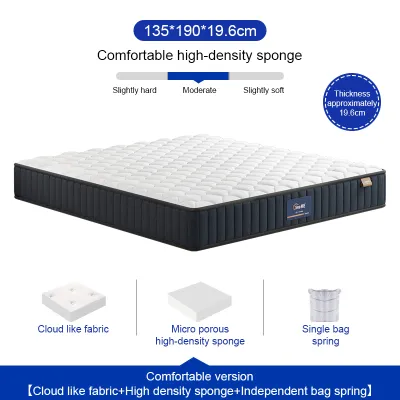

Prices are valid at publication and may change. Please refer to the product page for the latest price.

Over time, trapped moisture degrades the internal components of a mattress. Standard polyurethane foams can undergo hydrolytic degradation, a chemical breakdown caused by heat and moisture that leads to premature softening, sagging, and a loss of support. Furthermore, a damp mattress environment serves as a breeding ground for mold, mildew, and dust mites, which thrive in warm, humid conditions.
To maintain a hygienic sleeping environment in a tropical climate, prioritizing material breathability, moisture-wicking covers, and structural resilience is just as critical as choosing the correct firmness level. A mattress that cannot dissipate moisture efficiently will not only sleep hot but will also require replacement much sooner than its rated lifespan.
Innerspring Mattresses: Airflow and Traditional Support
Innerspring mattresses are highly effective at temperature regulation due to their open internal construction. The vast majority of an innerspring mattress’s volume consists of empty space between steel coils, which facilitates continuous, passive airflow. As you move during the night, you act as a natural bellows, pushing warm air out of the mattress core and drawing cooler air in from the sides.
However, the overall thermal performance of an innerspring mattress is heavily influenced by its comfort layers. A mattress with an open coil system can still sleep hot if it is topped with a thick, dense layer of low-quality foam or a heavy polyester pillow top. When shopping, seek models that utilize breathable comfort materials such as organic cotton, wool, or bamboo-derived rayon covers, which naturally wick away moisture before it reaches the core.
From a structural standpoint, steel coils are impervious to the softening effects of humidity, ensuring consistent support over years of use. However, the surrounding comfort padding, edge support foams, and fabric encasements remain vulnerable to moisture accumulation. To prevent dampness and subsequent odors, ensure your bed frame provides adequate ventilation from below, such as a slatted base with gap widths of no more than three inches.
Before purchasing an innerspring mattress, verify the finished dimensions and weight to ensure it can be safely navigated through your doorways, stairwells, or condominium lifts. Traditional innerspring units cannot be easily folded or compressed without damaging the border wires, making delivery access a primary logistical consideration.
Memory Foam Mattresses: Contouring Comfort vs Heat Retention
Traditional memory foam, or viscoelastic polyurethane foam, is renowned for its pressure-relieving capabilities and exceptional motion isolation. It contours closely to the body by softening in response to body heat and pressure. However, this close contouring creates a deep cradle that restricts airflow around your skin, while the dense, closed-cell molecular structure of the foam acts as an insulator, trapping body heat.
In warm tropical regions, this heat-trapping characteristic can make sleeping uncomfortable without continuous air conditioning. Additionally, low-density memory foams are highly susceptible to moisture absorption, which accelerates the breakdown of the foam’s cellular walls, leading to permanent body indentations and a loss of spinal support.
If you prefer the contouring feel of memory foam, it is essential to look for modified formulations designed to mitigate heat retention. Open-cell memory foam features a more porous structure that allows air to pass through more freely. Gel-infused or copper-infused foams are designed to conduct heat away from the body, though their cooling effect may diminish once the material reaches thermal equilibrium. Always check the product label to verify that the foam is paired with a highly breathable, moisture-wicking cover material to help dissipate humidity at the surface.
Latex Mattresses: Natural Breathability and Durability
Natural latex is harvested from the sap of the rubber tree (Hevea brasiliensis) and processed into a resilient, supportive foam. It possesses an inherent open-cell structure that does not trap heat in the manner of synthetic foams. Additionally, during the manufacturing process, latex cores are molded with a grid of pinholes, which dramatically enhances air circulation throughout the entire mattress.
This material is exceptionally well-suited for humid climates due to its natural resistance to dust mites, mold, and mildew. Because natural latex does not retain moisture or support fungal growth, it remains hygienic and structurally sound even during prolonged monsoon seasons. To maximize these benefits, verify that the mattress is certified as 100% natural latex rather than a synthetic or blended latex, as synthetic alternatives are less breathable and degrade more rapidly under thermal stress.
When comparing latex options, you will encounter two primary manufacturing methods:
- Talalay Latex: This process involves vacuum-sealing and flash-freezing the liquid latex, resulting in a highly consistent, lighter, and more breathable foam that offers excellent pressure relief and a softer feel.
- Dunlop Latex: This traditional method involves pouring the latex and baking it, which creates a denser, more supportive, and slightly firmer foam that is highly durable and ideal for base support layers.
Because natural latex is exceptionally heavy and flexible, it requires a robust bed frame with a high load capacity. Ensure your bed base is structurally sound and that you have planned for adequate assistance during delivery and installation, as a queen-size natural latex mattress can easily exceed 45 kilograms.
Feature-by-Feature Comparison for Hot and Humid Environments
To help you evaluate these materials, the table below summarizes how each mattress type performs across the key environmental dimensions of a tropical climate.
| Mattress Type | Airflow & Breathability | Moisture & Mold Resistance | Heat Retention Risk | Expected Durability in Humidity |
|---|---|---|---|---|
| Innerspring | Excellent (due to open coil core) | Moderate (coils are resistant, but padding can trap moisture) | Low (if paired with breathable comfort layers) | High (coils maintain tension; padding may wear first) |
| Memory Foam | Low (dense, closed-cell structure) | Low (absorbs ambient moisture and sweat easily) | High (contours closely and traps body heat) | Moderate to Low (humidity accelerates foam softening) |
| Natural Latex | Very High (open-cell and pinhole design) | Excellent (naturally antimicrobial and mold-resistant) | Very Low (highly responsive, minimal body sinkage) | Very High (highly resilient to moisture and heat degradation) |
When interpreting these characteristics, consider your specific sleeping environment and physical needs. For example, if you sleep without air conditioning and prioritize maximum cooling, an innerspring mattress or a natural latex model is generally the most reliable choice. If you suffer from joint pain and require the deep pressure relief of memory foam, you should expect to invest in a high-quality, open-cell model and utilize active climate control, such as a dehumidifier, in your bedroom.
How to Choose the Right Mattress for Your Specific Needs
Selecting the ideal mattress involves matching your local environmental conditions with your personal sleep preferences and budget. Use the following conditional framework to guide your decision:
- Choose Innerspring if: You prioritize maximum airflow, prefer a traditional bouncy feel, sleep hot, and want a widely available option across various price points (typically ranging from budget-friendly to mid-range configurations).
- Choose Memory Foam if: You require targeted pressure relief for joint pain, need excellent motion isolation to prevent waking your partner, sleep in an air-conditioned room, and can verify that the model features open-cell construction or gel infusions paired with a breathable cover.
- Choose Latex if: You want a highly durable, naturally hypoallergenic, and responsive sleeping surface, prefer eco-friendly materials, and have a higher budget (typically ₱40,000 or more) to invest in long-term comfort and structural resilience.
- Verify first if: You are considering a hybrid mattress. Hybrid models combine an innerspring coil base with upper layers of memory foam or latex. If you choose a hybrid, ensure the comfort layers are not excessively thick (ideally under three inches of foam) to prevent blocking the natural airflow provided by the underlying coils.
Regardless of the type you choose, always check the finished dimensions of the mattress against your bed frame. Ensure the frame’s load capacity can support both the weight of the mattress and the sleepers, especially when opting for heavy latex or high-coil-count innerspring models.
Essential Maintenance Tips to Protect Your Mattress in High Humidity
To maximize the lifespan of your mattress and maintain a hygienic sleeping environment in a tropical climate, implement these practical maintenance steps:
- Use a Breathable, Waterproof Protector: Invest in a high-quality mattress protector that features a polyurethane membrane. This barrier blocks sweat, body oils, and ambient moisture from penetrating the mattress core while remaining breathable enough to allow heat to escape.
- Control Indoor Humidity: Whenever possible, use air conditioning or a dedicated dehumidifier in your bedroom to keep the relative humidity below 60%. This significantly reduces the risk of mold growth and dust mite proliferation.
- Rotate the Mattress Regularly: If your manufacturer's care instructions allow, rotate your mattress 180 degrees every three to six months. This ensures even wear on the comfort layers and prevents localized sagging where body heat and weight are concentrated.
- Air Out the Mattress: Periodically strip all bedding, including the mattress protector, and allow the mattress to air out for several hours. Running a fan in the room during this time helps evaporate any lingering moisture from the surface layers.
- Check Care Labels Before Cleaning: If you need to clean a spill or stain, always consult the manufacturer's care label first. Avoid using excessive water or harsh liquid cleaners, as moisture trapped inside foam layers can lead to internal mold growth. Never expose natural latex or memory foam mattresses to direct, intense sunlight, as ultraviolet rays can rapidly degrade and crumble these materials.
Frequently Asked Questions (FAQ)
Do I need a cooling mattress topper in a tropical climate?
While a highly breathable mattress topper made of natural latex or open-cell foam can improve surface comfort and reduce immediate heat retention, it cannot resolve the underlying issues of a fundamentally hot mattress. If your current mattress has a dense, closed-cell foam core that traps heat, a topper will only provide temporary relief and may add extra insulation. Before purchasing a topper, verify its material composition and thickness, and ensure that adding it does not compromise your bed frame’s safety clearance or void your existing mattress warranty.
How often should I replace my mattress in a high-humidity environment?
In high-humidity environments, mattresses can degrade faster than the standard seven-to-ten-year industry average. Constant exposure to moisture and warmth accelerates the softening of polyurethane foams and the breakdown of comfort fibers. Rather than relying on a strict timeline, monitor your mattress for physical indicators of wear. If you notice visible sagging, persistent musty odors, deep body indentations that do not recover, or an increase in morning allergy symptoms, it is time to inspect your mattress and plan for a replacement.
Community discussion
Share your experience or ask a question. Comments are reviewed before publication.