
Sleeping comfortably in the Philippines requires a mattress that can handle both high temperatures and intense tropical humidity. When comparing the three primary mattress types, innerspring mattresses sleep the coolest because their open coil structure allows air to circulate freely. Latex mattresses are a close second, offering natural breathability through open-cell structures and ventilation channels. Traditional memory foam mattresses retain the most heat due to their dense, body-contouring design, though modern variations with open-cell structures or cooling infusions attempt to mitigate this issue.
Choosing the right mattress involves balancing these temperature-regulating properties with your personal comfort preferences, body weight, and sleeping position. In a climate where night temperatures often remain high, understanding how mattress construction affects airflow is the key to avoiding restless, sweaty nights.
What Makes a Mattress Sleep Cool in a Tropical Climate?
To understand why mattresses perform differently in the heat, you must look at how their internal structures manage thermal energy and moisture. In a tropical climate, your body continuously transfers heat and sweat to the bed. If the mattress cannot dissipate this heat or allow moisture to evaporate, the surface temperature rises, creating a humid microclimate directly beneath your body.
Products mentioned in this guide
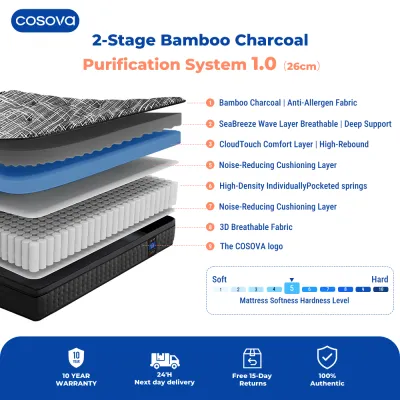
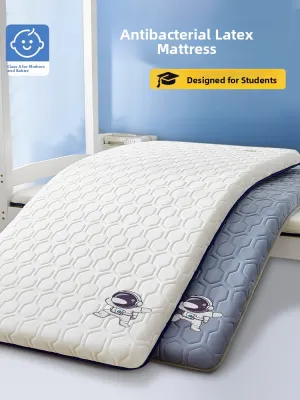
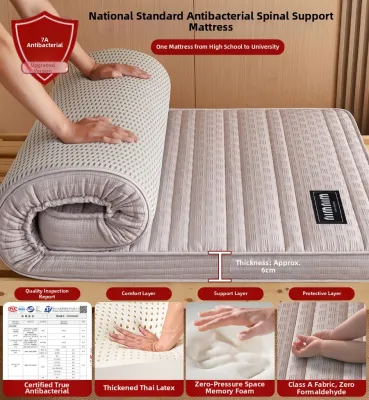
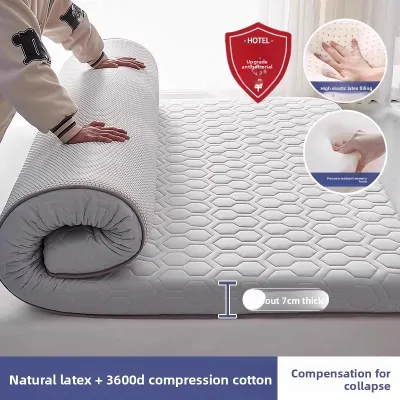
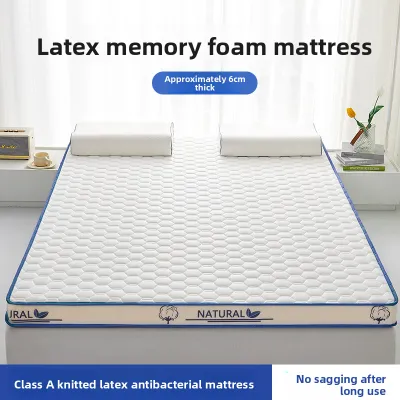
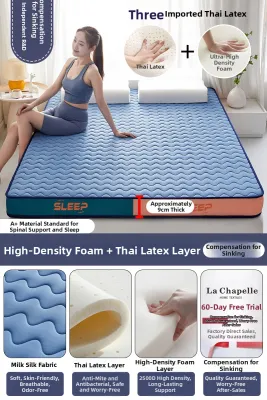
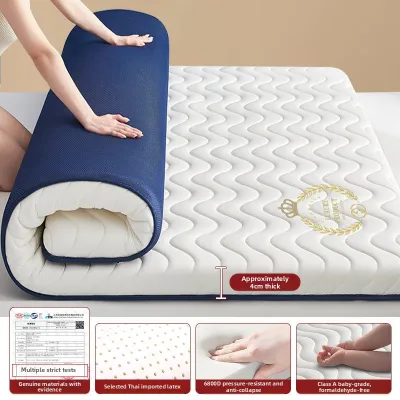
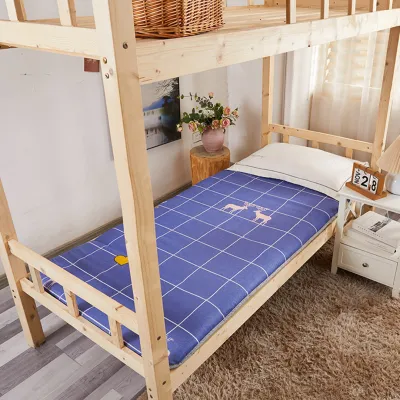
Prices are valid at publication and may change. Please refer to the product page for the latest price.
Airflow through the core support layer is the primary driver of cooling. A mattress with a hollow or highly porous core allows warm air to escape rather than trapping it beneath the comfort layers. Conversely, dense materials with closed-cell structures act as insulators, absorbing your body heat and radiating it back to you throughout the night.
Foam density also plays a significant role in heat retention. High-density foams contain more material per cubic foot, leaving less space for air to pass through. While high-density foam often provides excellent durability and pressure relief, it naturally holds onto heat longer than low-density alternatives.
The cover fabric and quilting materials serve as the first line of defense against heat and humidity. Breathable, moisture-wicking fibers like bamboo-derived rayon, tencel, or organic cotton help draw sweat away from your skin, facilitating evaporative cooling. Heavy, tightly woven synthetic covers tend to trap moisture, making the mattress feel damp and sticky.
Finally, the overall room environment and the bed base itself affect how cool a mattress sleeps. A mattress placed on a solid wooden platform will retain more heat than one resting on a slatted frame that allows air to flow out of the bottom of the bed.
Innerspring Mattresses: Maximum Airflow and Breathability
Innerspring mattresses are the traditional champions of cool sleep, primarily because their core is mostly empty space. The steel coil support system creates a massive chamber where air can circulate freely with every movement you make. This continuous ventilation prevents heat from building up in the center of the mattress, making it highly effective for hot tropical nights.

The specific type of coil system used affects both airflow and overall support. Traditional Bonnell coil systems feature interconnected, hourglass-shaped springs that create a completely open network of air channels. Pocketed spring systems, where each coil is wrapped in an individual fabric sleeve, offer slightly less open space than Bonnell coils but still provide vastly superior airflow compared to solid foam cores. The fabric sleeves used in quality pocketed coils are typically breathable, allowing air to move laterally and vertically.
While innerspring mattresses excel at temperature regulation, they do require some trade-offs in comfort. Because steel coils push back dynamically against weight, they do not contour to the body as deeply as foam. This can result in higher pressure points on the shoulders and hips for side sleepers. Additionally, traditional open-coil systems transfer motion across the bed, which might disturb you if you sleep with a partner. Pocketed coils mitigate this motion transfer significantly while maintaining excellent breathability.
For sleepers who prioritize a cool, dry sleeping surface above all else, an innerspring mattress remains an excellent choice. It is particularly suited for those who prefer a traditional, responsive feel with plenty of bounce, rather than the sinking, hugging sensation of foam.
Latex Mattresses: Natural Temperature Regulation
Latex mattresses offer an exceptional balance of contouring comfort and natural temperature regulation. Derived from the sap of rubber trees, natural latex possesses an inherent open-cell structure that does not trap heat the way synthetic foams do. To further enhance breathability, manufacturers mold latex cores with a grid of vertical ventilation holes, often referred to as a pin-core design, which allows air to escape easily.
The manufacturing process used to create the latex layer influences its breathability and overall feel. Dunlop latex is poured and baked in a single continuous process, resulting in a denser, more supportive foam that is slightly firmer at the bottom. Talalay latex undergoes an additional vacuum and flash-freeze step, which creates a highly uniform, airy, and springy structure. While both types sleep significantly cooler than traditional memory foam, Talalay latex generally offers superior ventilation due to its highly porous cell structure.
When shopping, it is important to distinguish between natural, synthetic, and blended latex. Natural latex is highly breathable and resilient, whereas synthetic latex (made from petroleum-based polymers) tends to retain more heat and degrade faster under humid conditions. Checking the product specifications for certifications like GOLS (Global Organic Latex Standard) or OEKO-TEX can help verify the purity of the latex.
Latex is also highly durable, resisting the sagging and softening that humidity can accelerate in other materials. However, latex mattresses are exceptionally heavy and can be difficult to move or rotate. When purchasing a heavy latex mattress, always verify the finished dimensions and ensure your doorways and stairwells have adequate clearance, as these mattresses are highly flexible yet incredibly heavy to maneuver during delivery.
Memory Foam Mattresses: Heat Retention and Cooling Innovations
Traditional memory foam, or viscoelastic foam, is notorious for sleeping hot. This material relies on your body heat to soften and contour to your unique shape. As you sink into the mattress, the dense, closed-cell structure of the foam traps that heat, creating a warm envelope around your body. In a humid tropical climate, this heat-trapping effect can quickly become uncomfortable.
To address this issue, manufacturers introduce various cooling innovations. Gel-infused memory foam is one of the most common solutions; the gel is designed to absorb initial body heat and conduct it away from the surface. Other additives like copper or graphite are also used for their thermal conductivity. While these infusions can make the mattress feel cool to the touch initially, their cooling effect often diminishes over several hours as the gel reaches thermal equilibrium with your body.
A more structural solution is the use of open-cell or plant-based memory foams. By altering the chemical formulation, manufacturers create foam with larger, interconnected cells that allow air to pass through more easily. Plant-based foams replace a portion of the petroleum products with natural oils, which can result in a more breathable material that responds faster to movement, reducing the “stuck” feeling that contributes to heat buildup.
When evaluating a memory foam mattress, do not rely solely on marketing terms like “ice-cool” or “advanced cooling.” Instead, check the manufacturer’s specifications for foam density and the specific materials used in the cover. Look for open-cell structures and breathable cover fabrics like cool-touch polyethylene fibers or phase-change materials, which actively work to regulate surface temperature.
Direct Comparison: Choosing the Coolest Mattress for Your Needs
To help you decide which mattress type fits your home and sleeping style, it is helpful to compare their performance across several key categories. The table below outlines how innerspring, latex, and memory foam mattresses stack up in terms of airflow, contouring, motion isolation, and maintenance.
| Feature | Innerspring Mattresses | Latex Mattresses | Memory Foam Mattresses |
|---|---|---|---|
| Airflow & Cooling | Excellent (Hollow coil core) | Very Good (Open-cell, pin-core holes) | Fair to Poor (Dense, heat-retaining) |
| Contouring & Pressure Relief | Moderate (Responsive bounce) | Good (Buoyant, uplifting support) | Excellent (Deep body-hugging contour) |
| Motion Isolation | Fair (Pocketed coils are better) | Good (Absorbs motion well) | Excellent (Minimal partner disturbance) |
| Durability in Humidity | Good (Steel resists sagging) | Excellent (Resilient natural rubber) | Moderate (Foam can soften over time) |
| Maintenance Requirements | Low (Occasional rotation) | High (Very heavy to lift and rotate) | Low to Moderate (Regular rotation) |
Use the following guidelines to match these characteristics with your specific sleeping preferences:
- Choose an Innerspring Mattress if: Your primary goal is maximum airflow to combat high humidity, you prefer a traditional bouncy feel, and you are working within a modest budget. It is also ideal for those who dislike the sensation of sinking into their bed.
- Choose a Latex Mattress if: You want a natural, eco-friendly material that offers excellent temperature regulation, buoyant support, and long-term durability. This is a great option if you want pressure relief without the heat retention of memory foam.
- Choose a Memory Foam Mattress if: You suffer from joint pain and require deep pressure relief or maximum motion isolation, provided you verify that the mattress incorporates open-cell foam, cooling gel infusions, and a highly breathable cover.
- Neither may fit if: You require specialized medical support or find that none of these single-material options meet your needs. In such cases, a hybrid mattress—which combines a pocketed coil support core with a latex or cooling gel foam comfort layer—often provides the ideal balance of deep contouring and high breathability.
Practical Tips to Keep Any Mattress Cool
Even the most breathable mattress can sleep hot if it is paired with the wrong accessories or placed in an unventilated room. To maximize your mattress’s cooling potential, start with your bedding. Choose sheets and pillowcases made from natural, breathable fibers such as bamboo, tencel, or long-staple cotton with a percale weave. Avoid synthetic polyester sheets, which trap moisture and heat against your skin.
Your choice of mattress protector is equally critical. Many waterproof protectors use a solid polyurethane backing that blocks all airflow, turning your cool mattress into a heat trap. Look for protectors that feature breathable, membrane-free fabrics or specialized cooling weaves that allow air to pass through while still protecting the bed from sweat and spills.
The foundation supporting your mattress also plays a vital role in temperature regulation. Avoid solid platform bases or placing your mattress directly on the floor, as this blocks air from escaping through the bottom of the bed. Instead, use a slatted bed frame with gaps between the slats of no more than three inches. This setup ensures continuous air circulation beneath the mattress, helping to dissipate heat and prevent moisture buildup.
Finally, optimize your bedroom’s airflow. Position electric fans to create a cross-breeze across the bed, and consider using a dehumidifier during the wet season to lower the ambient humidity, which makes warm temperatures feel much more intense. Regularly rotating your mattress every three to six months also prevents deep body impressions from forming, ensuring that the comfort layers do not compress permanently and restrict internal airflow.
Frequently Asked Questions (FAQ)
Do cooling mattress toppers actually work?
Cooling mattress toppers can provide temporary relief, but their effectiveness depends on their material and thickness. Toppers made from open-cell latex or gel-infused foam can create a breathable barrier between your body and a hot mattress. However, a thin topper cannot completely overcome a dense, heat-retaining base mattress. If the core of your bed is trapping heat, that warmth will eventually rise through the topper, limiting its long-term cooling performance.
Is a firm or soft mattress cooler to sleep on?
Generally, a firmer mattress sleeps cooler than a softer one. When you lie on a soft mattress, your body sinks deeper into the comfort layers, wrapping the material around your sides and trapping body heat. A firmer mattress keeps your body positioned on top of the sleeping surface, maximizing the surface area exposed to ambient air and allowing room breezes to carry heat away from your skin.
Community discussion
Share your experience or ask a question. Comments are reviewed before publication.