
Quick Answer: Best Bed Mattress Materials for Hot and Humid Climates
Selecting a bed mattress in a tropical climate requires balancing heat dissipation and humidity control. There is no single mattress material that works perfectly for everyone, but innerspring and aerated natural latex mattresses generally offer the most effective airflow for hot sleepers. Traditional memory foam tends to trap body heat because of its dense, contouring structure, making it less suitable for warm environments unless it features open-cell engineering or active cooling covers. In high-humidity climates, moisture resistance, breathability, and ease of maintenance are just as critical as temperature regulation to prevent mold and material degradation.
To make an informed choice, you must look beyond marketing labels and evaluate how each mattress type manages the specific environmental challenges of your bedroom. Whether you rely on natural ventilation, ceiling fans, or continuous air conditioning, the structural design of your mattress determines how comfortably you will sleep throughout the night.
How Tropical Heat and Humidity Affect Your Sleep and Mattress
High ambient temperatures and persistent relative humidity disrupt the body’s natural thermoregulation during sleep. To fall and stay asleep, your core body temperature must drop slightly. When a mattress traps heat, it prevents this natural cooling process, leading to restless tossing, turning, and increased sweating. In coastal and urban areas of the Philippines, where nighttime temperatures often remain high, this lack of heat dissipation can severely compromise sleep quality.
Products mentioned in this guide
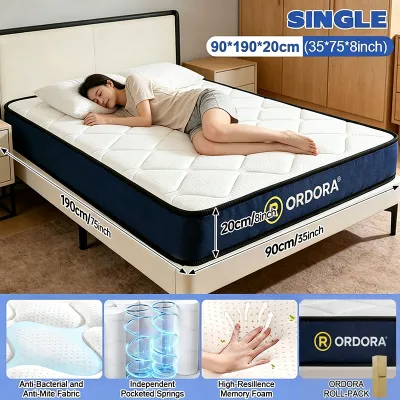
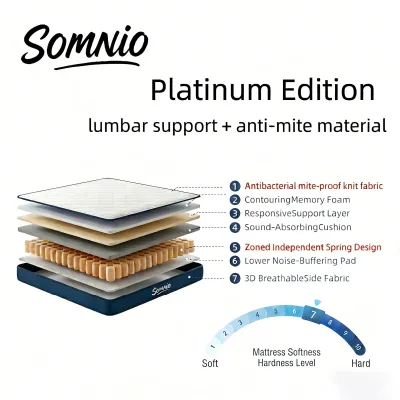
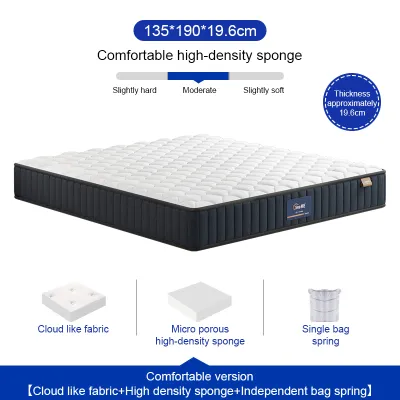
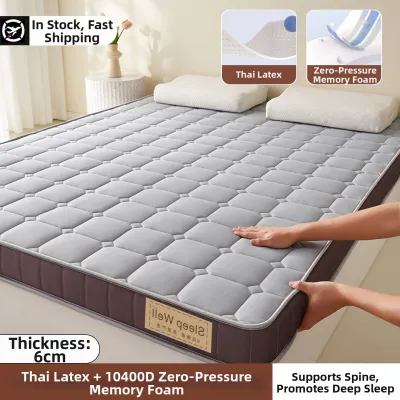
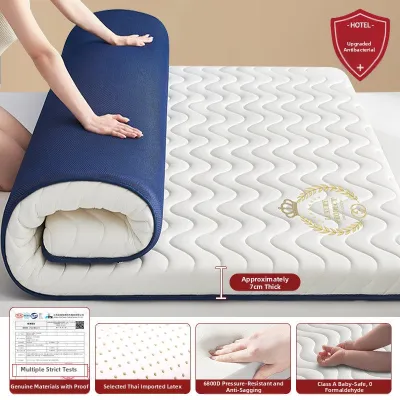
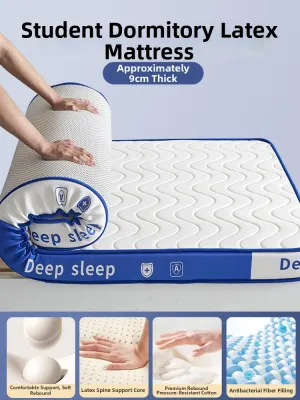
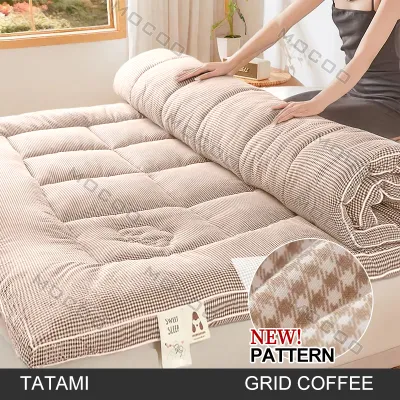
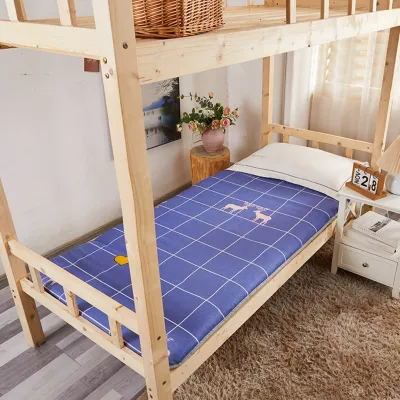
Prices are valid at publication and may change. Please refer to the product page for the latest price.

Furthermore, moisture accumulation poses a significant threat to mattress longevity. When sweat and ambient humidity penetrate the mattress core, they create an ideal environment for mold, mildew, and dust mites to thrive. Over time, persistent moisture can also cause “humidity softening,” a process where the chemical bonds in polyurethane foams break down, leading to premature sagging and a loss of structural support.
Therefore, breathability, moisture-wicking properties, and structural ventilation are the primary decision-defining dimensions when choosing a mattress. A material’s name alone does not guarantee climate performance; you must evaluate the entire construction, including the cover fabric, comfort layers, and base support system.
Material Breakdown: How Latex, Innerspring, and Memory Foam Handle the Heat
Latex Mattresses
Natural latex, harvested from rubber tree sap, is an excellent option for tropical climates due to its inherent resistance to dust mites, mold, and mildew. Synthetic latex is less durable and lacks these natural defensive properties, making natural latex the superior choice for humid environments. During manufacturing, latex is molded with a pinhole pattern that creates continuous vertical air channels, promoting natural ventilation.
However, there are differences in how latex is processed. Dunlop latex is denser and settles more at the bottom, making it highly supportive but slightly less breathable. Talalay latex undergoes a vacuum and flash-freezing process, resulting in a more consistent, open-cell structure that allows for superior airflow. While natural latex is highly breathable, it is also exceptionally heavy. A queen-sized natural latex mattress can weigh over 45 kilograms, making it difficult to lift, rotate, or air out in humid rooms. When choosing a latex mattress, verify that it features open-cell structures, aerated channels, and a breathable cover made of moisture-wicking fibers like bamboo-derived rayon or organic cotton.
Innerspring Mattresses
Innerspring and hybrid mattresses are structurally the most breathable options on the market. The open space between the steel coils acts as a natural air chamber, allowing heat and moisture to escape quickly rather than trapping them next to your body. This continuous air circulation helps keep the internal components dry, reducing the risk of mold growth inside the mattress.
The overall cooling performance, however, depends heavily on the comfort layers placed on top of the coils. A thick, dense memory foam pillow-top can act as an insulating barrier, trapping heat and negating the ventilation benefits of the underlying springs. Additionally, traditional open-coil systems can transmit motion across the bed and may rust over time if exposed to high humidity without proper anti-corrosive coatings. To maximize cooling, look for pocketed coil systems with rust-resistant coatings and thin, breathable comfort layers, and ensure the mattress is placed on a sturdy, well-ventilated foundation.
Memory Foam Mattresses
Traditional memory foam consists of dense viscoelastic polyurethane, which contours closely to your body in response to heat and pressure. While this provides excellent pressure relief, the close contouring restricts airflow around your body, trapping heat and creating a warm sensation. In a tropical climate without continuous air conditioning, this can lead to uncomfortable, sweat-inducing nights.
Modern variations attempt to address this issue by infusing memory foam with gel, copper, or graphite, or by using open-cell formulations. While these technologies help conduct heat away initially, their cooling capacity can saturate over several hours in a warm room. Furthermore, in high-humidity environments, dense memory foam can absorb moisture from the air and sweat, which can lead to chemical off-gassing odors and mold development if the mattress lacks proper ventilation. If you prefer memory foam, check for phase-change material (PCM) covers that actively regulate temperature, lower-density transition layers, and reputable cooling certifications.
Key Comparison Dimensions for Tropical Sleepers
To make a practical decision, you need to compare how these three materials perform across the specific environmental challenges of a tropical climate. The table below evaluates latex, innerspring, and memory foam across five critical performance dimensions.
| Dimension | Latex Mattresses | Innerspring / Hybrid | Memory Foam Mattresses |
|---|---|---|---|
| Airflow & Breathability | High (due to pinholes) | Excellent (open coil structure) | Low to Moderate (dense cell structure) |
| Heat Retention Potential | Low to Moderate | Very Low | Moderate to High |
| Moisture & Mold Resistance | High (natural resistance) | Moderate (good airflow, but coils can rust) | Low (dense foam traps moisture) |
| Durability in High Humidity | High (resists softening) | Moderate (depends on coil quality and comfort layers) | Moderate to Low (humidity can soften foam) |
| Weight & Ease of Airing Out | Very Heavy (difficult to move) | Moderate to Heavy (easier to handle) | Moderate (pliable but dense) |
While this table reflects general structural tendencies, actual performance depends on the specific manufacturer’s design, foam density, and cover materials. Use these dimensions as a checklist when reading product specifications or testing mattresses in-store.
Decision Framework: Which Bed Mattress Should You Choose?
To find the ideal bed mattress for your home, consider your specific sleeping habits, bedroom ventilation, and maintenance preferences.
- Choose Innerspring if: You sleep exceptionally hot, do not use air conditioning continuously, prefer a responsive and bouncy feel, and want a mattress that is relatively easy to lift and rotate during routine cleaning.
- Choose Latex if: You want a supportive, contouring sleep surface without the heat-trapping feel of foam, prefer natural and hypoallergenic materials, need built-in resistance to mold and dust mites, and have a spacious bedroom with good natural ventilation. Note that high-quality natural latex mattresses represent a larger upfront investment, often ranging from ₱30,000 to over ₱70,000, but offer exceptional long-term durability.
- Choose Memory Foam if: You prioritize deep pressure relief for joint pain, sleep in a consistently air-conditioned room (ideally set below 24°C), and can verify that the mattress uses open-cell foam layers combined with a cooling fabric cover.
Before purchasing online or in-store, always verify the sleep trial terms, return policies, and warranty coverage. Ensure the mattress dimensions fit your existing bed frame and that you have adequate doorway and hallway clearance for delivery.
Essential Mattress Care for High-Humidity Environments
Proper maintenance is essential to protect your investment from the degrading effects of a tropical climate. First, always use a high-quality, breathable, and waterproof mattress protector. This barrier prevents sweat, skin oils, and ambient humidity from penetrating the core materials while still allowing air to circulate across the surface.
Second, rotate your mattress 180 degrees every three to six months. This ensures even wear across the comfort layers and prevents moisture from pooling in the areas where your body exerts the most pressure. If your mattress is double-sided, follow the manufacturer’s guidelines regarding flipping.
Third, ensure your bed frame supports adequate airflow. Slatted wooden or metal bases are highly recommended over solid platform beds or placing the mattress directly on the floor. Slats allow heat and moisture to escape from the bottom of the mattress, preventing condensation and mold growth. Ensure the spacing between slats matches the mattress manufacturer’s specifications to prevent sagging and preserve your warranty.
Fourth, manage your indoor environment by using a dehumidifier or air conditioning during the wet season to keep relative humidity levels below 60%. Occasionally strip all bedding and let the mattress air out near a well-ventilated window, keeping it out of direct, intense sunlight which can degrade latex and polyurethane foams. Always check the manufacturer’s care label and warranty conditions before applying any spot-cleaning solutions or vacuuming.
Frequently Asked Questions (FAQ)
Is a gel-infused memory foam mattress cool enough for a tropical climate?
While gel-infused memory foam offers better initial heat dissipation than traditional memory foam, its cooling effect is temporary. The gel beads absorb body heat until they reach thermal equilibrium, at which point the dense foam can still trap warmth in a hot room. For continuous temperature regulation in tropical climates, look for open-cell foam structures, ventilated channels, or phase-change fabric covers.
How can I prevent mold on my mattress in high humidity?
To prevent mold, use a breathable, waterproof mattress protector and elevate your mattress on a slatted bed frame to ensure continuous airflow underneath. Keep the room well-ventilated, use a dehumidifier during rainy periods, and avoid placing the mattress directly on concrete floors. If you need to clean a spill, follow the manufacturer’s care instructions carefully and ensure the mattress is completely dry before replacing the sheets.
Do I need a specific bed frame for a tropical climate?
Yes, a slatted bed frame is highly recommended for tropical climates. Unlike solid platform bases or box springs, a slatted frame allows air to circulate freely beneath the mattress. This ventilation helps dissipate body heat and prevents ambient moisture from trapping underneath, significantly reducing the risk of mold, mildew, and structural sagging.
Community discussion
Share your experience or ask a question. Comments are reviewed before publication.