
Neither latex nor memory foam is universally cooler in isolation. In a hot and humid climate like the Philippines, perceived sleep temperature depends heavily on the foam’s internal cell structure, the breathability of the mattress cover, and your bedroom’s cooling setup. This guide breaks down how each material manages heat and moisture to help you choose the right single bed foam for your specific sleep environment.
When selecting a single bed mattress, also consider the finished dimensions and weight of the mattress. A single bed is highly manageable for tight spaces, but you should still verify that the mattress can easily pass through your doorways and stairwells during delivery. Ensure your bed frame’s load capacity matches the combined weight of the mattress and the sleeper, particularly for heavier natural latex models.
How Material Structure Affects Heat Retention
Natural and synthetic latex feature an inherently open-cell structure. During manufacturing, these materials are molded with pinhole patterns that create physical channels throughout the core. These channels allow air to flow freely when you move, pushing warm air out and drawing cooler air in. This continuous ventilation prevents heat from building up directly beneath your body, making it a highly breathable option for warm nights.
Products mentioned in this guide
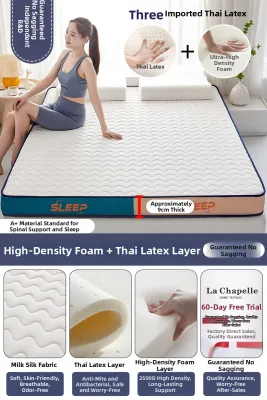
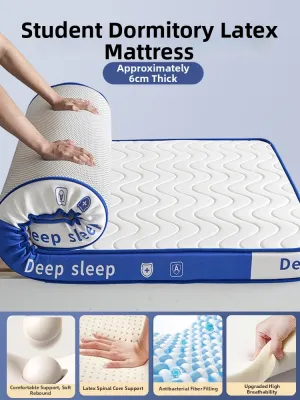
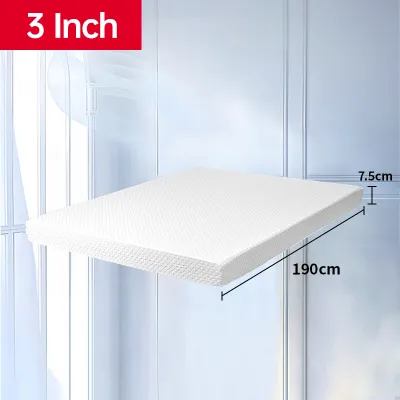
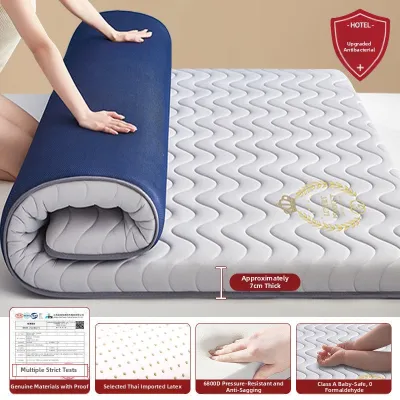
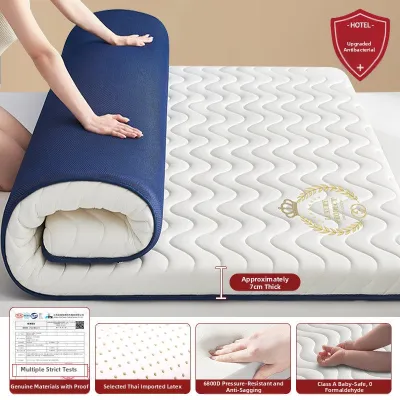
Prices are valid at publication and may change. Please refer to the product page for the latest price.
Traditional memory foam relies on a dense, viscoelastic structure that responds to body heat and weight to contour closely to your shape. While this contouring provides excellent pressure relief, it also creates a seal around your body, trapping heat in the dense cell walls. Because traditional memory foam has closed or semi-closed cells, air cannot easily circulate, which often leads to a warmer sleeping surface in tropical environments.
To address heat retention, manufacturers often introduce modifications such as gel infusions, copper particles, or plant-based formulations. Gel-infused memory foam is designed to absorb initial body heat, though its cooling effect may diminish once the gel reaches thermal equilibrium with your body. When shopping for a single bed foam, it is essential to verify these breathability claims by checking the product specification labels for open-cell certifications or airflow ratings rather than relying solely on cooling labels.
The Role of Mattress Covers and Base Layers
The core foam material is only one part of the equation; the mattress cover is what actually makes contact with your skin. Synthetic covers, such as standard polyester blends, tend to trap moisture and heat, neutralizing any cooling properties of the foam underneath. In contrast, covers made from natural fibers like cotton or bamboo-derived viscose promote breathability and help wick sweat away from your body, which is crucial during humid nights.

The foundation supporting your single bed also plays a critical role in temperature regulation. A solid wooden platform or concrete base blocks airflow from the bottom of the mattress, trapping heat and moisture within the lower layers. Using a slatted bed frame allows air to circulate underneath the mattress, facilitating better heat dissipation. Ensure the slat spacing matches the manufacturer’s guidelines to maintain mattress support and prevent sagging.
Before purchasing, check the product specifications to see if the mattress features a removable and washable cover. A cover that can be easily unzipped and cleaned helps maintain hygiene, while built-in moisture-wicking layers ensure that sweat does not seep deep into the core foam, preserving both the mattress’s cooling efficiency and its overall lifespan.
Managing Humidity and Moisture in a Tropical Climate
High ambient humidity significantly affects how warm a mattress feels. When the air is saturated with moisture, your body’s natural cooling mechanism—sweat evaporation—slows down. If your mattress traps this moisture, the bedding becomes damp, making the sleep surface feel much warmer and more uncomfortable than it would in a dry environment.
To combat humidity, establish a routine for mattress maintenance. Regularly air out your single bed by removing all sheets and letting it sit in a well-ventilated room with open windows or a ceiling fan running. Using a dehumidifier in your bedroom can also help lower ambient moisture levels, keeping the foam dry and improving its overall temperature-regulating performance.
Dense foams, particularly memory foam, are highly susceptible to retaining ambient dampness, which can lead to mold or mildew growth over time. Inspect your mattress regularly for signs of moisture damage, such as musty odors, dark spots, or a damp feel along the bottom edges. Keeping the mattress elevated on a slatted frame and using a breathable, water-resistant mattress protector can safeguard the foam from humidity-related degradation.
Decision Framework: Choosing the Right Single Bed Foam
If your bedroom relies primarily on natural ventilation or a ceiling fan rather than continuous air conditioning, latex is generally the more suitable choice. Its natural resilience and open-cell structure prevent heat buildup, allowing you to sleep comfortably even on warm, humid nights. Latex also offers a responsive, supportive feel that makes it easy to move around without feeling stuck.
If you prefer the deep, contouring pressure relief of memory foam, it is best suited for bedrooms equipped with consistent, reliable air conditioning. A well-cooled room lowers the ambient temperature, helping the memory foam shed trapped heat more effectively. This setup allows you to enjoy the body-conforming benefits of the material without overheating.
Regardless of which material you lean toward, always verify the specific construction of the single bed model you are considering. Look for models that explicitly detail their cooling technologies, such as breathable transition layers, convoluted foam designs, or specialized cooling covers. Checking these specifications ensures you select a mattress tailored to your specific sleep environment and comfort preferences.
Frequently Asked Questions (FAQ)
Does a cooling mattress topper improve heat retention on memory foam?
A cooling mattress topper can help mitigate heat retention on a traditional memory foam bed, but its effectiveness depends on its material and thickness. Toppers made from open-cell latex, gel-infused memory foam, or breathable fiberfills create a buffer zone between your body and the dense mattress core. However, a topper that is too thick may still trap heat if it lacks proper ventilation channels. Always check the product labels to verify that the topper features breathable, moisture-wicking fabrics and open-cell construction before purchasing.
Is a single bed size inherently cooler than larger mattresses?
A single bed size does not inherently sleep cooler than a double or queen mattress, but it does offer different heat dynamics. Because a single bed is designed for one sleeper, there is less cumulative body heat transferred to the mattress compared to two people sharing a larger bed. However, because the surface area is smaller, heat can become concentrated in one central spot if you do not move frequently. Ensuring proper room ventilation and using breathable bedding are still essential to keep a single bed cool throughout the night.
Community discussion
Share your experience or ask a question. Comments are reviewed before publication.