
Quick Answer: Best Mattress Types for Hot and Humid Climates
When sleeping in the tropical climate of the Philippines, where relative humidity levels regularly exceed 80% and daytime temperatures frequently climb above 32°C, choosing the right mattress material is essential for restful sleep. Innerspring and natural latex mattresses generally offer the most effective airflow and temperature regulation for hot sleepers. The open architecture of innerspring coils creates vast air gaps that facilitate continuous ventilation, while natural latex contains open-cell pinholes that naturally disperse body heat. Conversely, traditional memory foam tends to trap heat and moisture due to its dense, closed-cell structure, unless it is specifically engineered with advanced cooling features such as open-cell formulations or gel infusions.
Ultimately, the ideal choice depends on your personal comfort priorities—such as whether you require deep pressure relief or highly responsive bounce—and how consistently you run your air conditioning. If you sleep in a non-air-conditioned room relying solely on electric fans, prioritizing maximum breathability via innerspring or latex is highly recommended to prevent uncomfortable, sweaty nights.
Comparing Breathability, Moisture Resistance, and Comfort
Evaluating how different mattress materials perform under the unique environmental pressures of high humidity and high temperatures is key to making an informed purchase.
Products mentioned in this guide
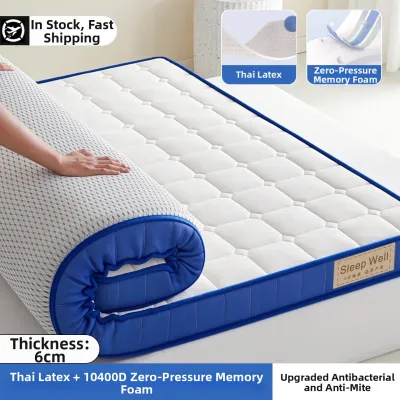
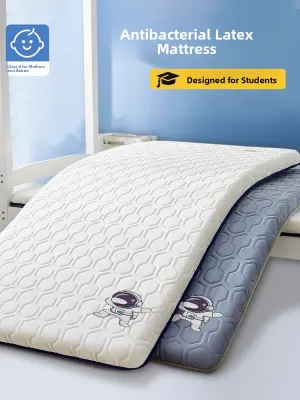
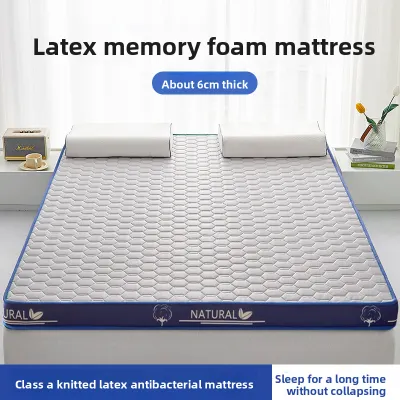
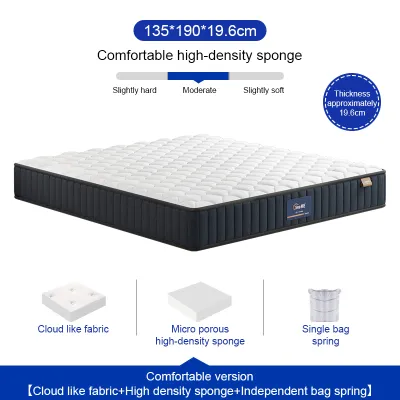
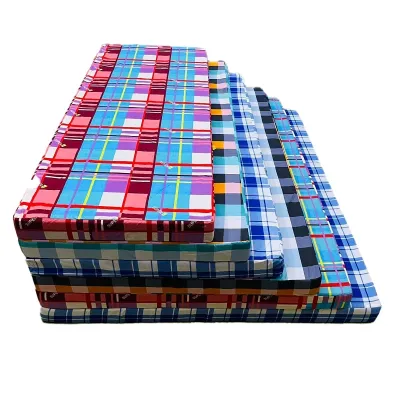
Prices are valid at publication and may change. Please refer to the product page for the latest price.

Breathability and Temperature Regulation
The physical structure of a mattress determines how effectively it manages the heat your body radiates throughout the night. Innerspring mattresses, particularly those utilizing pocketed coils or traditional Bonnell systems, are highly breathable because their core is mostly open space. This allows air to circulate freely with your every movement, preventing heat from building up beneath the sheets. Pocketed coils, which are individually wrapped in fabric sleeves, offer slightly less airflow than open Bonnell coils but still far outperform solid foam cores.
Natural latex mattresses also offer notable breathability due to the manufacturing process, which leaves thousands of tiny pinholes (air channels) throughout the core. However, it is important to distinguish between 100% natural latex and synthetic blends, as synthetic options lack the same organic open-cell structure and tend to run warmer. Traditional memory foam remains the most challenging material for temperature regulation in hot climates. Because it is highly dense and relies on your body heat to contour to your shape, it naturally absorbs and retains warmth, creating a thermal barrier. If you prefer the body-hugging feel of memory foam but live in a warm region, you must carefully check product specifications for cooling enhancements like gel-infused beads, open-cell foam structures, or specialized phase-change covers designed to pull heat away from the skin.
Moisture Resistance and Mold Prevention
High ambient humidity, characteristic of both the Amihan (northeast monsoon) and Habagat (southwest monsoon) seasons in the Philippines, presents a constant threat to mattress hygiene and longevity. When moisture from the air combines with night sweat, it can seep deep into the mattress core, creating an ideal breeding ground for mold, mildew, and dust mites. Natural latex is inherently hostile to these organisms, making it an exceptionally hygienic choice for humid environments. Its natural resistance helps prevent the accumulation of allergens without the need for harsh chemical treatments.
Memory foam, by contrast, acts like a dense sponge; if your bedroom lacks proper ventilation or air conditioning, the foam can trap ambient humidity, leading to internal mold growth that is difficult to detect until an odor develops. Innerspring mattresses allow moisture to evaporate more quickly due to high internal airflow, but they carry a different risk: if the protective layers surrounding the steel coils fail, persistent humidity can cause the springs to rust, leading to structural squeaks and compromised support. To safeguard your investment, always review the manufacturer’s warranty terms, as many brands explicitly exclude mold or humidity-related degradation from their coverage unless a certified waterproof protector was used.
Comfort and Support in Warm Conditions
The temperature of your bedroom does more than just affect how hot you feel; it directly alters the mechanical performance of certain mattress materials. Memory foam is highly temperature-sensitive, designed to soften as it reacts to your body heat. In a warm room without active climate control, the ambient air temperature can cause the entire mattress to soften prematurely, reducing its overall support and causing you to sink much deeper into the bed than intended. This deep sinkage can create a “quicksand” effect, restricting your movement, making it harder to roll over, and trapping even more body heat around your limbs.
Natural latex maintains a consistent, highly responsive, and buoyant feel regardless of whether your room is 18°C or 30°C. It pushes back against your body weight, keeping you positioned on top of the mattress rather than inside it, which facilitates natural skin-to-air cooling. Innerspring mattresses offer a similarly stable and firm sleeping surface that remains unaffected by temperature fluctuations, ensuring consistent spinal alignment throughout the year, regardless of seasonal weather shifts.
Pros and Cons of Latex, Memory Foam, and Innerspring in the Philippines
To help you quickly evaluate each option, let us examine the specific benefits and drawbacks of these materials when used in a tropical environment.
Latex Mattresses
Natural latex mattresses are highly regarded for their durability and natural cooling properties, making them excellent long-term investments for tropical homes.
- Pros: Excellent natural breathability through open-cell pinholes; highly resistant to dust mites, mold, and mildew; exceptional durability that often outlasts synthetic foams by several years; consistent buoyant support that prevents a "sinking" feeling. Natural latex made via the Dunlop process is denser and highly supportive, while the Talalay process yields a lighter, more breathable feel.
- Cons: High initial purchase price, with premium natural latex models often costing upwards of ₱40,000 to ₱80,000; extremely heavy and floppy, making them difficult to lift, rotate, or move through narrow doorways and stairwells; synthetic latex blends do not breathe as well as 100% natural options, requiring careful label verification before buying.
Memory Foam Mattresses
Memory foam provides unmatched pressure relief and motion isolation, though its physical properties require careful consideration in warm climates.
- Pros: Superior pressure relief for aching joints and lower back pain; exceptional motion isolation, ensuring you are not disturbed by a restless partner; quiet performance with zero squeaks or creaks.
- Cons: Significant heat retention that can lead to sweaty, uncomfortable nights; prone to excessive softening in un-air-conditioned rooms, which compromises spinal support; potential for chemical off-gassing odors that can feel overpowering in hot, humid, or poorly ventilated spaces. When shopping, always look for CertiPUR-US or similar certifications on the product tag to ensure low volatile organic compound (VOC) emissions, which can be accelerated by high heat.
Innerspring Mattresses
Innerspring mattresses represent the traditional standard, offering excellent ventilation and classic support at a wide range of price points.
- Pros: Maximum airflow through the open coil system, keeping the mattress core dry and cool; budget-friendly pricing, with quality entry-level models widely available under ₱15,000; firm, responsive surface that makes it easy to change sleeping positions.
- Cons: Higher level of motion transfer, meaning you will likely feel your partner's movements; potential for the steel coils to rust or squeak over time in high-humidity areas; less targeted pressure relief, which may require adding a separate topper if you prefer a softer sleeping surface. Note that the thickness and material of the top comfort layer will ultimately dictate how much heat is retained near your body.
Decision Framework: Which Mattress Should You Buy?
Choosing between these three options requires balancing your personal sleep preferences, your budget, and the specific climate control of your bedroom. Use the following conditional guidelines to make your decision:
- Choose Latex if: You want a highly durable, hygienic mattress that naturally resists mold and dust mites without relying on chemical additives. This is the ideal option if you have a flexible budget, prefer a responsive and bouncy surface that keeps you sleeping "on top" of the bed, and want a material that maintains its consistent support profile even during the hottest months of the year.
- Choose Memory Foam if: You suffer from joint pain, prioritize deep pressure relief, and sleep with a partner who tosses and turns. To make memory foam work in the Philippines, you should ideally sleep in a consistently air-conditioned room or verify that the foam is engineered with active cooling technologies, such as open-cell structures or gel infusions, and wrapped in a breathable, moisture-wicking cover.
- Choose Innerspring if: You are a hot sleeper who prefers a traditional, firm, and highly buoyant sleeping surface. This is also the most practical choice if you are working with a tighter budget and want to maximize natural airflow without relying on air conditioning.
- Verify first if: You are considering a hybrid mattress. Hybrid models combine an innerspring coil base with a foam comfort layer on top. Before purchasing, carefully check the thickness and material composition of this top layer. A thick layer of traditional, dense memory foam on top will block the airflow from the coils below, effectively negating the cooling benefits of the spring system. Look for hybrids that use thin layers of gel-infused foam, open-cell foam, or natural latex as their comfort layers to ensure you get both pressure relief and excellent ventilation.
Essential Mattress Care for High-Humidity Environments
Maintaining a mattress in a tropical climate requires proactive care to prevent humidity from shortening its lifespan. Before performing any maintenance, always check your product’s care label and the manufacturer’s specific instructions, as improper care can void your warranty or damage delicate materials.
- Use a Breathable, Waterproof Protector: A high-quality protector is essential to shield your mattress from sweat and ambient humidity. Look for protectors that use polyurethane backing rather than cheap PVC, as polyurethane allows air to circulate while keeping liquid out.
- Ensure Proper Room Ventilation: Keep your bedroom well-ventilated by opening windows during dry days or running an air conditioner or dehumidifier during the rainy season. This reduces the ambient moisture levels that can settle into the mattress fibers.
- Rotate the Mattress Regularly: If the manufacturer's label permits, rotate your mattress 180 degrees every three to six months. This ensures even wear on the comfort layers and exposes different parts of the mattress to airflow, preventing moisture from pooling in compressed areas.
- Avoid Direct Floor Placement: Never place your mattress directly on the floor or on solid tile surfaces. The temperature difference between a cold tile floor and a warm mattress can cause condensation to form underneath, rapidly leading to mold. Always use a slatted bed frame that provides at least a few inches of clearance. Ensure the slats are spaced according to the mattress manufacturer's guidelines (typically no more than 3 inches apart for foam and latex) to maintain structural stability and prevent sagging.
- Handle with Care During Delivery and Setup: Latex mattresses are incredibly heavy and flexible, making them prone to tearing if dragged. When moving or installing a new mattress, verify your doorway, hallway, and lift dimensions beforehand. Ensure you have adequate help to lift the mattress flat without bending it excessively, which can damage internal coil structures or tear natural latex cores.
Frequently Asked Questions (FAQ)
Does memory foam ruin in high humidity?
While high humidity will not instantly destroy memory foam, prolonged exposure to trapped moisture can severely compromise its structural integrity over time. The dense, porous structure of memory foam can absorb ambient moisture, which weakens the cell walls and causes the foam to lose its supportive loft and bounce. More importantly, trapped moisture creates an ideal environment for mold and mildew to grow deep within the core. To prevent this, always use a breathable waterproof protector and ensure your bedroom is well-ventilated.
Are hybrid mattresses good for hot sleepers?
Hybrid mattresses can be excellent for hot sleepers, but their performance depends heavily on the design of the upper comfort layers. The pocketed coil base provides a highly breathable foundation that allows heat to escape. However, if the top comfort layer consists of a thick slab of traditional, dense memory foam, it will still trap heat against your body. For the best cooling performance, choose a hybrid mattress that features a top layer of natural latex, open-cell foam, or gel-infused cooling foam.
How often should I air out my mattress in the Philippines?
In the Philippines, it is highly beneficial to air out your mattress at least once every three to four months, ideally during a dry, sunny day. To do this, strip all bedding and mattress protectors, open your bedroom windows, and turn on a ceiling fan to let air circulate directly over the bare mattress surface for several hours. Avoid placing the mattress in direct sunlight unless the manufacturer’s care label explicitly permits it, as intense UV rays can degrade natural latex and synthetic foams. Always consult your manufacturer’s specific guidelines for approved cleaning and airing methods.
Community discussion
Share your experience or ask a question. Comments are reviewed before publication.