
Quick Answer: Which Mattress Type is Best for Hot and Humid Weather?
Finding a mattress that supports a restful night of sleep can be a challenge in the tropical climate of the Philippines. With high temperatures and humidity levels that persist throughout the year, the material composition of your bed plays a decisive role in how hot or cool you sleep. Generally, innerspring and natural latex mattresses offer the most effective airflow and moisture resistance for tropical environments. Their structural designs allow heat to dissipate rather than accumulate around your body.
Conversely, traditional memory foam is highly dense and tends to trap body heat and absorb ambient moisture, making it less than ideal for humid rooms unless it is specifically engineered with open-cell structures or advanced cooling technologies. However, there is no single absolute winner for every household. The right choice depends heavily on your personal comfort preferences, such as whether you prefer a bouncy or contouring feel, and whether your bedroom relies on natural ventilation or consistent air conditioning.
How Heat and Humidity Affect Sleep and Mattress Durability
Our bodies naturally need to drop in core temperature to initiate and maintain deep sleep. In a tropical climate where ambient temperatures often remain high even during the evening, this natural cooling process is easily disrupted. When humidity is high, sweat cannot evaporate efficiently, leading to that sticky, restless feeling that keeps you tossing and turning. A mattress that traps heat only exacerbates this issue, trapping you in a warm microclimate.
Products mentioned in this guide
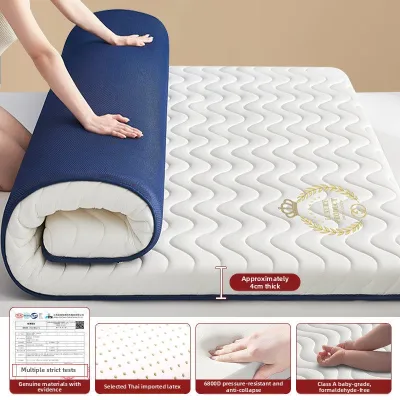
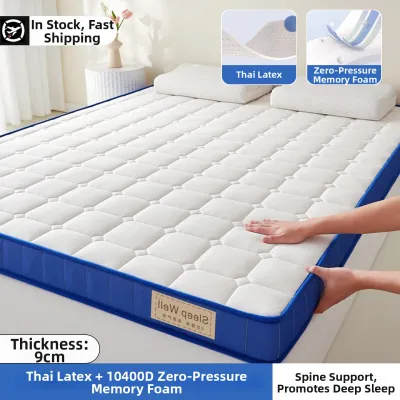
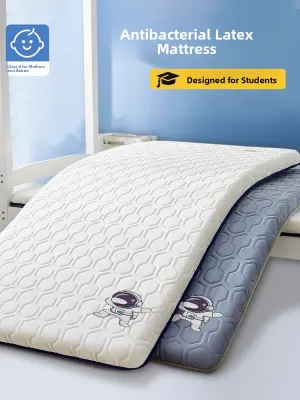
Prices are valid at publication and may change. Please refer to the product page for the latest price.

Beyond sleep quality, persistent heat and moisture have a direct physical impact on mattress durability. High humidity levels create an inviting environment for mold, mildew, and dust mites to thrive inside the comfort layers. Over time, dense foams that absorb moisture can degrade, losing their supportive properties and retaining musty odors. This structural breakdown can significantly shorten the lifespan of an expensive purchase.
Before committing to a specific mattress type, evaluate the typical conditions of your sleeping environment. A bedroom sealed and cooled by air conditioning presents very different demands than a room that relies on open windows, ceiling fans, and natural cross-ventilation. Matching your mattress material to these specific room conditions is the first step in ensuring long-term comfort and durability.
Latex Mattresses: Breathability and Moisture Resistance
Latex mattresses have earned a strong reputation in tropical regions due to their inherent structural breathability. Unlike solid synthetic foams, latex cores are manufactured with pinhole channels—often called pinhole cores—and an open-cell molecular structure. This design allows air to flow freely through the mattress with every movement, preventing heat from becoming trapped. However, the performance of any latex mattress is heavily influenced by its outer cover, which must also be breathable to allow this airflow to function.
Natural vs. Synthetic Latex
When shopping for a latex mattress, you will encounter options made from natural latex, synthetic latex, or a blend of both. Natural latex is harvested from the sap of rubber trees, which are grown widely in Southeast Asia. This natural origin gives the material an open-cell structure that is exceptionally breathable and resilient. Synthetic latex, made from petroleum-based compounds, tends to have a more uniform but less breathable cellular structure, retaining slightly more heat over a long night.
Many products marketed simply as “latex” consist of a blend of natural and synthetic materials. Blended latex offers a middle ground in terms of cost, but it may not match the pure breathability or lifespan of 100% natural latex. It is highly recommended to inspect product labels to verify the exact percentage of natural latex versus synthetic fillers. If maximizing airflow and heat dissipation is your primary goal, prioritizing a higher natural latex content is generally the more effective route.
Pros and Cons for Humid Climates
Pros:
- High breathability: The open-cell structure and pinhole ventilation channels allow air to circulate continuously, keeping the sleeping surface cool.
- Natural resistance to mold and dust mites: The material properties of natural latex are inherently inhospitable to common allergens, which is a major advantage in humid Philippine homes where mold can easily develop.
- Outstanding durability: High-quality natural latex is incredibly resilient, resisting sagging and body impressions even after years of use in warm conditions.
Cons:
- Heavy and difficult to handle: Latex is a dense, floppy material, making it physically challenging to lift, rotate, or move when you want to air it out.
- High initial cost: A premium natural latex mattress is a significant financial investment, often costing substantially more than synthetic foam or basic innerspring options.
- Potential allergy risks: While rare, individuals with natural latex allergies must avoid these mattresses entirely or ensure they are completely sealed behind specialized protective covers.
Memory Foam Mattresses: Heat Retention and Cooling Technologies
Memory foam, or viscoelastic foam, is celebrated for its body-contouring support and pressure relief. However, the characteristics that make it comfortable can make it challenging to use in hot, humid climates. Traditional memory foam features a dense, closed-cell structure that reacts to body heat and weight to mold to your shape. As you sink into the mattress, the foam wraps around your body, creating a deep cradle that restricts airflow and traps body heat right against your skin.
Traditional vs. Gel-Infused and Plant-Based Foam
To address the heat-retention issues of traditional memory foam, manufacturers have developed alternative formulations, such as gel-infused and plant-based foams. Gel-infused memory foam contains liquid gel beads or swirled gel layers designed to absorb heat and conduct it away from the sleeper. Plant-based foams replace a portion of the petroleum-based chemicals with natural oils, resulting in a more open-cell structure that allows better ventilation than traditional formulations.
While these technologies represent a notable improvement, it is important to manage your expectations. Gel infusions work by absorbing heat, but once the gel reaches thermal equilibrium with your body temperature, its cooling effect diminishes. In a naturally ventilated room in the Philippines during the hot dry season, these cooling features may only delay heat buildup. When evaluating these options, look past marketing buzzwords and check for verified open-cell foam structures and highly breathable cover fabrics like bamboo-derived rayon or Tencel.
Pros and Cons for Humid Climates
Pros:
- Superior pressure relief: Memory foam excels at cushioning sensitive pressure points like the hips and shoulders, making it highly comfortable for side sleepers.
- Excellent motion isolation: If you share a bed, memory foam absorbs movement completely, preventing you from feeling your partner toss and turn.
- Wide availability and budget options: Memory foam mattresses are available at almost every price point, making them highly accessible.
Cons:
- High heat retention: The dense structure naturally holds onto body heat, which can lead to uncomfortable night sweats in warm rooms.
- Damp or sticky feel: In high humidity, the surface of a memory foam mattress can absorb moisture from the air and sweat, resulting in a clammy sleeping surface.
- Odor retention and off-gassing: New memory foam often releases a chemical odor (off-gassing), and if the foam absorbs sweat and humidity over time, it can be difficult to deodorize.
Innerspring Mattresses: Airflow and Traditional Support
Innerspring mattresses are the traditional standard for many households, and they remain highly relevant in tropical climates. The defining characteristic of an innerspring mattress is its core of steel coils. Because the vast majority of an innerspring core consists of open air space rather than dense foam, heat and moisture are not trapped inside. This structural design makes innerspring beds exceptionally breathable, allowing heat to escape through the sides and bottom.
Bonnell vs. Pocketed Coil Systems
The two most common coil configurations you will encounter are Bonnell coils and pocketed coils. Bonnell coil systems feature interconnected, hourglass-shaped steel springs. This interconnected design creates a highly durable, traditional, and bouncy feel with maximum open space for airflow. However, because the coils are joined together, movement on one side of the bed easily transfers to the other, which can disturb a sleeping partner.
Pocketed coil systems, also known as pocket springs, feature individual coils wrapped in separate fabric sleeves. This design allows each coil to compress independently, providing excellent contouring support and motion isolation comparable to memory foam. While the fabric wraps around pocketed coils do slightly reduce the absolute volume of free airflow compared to open Bonnell systems, pocketed coil mattresses still remain vastly more breathable than solid foam alternatives.
Pros and Cons for Humid Climates
Pros:
- Exceptional ventilation: The open inner chamber of the coil system allows hot air to move out and cool air to circulate inward.
- Familiar, responsive support: Innerspring beds offer a traditional bounce that makes it easy to move around and get in and out of bed.
- Cooler sleep surface: Because the core does not retain heat, the overall sleeping temperature remains closer to the ambient room temperature.
- Cost-effective options: Basic Bonnell spring mattresses are widely available and highly affordable for budget-conscious shoppers.
Cons:
- Comfort layer dependency: The actual temperature you feel on the surface is determined by the comfort layers on top of the coils. A mattress with an innerspring core but a thick, dense memory foam pillow top can still sleep quite warm.
- Wear and noise: Over years of use in humid conditions, internal steel components can occasionally rust if exposed to extreme moisture, leading to squeaking or creaking sounds.
- Limited body contouring in basic models: Standard Bonnell spring beds do not conform closely to the body, which may not provide enough pressure relief for some sleepers.
Feature-by-Feature Comparison for Tropical Climates
To help you visualize how these three mattress types compare under tropical conditions, the table below outlines their performance across key decision-making dimensions.
| Mattress Type | Airflow & Breathability | Moisture & Mold Resistance | Support Feel | Ideal Sleeper Profile |
|---|---|---|---|---|
| Natural Latex | High | High | Responsive & buoyant | Sleepers wanting a cool, bouncy bed with natural allergen resistance. |
| Memory Foam | Low to Moderate | Low | Deeply contouring & hugging | Sleepers in air-conditioned rooms who prioritize pressure relief. |
| Innerspring | High | Moderate | Bouncy & traditional | Sleepers seeking maximum airflow, ease of movement, and traditional support. |
While this table highlights the general characteristics of each mattress core, the overall breathability of your sleeping setup is also heavily influenced by the foundation and the outer cover. Placing any mattress on a solid wooden platform or a concrete floor restricts airflow from the bottom, which can trap moisture and lead to mold growth. Using a slatted bed frame with gaps of two to three inches is highly recommended in the Philippines to allow air to circulate completely around the mattress.
How to Choose the Right Mattress for Your Needs
Selecting the ideal mattress requires balancing your physical comfort needs with the realities of your living environment. To make the best decision for your home, consider these conditional guidelines:
Choose Latex if:
- You want a highly responsive, buoyant sleeping surface that makes it easy to change positions.
- You prefer a material that naturally resists mold, mildew, and dust mites without chemical treatments.
- You have a larger budget and view your mattress as a long-term investment.
- You sleep in a room with natural ventilation and need a material that does not trap body heat.
Choose Innerspring if:
- You prioritize maximum airflow through the core of the mattress to keep your sleeping temperature low.
- You prefer a traditional, bouncy support feel rather than the sensation of sinking into a foam layer.
- You want a highly breathable mattress but prefer a more accessible price point than natural latex.
- You verify that the comfort layer is thin or made of breathable, airy materials rather than thick, dense foam.
Choose Memory Foam if:
- You sleep in a bedroom that is consistently cooled by air conditioning, which mitigates heat retention.
- You suffer from joint pain and require deep, contouring support that cushions your shoulders and hips.
- You share a bed and are highly sensitive to your partner's movements during the night.
Verify first if:
- You are considering a hybrid mattress, which combines an innerspring coil base with foam comfort layers. You must check the exact thickness and material of the top foam layers. A hybrid with a thick layer of dense, traditional memory foam on top will still trap significant heat at the surface, regardless of the breathable coil system underneath. Look for hybrids that use latex or open-cell, gel-infused foams in their comfort layers to maintain breathability.
Maintenance Tips to Prolong Mattress Life in Humid Conditions
Maintaining a clean, dry mattress is essential for protecting your investment in a humid tropical climate. A few simple care practices can prevent moisture accumulation and extend the life of your bed.
First, use a breathable, waterproof mattress protector. Modern protectors utilize advanced polyurethane membranes that block liquid sweat and ambient moisture from entering the mattress core while allowing air vapor to escape. This prevents sweat from seeping into comfort layers and causing mold, without creating a hot, plastic-like sleeping surface.
Second, manage your bedroom environment. Open your windows to encourage cross-ventilation. If you live in an exceptionally humid area, running a dehumidifier or operating your air conditioner on “dry” mode will help extract excess moisture from the air and bedding.
Third, rotate your mattress 180 degrees every three to six months to ensure even wear, preventing deep sags and allowing materials to compress uniformly.
Finally, air out your mattress safely. Strip all sheets and protectors off the bed every few weeks and let the bare mattress breathe for several hours. However, avoid exposing your mattress to direct, prolonged outdoor sunlight. While UV rays kill bacteria, intense heat and direct sunlight rapidly degrade natural latex, synthetic foams, and internal adhesives, causing them to crumble. Instead, air your mattress indoors in a well-ventilated room with indirect sunlight or under a ceiling fan.
Frequently Asked Questions (FAQ)
Do I need a cooling mattress topper for a memory foam bed?
If your current memory foam mattress sleeps uncomfortably hot, a breathable mattress topper can provide a helpful buffer, but it is not a complete cure. Toppers made from natural latex, open-cell gel foam, or breathable wool create a cooler barrier between your body and the heat-trapping memory foam core. However, they cannot change the fundamental density of the underlying mattress. If the core of your bed remains hot, some heat will still accumulate over the course of the night. If you use a cooling topper, it is equally important to improve bedroom ventilation or use air conditioning to help dissipate the trapped heat.
How often should I air out my mattress in a humid climate?
In a humid climate like the Philippines, you should aim to air out your mattress at least once every two to three weeks. Strip away all bed sheets, mattress protectors, and pillowcases, and leave the mattress completely bare for four to six hours. This is best done on a dry, breezy day with your bedroom windows open to allow fresh air to circulate, or in an air-conditioned room with a ceiling fan running. Always consult the manufacturer’s care label for specific cleaning, vacuuming, and airing instructions, as failing to follow these guidelines can void your warranty.
Community discussion
Share your experience or ask a question. Comments are reviewed before publication.