
Choosing the ideal mattress topper for a tropical bedroom requires balancing personal comfort with the realities of high heat and humidity. There is no single material that serves as a universal solution for every sleeper. Instead, the best choice depends on your specific sensitivity to heat, your need for structural support, and the ventilation of your bedroom.
In a tropical climate, overnight temperatures and ambient humidity can turn a comfortable bed into a heat trap, directly disrupting your sleep cycles. High humidity also introduces moisture risks from perspiration, making breathability and moisture management critical factors. To find a topper that keeps you comfortable, you must evaluate how different materials handle heat dissipation, resist moisture buildup, and maintain their structural support over time.
Material Breakdown: Latex, Memory Foam, and Spring
Mattress toppers generally fall into three structural categories: solid or aerated foams, natural or synthetic latex, and coil-based systems. While each material has distinct physical properties, simply buying a topper based on its material name does not guarantee a cooler night’s sleep. The overall design, including surface treatments, cover fabrics, and the ventilation of your bedroom, plays a critical role in how the topper performs.
Products mentioned in this guide
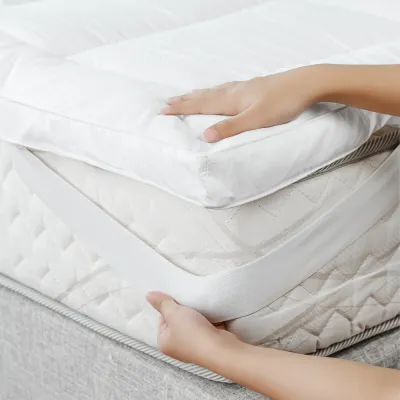
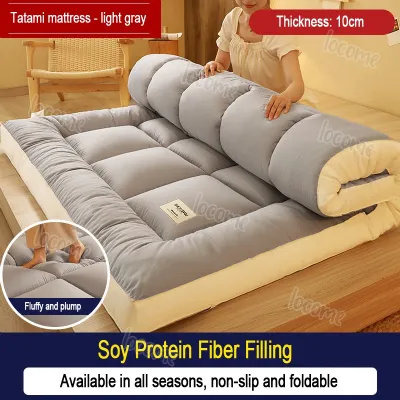
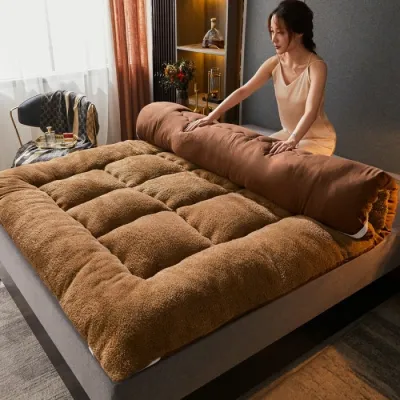
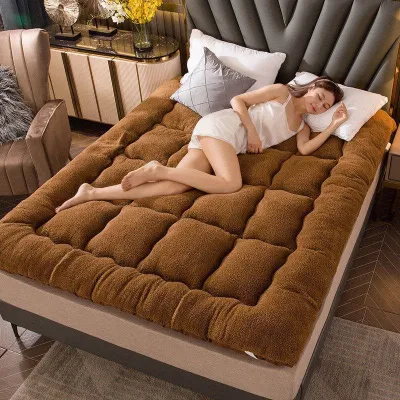
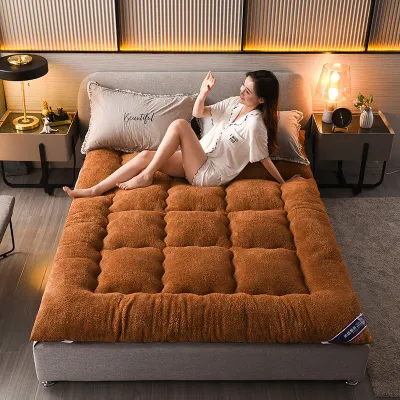
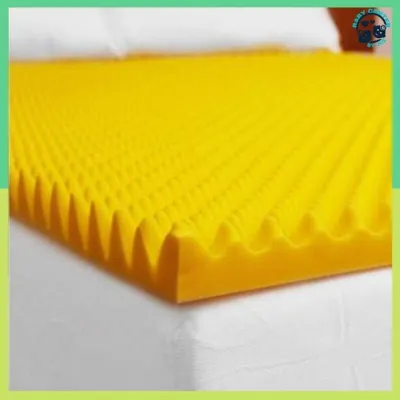
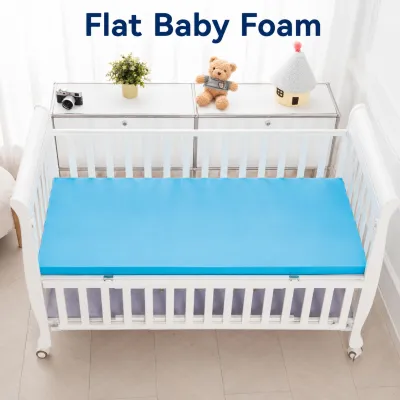
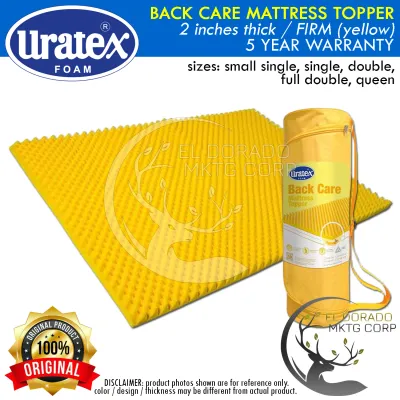
Prices are valid at publication and may change. Please refer to the product page for the latest price.
Latex Mattress Toppers: Breathability and Resilience
Latex toppers are highly regarded for their natural resilience and open-cell structure, which allows for consistent airflow. Many manufacturers incorporate pinhole patterns during the molding process, creating vertical channels that help heat escape rather than trapping it beneath your body. This structural design makes latex a strong candidate for humid environments where stagnant air can make sleep uncomfortable.
When shopping for a latex topper, it is important to check product labels for the specific material composition. Toppers can be made from natural latex, synthetic latex, or a blended mix, each carrying different care instructions regarding moisture exposure. Natural latex tends to be highly breathable but requires careful protection from direct moisture and sweat to prevent premature degradation.
Additionally, latex is physically heavier than memory foam and offers a more responsive, springy feel. If you prefer a plush, sinking sensation, the natural firmness of latex might feel too supportive. It is essential to verify the weight of the topper and your ability to handle it during routine bed-making, as well as checking if its firm profile aligns with your comfort preferences.
Memory Foam Toppers: Contouring and Heat Management
Memory foam is famous for its pressure-relieving, contouring properties, but it traditionally has a reputation for retaining body heat. Because memory foam reacts to body temperature to mold to your shape, it can create a close seal around your body that limits air circulation. In a warm tropical climate, this close fit can lead to a warm sleeping surface if the foam is too dense or lacks ventilation features.
To manage this heat retention, many modern memory foam toppers feature open-cell formulations, ventilation holes, or gel infusions. However, claims of “cooling gel” or advanced temperature regulation should always be verified by checking the manufacturer’s specifications or looking for breathable cover fabrics. A high-quality, moisture-wicking cover is often more effective at managing surface temperature than the foam chemistry alone.
The contouring feel of memory foam also means you sink deeper into the bed, which can make turning over require more effort. If your bedroom relies primarily on a ceiling fan rather than air conditioning, this deep contouring can increase the surface area of your body in direct contact with the warm foam, potentially leading to heat buildup.
Spring and Microcoil Toppers: Airflow and Bounce
Spring or microcoil mattress toppers utilize miniature pocketed coils to provide a responsive, bouncy sleep surface. The primary advantage of a coil-based topper in a tropical climate is the significant amount of open space between the springs. This physical gap allows air to flow freely through the core of the topper, preventing the heat buildup commonly associated with solid foam layers.
While microcoils excel at passive ventilation, their support profile is vastly different from foam. They offer active push-back support and a traditional bouncy feel, which helps you stay on top of the mattress rather than sinking into it. This keeps more of your body exposed to the ambient air in the room, aiding natural cooling.
However, a spring topper is rarely just bare metal; it always features a comfort layer on top of the coils. When evaluating a microcoil topper, you must check the material used in this top comfort layer, whether it is wool, cotton, or a thin layer of foam. The breathability of this top layer will ultimately dictate the surface temperature and moisture management of the topper.
Comparing Key Decision Factors for Tropical Bedrooms
To help you weigh your options, it is helpful to compare how these three materials perform across the key metrics that matter most in a humid, warm environment. Keep in mind that the actual performance of any topper is heavily influenced by the quality of its cover fabric and the ambient ventilation of your bedroom.

| Feature | Latex Toppers | Memory Foam Toppers | Spring/Microcoil Toppers |
|---|---|---|---|
| Cooling Potential | High (due to open-cell structure and pinholes) | Moderate (highly dependent on gel or ventilation) | Very High (due to open space between coils) |
| Support Feel | Responsive, buoyant, and resilient | Contouring, pressure-relieving, and deep | Bouncy, active push-back, and stable |
| Humidity Durability | High (if protected from direct moisture) | Moderate (humidity can soften some foams) | High (if coils are rust-resistant and protected) |
| Motion Isolation | Moderate to High (absorbs movement well) | Excellent (minimizes partner disturbance) | Moderate (coils have individual movement but bounce) |
Before making a purchase, use this checklist to verify the manufacturer’s specifications:
- Check if the topper cover is removable and made of breathable fibers like bamboo, cotton, or Tencel.
- Verify the total weight of the topper to ensure you can lift and rotate it easily.
- Look for clear care instructions regarding washing, drying, and moisture exposure.
- Confirm the manufacturer's guidelines on whether the topper requires a specific type of bed frame or solid foundation.
How to Choose the Right Topper for Your Sleep Profile
Selecting the right topper comes down to matching your personal sleep habits and bedroom setup with the strengths of each material.
Choose a Latex Topper if:
- You want a responsive, buoyant sleeping surface that makes it easy to move and turn over during the night.
- Your bedroom has moderate ventilation, and you want a material with natural, reliable airflow.
- You prefer a durable, resilient material that maintains its shape without sagging under consistent use.
Choose a Memory Foam Topper if:
- You experience joint pressure or muscle discomfort and require deep, contouring support.
- You sleep in an air-conditioned bedroom where the ambient temperature can help regulate the foam's responsiveness.
- You share a bed and want to minimize hearing or feeling your partner's movements.
Choose a Spring Topper if:
- You are a very hot sleeper who needs maximum passive airflow to prevent night sweats.
- You prefer a traditional, bouncy mattress feel and do not want to sink into your bed.
- Your existing mattress is structurally sound but needs an extra layer of active, responsive support.
Verify first if:
- Your current bed sheets have deep enough pockets to accommodate both your mattress and the new topper's thickness.
- Your existing mattress is still flat and supportive; a topper cannot fix a sagging mattress and will simply follow its contours.
- The combined height of your bed frame, mattress, and topper remains comfortable for getting in and out of bed safely.
Sizing, Fit, and Maintenance in Humid Environments
Proper sizing and fit are essential to ensure your topper performs as intended. Before purchasing, measure the exact length, width, and depth of your mattress. Mattress toppers typically range from two to four inches in thickness. Adding a thick topper can significantly increase the overall height of your bed, meaning standard fitted sheets may no longer fit securely. Verify that your sheets have pocket depths that exceed the combined height of your mattress and topper by at least two inches to prevent the corners from slipping off.
In a humid tropical climate, routine maintenance is vital to protect your investment and maintain a hygienic sleep environment. Moisture from humidity and perspiration can accumulate in the layers of your bed, creating an environment prone to odors and structural degradation. Rotate your topper 180 degrees every three to six months to ensure even wear and prevent localized sagging.
Always use a breathable, high-quality mattress protector over your topper to act as a barrier against moisture and dust mites. If you notice persistent dampness, air out the topper in a well-ventilated room with a fan running. If your topper develops persistent musty odors, visible mold, or significant structural sagging that causes discomfort, stop using it immediately and consult the manufacturer’s care guidelines or a qualified professional for replacement advice.
Frequently Asked Questions (FAQ)
Can a mattress topper actually make my bed cooler?
A mattress topper does not act as an active cooling device like an air conditioner; instead, it manages how effectively heat is dissipated away from your body. A highly breathable topper, such as one made of ventilated latex or microcoils, prevents heat from becoming trapped directly beneath you. To achieve a truly cool sleep surface, the topper must work in tandem with a well-ventilated room, breathable bed sheets, and ambient cooling from a ceiling fan or air conditioning unit.
How do I prevent mold or mildew on my topper in high humidity?
To prevent mold and mildew in humid conditions, always use a breathable, water-resistant mattress protector to shield the topper from sweat and environmental moisture. Ensure your bedroom has adequate air circulation by opening windows during dry days or running a dehumidifier or fan. Regularly strip your bedding to let the topper air out for a few hours, and always follow the manufacturer’s specific cleaning labels. If you discover visible mold growth on the core material, stop using the topper immediately and contact the manufacturer.
Community discussion
Share your experience or ask a question. Comments are reviewed before publication.