
Choosing between a latex foam and a memory foam mattress in the Philippines often comes down to how well each material handles the country’s intense tropical heat and high humidity. Neither material is universally cooler on its own; instead, temperature regulation depends heavily on foam density, cell structure, and the design of the mattress cover. While latex is naturally more breathable due to its structural design, memory foam can perform well if it incorporates specific, verifiable cooling technologies.
To understand how these mattresses manage heat, it helps to look at the physical structure of the foam. An open-cell structure allows air to pass through the material when compressed, whereas a closed-cell design traps air pockets, leading to rapid heat buildup. Foam density also plays a major role; higher-density foams contain more material mass per cubic foot, which naturally retains more body heat and contours more closely to the body, wrapping the sleeper in an insulating layer. Finally, the mattress cover, quilting layers, and surface fabrics dictate the initial cooling feel, acting as the primary barrier between your skin and the foam core.
Evaluating Latex Foam for Airflow and Breathability
Natural latex is harvested from rubber tree sap, while synthetic latex is petroleum-based. To verify ventilation in a latex mattress, look for physical pin-core holes. These are vertical channels molded into the latex during manufacturing to facilitate continuous airflow. Without these physical channels, even natural latex can struggle to dissipate heat in a humid environment.
Products mentioned in this guide
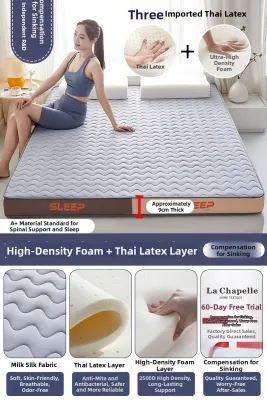
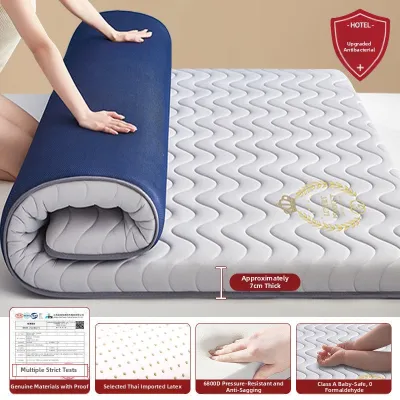
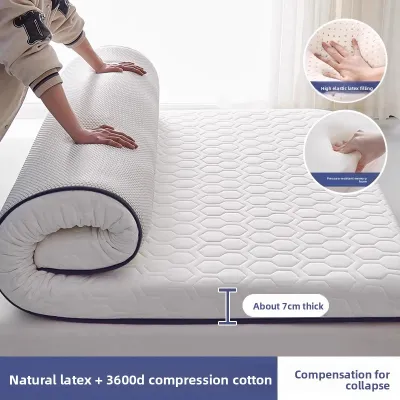

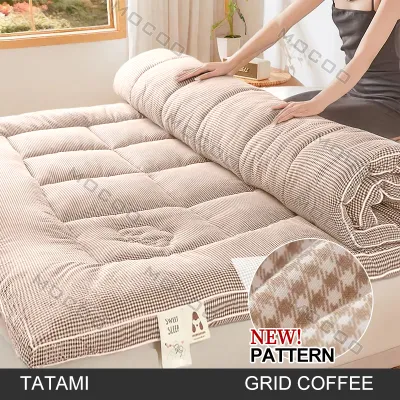
Prices are valid at publication and may change. Please refer to the product page for the latest price.
The manufacturing process also affects breathability. Dunlop latex is denser and settled, often feeling firmer at the bottom of the layer. Talalay latex undergoes a vacuum and flash-freeze process, resulting in a highly uniform, open-cell structure that typically allows more air to circulate. While Talalay is often cited as the more breathable option, both types rely heavily on pin-core ventilation to keep you cool.
However, a highly breathable latex core can still become a heat trap if the mattress is wrapped in a thick, non-breathable synthetic comfort layer or a dense, tightly woven fire sock. These outer layers can block air from moving through the pin-core holes, neutralizing the natural benefits of the latex. Always check the specifications of every layer, not just the core, to ensure air can flow freely to the surface.
When shopping, check the product label for the percentage of natural latex versus synthetic blends. Look for certifications regarding chemical emissions and specific mentions of aerated or pin-core construction. Avoid relying on generic breathable marketing terms without structural or material evidence on the spec sheet.
Assessing Memory Foam for Heat Retention and Cooling Tech
Traditional viscoelastic memory foam is notorious for heat retention. Its dense, closed-cell structure reacts to body heat to contour closely to your shape. This deep contouring increases the surface area of contact between your body and the bed, creating localized heat traps that can feel stifling in warm tropical climates.

To combat this, manufacturers often infuse memory foam with gel beads, graphite, or copper. These materials are designed to conduct heat away from the body. However, their effectiveness is limited if the mattress cover is thick or if the room’s ambient temperature is already very high. They help dissipate initial heat but do not provide continuous active cooling throughout the night.
Some modern memory foams replace a portion of the petroleum products with plant-based oils, which can create a more open-cell structure. When shopping, check the manufacturer’s technical specifications for open-cell labels or airflow ratings rather than relying on the word cooling alone. These structural variations are more effective at managing heat than chemical infusions alone.
A well-designed memory foam mattress uses responsive transition layers beneath the comfort layer. These layers prevent you from sinking too deeply into the dense, warm support core, keeping you closer to the surface where air can circulate. If a mattress lacks a supportive transition layer, you may find yourself sinking into a warm pocket of high-density foam.
Verifiable Cooling Features to Compare Before Buying
To make an informed decision, it is helpful to compare the verifiable specifications of each mattress type rather than relying on broad material assumptions.
| Feature | Latex Foam | Memory Foam | What to Verify |
|---|---|---|---|
| Cell Structure | Inherent open-cell with molded pin-core holes | Typically closed-cell unless specified as open-cell | Check for physical ventilation channels or open-cell certifications. |
| Density & Heat Retention | Medium-to-high density but maintains airflow via structural holes | High density contours deeply, trapping heat unless infused with conductive materials | Look for density ratings (e.g., kg/m³ or lb/ft³) and transition layer presence. |
| Cover Fabric | Often organic cotton, bamboo, or Tencel | Often polyester blends, sometimes treated with phase-change materials | Verify if the cover is removable, washable, and made of moisture-wicking fibers. |
The type of bed base you use also impacts overall mattress ventilation and moisture wicking. A solid platform bed blocks airflow from the bottom of the mattress, trapping moisture and heat. A slatted bed base, with gaps between the slats, allows air to circulate underneath, which is crucial for maintaining a cool sleep surface in humid environments.
Your bedroom environment plays a significant role in how these materials perform. If you sleep in an air-conditioned room, memory foam with conductive gel can perform well because it transfers heat into the cool ambient air. In a room with only a ceiling fan, a highly breathable latex mattress is generally more reliable because it does not rely on low ambient temperatures to dissipate heat.
Watch out for vague marketing terms like space-age cooling or ice-tech without any structural details. If the manufacturer cannot provide the density of the foam, the specific fabric composition of the cover, or details about the airflow channels, the cooling claims are likely unverified. Always prioritize physical design features over marketing buzzwords.
How to Choose the Right Cooling Foam for Your Sleep Style
Choose a latex mattress if you prefer a responsive, bouncy feel and want to sleep on the mattress rather than sinking in it. This keeps more of your body surface exposed to the air, preventing heat buildup. It is also the ideal choice if you want natural materials with built-in structural ventilation.
Choose a memory foam mattress if you require deep pressure relief for joint pain or prefer a contouring, hugged sensation, and you are willing to verify the presence of open-cell structures, gel infusions, and breathable cover fabrics to offset heat retention. Ensure the mattress has a firm transition layer to prevent excessive sinking.
Verify your sleeping conditions first if you experience severe night sweats, share your bed with a partner who sleeps hot, or sleep in a room without air conditioning. In these scenarios, structural airflow and moisture-wicking covers are non-negotiable. A hybrid mattress that combines a foam comfort layer with pocket springs may also be worth considering for maximum airflow.
When testing mattresses in-store, lie on the bed for at least 15 minutes to see if heat begins to build up. Always read the fine print of sleep trial return policies. Ensure that heat discomfort or material preference is covered under the return terms without hefty restocking fees, allowing you to test the mattress in your own home environment.
Frequently Asked Questions (FAQ)
Does a cooling mattress topper actually lower foam temperature?
A breathable mattress topper made of latex, wool, or specialized phase-change fabrics can create a helpful microclimate barrier between your body and the warm foam core. However, a topper cannot change the underlying heat retention of a high-density memory foam core. If the core traps heat, the mattress will eventually warm up. When buying a topper, verify its thickness, material composition, and whether the cover is washable to handle tropical humidity.
How does room humidity affect foam mattress breathability?
High ambient humidity in the Philippines reduces the rate at which sweat evaporates from your skin, making any foam mattress feel warmer and more clammy. Moisture can also accumulate inside the foam layers over time, softening the material and reducing its lifespan. To prevent this, use a slatted bed base to allow bottom ventilation, air out the mattress regularly without its sheets, and maintain good room ventilation to protect the structural integrity of the foam.
Community discussion
Share your experience or ask a question. Comments are reviewed before publication.