
Choosing the right mat for sleeping in the Philippines requires balancing personal comfort with the realities of a tropical climate. High humidity and year-round warm temperatures mean that a mattress cannot simply be judged by its initial softness in a showroom. Instead, the ideal mattress material depends heavily on your sleep habits, budget, and sensitivity to heat. By understanding how latex, spring, and memory foam interact with ambient temperature and moisture, you can make an informed decision that supports both your sleep quality and the longevity of your investment.
Understanding Mattress Materials for Tropical Climates
To find a suitable mat for sleeping, it is essential to look beyond marketing buzzwords and examine the physical structure of each mattress type. The way a mattress is constructed directly influences how much heat it traps and how well it resists the degrading effects of high humidity.
Latex mattresses are derived from the sap of rubber trees (natural latex) or manufactured chemically (synthetic latex), often sold as a blend of both. When evaluating latex, look closely at the manufacturing process, specifically checking whether it uses Dunlop or Talalay methods. More importantly for tropical climates, you should verify if the latex core features a pin-core or open-cell design. These structural channels are engineered to allow air to circulate freely through the mattress, helping to dissipate body heat rather than trapping it beneath your sheets.
Products mentioned in this guide
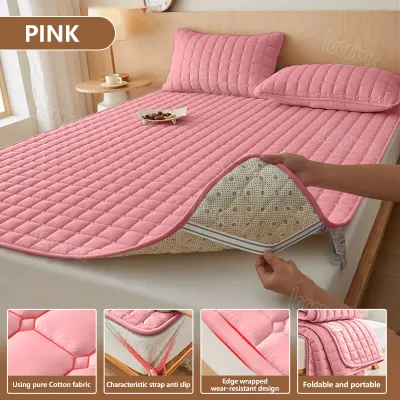
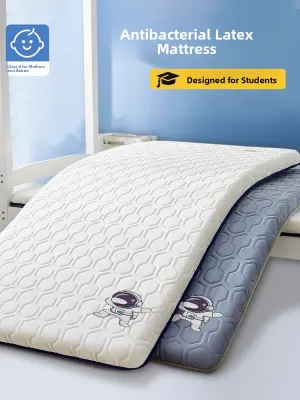
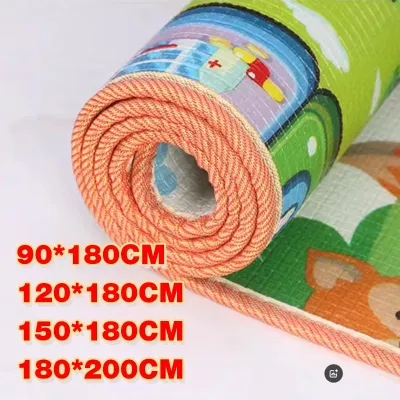
Prices are valid at publication and may change. Please refer to the product page for the latest price.
Spring mattresses, or innerspring systems, rely on a network of steel coils to provide support. This open structure naturally creates a large volume of empty space inside the mattress, allowing air to flow much more freely than in solid foam models. However, the overall temperature regulation of a spring mattress is heavily influenced by its comfort layers—the foam, fiber, or quilted fabric stitched to the top of the coils. If these upper layers consist of dense, non-breathable materials, they can block the airflow from the coils below, neutralizing the natural cooling benefits of the spring system.
Memory foam mattresses are made from polyurethane treated with chemicals to increase its density and viscosity, allowing it to contour closely to your body shape. While this contouring provides excellent pressure relief, the dense cellular structure of standard memory foam tends to restrict airflow and retain body heat. When shopping for a memory foam mat for sleeping, you must evaluate the relationship between foam density and heat retention. Look for manufacturer specifications detailing open-cell technologies or gel infusions, which are designed to help conduct heat away from the body, and verify these claims against official product documentation.
Key Comparison Dimensions for Humid Conditions
When comparing mattress materials for use in a tropical environment, three primary dimensions should guide your evaluation: temperature regulation, moisture resistance, and long-term structural support.

Temperature regulation is often the most immediate concern for sleepers in the Philippines. To assess this, do not rely solely on terms like “cooling” or “ice fabric.” Instead, read the product specifications to identify the specific airflow designs utilized in the mattress core. Check the material composition of the mattress cover; natural fibers like bamboo-derived rayon, tencel, or organic cotton are generally more breathable and effective at wicking away sweat than synthetic polyester covers.
Moisture and mold risks are heightened by high relative humidity, which can cause sweat and ambient moisture to accumulate within the mattress layers. Before purchasing, review the manufacturer’s care instructions to see if the mattress requires specialized ventilation or specific bed bases to prevent moisture buildup. Additionally, inspect the warranty terms carefully to determine if structural degradation caused by humidity, or mold development under normal usage conditions, is covered or explicitly excluded.
Support and durability must be matched to your body weight and preferred sleeping position to prevent premature sagging. In humid conditions, some materials can soften more rapidly over time if they are subjected to constant moisture and pressure. To ensure longevity, verify the density ratings of foam layers (measured in kilograms per cubic meter) and the coil gauge of spring systems. A lower coil gauge indicates thicker, more supportive wire, which generally offers better resistance to sagging under heavier loads.
Material Breakdown: Pros, Cons, and Verification Checks
Each mattress material presents distinct advantages and trade-offs when used in a tropical climate. Verifying specific product details before buying ensures you select a model that performs reliably in your home.
Latex Mattresses
Latex is highly regarded for its natural responsiveness, durability, and inherent resistance to dust mites and mold. However, because latex mattresses are dense and heavy, they require sturdy bed frames and can be difficult to move or rotate.
To verify the quality of a latex mattress, check the product label or manufacturer specification sheet for the exact percentage of natural versus synthetic latex. Pure natural latex typically offers better durability and breathability than synthetic alternatives, though it often comes at a higher price point. Additionally, inspect the physical mattress or product diagrams to confirm the presence of aeration hole patterns, which are vital for maintaining airflow. Finally, ensure the outer cover is made of a breathable fabric that complements the natural ventilation of the latex core.
Spring Mattresses
Spring mattresses offer excellent edge support and a traditional, bouncy feel that makes it easy to move and change positions during the night. The primary drawback is that lower-end models can transfer motion across the bed, potentially disturbing sleeping partners.
When evaluating spring options, compare the coil construction types. Pocketed coils are individually wrapped in fabric sleeves, allowing them to compress independently to isolate motion and contour to your body, whereas Bonnell or continuous coils offer a more uniform, traditional bounce but less motion isolation. Carefully check the materials used in the pillow top or Euro top comfort layers. Ensure these layers incorporate breathable foams or natural fibers so they do not trap heat and negate the cooling airflow provided by the open coil base.
Memory Foam Mattresses
Memory foam excels at pressure relief and motion isolation, making it an excellent choice for couples or individuals with joint sensitivity. The main challenge in a warm climate is its tendency to soften and hug the body closely, which increases the surface area in contact with the mattress and can lead to a sleeping experience that feels excessively warm.
To mitigate heat retention, balance the density ratings of the foam against your comfort needs; ultra-dense foams provide superior pressure relief but may trap more heat. Verify the manufacturer’s documentation for specific cooling technologies, such as gel-infused layers, copper infusions, or phase-change materials designed to absorb and dissipate heat. Be sure to confirm whether these features are integrated throughout the foam or only applied as a surface coating, as integrated technologies generally offer more consistent performance.
Decision Framework: Which Mattress Fits Your Sleep Profile?
To choose the right mat for sleeping, align your personal preferences and environmental conditions with the strengths of each material.
Choose a latex mattress if you prefer a responsive, bouncy feel rather than a sinking sensation, prioritize natural and eco-friendly materials, and want a highly durable option with natural ventilation. Before buying, verify that you can handle the heavier weight of the mattress during setup and routine rotation, and confirm that the product specifications show a high percentage of natural latex.
Choose a spring mattress if your primary goal is maximizing internal airflow to stay cool, you prefer a traditional supportive feel with strong edge support, and you sleep with a partner but have verified that the pocketed coil system provides adequate motion isolation. Ensure the comfort layers on top of the springs are made of breathable materials that will not trap heat.
Choose a memory foam mattress if you require targeted pressure relief for joint pain, prioritize complete motion isolation so you do not feel your partner moving, and have verified that the mattress incorporates active cooling technologies or open-cell foam structures to manage heat retention.
If you remain unsure about which firmness level or material is right for you, prioritize retailers that offer a clear sleep trial and return policy. This allows you to test the mattress in your own home under actual tropical weather conditions. Always read the fine print of the trial policy to understand any return shipping fees, pick-up arrangements, or repackaging requirements.
Practical Buying and Care Tips for the Philippines
Purchasing a mattress is a significant investment, and ensuring a smooth delivery and proper maintenance is crucial for protecting that investment in a tropical environment.
Before finalizing your purchase, measure your available bedroom space, as well as the dimensions of stairwells, hallways, and doorways. Many modern mattresses are delivered compressed in a box, making them easier to maneuver through tight spaces, but traditional spring or heavy latex mattresses must be transported at their full size. Confirm that your bed frame or slatted base matches the manufacturer’s support requirements to prevent the mattress from sagging prematurely.
When shopping at local furniture stores or online marketplaces, compare the total cost, including delivery fees and potential return charges, with prices clearly noted in ₱. Review the warranty conditions to understand what constitutes a manufacturing defect versus normal wear and tear. Keep in mind that a mattress warranty is often voided if the mattress is placed on an improper foundation or shows signs of moisture damage or staining.
To maintain your mattress in a humid climate, implement a consistent moisture management routine. Use a breathable, waterproof mattress protector to shield the core from sweat and spills without blocking airflow. Avoid placing your mattress directly on the floor, as this prevents air from circulating underneath and can lead to mold growth. Rotate your mattress end-to-end every few months as recommended by the manufacturer to ensure even wear, and keep your bedroom well-ventilated by opening windows or using a dehumidifier during particularly humid seasons.
Frequently Asked Questions (FAQ)
Is a firm or soft mattress better for hot weather?
In hot weather, a medium-firm to firm mattress is generally better for temperature regulation than an ultra-soft model. Softer mattresses allow your body to sink deeper into the comfort layers, which wraps the material around your body and restricts ambient airflow. This increased contact area traps body heat close to your skin. A firmer mattress keeps you positioned on top of the sleeping surface, maximizing the air circulation around your body. When comparing options, check the manufacturer’s firmness scale or Indentation Load Deflection (ILD) ratings to find a balance that provides adequate pressure relief without excessive sinkage.
How do I prevent mold on my mattress in a humid climate?
Preventing mold in a humid climate requires minimizing moisture accumulation within the mattress fibers. Always use a high-quality, breathable, waterproof mattress protector or encasement to block sweat and humidity from penetrating the core. Ensure your mattress is elevated on a slatted bed frame that allows air to flow freely underneath, rather than sitting directly on a solid platform or the floor. Keep your bedroom well-ventilated by using fans, air conditioning, or dehumidifiers to lower indoor humidity levels. If you need to clean a spill or spot-treat a stain, follow the manufacturer’s cleaning guidelines strictly, use minimal water, and ensure the mattress is completely dry before putting the sheets back on.
Community discussion
Share your experience or ask a question. Comments are reviewed before publication.