
When sleeping in a tropical climate, your choice of mattress material directly dictates whether you wake up refreshed or drenched in sweat. Innerspring mattresses sleep the coolest due to their open, air-filled coil structures that allow heat to escape freely. Natural latex follows closely, utilizing an open-cell structure and manufactured pinholes to facilitate continuous ventilation while resisting the mold that thrives in high humidity. Traditional memory foam retains the most heat because of its dense, contouring composition, though modern variations with open-cell designs or gel infusions attempt to mitigate this issue. Ultimately, your sleep experience will depend not only on the core material but also on your room’s ventilation, air conditioning usage, and the breathability of your mattress cover and bed base.
Why Tropical Climates Demand Specific Mattress Features
The climate in the Philippines presents unique challenges for sleep hygiene and comfort, characterized by year-round high temperatures and elevated relative humidity. During warm nights, your body relies on evaporative cooling—sweating—to lower its core temperature and transition into deep sleep. If your mattress traps heat and prevents air from circulating around your body, this natural cooling process stalls, leading to restless tossing and turning.
Beyond immediate sleep disruption, high humidity acts as a catalyst for material degradation and hygiene issues. Moisture from the air and sweat can seep deep into mattress layers, creating an ideal breeding ground for mold, mildew, and dust mites. Over time, this moisture accumulation can soften foam layers prematurely and cause internal metal coils to rust if they lack proper protective coatings. Therefore, a mattress suited for tropical living must prioritize internal airflow, feature a moisture-wicking outer cover, and maintain structural stability under humid conditions.
Products mentioned in this guide
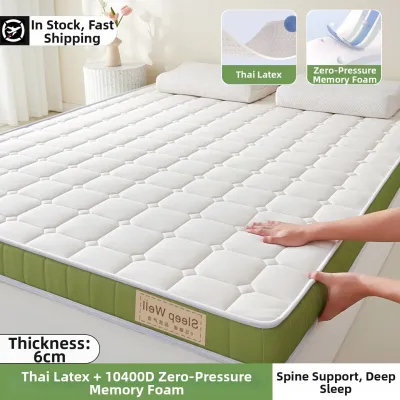
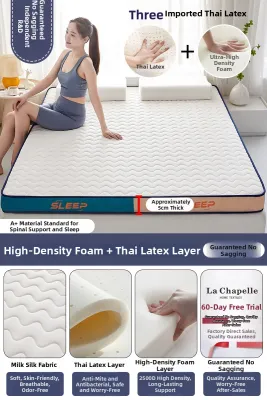
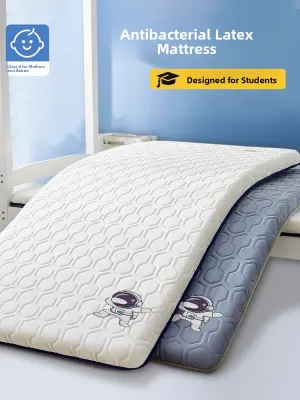
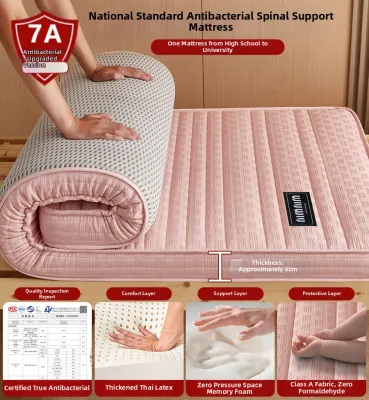
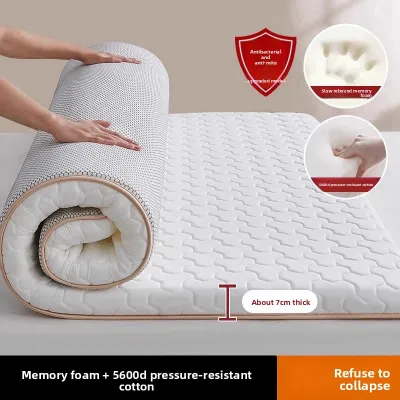
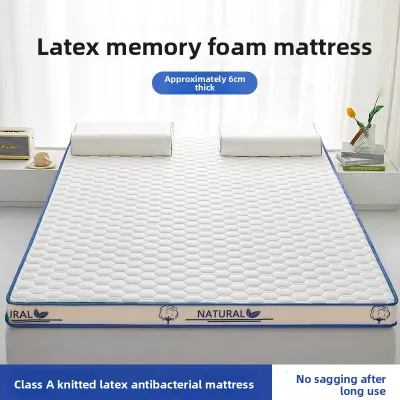
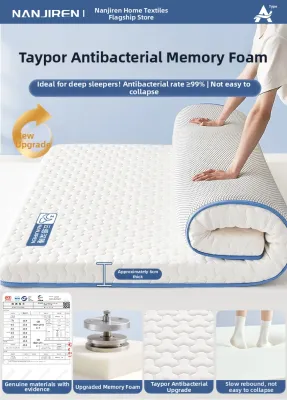
Prices are valid at publication and may change. Please refer to the product page for the latest price.
Innerspring Mattresses: Maximizing Airflow and Bounce
Innerspring mattresses are highly effective at temperature regulation because their core is composed primarily of open space. Whether utilizing traditional Bonnell coils or modern pocketed springs, the physical gaps between the steel coils allow air to flow freely with every movement you make. This continuous air exchange prevents body heat from pooling beneath you, making innersprings an excellent baseline option for bedrooms that rely on natural ventilation or ceiling fans rather than continuous air conditioning.

However, the overall cooling performance of an innerspring mattress is heavily influenced by its comfort layers. A mattress with a thin, breathable tight top made of cotton or bamboo-derived fabric will maximize the cooling benefits of the underlying coils. Conversely, a thick, plush pillow top packed with dense synthetic foam can block airflow, trapping heat right against your skin before it ever reaches the breathable spring core.
When selecting an innerspring mattress for a humid environment, you must also consider structural longevity. High humidity can gradually weaken the peripheral foam encasement used for edge support, leading to sagging borders over years of use. Additionally, traditional open-coil systems transmit motion across the bed, which might disturb your partner if either of you tosses during hot, humid nights. Checking for pocketed coils wrapped in breathable, moisture-resistant fabric sleeves is a practical way to balance motion isolation with airflow.
Memory Foam Mattresses: Contouring Comfort vs. Heat Retention
Memory foam is celebrated for its pressure-relieving properties, contouring closely to your body’s unique shape to align the spine and cushion sensitive joints. However, this close contouring is precisely why traditional memory foam struggles in tropical climates. By hugging your body closely, the foam restricts air circulation around your skin, while its dense, closed-cell polyurethane structure acts as an insulator, trapping and reflecting your body heat back to you.
To counter this heat retention, manufacturers develop modified foam formulations. When shopping, look for labels specifying “open-cell” memory foam, which features a more porous structure that allows air to pass through more easily than traditional dense foams. Gel-infused memory foam is another common option, designed to absorb and dissipate initial body heat, though its cooling effect may diminish once the gel reaches thermal equilibrium with your body. Advanced options may feature phase-change materials in the cover, which actively absorb heat to maintain a balanced surface temperature.
Humidity also directly alters how memory foam feels and performs. High humidity and ambient warmth can make memory foam feel significantly softer and faster to sink than it would in a cool, dry showroom. Furthermore, new memory foam mattresses undergo a process called off-gassing, releasing volatile organic compounds that carry a distinct chemical smell. In a humid, closed room, this off-gassing odor can linger longer, requiring you to ventilate the mattress thoroughly in a well-aired space before dressing it with sheets.
Latex Mattresses: Natural Breathability and Moisture Resistance
Natural latex mattresses offer a premium, highly breathable alternative that performs exceptionally well in tropical conditions. Derived from the sap of rubber trees, natural latex is inherently resilient and does not contour as deeply as memory foam, meaning you sleep “on” the mattress rather than “in” it. This buoyant support keeps your body elevated, maximizing the surface area exposed to ambient air currents.
The manufacturing processes for latex—specifically the Dunlop and Talalay methods—introduce a system of vertical pinholes into the material. These pinholes, combined with the natural open-cell structure of rubber, create an active ventilation system that pumps warm air out and draws cooler air in as you move. Between the two, Talalay latex generally offers a more porous, airy structure, while Dunlop latex is denser and firmer, though both remain far more breathable than standard polyurethane foams.
For tropical homeowners, the standout benefit of natural latex is its resistance to environmental threats. Natural latex is inherently hostile to dust mites, mold, and mildew, which thrive in warm, humid climates. This makes it an excellent choice for allergy sufferers or anyone concerned about long-term mattress hygiene. The primary trade-offs are logistical and financial: natural latex is exceptionally heavy, making it difficult to rotate or move without assistance, and it typically commands a higher price point than innerspring or synthetic foam options.
Direct Comparison: Cooling, Support, and Longevity
To help you weigh your options, the table below compares how these three primary mattress materials perform across key environmental and physical performance metrics.
| Performance Metric | Innerspring Mattresses | Memory Foam Mattresses | Latex Mattresses |
|---|---|---|---|
| Airflow & Heat Dissipation | Excellent; open coil structure allows maximum ventilation. | Low to Moderate; dense structure tends to trap heat unless modified. | High; natural pinholes and open-cell structure promote airflow. |
| Humidity & Mold Resistance | Moderate; coils require protective coatings; comfort layers can hold moisture. | Low; dense synthetic foam can trap moisture if not paired with a breathable cover. | High; naturally resistant to mold, mildew, and dust mites. |
| Support Feel | Bouncy and active; strong edge support but higher motion transfer. | Deeply contouring; excellent pressure relief with minimal bounce. | Buoyant and responsive; keeps the sleeper elevated with gentle contouring. |
| Maintenance Requirements | Low; regular rotation; check coils for rust in extreme coastal humidity. | Moderate; requires a highly breathable protector; needs regular airing out. | Moderate to High; heavy to rotate; must be kept away from direct sunlight. |
While these baselines apply to pure material categories, many modern mattresses are hybrids. A hybrid mattress typically combines a pocketed spring core with a comfort layer of latex or gel-infused memory foam. This design attempts to capture the airflow and bounce of springs while providing the targeted pressure relief of foam or the hygienic benefits of latex. When evaluating any mattress, always verify the manufacturer’s warranty terms to see if they cover sagging, physical softening, or moisture-related degradation under high-humidity conditions.
Decision Framework: Matching Mattress Materials to Your Sleep Profile
Choosing the right mattress involves balancing your personal heat sensitivity, budget, and comfort preferences. Use this conditional framework to guide your final decision:
- Choose an Innerspring Mattress if you sleep hot, do not have air conditioning running overnight, prefer a traditional bouncy feel, and want a highly breathable bed at an accessible price point.
- Choose a Latex Mattress if you have a flexible budget, suffer from allergies, want a durable and naturally mold-resistant bed, and prefer a buoyant, supportive feel that keeps you cool without sinking.
- Choose a Memory Foam Mattress if you prioritize deep pressure relief for joint pain, sleep in a consistently air-conditioned room that controls ambient heat and humidity, and prefer a body-hugging sensation with zero motion transfer.
Before finalizing your purchase, use this pre-purchase checklist to ensure your new bed is fully optimized for a tropical climate:
- Check the Cover Material: Opt for natural, breathable fibers such as organic cotton, bamboo-derived rayon, or specialized cooling fabrics that actively wick away sweat.
- Assess the Foundation: Ensure your bed frame or slatted base allows air to circulate underneath the mattress. Solid wooden platforms or solid box springs can trap moisture at the bottom of the mattress, leading to mold growth.
- Verify the Sleep Trial: Look for brands offering a risk-free sleep trial of at least 90 nights, allowing you to test how the mattress handles the heat and humidity of your actual bedroom.
If you suffer from chronic, severe back pain, spinal alignment issues, or severe respiratory allergies, consult a medical specialist or physical therapist. While choosing the right mattress material can significantly improve your sleep comfort and hygiene, a medical professional can provide personalized recommendations tailored to your specific physical needs.
Frequently Asked Questions (FAQ)
Do I need a dehumidifier to protect my mattress in the Philippines?
Maintaining an indoor relative humidity level between 40% and 60% is ideal for both sleep comfort and mattress preservation. In the Philippines, outdoor humidity frequently exceeds 80%, which can easily seep indoors and saturate your mattress fibers over time. If your bedroom feels consistently damp, smells musty, or shows visible signs of condensation on walls or windows, using a mechanical dehumidifier is highly recommended. Controlling room humidity prevents mold spores from colonizing your mattress layers, protects internal metal springs from premature rusting, and prevents polyurethane foams from softening prematurely.
Will a cooling mattress topper fix a hot memory foam bed?
A breathable mattress topper made of natural latex, wool, or open-cell gel foam can provide a temporary thermal barrier between your body and a hot memory foam mattress. These toppers help dissipate surface heat and improve immediate skin-level airflow. However, a topper cannot fix the fundamental airflow limitations of a dense memory foam core. Over several hours of sleep, your body heat will eventually penetrate the topper and accumulate in the dense foam below, which will then radiate that heat back upward. For long-term comfort, replacing the mattress or using active air conditioning is more effective than relying solely on a topper.
How often should I rotate my mattress in a humid climate?
In a humid climate, you should rotate your mattress 180 degrees every three to six months. Regular rotation is crucial because high humidity makes mattress materials more susceptible to localized softening from body weight and concentrated moisture from sweat. Rotating the bed ensures that wear is distributed evenly across the entire surface, preventing deep body impressions from forming. Additionally, this maintenance routine gives you a regular opportunity to inspect the underside of the mattress and the bed slats for any signs of moisture buildup, dust accumulation, or early mold growth.
Community discussion
Share your experience or ask a question. Comments are reviewed before publication.