
Selecting a mattress in the Philippines requires careful consideration of the local climate. With high year-round temperatures and relative humidity levels that frequently soar, the bedroom environment can easily become a trap for body heat and moisture. A mattress that performs exceptionally well in cooler, drier regions might leave you feeling warm, damp, and uncomfortable here. To achieve a truly restful night, your bed must actively facilitate heat dissipation and manage moisture buildup.
When evaluating a core sleep mattress, the debate often centers on three primary materials: latex, spring, and memory foam. Each material interacts differently with the surrounding air and your body heat. Understanding these structural differences is the key to choosing a sleep surface that remains cool, dry, and supportive throughout the night. Rather than relying on generic marketing claims, focusing on verifiable specifications and construction details will guide you to the right choice.
Ultimately, there is no single material that is universally superior for every sleeper in a tropical climate. The ideal option depends on how the mattress is engineered, the quality of its individual layers, and how well it integrates with your personal sleeping habits and home ventilation. By examining the physical properties of these materials, you can make an informed decision that ensures long-term comfort and durability.
Products mentioned in this guide
Prices are valid at publication and may change. Please refer to the product page for the latest price.
Understanding Mattress Materials in Hot and Humid Conditions
The combination of high ambient temperatures and elevated humidity in the Philippines directly affects both sleep quality and mattress longevity. When you sleep, your body naturally releases heat and moisture as part of its thermoregulation process. In a humid environment, this moisture cannot evaporate quickly from your skin or the bed surface, leading to a sticky, uncomfortable sensation that can disrupt your sleep cycle.
If a mattress lacks adequate ventilation, it traps this warm, humid air within its core. Over time, this trapped moisture does more than just ruin your comfort; it creates an ideal breeding ground for dust mites, mold, and mildew. This can compromise the structural integrity of the comfort layers, leading to premature sagging, unpleasant odors, and potential allergen issues.
To combat these climate-specific challenges, you must look closely at the structural traits of different mattress types. Airflow is determined by how easily air can move through the interior of the bed. For instance, open spaces within a mattress allow air to circulate freely, carrying heat away from your body. Conversely, dense, solid materials tend to block this natural movement, acting as an insulator.
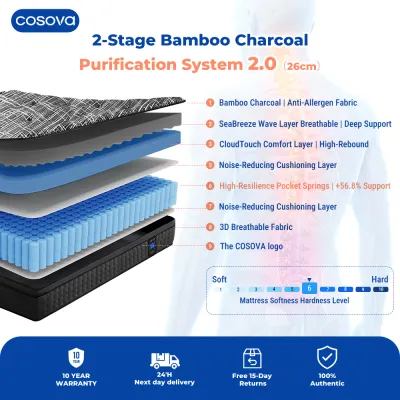
When shopping for a core sleep mattress, always inspect the product labels and technical specifications for features designed to manage heat and moisture. Look for cooling covers woven with specialized fibers, such as Tencel or bamboo-derived rayon, which naturally wick moisture away from the skin. Additionally, check for breathable borders, such as 3D mesh fabrics or ventilated side panels, which allow air to escape from the sides of the mattress as you move.
Comparing Latex, Spring, and Memory Foam for Tropical Climates
Spring mattresses are traditionally highly regarded for hot climates due to their open interior structure. Whether utilizing pocketed coils or interconnected Bonnell springs, these units consist mostly of open air. As you shift during sleep, the bellows effect of the springs actively pushes warm air out and draws cooler air in, promoting continuous ventilation.

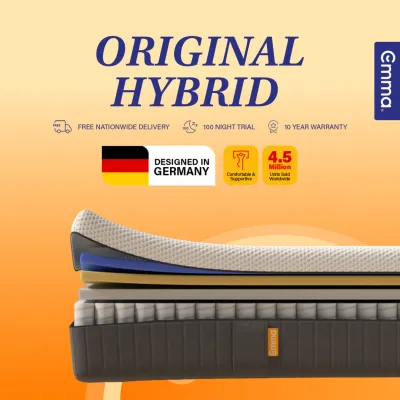
However, the breathability of a spring mattress also depends heavily on the comfort layers placed on top of the coils. If a spring unit is topped with thick, dense, unventilated foam, the cooling benefits of the underlying coils may be severely restricted. When evaluating a hybrid or spring core sleep mattress, verify that the comfort layers are relatively thin, ventilated, or made of highly breathable materials.
Latex mattresses offer another excellent option for tropical climates, primarily due to their manufacturing process. Natural and synthetic latex comfort layers are typically produced with a grid of small holes, known as a pinhole core, which is created during the molding process. This design, combined with the open-cell structure of the latex itself, allows air to flow horizontally and vertically through the layer.
While latex is naturally resilient and does not contour as deeply as memory foam—meaning less of your body is enveloped by the material—it is still essential to check the cover and base. A latex mattress wrapped in a heavy, non-breathable polyester cover will still feel warm. Ensure the latex core is paired with a breathable knit cover and supported by a slatted base that allows the pinhole system to function effectively.
Memory foam mattresses are famous for their pressure-relieving contouring, but traditional formulations are notorious for retaining heat. Because memory foam reacts to body heat to soften and mold to your shape, it creates a close fit around your body. This deep contouring reduces the surface area exposed to the air, trapping heat directly against your skin.
To address this, modern manufacturers modify memory foam to improve its thermal performance. When reviewing memory foam options, look for specific cooling technologies on the product specification sheet. Gel-infused foams use gel beads to absorb and dissipate initial heat, while open-cell memory foams feature a less dense cell structure that allows air to pass through more easily. Some advanced models also incorporate copper infusions or phase-change materials in the cover to help regulate surface temperature.
Evaluating Core Sleep Mattress Options for Your Needs
To select the right core sleep mattress model, you must cross-reference your primary sleeping position and body weight with the physical properties of each material. Sinking too deeply into a mattress is one of the primary causes of sleeping hot. When your body is deeply cradled by foam, there is less air circulation around you, which intensifies heat retention.
If you are a side sleeper or have a heavier build, you require a mattress that offers deep pressure relief without allowing you to sink completely through the comfort layers. In this scenario, a hybrid mattress combining supportive pocket springs with a responsive latex or modified memory foam comfort layer can provide the ideal balance. The springs prevent excessive sinking, while the top layer cushions your shoulders and hips.
Back and stomach sleepers generally require a firmer surface to keep the spine aligned. For these positions, a firmer latex or a classic spring mattress is often highly suitable. By keeping your body elevated on top of the mattress rather than nestled within it, you maximize the surface area exposed to room airflow, helping you stay cooler throughout the night.
Always verify the presence of transitional support layers in the mattress construction. A high-quality mattress should feature a progressive design, where comfort layers transition smoothly into firmer support cores. This prevents you from bottoming out onto dense, unventilated base foams. Check the manufacturer’s specifications to ensure these transitional layers are designed with airflow channels or breathable materials.
Finally, review the care instructions and warranty details provided by the manufacturer. A mattress rated for use in high-humidity environments will often come with specific guidelines on how to maintain its freshness. Pay close attention to warranty clauses regarding moisture damage, sagging thresholds, and the type of bed base required to keep the warranty valid.
Practical Checks Before Purchasing and Setting Up
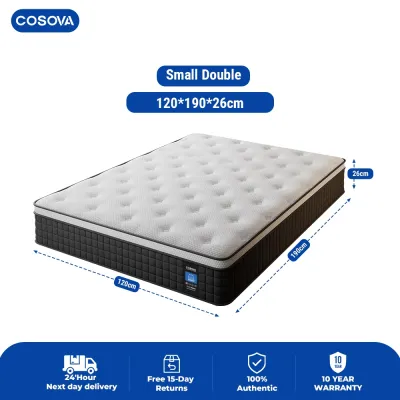
Before finalizing your purchase, you must perform several practical checks to ensure the mattress fits your physical environment and can be properly maintained. Start by measuring your bed frame dimensions, room clearance, and the delivery path. In many Philippine homes, narrow stairwells, tight hallways, and low doorways can make delivering a fully expanded, non-rollable mattress extremely difficult.
If you live in a high-rise condominium or a home with tight access points, a mattress-in-a-box option might be the most practical choice. These mattresses are compressed, rolled, and delivered in a compact box, making them much easier to maneuver through tight spaces. Once in your bedroom, they quickly expand to their full size upon unboxing.
Next, review the warranty terms to understand what constitutes acceptable use. Many manufacturers void their warranties if the mattress is placed on an improper foundation. For instance, placing a heavy latex or hybrid mattress on a weak, sagging slatted frame or directly on a solid wooden platform without ventilation can trap moisture underneath, leading to mold growth and structural failure.
To protect your investment in a humid climate, plan for adequate room ventilation. Using a ceiling fan or keeping windows open to promote cross-ventilation can significantly lower indoor humidity levels. If you use air conditioning, it naturally dehumidifies the air, which helps the cooling technologies in your mattress perform at their best.
Additionally, consider investing in a high-quality, breathable, waterproof mattress protector. While it might seem counterintuitive to add another layer, a protector shields your core sleep mattress from sweat, spills, and atmospheric moisture. Look for protectors that utilize breathable polyurethane membranes rather than cheap, noisy plastic backings, ensuring your mattress’s built-in cooling features can still do their job.
Frequently Asked Questions (FAQ)
Does a memory foam mattress always sleep hot in the Philippines?
Traditional dense memory foam does tend to retain heat because of its tight cell structure and deep contouring. However, modern memory foam mattresses are often engineered with cooling modifications to suit tropical climates. When shopping, check the specifications for open-cell foam structures, gel or copper infusions, and breathable cover fabrics, which help dissipate heat much better than standard foam.
How can I prevent mold on my mattress in a humid climate?
To prevent mold, never place your mattress directly on the floor, as concrete and wood can trap moisture underneath. Use a slatted bed frame with adequate spacing to ensure continuous airflow beneath the mattress. Additionally, use a breathable, waterproof mattress protector, keep your bedroom well-ventilated, and follow the manufacturer’s specific cleaning guidelines for spot-treating stains.
Community discussion
Share your experience or ask a question. Comments are reviewed before publication.