
A lifetime folding table 6 feet model is highly resilient against the harsh elements of the Philippine rainy season, but it is not completely indestructible. Thanks to its high-density polyethylene (HDPE) tabletop and powder-coated steel frame, this utility table resists immediate water damage, warping, and rot far better than wood or low-grade plastics. However, prolonged exposure to extreme tropical humidity, acidic rain, and intense UV rays during monsoon breaks will eventually test the limits of its protective coatings. To maximize its lifespan, you must understand how these materials interact with the local climate and implement a proactive maintenance routine.
While the table is designed for temporary outdoor use, leaving it continuously exposed to the elements during the wettest months of the year will accelerate wear. Understanding the specific environmental threats and knowing how to inspect, clean, and store your table will ensure it remains a reliable asset for your home, backyard, or business for years to come.
Environmental Stressors of the Philippine Rainy Season
The Philippine rainy season, driven largely by the Southwest Monsoon (Habagat), presents a unique combination of environmental challenges that go far beyond simple rainfall. During this period, outdoor furniture must withstand sudden, torrential downpours followed immediately by intense tropical sun. This rapid cycling between extreme moisture and high heat creates a “sauna effect” that accelerates the degradation of protective finishes.
Products mentioned in this guide
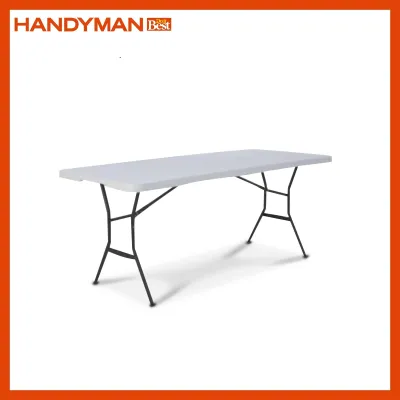
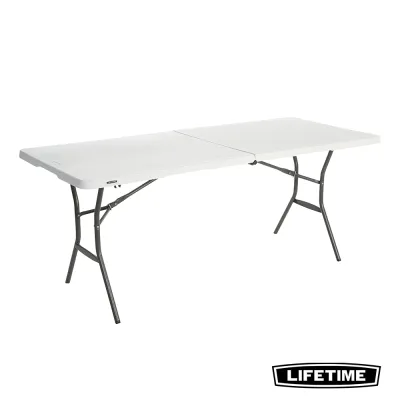
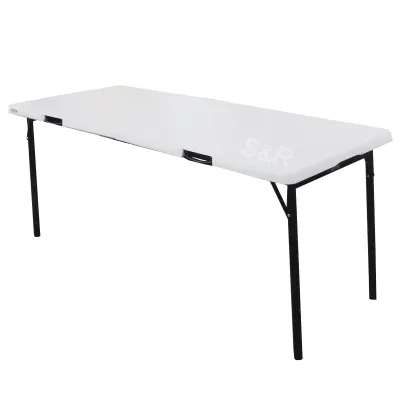
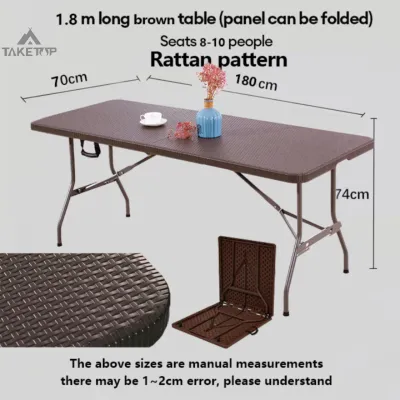
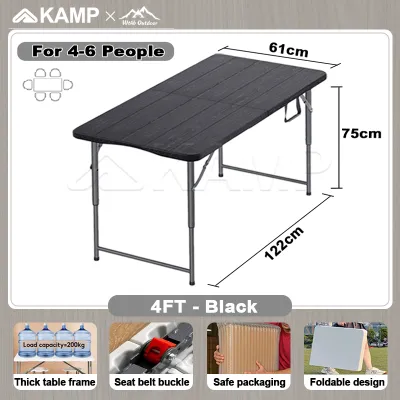
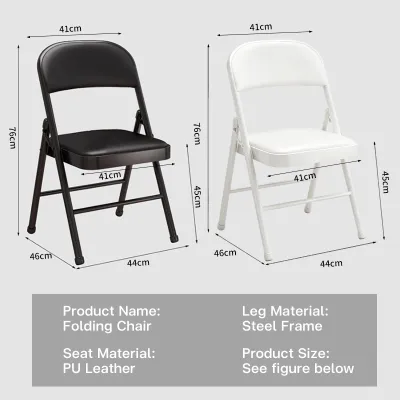
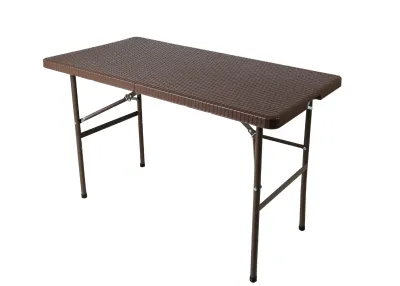
Prices are valid at publication and may change. Please refer to the product page for the latest price.
Relative humidity levels in the Philippines frequently exceed 80% to 90% during the wet months. This constant moisture in the air prevents wet surfaces from drying quickly, especially in shaded or poorly ventilated areas. When moisture lingers on a surface, it creates an ideal breeding ground for mold, mildew, and organic biofilm. Furthermore, rainwater in urban or industrial areas can be slightly acidic, containing pollutants that can slowly etch plastic surfaces and corrode exposed metals over time.
When a manufacturer labels a product as “weather-resistant,” it means the materials have been treated to delay the natural processes of weathering under normal conditions. It is not a guarantee of absolute protection against continuous, unshielded exposure to tropical monsoons. Understanding this distinction is key to protecting your investment.
Material Performance: HDPE Top vs. Steel Frame
To evaluate how a lifetime folding table 6 feet model holds up, we must analyze its two primary components: the high-density polyethylene (HDPE) tabletop and the powder-coated steel frame. Each material reacts differently to the high-humidity, high-moisture environment of the wet season.

High-Density Polyethylene (HDPE) Tabletop
High-density polyethylene is an exceptionally durable thermoplastic that serves as the main surface of the table. Because HDPE is non-porous, it does not absorb water, swell, split, or rot when exposed to continuous rain. This makes it vastly superior to wood or particleboard alternatives, which quickly degrade and warp when wet.
However, the primary threat to the HDPE top during the rainy season is actually the sun. The intense UV radiation during the hot intervals between rainstorms can break down the polymer chains in untreated plastic. Before purchasing or placing your table outdoors, check the manufacturer’s product label to verify the presence of UV inhibitors. Without these stabilizers, the plastic can become brittle, fade, or chalk over time, making it susceptible to cracking under heavy loads.
Additionally, while the HDPE itself resists water damage, its textured surface is designed to prevent items from slipping. This texture can trap dirt, dust, and organic debris carried by wind and rain. In highly humid conditions, this trapped organic matter can lead to localized mold and mildew growth, which requires regular cleaning to prevent permanent staining.
Powder-Coated Steel Frame and Folding Mechanisms
The structural strength and stability of the table rely entirely on its steel frame. To protect the underlying steel from the corrosive effects of moisture and oxygen, the metal is treated with a powder-coated finish. This process applies a dry powder that is cured under heat to create a tough, protective skin over the metal.
While the flat sections of the steel legs are well-protected by this coating, the folding mechanisms, joints, locking pins, and gravity rings are highly vulnerable. These moving parts experience friction every time the table is folded, unfolded, or moved. Over time, this friction can scratch or chip the powder coating, exposing the raw steel beneath.
Once the protective moisture barrier is compromised, the high relative humidity of the rainy season will cause localized oxidation. Rust can quickly establish a foothold in these hidden joints and hinges. If left unchecked, rust will not only make the folding mechanism stiff and difficult to operate but can also spread beneath the surrounding powder coating, causing it to bubble and flake, ultimately compromising the table’s structural integrity.
Post-Rain Inspection Checklist for Early Damage Signs
To prevent minor weathering from turning into permanent structural damage, perform a thorough visual and tactile inspection of your table after heavy rainstorms or prolonged periods of damp weather. Catching early signs of wear allows you to take corrective action before the table’s stability is compromised.
- Check the Steel Joints and Welds: Inspect the hinges, locking pins, and welded joints of the frame. Look for any signs of bubbling, flaking, or peeling in the powder coating, as well as the appearance of fine orange dust, which indicates active rust formation.
- Test the Folding Mechanisms: Gently fold and unfold the table to check the movement of the legs and locking rings. Listen for any grinding noises and feel for stiffness. Stiffness often indicates that moisture has penetrated the hinge joints or that grit has settled inside, which can lead to accelerated wear.
- Inspect the Underside of the Tabletop: Tilt the table to examine the underside of the plastic top. Many folding tables feature a honeycombed structural design underneath to maintain strength while reducing weight. Water can easily pool in these recessed pockets if the table is left outdoors, creating a hidden reservoir for mold and mosquitoes.
- Look for Surface Biofilm: Run your hand across the HDPE surface and along the edges. If the surface feels slimy or shows dark green or black spots, mold or algae is beginning to colonize the textured plastic. This should be cleaned immediately to prevent deep staining.
Practical Maintenance and Cleaning for High Humidity
Maintaining your table during the wet season requires gentle, non-destructive cleaning methods. Always check the applied cleaning product’s label and the treated item’s manufacturer instructions before starting. If instructions conflict, prioritize the manufacturer’s guidelines to avoid damaging the materials or voiding your warranty.
For routine cleaning after rain, mix a few drops of mild dish soap with warm water. Use a soft microfiber cloth or a soft-bristled nylon brush to gently scrub the HDPE tabletop and the steel frame. This will effectively remove acidic rain residue, mud, organic debris, and early mold spores without harming the protective finishes.
Never use abrasive scouring pads, steel wool, wire brushes, or harsh chemical solvents like bleach, acetone, or ammonia. These abrasive materials and harsh chemicals can strip the protective powder coating from the steel frame and scratch the HDPE surface. Scratches in the plastic create microscopic grooves that easily trap moisture, dirt, and mold spores, making the table much harder to clean in the future.
After washing, rinse the table thoroughly with clean water to remove any soap residue. The most critical step in a highly humid climate is drying. Wipe down all metal parts, especially the hinges, joints, and locking mechanisms, with a clean, dry towel. Allow the table to air-dry completely in a well-ventilated, shaded area before folding it. Folding and storing a wet table traps moisture inside, creating a humid microclimate that rapidly accelerates rust and mold growth.
Strategic Placement and Storage During Wet Months
How you position and store your table during the monsoon season directly impacts its longevity. Whenever possible, place the table under a solid roof, veranda, or patio cover rather than leaving it in direct, unshielded rain. This simple step shields the table from the worst of the downpours and reduces the amount of standing water it must endure.
If the table must remain on an open balcony or garden patio, protect it with a high-quality, breathable, waterproof furniture cover. Avoid using tight, non-breathable plastic tarps, as they trap condensation underneath. This trapped moisture creates a highly humid greenhouse effect that accelerates rust on the metal legs and promotes mold growth on the plastic top.
When storing the table, consider its physical dimensions and your available space. A standard lifetime folding table 6 feet model typically measures 72 inches (182.9 cm) in length, 30 inches (76.2 cm) in width, and 29 inches (73.7 cm) in height when unfolded. If you have a fold-in-half design, it collapses to a compact 36 by 30 inches, making it much easier to store. Before purchasing, measure your available storage space—such as a dry closet, utility room, or elevated garage shelf—to ensure a proper fit. Make sure your doorways and hallways provide enough clearance to carry the folded table indoors safely without scraping the walls or damaging the table’s edges.
During typhoons, severe weather warnings, or periods of prolonged non-use, store the table fully dry in an elevated, indoor area. Avoid leaving it directly on wet concrete floors or ground-level areas prone to localized flooding or heavy splash damage. Additionally, ensure the table is placed on a flat, stable surface. Wet, muddy garden soil can cause the legs to sink unevenly, compromising the table’s stability and increasing the risk of it tipping over under load.
Frequently Asked Questions (FAQ)
Can I leave the Lifetime table outside all year round?
While the HDPE tabletop and powder-coated steel frame are engineered for outdoor resilience, leaving the table outside continuously throughout the year is not recommended in the Philippines. The combination of intense tropical UV rays during the dry season and relentless moisture during the wet season will eventually degrade the protective barriers. Over time, the UV inhibitors in the plastic will wear down, and the steel joints will oxidize. To extend its usable life, store the table indoors or under a protective cover when it is not in active use.
How do I safely remove surface rust from the steel frame?
If you spot minor surface rust, address it immediately before it compromises the frame. First, check the manufacturer’s warranty terms, as altering the factory finish may void certain protections. If you proceed, use a soft nylon brush or a paste of baking soda and water to gently scrub away the loose rust. Avoid harsh acids or abrasive metal wire brushes that can gouge the surrounding intact powder coating. Once the rust is removed, clean the area with mild soap, rinse, and dry it completely. To restore the moisture barrier, apply a small amount of matching, outdoor-rated enamel touch-up paint or a rust-inhibiting spray as directed by the paint manufacturer’s instructions.

Community discussion
Share your experience or ask a question. Comments are reviewed before publication.