
Mahogany wood furniture has long been a symbol of elegance and longevity in Philippine households. Known for its deep, warm tones and classic appeal, this hardwood is a popular choice for heirloom pieces passed down through generations. However, choosing the right furniture requires understanding the material’s actual properties, how it behaves in a tropical climate, and how to verify its authenticity before making a significant investment. This guide provides practical steps to evaluate mahogany furniture, ensuring your selection fits both your living space and your lifestyle.
Identifying Genuine Mahogany: Grain, Color, and Texture
To ensure you are purchasing genuine mahogany wood furniture, start with a close visual inspection of the wood grain. Authentic mahogany typically exhibits a straight or slightly interlocked grain pattern with a fine to medium texture. The natural color of untreated or lightly finished mahogany ranges from a pale pinkish-brown to a deep, rich reddish-brown, which often darkens over time when exposed to light. Look for subtle variations in color across the surface; uniform, perfectly identical patterns often indicate a synthetic laminate or a printed veneer rather than solid timber.
Next, use your sense of touch to evaluate the material. Solid mahogany has a characteristic density and weight that feels substantial when you attempt to lift or shift a corner of the piece. The wood surface should feel smooth and solid, maintaining a relatively neutral temperature that does not feel excessively cold or plastic-like to the touch. If a piece feels surprisingly light or hollow, it may be constructed from lightweight engineered boards or hollow-core panels.
Products mentioned in this guide
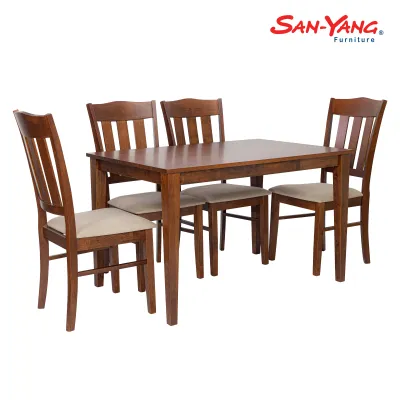
1 Lazada user ratings
🎨Design:what you see is what you get 🔨Durability:sturdy sya 🛋️Comfort:100% first time to buy online furniture like this. and smooth naman. my…Read full reviewShow less
🎨Design:what you see is what you get 🔨Durability:sturdy sya 🛋️Comfort:100% first time to buy online furniture like this. and smooth naman. my mga ilang flaws lang, like ung 1 paa ng table my onting scratch, ung 1 chair faded ung color sa edge at 1 chair nagwiwiggle onti. but over all goods 👌🏻✅️ sya. thank you seller, and sa J&T mabilis ang delivery.
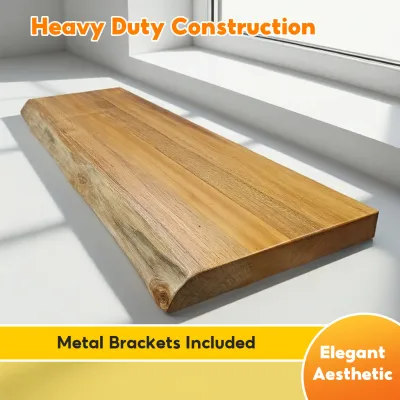
141 Lazada user ratings
Design:very wonderful design 🎨 Design:very nice item 🔨Durability:super durable super thick 💾Storage Capacity:very good Durability:very matib…Read full reviewShow less
Design:very wonderful design 🎨 Design:very nice item 🔨Durability:super durable super thick 💾Storage Capacity:very good Durability:very matibay 🛡️Safety:maayos Safety:maganda ang pagkakagawa
Easy to install and assemble, Adds a rustic charm to your space, Versatile size options, Perfect for displaying decorative items,
Unique live edge design, Beautifully crafted shelf, Adds a rustic charm to your space, Perfect for displaying decorative items,
Perfect for displaying decorative items, Sturdy bracket for secure installation, pero parang joint slab lang sya..
Good quality wood planks. Thank you for customising the length.
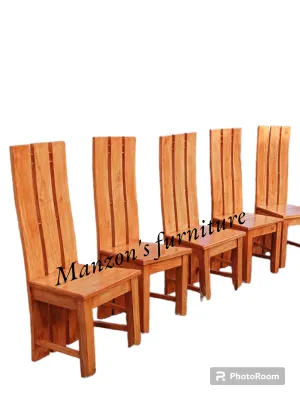

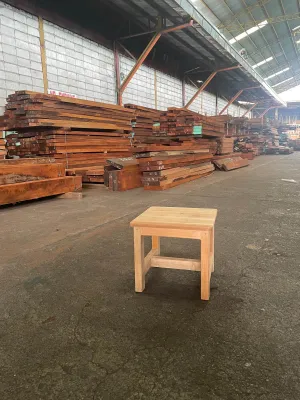
8 Lazada user ratings
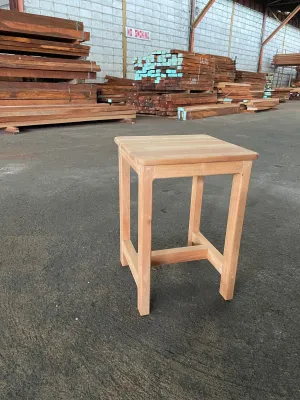
It took me long to shop for this stool. And I'm glad and satisfied to have chosen this design and this shop. It's perfect for me. And thank …Read full reviewShow less
It took me long to shop for this stool. And I'm glad and satisfied to have chosen this design and this shop. It's perfect for me. And thank you to the rider who delivered this earlier than expected. 👍😊
Maganda pagkagawa. Malinis at pulido. I chose the unvarnished item. Will finish in the color i prefer.
yung legs lng solid wood. yung top is pinagdidikit sa mga kahoy
Solid wood, strong, great value
Well crafted! Sturdy.
3 Lazada user ratings
Just like the shorter one i ordered, maganda, malinis, at pulido pagkagawa. Definitely worth the price.
Prices are valid at publication and may change. Please refer to the product page for the latest price.
Finally, carefully read the manufacturer’s product descriptions and labels. Terms like “mahogany finish” or “mahogany color” usually indicate that a cheaper wood species or an engineered material has been stained to mimic mahogany’s appearance. True solid mahogany furniture will explicitly state “solid mahogany” in the specifications. When shopping, ask the retailer for detailed material disclosures to confirm whether the structural frame, drawer fronts, and tabletop are made of genuine solid hardwood or if they utilize engineered wood cores with thin mahogany veneers.
Evaluating Durability and Everyday Maintenance
While mahogany is highly regarded for its stability, its resistance to daily wear depends heavily on the protective finish applied by the manufacturer. Before purchasing, check the product specifications to identify the type of surface finish used, such as polyurethane, lacquer, or natural oils. A thick polyurethane coating provides a robust barrier against minor scratches and moisture, whereas oil finishes offer a more natural look but require more frequent reapplication to prevent drying. Do not assume that the wood is inherently waterproof or scratch-proof without verifying these finish details.

Maintaining mahogany wood furniture in a tropical environment like the Philippines requires careful attention to indoor climate conditions. High humidity and sudden temperature fluctuations can cause wood to expand and contract, potentially leading to warped panels or loose joints over time. To preserve the wood, position your furniture away from direct sunlight, which can fade the rich reddish-brown color and dry out the protective finish. Wipe the surface regularly with a soft, dry microfiber cloth to remove dust, and immediately clean up any liquid spills to prevent water rings.
For long-term care, know the limits of DIY maintenance. While minor surface dust and light smudges can be easily managed at home, deeper issues require professional intervention. If you notice deep scratches that penetrate the protective finish, structural joint instability, or a severely degraded topcoat, avoid using aggressive DIY sanding or harsh chemical strippers. Consulting a professional furniture restorer ensures that the structural integrity and aesthetic value of your investment are preserved without causing accidental damage.
Common Furniture Applications and Space Planning
Mahogany’s strength and workability make it a preferred material for heavy-use furniture categories, including dining tables, bed frames, and large cabinetry. When evaluating these items, pay close attention to the joinery and structural support. For instance, a mahogany dining table should feature sturdy mortise-and-tenon joints or robust corner bracing to support its substantial weight. Bed frames require solid slat systems and secure headboard attachments to ensure stability and prevent creaking over years of use.
Before committing to a purchase, precise space planning is essential. Measure your room’s dimensions and compare them against the finished dimensions of the furniture piece. Additionally, map out the delivery path: check the clearance of doorways, narrow hallways, staircases, and elevator cabins to ensure the delivery team can safely maneuver the furniture into your home. Because solid mahogany is heavy, verify that your flooring can support the concentrated load, especially for large wardrobes or heavy buffets.
Consider the visual impact of large, dark wooden furniture within your existing room layout. In smaller or poorly lit rooms, massive mahogany pieces can easily overwhelm the space and make it feel cramped. To avoid visual overcrowding, balance dark mahogany furniture with lighter wall colors, neutral upholstery, and strategic lighting. Placing these pieces in well-ventilated areas with consistent airflow also helps mitigate the effects of localized humidity, keeping the wood stable and beautiful.
Making the Final Decision: Budget, Style, and Alternatives
Investing in mahogany wood furniture involves a higher upfront cost in ₱ compared to purchasing pieces made from engineered wood, softwoods, or common local alternatives. This price premium reflects the wood’s longevity, aesthetic appeal, and the craftsmanship required to work with dense hardwood. When planning your budget, view the purchase as a long-term investment that can last for decades with proper care, rather than a temporary furnishing solution.
Aesthetically, mahogany’s classic, formal appearance pairs exceptionally well with traditional, rustic, or transitional interior styles. The deep reddish-brown tones add warmth and sophistication, but they require thoughtful integration with your existing decor. If your home features a highly minimalist or ultra-modern design, you may need to select mahogany pieces with clean, simple lines rather than ornate carvings to ensure a cohesive look.
In some scenarios, alternative materials may be more practical for your home. For high-moisture areas like bathrooms, uncovered outdoor patios, or high-traffic zones prone to frequent spills, mahogany may not be the most suitable choice unless specifically treated and rated for outdoor use. If you are working with a tight budget or require lightweight, easily movable furniture, high-quality engineered wood with a durable laminate finish or lighter local timbers might serve your needs more effectively.
Frequently Asked Questions (FAQ)
Does mahogany furniture require special polishing products?
Before applying any polish, wax, or oil to your mahogany furniture, always check the manufacturer’s care guidelines to identify the existing finish. Many modern pieces feature polyurethane or lacquer finishes that only require a damp cloth for cleaning and do not benefit from oils or waxes. Avoid using silicone-based polishing sprays, as silicone can build up over time, create a hazy film, and make future professional refinishing or touch-ups extremely difficult.
How can I tell if a mahogany piece is solid wood or veneer?
To distinguish solid mahogany from a veneer, inspect the edges, corners, and carved details of the furniture. Veneered pieces often show a distinct seam or edge banding where the thin sheet of wood meets the substrate, and the grain pattern will not wrap continuously around the edges. Additionally, check the underside of tables, the back panels of cabinets, or the interior of drawers; if these hidden areas show a completely different wood species, plywood, or particleboard, the piece is veneered rather than solid wood.
Community discussion
Share your experience or ask a question. Comments are reviewed before publication.