
Selecting the right cabinetry material is one of the most critical decisions in a kitchen renovation, especially in tropical climates where high humidity, cooking steam, and seasonal moisture shifts constantly challenge wood stability. While standard plywood is highly practical and cost-effective for dry zones like upper cabinets and pantries, marine plywood serves as a premium, highly resilient investment for high-moisture areas like sink bases and outdoor cooking spaces. Choosing between them requires balancing your initial budget against the long-term structural demands of your kitchen layout.
In a typical home, the kitchen experiences a wide range of microclimates. The area directly beneath the sink is prone to high humidity, occasional plumbing leaks, and chemical exposure from cleaning agents, whereas the upper wall cabinets remain relatively dry and well-ventilated. Understanding how different plywood grades respond to these localized environmental stressors is the key to designing a kitchen that looks beautiful and remains structurally sound for decades.
Core Material Differences and Moisture Resistance
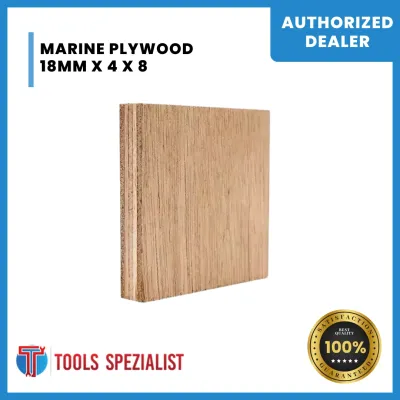
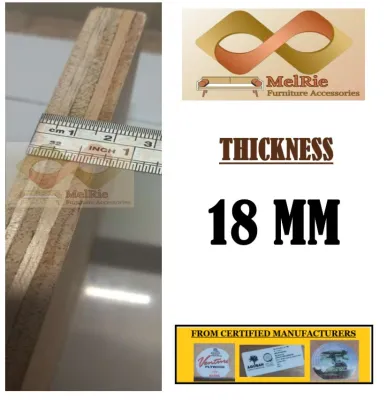
Marine plywood is engineered specifically for wet and humid environments, utilizing high-grade tropical hardwood veneers that are completely free of core voids. The absence of internal gaps prevents water from trapping inside the board, which is a primary cause of internal rot and structural failure. Furthermore, marine-grade boards are bonded with specialized waterproof adhesives, such as phenol-formaldehyde resin, which do not break down even when subjected to boiling water or prolonged moisture exposure.
Products mentioned in this guide
217 Lazada user ratings
Sturdy and durable construction., Great value for the price., Certified manufacturers, trusted quality., Ideal for small woodworking project…Read full reviewShow less
Sturdy and durable construction., Great value for the price., Certified manufacturers, trusted quality., Ideal for small woodworking projects., High-quality marine plywood.,
Great value for the price., Precut sizes save time and effort., Sturdy and durable construction., Versatile sizes for different needs.,
Well packaged handy sizes of plywood board for repairs I would buy from the seller again a quick non hassle delivery.
Smooth finish, easy to work with., Certified manufacturers, trusted quality., High-quality marine plywood.,
🛠️Durability:good Design:good Durability:good Comfort:good Feels great, Very comfortable,
24 Lazada user ratings
delivery states that thepackaged as recived by me but i left the house thinking it would come tomorow because it is almost 5... so deivered …Read full reviewShow less
delivery states that thepackaged as recived by me but i left the house thinking it would come tomorow because it is almost 5... so deivered nga ba? i would find out when I come back tomorrow.
Double-packed for safety, Smooth hand-sanded finish, Ideal for furniture repair, Great for cabinet interiors, Double-packed for safety, Read…Read full reviewShow less
Double-packed for safety, Smooth hand-sanded finish, Ideal for furniture repair, Great for cabinet interiors, Double-packed for safety, Ready to paint upon arrival, Smooth hand-sanded finish,
Double-packed for safety, Good packaging protection, Ideal for furniture repair, Ideal for furniture repair,
Multiple thickness options, Double-packed for safety, Durable plywood material, Double-packed for safety,
seems good quality but only time will tell,very good packaging and quick delivery
Prices are valid at publication and may change. Please refer to the product page for the latest price.
In contrast, standard plywood is designed primarily for dry, interior applications. It is typically manufactured using urea-formaldehyde adhesives, which offer moderate moisture resistance but can degrade under constant exposure to high humidity or direct water contact. The veneers used in standard plywood may also contain small knots and core voids; while these gaps do not compromise dry structural applications, they can act as reservoirs for trapped moisture in a humid kitchen environment.
It is important to clarify that “marine” refers to the structural integrity of the core and the waterproof quality of the glue, rather than absolute surface waterproofing. The wood veneers themselves are still natural organic materials that will absorb moisture if left untreated. Without a proper protective surface finish, even the highest grade of marine plywood can suffer from surface staining, swelling, and eventual fiber degradation over years of heavy use.
In a typical kitchen, materials must withstand daily spills, high-temperature steam from cooking appliances, and fluctuating humidity levels. Standard plywood exposed to these conditions without meticulous sealing can experience delamination, where the individual wood layers separate as the glue bond fails. Marine plywood resists these temperature and moisture cycles much more effectively, maintaining its flat profile and structural strength over decades of exposure.
Cost and Value Assessment for Cabinet Projects
When planning your kitchen renovation budget, material costs will play a major role in your decision-making process. Marine plywood commands a substantial price premium, often costing double or triple the price of standard interior-grade plywood per sheet. This cost difference can quickly inflate your overall cabinetry budget if you decide to build the entire kitchen layout exclusively from marine-grade materials.

To optimize your investment of ₱, a hybrid construction approach is highly recommended by experienced cabinetmakers. Under this strategy, you allocate your premium marine plywood budget specifically to high-risk zones, such as the sink base cabinet, the carcass surrounding the dishwasher, and any low-lying base cabinets near floor drains. Standard plywood can then be safely utilized for upper cabinets, tall pantry units, and dry storage areas where direct water contact is highly unlikely.
Evaluating the long-term value of these materials requires looking beyond the initial purchase price to the potential cost of future repairs. If standard plywood in a sink cabinet fails due to a slow plumbing leak, the resulting rot and delamination can require a complete replacement of the cabinet carcass. This process often involves disconnecting plumbing fixtures, removing heavy stone countertops, and rebuilding the cabinet structure, resulting in repair costs that far exceed the initial premium of marine plywood.
Conversely, over-specifying marine plywood for dry upper cabinets can lead to unnecessary spending that could be better allocated to high-quality hardware, soft-close hinges, or premium countertop surfaces. Standard plywood, when properly sealed with a durable finish, provides exceptional structural support and longevity in dry zones. Balancing these materials based on localized moisture risks ensures a cost-effective, durable kitchen build.
Decision Framework: Which Plywood Fits Your Kitchen?
To determine the ideal material mix for your kitchen cabinets, you can apply a structured decision framework based on your specific layout, environmental conditions, and budget.
Choose Marine Plywood if:
- You are constructing the sink base cabinet carcass, which is constantly exposed to plumbing connections, water filtration systems, and cleaning chemical storage.
- You are building an outdoor kitchen, dirty kitchen, or wet bar area that is exposed to ambient tropical humidity, wind-driven rain, or direct sunlight.
- The cabinets will be installed in a ground-floor kitchen with a history of rising dampness or in areas highly prone to seasonal flooding.
Choose Standard Plywood if:
- You are building upper wall cabinets, ceiling-height pantries, or decorative shelving units that are far removed from water sources.
- You are constructing base cabinets in dry zones, such as island units dedicated solely to dry food storage or dry utensil drawers, provided all edges are thoroughly sealed.
- Your kitchen layout features excellent mechanical ventilation, low ambient humidity, and a reliable plumbing design with modern leak-detection systems.
Neither may fit if:
- You require a completely waterproof, non-wood solid surface that can withstand standing water indefinitely without any edge sealing; in such cases, solid PVC foam boards or stainless steel cabinetry may be more appropriate.
- Your local building codes or project specifications require specialized fire-rated materials or chemically treated termite-proof boards that standard or marine plywood do not inherently provide.
Verify first if:
- Your local supplier can provide genuine certified marine plywood (such as boards manufactured to international standards like BS 1088) rather than standard plywood with edges painted blue to mimic marine grades.
- The manufacturer warranties for your built-in appliances, such as integrated dishwashers or under-counter ovens, specify particular cabinet material thicknesses or heat-resistance ratings.
Installation, Finishing, and Maintenance Requirements
Regardless of the plywood grade you choose, proper installation and finishing are essential to ensure the longevity of your kitchen cabinets. All raw edges and exposed surfaces must be thoroughly sealed to prevent moisture ingress. Applying high-pressure laminates (HPL) with waterproof contact adhesive, or finishing the wood with high-quality polyurethane primers and topcoats, creates a vital barrier against daily wear and humidity.
Hardware mounting is another critical factor where material quality directly impacts performance. Marine plywood, with its dense hardwood veneers and lack of internal voids, offers superior screw retention, ensuring that heavy cabinet doors and soft-close hinges remain securely attached over years of daily use. When working with standard plywood, installers must take care to avoid placing screws directly into internal voids, which can lead to loose hinges and sagging doors over time.
Routine maintenance is simple but must be practiced consistently to protect your cabinetry investment. Promptly wipe up any liquid spills on cabinet shelves or door fronts, and avoid hanging damp dishcloths over cabinet doors. Regularly inspect the plumbing connections under your sink for micro-leaks, as even small, unnoticed drips can eventually damage surrounding cabinetry if left unaddressed.
If you observe structural swelling, severe warping, delamination of the wood layers, or persistent mold growth in your existing cabinets, the structural integrity of the wood may be compromised. In these situations, it is best to stop any DIY repair attempts and consult a qualified professional cabinetmaker or contractor to assess whether the affected sections need to be structurally reinforced or completely replaced.
Frequently Asked Questions (FAQ)
Is marine plywood completely waterproof?
No, marine plywood is not completely waterproof on its own. While the adhesive used to bond the veneers is entirely waterproof and will not delaminate under wet conditions, the wood veneers themselves are still natural organic fibers that can absorb water, swell, and rot if left unprotected. To achieve true moisture protection in a kitchen, all surfaces and raw edges must be thoroughly sealed with laminates, paint, or a high-quality wood sealer.
Can I use standard plywood for the sink base cabinet?
Using standard plywood for a sink base cabinet is highly risky due to the constant threat of plumbing leaks, condensation, and spills. If budget constraints force you to use standard plywood in this high-moisture zone, you must apply heavy-duty polyurethane sealants to all interior surfaces, use high-quality edge banding on all raw edges, and install a waterproof under-sink mat to catch minor drips. However, marine plywood remains the structurally safer and more durable choice for this specific cabinet.
Does marine plywood require different paint or laminate?
Marine plywood is compatible with standard kitchen paints, primers, and high-pressure laminates, but surface preparation requires extra attention. Because marine plywood is manufactured with dense hardwoods and resin-rich adhesives, the surface must be thoroughly sanded to remove any oily residues or manufacturing glazes before applying finishes. Always check the finish manufacturer’s instructions to ensure compatibility with dense hardwood veneers and to select the appropriate primer for maximum adhesion.
Community discussion
Share your experience or ask a question. Comments are reviewed before publication.