
Finding the ideal storage solution for a bedroom in the Philippines involves balancing space constraints, storage habits, and environmental factors like high humidity. A megabox cabinet wardrobe offers a practical, moisture-resistant alternative to traditional wooden furniture, featuring configurations that range from multi-tiered drawer units to tall hanging cabinets and modular, stackable organizers. To determine which model fits your room, you must evaluate your bedroom’s physical dimensions, audit your wardrobe to see if you require more hanging space or drawer storage, and verify the specific weight capacities and assembly requirements of each unit.
By matching these variables to your daily routine, you can select a durable, budget-friendly cabinet that keeps your clothes organized and protected from tropical dampness. Taking the time to measure your space and understand the structural limits of each model before buying prevents common post-purchase headaches like jammed drawers, blocked walkways, or sagging shelves.
Assessing Your Bedroom Space and Storage Requirements
Before browsing online catalogs or visiting a local home improvement store, you must accurately map out the physical boundaries of your bedroom. Start by measuring the floor area where you plan to position the cabinet. Use a metal measuring tape to record the width and depth of the designated spot, and ensure you account for baseboards, wall trim, or floor moldings that might prevent the wardrobe from sitting flush against the wall.
Products mentioned in this guide
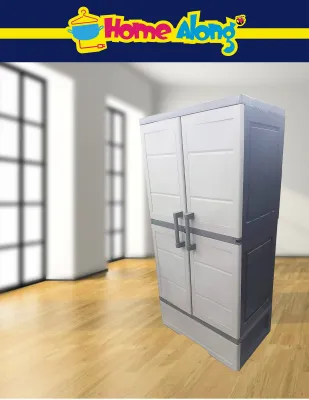
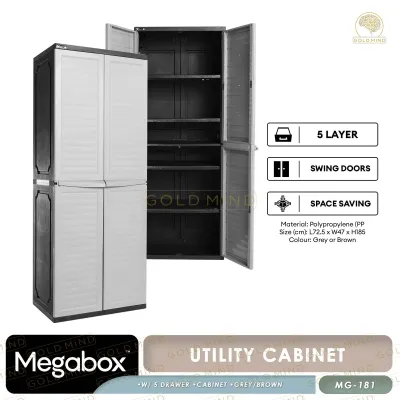
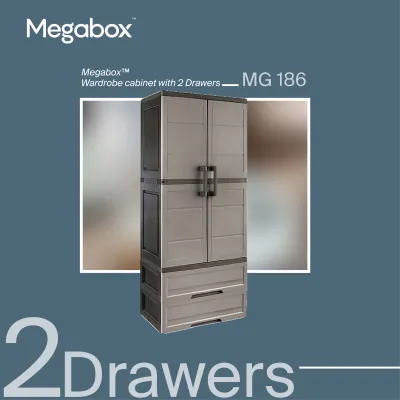
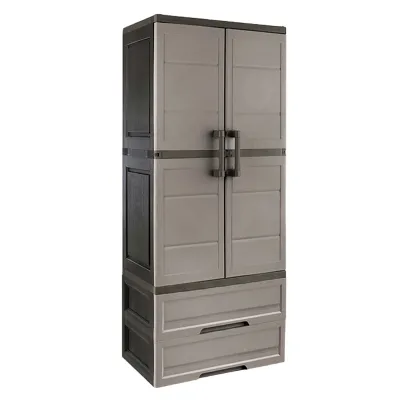
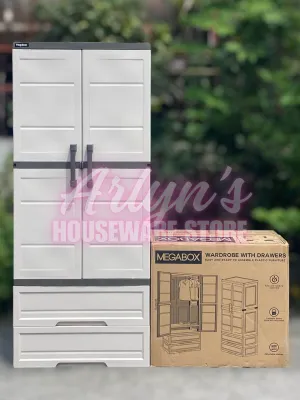
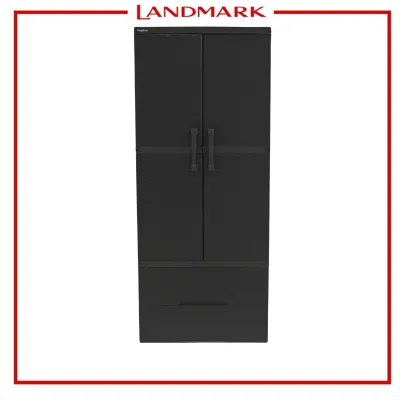
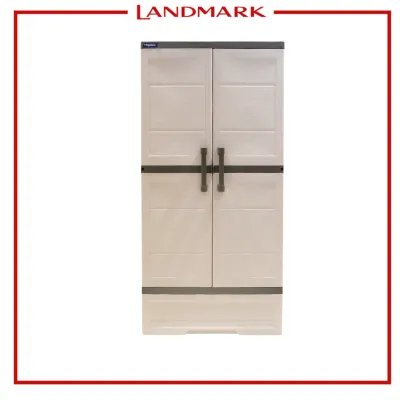
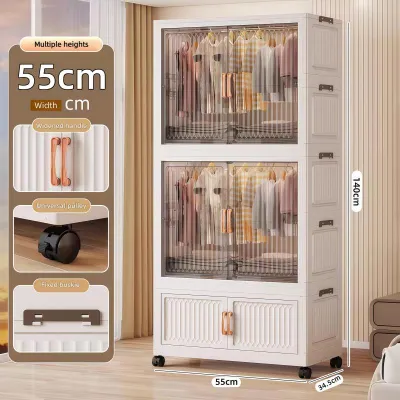
Prices are valid at publication and may change. Please refer to the product page for the latest price.
Do not limit your measurements to the static footprint of the cabinet. You must also calculate the clearance required for daily operation. If you choose a model with swing-out doors or pull-out drawers, measure the distance these components extend when fully opened. Allow for a comfortable walking path of at least 60 centimeters in front of the open cabinet so you can stand, bend, and navigate your room without feeling cramped.
Ceiling height is another crucial factor, especially in compact apartments or homes with low-hanging light fixtures and ceiling fans. Measure the vertical distance from the floor to the lowest obstruction. If you plan to use the top of the wardrobe for extra storage boxes, leave at least 30 centimeters of clearance below the ceiling to make lifting and retrieving items safe and easy.
Once the physical space is defined, conduct a thorough audit of your current wardrobe. Group your clothing into distinct categories: items that must be hung to prevent wrinkling (such as barongs, dresses, corporate uniforms, and collared shirts) and items that can be folded (such as t-shirts, activewear, jeans, and undergarments). This audit will reveal whether you need a wardrobe dominated by a hanging rod, a unit composed entirely of drawers, or a hybrid model that offers both.
Finally, consider who will be the primary user of the wardrobe. A cabinet designed for a single adult requires different accessibility than one shared by a couple or used by a young child. For children’s rooms, prioritize lower drawers and reachable compartments to foster independence and prevent kids from climbing the unit to reach high shelves. For shared bedrooms, look for models with symmetrical split compartments or separate drawer stacks to keep individual belongings organized and easily accessible.
Key Specifications to Verify Before Purchasing a Megabox Cabinet Wardrobe
When shopping for a megabox cabinet wardrobe, it is easy to rely on product photos, but you must carefully cross-reference the listed technical specifications with your bedroom measurements. Manufacturers provide the outer dimensions of the cabinet, which often include protruding handles, top moldings, or base supports. Verify that these maximum outer dimensions—not just the internal storage dimensions—will fit comfortably within your measured bedroom space.

Never assume that all plastic wardrobes can support unlimited weight. You must locate and verify the manufacturer’s stated weight capacity for each individual shelf, drawer, and hanging rod. This information is typically printed on the product packaging, the assembly manual, or the official online product listing. Exceeding these limits can lead to bowing shelves, warped drawers, or structural failure, which can compromise the safety of your household.
Material specifications and surface treatments must also be verified on the product label. While high-grade polypropylene is naturally resistant to water and pests like termites—a major advantage in tropical climates—different models may feature textured finishes, ventilation slots, or reinforced frames. Check the care instructions provided by the manufacturer to understand how to clean the surfaces without scratching or degrading the material, and avoid using harsh chemical solvents unless explicitly permitted.
Lastly, check the assembly requirements and tool listings before making your purchase. Many modern plastic cabinets feature tool-free, snap-fit assembly systems, but some heavy-duty or multi-functional models may require a rubber mallet, a screwdriver, or specific fasteners. Verifying these details beforehand ensures you have the necessary tools on hand and understand the physical clearance needed to assemble the panels safely, preventing damage to the interlocking joints during setup.
Matching Wardrobe Configurations to Your Daily Routine
Choosing the right configuration depends entirely on how you manage your clothes on a daily basis. A mismatched setup can lead to cluttered spaces and damaged garments.
Drawer Cabinets for Folded Items and Accessories
Multi-drawer cabinet models are highly effective for individuals whose wardrobes consist primarily of folded casual wear, athletic gear, and small accessories.
- Tiered organization: Multi-drawer setups allow you to categorize your clothing by type or season, keeping daily wear within easy reach while storing seasonal items in lower compartments.
- Smooth operation: Inspect the drawer tracks and glide mechanisms to ensure they slide smoothly without sticking under load.
- Internal depth: Verify the internal measurements of each drawer to ensure bulky items like denim jeans or bedsheets fit comfortably without jamming the frame.
Hanging Units for Workwear and Long Garments
If your daily routine requires formal attire, corporate uniforms, or long garments like dresses and barongs, a wardrobe with an integrated hanging rod is essential.
- Vertical clearance: Ensure the internal height of the hanging section is sufficient to prevent long dresses, barongs, or trousers from dragging on the bottom panel.
- Rod support: Check the mounting brackets and structural integrity of the hanging rod to ensure it can support your daily wear without sagging.
- Air circulation: Avoid packing hangers too closely together, as a crowded hanging space restricts airflow and invites moisture buildup.
Modular and Stackable Setups for Flexible Spaces
For bedrooms with irregular layouts, sloped ceilings, or limited floor space, modular and stackable cabinet systems offer excellent flexibility.
- Custom layouts: Modular cubes and stackable units let you arrange your storage around architectural obstacles like windows, low ceilings, or tight corners.
- Expansion potential: These systems grow with your storage needs, allowing you to purchase and connect matching units over time.
- Interlocking stability: Always verify the manufacturer's guidelines for secure stacking to prevent top-heavy configurations from tipping over.
Budgeting and Checking Current Model Availability
Establishing a realistic budget is a key step in the purchasing process. When planning your expenses in Philippine Pesos (PHP), remember to look beyond the base price of the cabinet. Factor in potential additional costs such as delivery fees, especially for bulky items, and assembly charges if you prefer professional installation. Comparing these total costs across different retailers will help you find the best value for your money.
To ensure you are purchasing a genuine product with a valid manufacturer’s warranty, always check official brand stores, authorized department stores, or verified online retail platforms. These authorized channels provide accurate product specifications, reliable pricing, and access to active promotions or discounts. Buying from official sources also guarantees that you will receive all necessary assembly hardware and instructions.
Be cautious of unverified third-party sellers on online marketplaces, where prices may seem unusually low. These listings often lack clear product details, may sell counterfeit or damaged goods, and rarely offer reliable return policies or customer support. Purchasing from an unauthorized seller risks leaving you with a sub-standard product, missing parts, or no recourse if the cabinet fails prematurely.
Safe Assembly and Placement in Humid Climates
Proper assembly and placement are critical to maximizing the lifespan and safety of your wardrobe, particularly in the tropical and humid climate of the Philippines. Always begin by carefully reading and following the manufacturer’s assembly instructions step-by-step. Ensure all interlocking joints, fasteners, and structural supports are fully engaged and secure before you begin loading your clothes into the cabinet.
Place the assembled wardrobe on a completely flat, level floor surface. An uneven floor can cause the plastic frame to twist slightly over time, leading to misaligned doors, sticking drawers, and uneven weight distribution that strains the joints. If your bedroom floor is slightly uneven, use durable, non-slip shims under the cabinet base to level the unit, checking your progress with a spirit level.
To protect your clothes and the wardrobe from the effects of high indoor humidity, leave a clearance of at least 5 to 10 centimeters between the back of the cabinet and the bedroom wall. This gap promotes continuous air circulation, preventing moisture from trapping against the wall and reducing the risk of mold or mildew growth on your garments. Avoid placing the wardrobe in direct sunlight or near open windows where rain can blow in, as prolonged exposure to UV rays and water can degrade the plastic over time.
Safety must always be a priority, especially for tall, narrow, or top-heavy wardrobe configurations. If the manufacturer provides an anti-tip kit or wall anchoring hardware, install it immediately according to the instructions. Anchoring the wardrobe to the wall prevents accidental tipping if a child attempts to climb the drawers or if the unit becomes unbalanced, ensuring a safe environment for everyone in your home.
Frequently Asked Questions (FAQ)
How do I prevent drawers from sticking or jamming?
To keep your wardrobe drawers sliding smoothly, regularly clean the tracks to remove dust, lint, and debris that can accumulate over time. Wipe the tracks with a damp, soft cloth and dry them completely. Ensure the cabinet is standing on a perfectly level surface, as any tilt can warp the frame and cause the drawer glides to misalign. Finally, always respect the manufacturer’s stated weight limit per drawer and distribute your items evenly; overloading a drawer can cause its bottom panel to sag, leading to friction and jamming when you try to open or close it.
What should I check regarding weight limits per shelf?
You should always locate the exact weight limit information on the product packaging, the user manual, or the official online listing before loading your shelves. When placing items on a shelf, distribute the weight evenly across the entire surface rather than concentrating heavy objects in the center, which can cause the material to bow. If you notice a shelf beginning to bend, sag, or if the frame emits creaking sounds under the load, immediately remove the heavy items to prevent permanent structural damage or sudden failure of the shelf supports.
Community discussion
Share your experience or ask a question. Comments are reviewed before publication.