
Selecting the right bed in a tropical country requires balancing comfort, support, and temperature regulation. With night temperatures often remaining high and humidity levels regularly climbing, choosing a comfortable memory mattress foam or alternative sleep surface requires understanding how different materials interact with high temperatures and humidity. No single mattress type is universally the best for every sleeper, as real-world performance depends heavily on structural design rather than material names alone.
Innerspring mattresses and aerated natural latex beds generally offer the best baseline airflow, making them naturally suited for warm tropical environments. While traditional memory foam has a reputation for trapping body heat, modern variations featuring open-cell structures or cooling gel infusions can also provide a comfortable sleep environment if you verify their specifications before buying. Understanding how these materials handle heat, moisture, and airflow will help you select a bed that keeps you cool and dry throughout the year.
How Heat and Humidity Affect Mattress Performance
The climate in the Philippines presents a dual challenge for sleep hygiene: persistent high temperatures and elevated relative humidity. During the summer months and the wet monsoon season, ambient indoor air can feel heavy and warm. When you sleep, your body naturally sheds heat and moisture; if your mattress cannot dissipate this thermal energy and sweat, it creates a hot, damp microclimate directly beneath your body.
Products mentioned in this guide
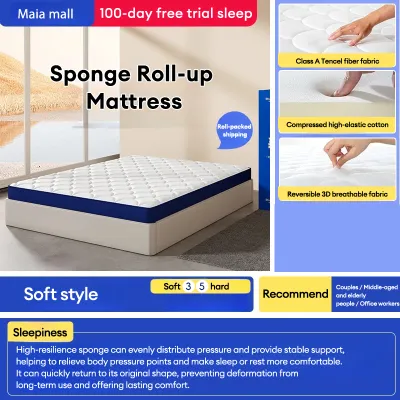
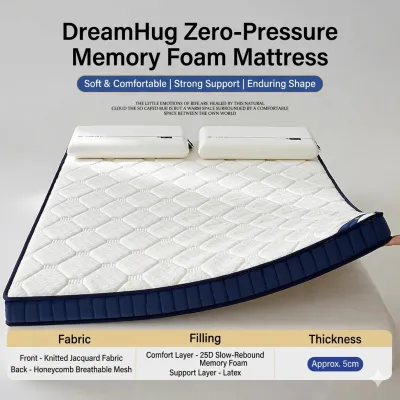
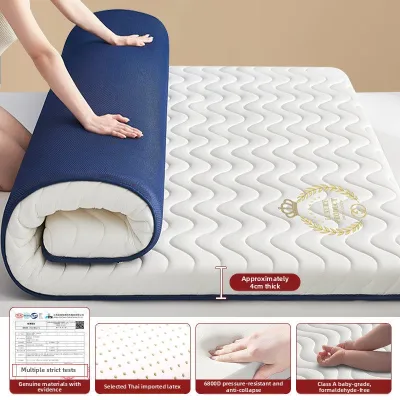
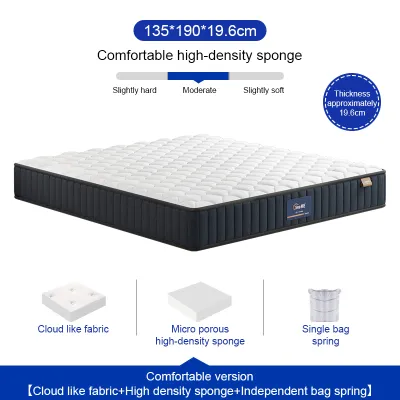
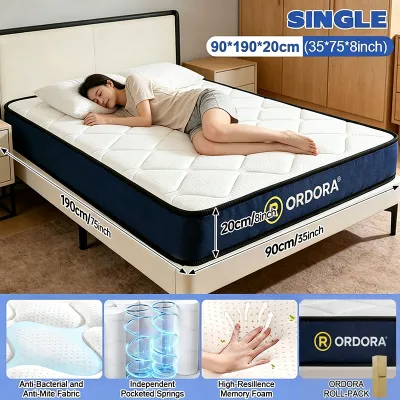

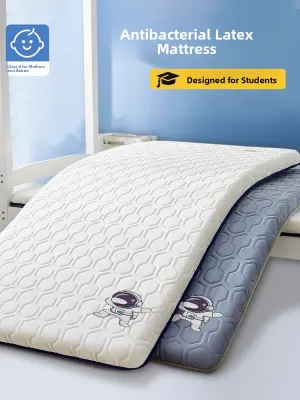
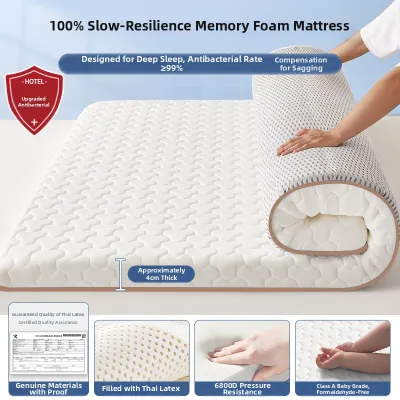
Prices are valid at publication and may change. Please refer to the product page for the latest price.
This heat retention does more than just cause physical discomfort; it actively disrupts your sleep cycles. The human body needs to drop its core temperature slightly to initiate and maintain deep, restorative sleep. A mattress that traps heat prevents this natural cooling process, leading to frequent tossing, turning, and nighttime awakenings.
Moisture accumulation is another critical concern in humid regions. When sweat is trapped within dense mattress layers, it creates an ideal breeding ground for mold, mildew, and dust mites. Over time, this moisture buildup can lead to unpleasant musty odors, degrade the structural integrity of the mattress foams, and trigger respiratory allergies.
To evaluate any mattress for tropical suitability, you must look beyond brand names and focus on three key metrics: breathability, moisture wicking, and structural airflow. Breathability refers to how easily air passes through the comfort layers, while moisture wicking describes the cover’s ability to pull sweat away from your skin. Structural airflow relies on physical gaps, channels, or open spaces within the mattress core that allow warm air to escape rather than pool inside the bed.
Memory Mattress Foam: Evaluating Heat Retention and Cooling Tech
Traditional viscoelastic foam is highly regarded for its pressure-relieving qualities, but its dense, closed-cell structure naturally tends to retain body heat. When you lie on a traditional memory mattress foam, the material reacts to your body heat and weight, contouring closely to your shape. While this provides excellent spinal alignment and joint relief, the deep contouring wraps the foam around your body, reducing the skin surface area exposed to ambient air and trapping heat directly beneath you.

To address this thermal challenge, manufacturers have developed structural modifications designed to improve air circulation. The most effective of these is the open-cell foam structure. Unlike closed-cell foams, which trap air in tiny, isolated pockets, open-cell foams feature interconnected air pathways. When your body weight compresses the foam, air can escape through these pathways rather than becoming trapped, significantly improving baseline breathability.
Another common modification is the introduction of cooling infusions, such as gel beads, copper, or graphite, directly into the foam mixture. Gel-infused memory foam is designed to absorb initial body heat and conduct it away from the sleeper. While these infusions help delay the rate at which a mattress warms up, they do have a thermal limit; once the gel matches your body temperature, its cooling effect diminishes. Therefore, infusions work best when paired with an open-cell structure that allows the absorbed heat to escape.
Your mattress cover plays a vital role in determining how cool a foam bed will feel. A thick, tightly woven polyester cover can act as a barrier, preventing air from reaching the cooling foam beneath. Look for covers made from highly breathable, moisture-wicking materials like cotton, bamboo-derived rayon, or specialized cooling yarns. These fabrics help evaporate sweat quickly, keeping the sleep surface dry and allowing the internal cooling technologies to function as intended.
If you prioritize deep pressure relief, joint cushioning, and motion isolation, a memory foam mattress remains an excellent choice. However, to ensure comfort in a tropical climate, you must verify that the model specifically incorporates open-cell construction, cooling infusions, and a highly breathable cover fabric.
Latex Mattresses: Airflow, Pinhole Cores, and Moisture Resistance
Natural latex is harvested from the sap of rubber trees and processed into a highly resilient, responsive foam. Unlike synthetic foams, latex possesses an open-cell molecular structure that does not naturally retain heat. This material is highly favored in tropical climates because it provides a cooler, more buoyant sleep surface that keeps you lifted on top of the mattress rather than sinking deeply into it.
To maximize this natural breathability, latex comfort cores are manufactured with a pinhole design. During the vulcanization process (using either the Dunlop or Talalay method), metal pins are used to bake the latex, leaving behind a grid of vertical air channels. These pinholes act as a natural ventilation system; every time you move, warm air is pushed out of the mattress and cooler air is drawn in, preventing heat from building up over the course of the night.
In addition to its cooling properties, latex is highly resistant to dust mites, mold, and mildew. In the high-humidity conditions of the Philippines, where dust mites thrive, this natural resistance is a major advantage for maintaining a clean and hygienic sleeping environment. It helps prevent the accumulation of allergens without the need for harsh chemical treatments.
When choosing a latex mattress, you will encounter natural, synthetic, and blended options. Natural latex offers the highest level of breathability, elasticity, and long-term durability, though it typically commands a higher price point, often ranging from ₱30,000 to over ₱80,000 depending on the thickness and brand. Synthetic latex is more budget-friendly but tends to have slightly less airflow and a shorter lifespan.
While latex has many benefits, there are a few trade-offs to keep in mind. Latex is exceptionally heavy, which can make rotating the mattress or changing the sheets a physically demanding task. It also provides a responsive, springy feel; if you prefer the slow-sinking, body-hugging sensation of memory foam, the buoyant bounce of latex may take some time to get used to. Additionally, ensure the support core beneath the latex comfort layer is well-ventilated, as a solid, non-breathable base can still restrict overall airflow.
Innerspring Mattresses: Maximizing Airflow with Coil Systems
Innerspring mattresses are traditionally the coolest mattress option available, primarily because of their internal construction. The core of an innerspring bed consists of steel coils, meaning the vast majority of the mattress volume is open space. This open structure allows air to circulate freely through the bed, preventing heat from pooling around your body and allowing moisture to evaporate quickly.
When shopping for an innerspring mattress, you will generally choose between traditional Bonnell coils and modern pocketed coils. Bonnell systems feature interconnected, hourglass-shaped steel coils that move as a single unit. While they offer excellent durability and airflow, they transfer motion across the bed. Pocketed coils, on the other hand, are individually wrapped in fabric sleeves, allowing them to compress independently. This design provides superior motion isolation while still maintaining excellent internal air circulation.
However, the cooling advantage of an innerspring mattress can be compromised by its comfort layer. Many modern innerspring and hybrid mattresses feature thick, dense foam or fiber pillow tops. If these upper layers are made of cheap, dense, un-aerated foam, they will trap heat and sweat directly against your skin, negating the cooling benefits of the coil system below. To avoid this, look for innerspring models that use thin, aerated comfort layers, natural latex, or open-cell hybrid designs.
Edge support is another notable benefit of innerspring systems. Most coil mattresses feature reinforced steel borders or high-density foam encasement around the perimeter. This provides a stable seating edge and prevents the rolling-off sensation, which is particularly useful if you like to sit on the edge of the bed while getting dressed.
In humid environments, the longevity of steel coils depends on proper room ventilation. While modern coils are typically coated or treated to resist corrosion, prolonged exposure to stagnant, highly humid air can eventually affect the metal components. Keeping your bedroom reasonably well-ventilated helps protect both the coils and the surrounding comfort fibers from moisture-related degradation.
Comparing the Three Types: Cooling, Feel, and Humidity Resistance
To help you weigh your options, the table below compares memory foam, latex, and innerspring mattresses across the key performance dimensions relevant to a tropical climate.
| Performance Dimension | Memory Foam (With Cooling Tech) | Natural Latex | Innerspring / Hybrid |
|---|---|---|---|
| Airflow & Cooling | Moderate (Relies on gel/open-cell tech to prevent heat buildup) | High (Naturally breathable with pinhole ventilation channels) | Very High (Open coil structure allows maximum air circulation) |
| Feel & Support | Deep contouring, pressure-relieving "sink" | Responsive, buoyant, active bounce | Firm, traditional support with active spring |
| Humidity & Mold Resistance | Moderate (Requires a highly breathable cover to prevent moisture buildup) | High (Naturally resistant to mold, mildew, and dust mites) | Moderate to High (Excellent moisture evaporation; protect coils from rust) |
| Motion Isolation | Excellent (Absorbs movement completely; ideal for couples) | Moderate to High (Responsive but isolates movement locally) | High (Pocketed coils only; traditional Bonnell coils transfer motion) |
| Average Price Range | ₱10,000 – ₱35,000+ (Entry-level to mid-range) | ₱30,000 – ₱80,000+ (Premium investment) | ₱15,000 – ₱50,000+ (Mid-range to premium hybrids) |
These ratings represent general material characteristics. The final performance of any mattress will always depend on the quality of its construction, the thickness of its individual layers, and the breathability of its outer cover.
How to Choose: Decision Guide for Tropical Sleepers
To select the perfect mattress for your bedroom, align your personal sleep preferences, budget, and local climate conditions using this straightforward decision framework.
Choose an Innerspring or Hybrid Mattress if:
- You sleep exceptionally hot and need maximum baseline airflow to stay cool.
- You prefer a traditional, responsive feel with strong edge support for sitting and sleeping.
- You want to ensure that moisture evaporates quickly from the mattress core.
- Verification Check: Ensure the comfort layer (pillow top) is thin, aerated, or uses breathable latex rather than a thick sheet of dense, traditional foam.
Choose a Latex Mattress if:
- You want a balance of pressure relief and cooling without a deep "sinking" sensation.
- You prefer natural, eco-friendly materials that are highly durable.
- You live in a highly humid area and want natural protection against mold and dust mites.
- Verification Check: Be prepared for a heavier mattress that requires more effort to lift, and ensure your bed frame can handle the weight of natural latex.
Choose a Memory Foam Mattress if:
- You suffer from joint pain, hip pain, or shoulder pressure points and need deep contouring.
- You sleep with a restless partner and require superior motion isolation to sleep undisturbed.
- You can verify that the mattress is engineered specifically for hot climates.
- Verification Check: Look closely at the specifications to confirm the foam is open-cell, includes cooling gel or mineral infusions, and features a breathable cover like bamboo or Tencel.
If you are purchasing a mattress online, always check the brand’s return policy and sleep trial terms. A trial period of 90 to 100 nights allows you to test how the mattress handles the heat and humidity of your home before making a permanent commitment.
Maintenance Tips for Mattresses in Humid Climates
Taking care of your mattress is essential for protecting your investment and maintaining a clean, hygienic sleep environment in a tropical climate. Use these practical, low-risk steps to keep your mattress in top condition.
- Use a Breathable, Waterproof Protector: A high-quality protector shields your mattress from sweat and humidity. Avoid cheap, plastic PVC or vinyl covers, which trap heat and cause excessive sweating. Instead, choose a protector featuring a breathable polyurethane membrane paired with a cotton or bamboo surface.
- Manage Your Bedroom Environment: Keep ambient moisture levels under control by utilizing ceiling fans, standing fans, or air conditioning to maintain air movement. If your bedroom is prone to high humidity, running a standalone dehumidifier can help keep the air dry and comfortable.
- Establish a Regular Cleaning Routine: Vacuum your mattress surface every three to six months using an upholstery attachment to remove dust, skin cells, and allergens. Wash your bed linens weekly in hot water (around 60°C) to eliminate dust mites and keep your sleep surface fresh.
- Air Out Your Mattress Safely: Every few months, strip the sheets and mattress protector, and let the mattress air out in a well-ventilated room for several hours. Avoid exposing foam or natural latex mattresses to direct, prolonged sunlight, as ultraviolet rays can degrade these materials and cause them to crumble.
- Rotate Your Mattress Regularly: Rotate your mattress 180 degrees every three to six months. This ensures even wear across the comfort layers and prevents moisture from settling continuously in the spots where your body exerts the most pressure.
Frequently Asked Questions (FAQ)
Is a gel memory mattress foam actually cooler than regular foam?
Gel-infused memory foam does provide a cooler feel initially compared to traditional, untreated foam. The gel beads or layers are designed to absorb thermal energy from your body and disperse it. However, this cooling effect has a limit; once the gel reaches thermal equilibrium with your body, its cooling properties slow down. For sustained cooling throughout the night, the gel infusion must be paired with an open-cell foam structure and a highly breathable cover that allows the absorbed heat to escape.
Do innerspring mattresses rust or sag faster in humid climates?
Modern innerspring coils are typically made from tempered steel and treated with rust-resistant coatings, meaning they are highly unlikely to rust under normal household conditions. However, prolonged exposure to extreme, stagnant humidity without proper room ventilation can eventually affect the metal. Sagging in modern mattresses is rarely caused by the steel coils failing; instead, it is usually the comfort layers (such as polyurethane foam or fiber fill) on top of the coils breaking down over time due to moisture absorption and regular body pressure.
How can I tell if a mattress cover is breathable enough for the Philippines?
To evaluate a mattress cover’s breathability, check the product specifications for natural fibers or specialized cooling textiles. Materials like cotton, bamboo-derived rayon, and Tencel (lyocell) are excellent choices because they naturally allow air to pass through and wick moisture away from the skin. Avoid covers made from thick, heavily quilted polyester or microfiber, as these synthetic materials tend to trap heat and sweat, creating a hot and uncomfortable sleeping surface regardless of the cooling technologies used inside the mattress core.
Community discussion
Share your experience or ask a question. Comments are reviewed before publication.