
When choosing a mattress for a hot and humid tropical climate like the Philippines, temperature regulation is just as critical as support. Generally, latex foam sleeps cooler than traditional memory foam due to its natural pinhole structure and open-cell composition, which promote continuous airflow. However, modern memory foam engineered with open-cell technology, cooling infusions, and breathable covers can significantly narrow this gap. The right choice depends on your specific sleep habits, bedroom environment, and whether you prioritize natural breathability or deep, contouring pressure relief. This guide compares the structural cooling properties of both materials to help you make an informed decision.
Understanding Heat Retention in Mattress Foams
To understand why some mattresses feel like heat traps, it helps to look at how foam is manufactured. Traditional foam consists of tiny cells; if these cells are closed or tightly packed, they act as barriers that trap air. When your body rests on the mattress, your body heat warms these pockets of trapped air, and without a path for circulation, the heat radiates back to you. Open-cell foam structures, by contrast, feature interconnected pathways that allow air to move more freely under your body weight.
Foam density and overall thickness also play a major role in heat accumulation. High-density foams contain more material per cubic foot, which provides excellent support but naturally restricts airflow compared to low-density alternatives. Furthermore, a thicker mattress profile means there is more material to absorb and retain heat over an eight-hour sleep cycle. In high-humidity environments, dense foam can also trap moisture from sweat, leading to a clammy, uncomfortable sleeping surface.
Products mentioned in this guide
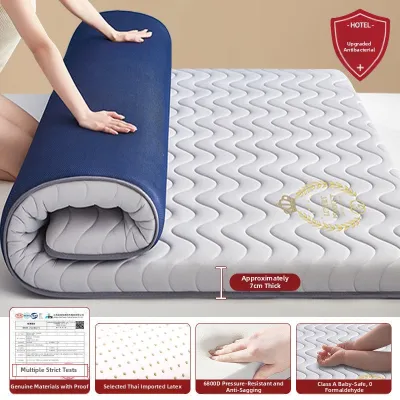
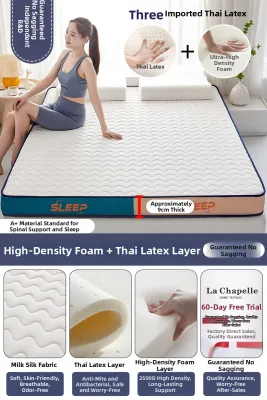
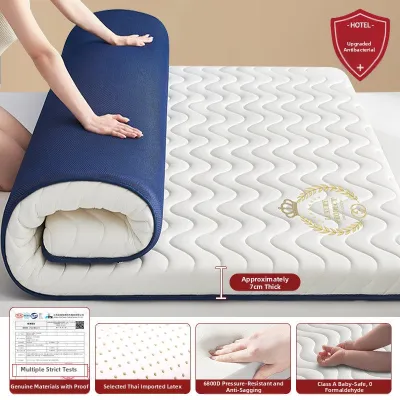
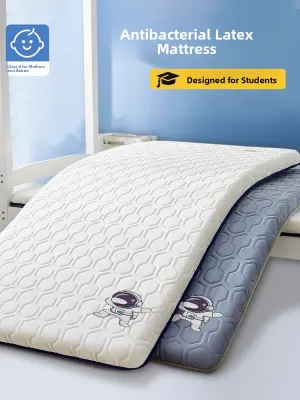
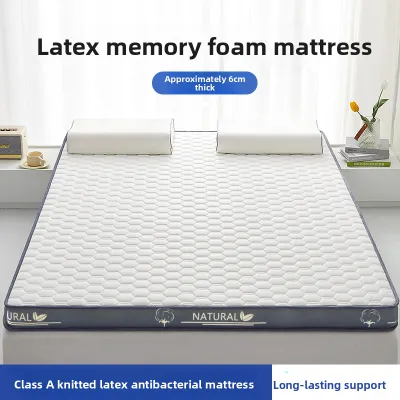
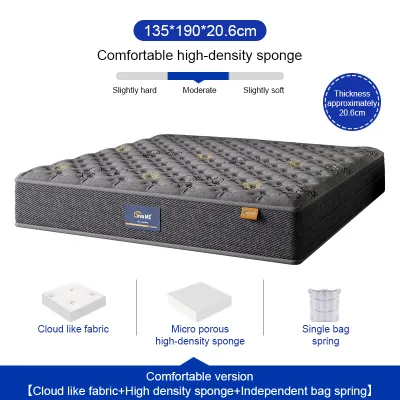
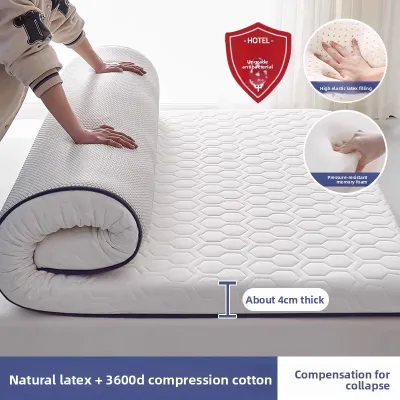

Prices are valid at publication and may change. Please refer to the product page for the latest price.
The mattress cover fabric and the bed foundation are equally critical to overall temperature regulation. Even the most breathable foam will struggle to cool if it is wrapped in a tightly woven synthetic cover that blocks airflow. Similarly, a solid platform bed base blocks the bottom of the mattress, preventing heat and moisture from escaping downward. Using a breathable cover and a compatible foundation is essential to keep air moving through the entire sleep system.
Latex Foam: Breathability and Natural Cooling
Latex foam is widely recognized for its inherent cooling properties, making it a popular choice for tropical climates. During the manufacturing process, the liquid latex is poured into molds containing metal pins that conduct heat to cure the material. When the cured latex is removed, these pins leave behind a consistent pattern of vertical pinholes. This pinhole core structure acts as a natural ventilation system, allowing air to pump through the mattress every time you move.

There are two primary manufacturing methods for natural latex: Dunlop and Talalay, each resulting in a different cell structure. Dunlop latex is poured directly into the mold and baked, resulting in a denser, more settled structure at the bottom. Talalay latex involves a vacuum step that expands the liquid and flash-freezes it before baking, creating a highly uniform, airy, and open-cell matrix. Consequently, Talalay latex generally offers higher breathability, while Dunlop provides a firmer, more supportive feel.
The composition of the latex—whether natural, synthetic, or a blend—also affects how it handles moisture in humid conditions. Natural latex harvested from rubber tree sap is inherently resistant to dust mites and mold, and it manages moisture wicking more effectively than synthetic petroleum-based latex. Synthetic latex tends to retain more heat and may feel less responsive over time. When shopping, checking the manufacturer’s material specifications can help you verify the ratio of natural to synthetic latex used in the core.
Memory Foam: Heat Trapping and Modern Cooling Solutions
Traditional memory foam is viscoelastic, meaning it responds to both pressure and temperature to contour closely to your body shape. While this provides exceptional pressure relief for joints, it requires your body heat to soften the foam. As you sink into the mattress, the foam wraps around you, reducing the surface area of your skin exposed to the surrounding air. This deep contouring naturally traps heat close to your body, which can be particularly challenging during warm tropical nights.
To address this heat retention, mattress manufacturers develop various cooling additives, such as gel, copper, and graphite infusions. Gel-infused memory foam contains gel beads or liquid gel designed to absorb initial body heat and create a temporary cooling sensation. Copper and graphite are highly conductive materials intended to draw heat away from the sleeper. While these infusions help delay heat buildup, they can eventually reach thermal equilibrium with your body, meaning their cooling effect may decrease over several hours of continuous sleep.
More advanced solutions focus on structural changes, such as open-cell memory foam designs and Phase Change Material (PCM) covers. Open-cell memory foam features a more porous structure that allows air to escape more easily than traditional closed-cell formulations. PCM covers are engineered to absorb, store, and release heat dynamically, maintaining a consistent surface temperature. When evaluating these options, it is helpful to check if the cooling features are integrated throughout the foam layers or only applied as a surface treatment.
Key Comparison Dimensions for Tropical Climates
When comparing these two materials for use in a tropical climate, airflow efficiency and moisture management are the most critical factors. High humidity can make polyurethane-based memory foam feel softer and more restrictive to movement, which can increase the sensation of sleeping hot. Latex foam maintains its structural integrity and responsive bounce regardless of humidity levels, allowing you to move easily and avoid getting stuck in a warm pocket of foam.
Edge support is another practical dimension that affects your sleep temperature. If a mattress has weak edge support, you may roll toward the center, concentrating your body heat in one area. Latex mattresses generally offer firmer, more stable edges, allowing you to use the entire sleep surface and sleep closer to the perimeter where air circulates more freely. Memory foam mattresses without dedicated edge reinforcement can sag at the sides, reducing the usable sleep area and forcing sleepers closer together.
Long-term durability in humid conditions is also an important consideration. High ambient moisture can accelerate the degradation of lower-quality foams, causing them to lose their supportive properties and sag prematurely. When choosing a mattress, review the manufacturer’s care instructions and warranty terms regarding humidity exposure. Ensuring your mattress is kept dry and well-ventilated will help preserve both its support and its cooling capabilities over its lifespan.
| Feature | Latex Foam Mattress | Memory Foam Mattress (with Cooling Tech) |
|---|---|---|
| Primary Cooling Mechanism | Natural pinhole ventilation & open-cell structure | Engineered infusions (gel, copper) & open-cell design |
| Airflow Efficiency | High; continuous natural circulation | Moderate; relies on active compression and open cells |
| Humidity Resistance | High; naturally resists moisture buildup | Moderate; can absorb moisture if room is not ventilated |
| Response & Movement | Highly responsive; easy to move and change positions | Slow response; deep contouring that can limit movement |
| Edge Support | Generally firm and stable across the surface | Variable; often requires dedicated foam encasement |
How to Choose the Right Cooling Mattress for Your Needs
Selecting the right mattress involves balancing your personal sleep preferences with your bedroom’s climate control. You should choose a latex mattress if you prefer a responsive, bouncy feel, want a material that naturally resists heat retention without relying on chemical additives, and tend to move around frequently during the night. Latex is highly suitable for rooms cooled primarily by electric fans, as its natural ventilation does not depend on active air conditioning to function effectively.
On the other hand, you should choose a memory foam mattress if your primary concern is pressure relief for sore joints or if you share a bed and need excellent motion isolation to prevent waking your partner. If you opt for memory foam in a tropical climate, prioritize models that feature open-cell structures, conductive infusions, and breathable covers. These engineered features help mitigate the material’s natural tendency to retain heat.
Before making a final decision, verify the climate control of your bedroom. Memory foam is highly temperature-sensitive; in a non-air-conditioned room, high ambient temperatures can make the foam feel excessively soft, while also reducing the effectiveness of its cooling infusions. If your bedroom is consistently air-conditioned, memory foam will maintain its intended firmness and cooling performance. If you sleep exceptionally hot and do not use air conditioning, you might want to consider a hybrid mattress that combines a thin foam comfort layer with an innerspring coil system for maximum airflow.
Additionally, remember to check the finished dimensions of the mattress before purchasing. Ensure the mattress can easily clear your doorways, stairwells, or condominium lifts during delivery. Confirming the load capacity of your bed frame is also essential, as natural latex is significantly heavier than memory foam and requires a sturdy, supportive foundation.
Maximizing Mattress Cooling in a Humid Climate
To get the best cooling performance from any foam mattress, proper setup and maintenance are essential. Using a slatted bed frame rather than a solid platform foundation is highly recommended. Ensure the slats are spaced according to the manufacturer’s guidelines—typically between 2 to 3 inches apart—to allow air to circulate underneath the mattress. This continuous under-bed airflow helps dissipate heat and prevents moisture from pooling, which can lead to mold growth.
Your choice of bedding also plays a major role in how cool your mattress feels. Avoid thick, synthetic mattress protectors made of polyester or vinyl, as they block the breathable properties of the foam underneath. Instead, opt for protectors made with breathable, waterproof membranes and covers woven from natural fibers like bamboo, Tencel, or long-staple cotton. These materials wick moisture away from your skin, helping you stay dry and comfortable throughout the night.
Finally, managing your bedroom’s humidity and ventilation can prevent foam from absorbing excess ambient moisture. In highly humid regions, using a dehumidifier or running your air conditioner on the “dry” mode can keep the indoor air comfortable. Regularly rotating your mattress according to the manufacturer’s instructions also ensures even wear and allows different areas of the foam to air out, extending the comfort and lifespan of your sleep setup.
Frequently Asked Questions (FAQ)
Do gel-infused memory foam mattresses actually stay cool all night?
Gel-infused memory foam mattresses provide a cool sensation when you first lie down because the gel beads absorb heat from your body. However, as you sleep, the gel can eventually reach thermal equilibrium, meaning it warms up to match your body temperature. For sustained cooling throughout the night, it is important to choose a mattress that combines gel infusions with an open-cell foam structure and a highly breathable cover to allow the absorbed heat to escape.
Is a thick mattress topper better for cooling in the Philippines?
Adding a thick, dense foam topper can actually increase heat retention because it allows your body to sink deeper, wrapping more insulating material around you. If you want to cool down an existing mattress, a thinner topper (around 1 to 2 inches) made of aerated latex or highly breathable, open-cell foam is generally more effective. Always check that the topper has a breathable cover to prevent moisture from getting trapped between the layers.
How does room humidity affect foam mattress temperature?
High room humidity can cause foam mattresses to absorb ambient moisture, which makes the material feel denser, heavier, and less breathable. This trapped moisture prevents the foam from effectively wicking away your sweat, leading to a warm and clammy sleeping experience. Keeping your bedroom well-ventilated, using a slatted bed base, and occasionally running a dehumidifier or air conditioner can help maintain the foam’s cooling properties.
Community discussion
Share your experience or ask a question. Comments are reviewed before publication.