
Quick Answer: Steel vs. Wood for Humid Bedrooms
A metal steel storage cabinet generally offers superior inherent resistance to ambient moisture and biological pests like termites compared to untreated or standard wood products in the Philippines. However, there is no absolute winner for every home. The ideal choice depends heavily on your specific bedroom conditions—such as whether you run continuous air conditioning or rely on natural cross-ventilation—and the specific moisture-resistant treatments applied to the wood. While steel excels in preventing pest damage and warping, high-quality treated wood remains a viable option for bedrooms with controlled humidity.
How Tropical Humidity and Pests Impact Bedroom Storage
Living in a tropical climate means household furniture must constantly battle high relative humidity, which often exceeds 80% during the wet season. This ambient moisture penetrates porous materials, causing them to absorb water vapor and expand. For bedroom wardrobes and closets, this physical expansion leads to sticking drawers, warped doors, and weakened structural joints over time. Furthermore, stagnant humid air inside closed bedroom cabinets creates an ideal breeding ground for mold and mildew, which can ruin stored clothing, bed linens, and personal documents.

In addition to humidity, biological threats pose a significant risk to residential furniture throughout the Philippines. Subterranean termites (anay) and wood-boring beetles (bukbok) are highly prevalent and can silently destroy untreated wooden structures from the inside out. Once an infestation begins, it often spreads rapidly, compromising not just individual furniture pieces but also adjacent walls and flooring. Consequently, any bedroom storage solution must be evaluated primarily on its ability to withstand these relentless environmental and biological pressures over years of continuous use.
Products mentioned in this guide
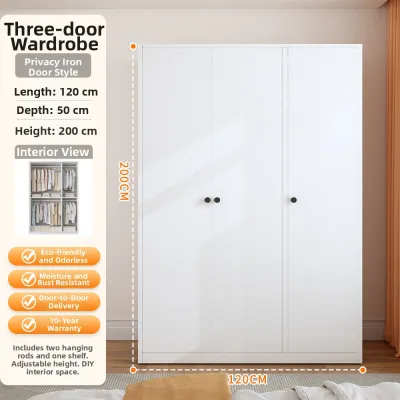
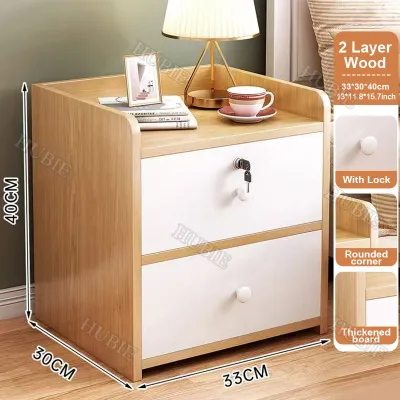
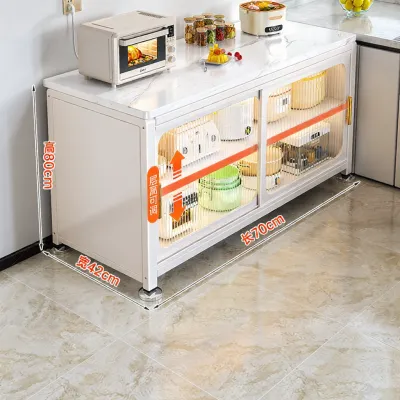
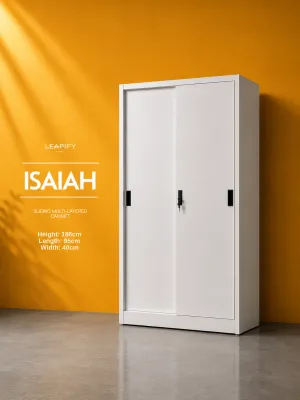
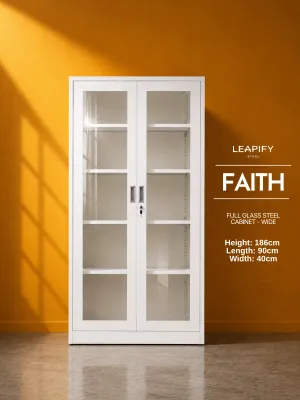
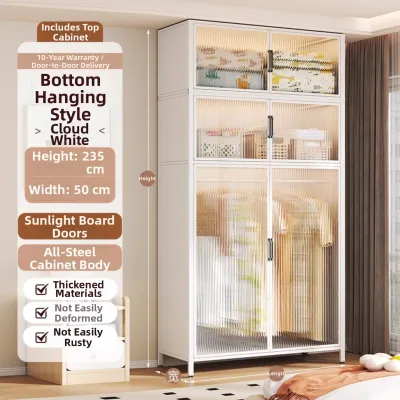
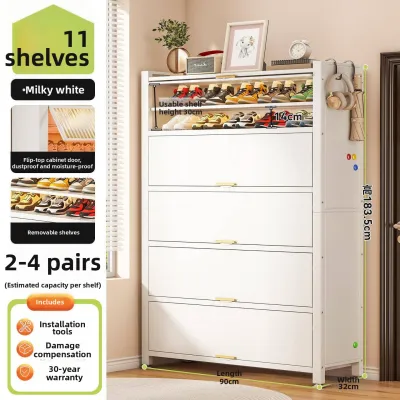
Prices are valid at publication and may change. Please refer to the product page for the latest price.
Evaluating Metal Steel Storage Cabinets
Moisture Management and Rust Prevention
While a metal steel storage cabinet provides a robust barrier against many tropical elements, it is not entirely immune to the local environment. Bare or poorly finished steel will oxidize when exposed to humid air, eventually leading to rust and structural decay. To prevent this, you must look for specific manufacturing finishes when shopping. Prioritize cabinets with electrostatic powder-coated finishes or those made from galvanized steel, as these treatments create a durable, non-porous barrier that prevents moisture from reaching the underlying metal.
When inspecting a prospective steel cabinet, pay close attention to the construction details. Examine the edges, welded joints, and screw holes, as these are common areas where the protective coating might be thin or chipped. Moisture can easily trap in unsealed crevices, initiating rust that spreads beneath the paint. Choosing models with seamless welds, sealed edges, and covered assembly hardware will significantly reduce the risk of localized corrosion in your bedroom.
Pest Resistance and Structural Stability
One of the most compelling advantages of a metal steel storage cabinet is its complete immunity to biological pests. Termites and wood-boring beetles cannot feed on or penetrate steel sheets, completely eliminating the need for chemical pest treatments or the anxiety of discovering localized infestations. This makes steel an exceptionally reliable choice for ground-floor bedrooms or older homes where pest activity is historically difficult to control.
Beyond pest resistance, steel cabinets offer excellent structural stability and load-bearing capacity. Unlike wood, which can sag under the weight of heavy blankets, books, or organized storage boxes, steel shelves maintain their shape under significant loads. However, you should not assume all steel cabinets are equally heavy-duty. Always check the manufacturer’s specifications for the steel gauge thickness (lower numbers indicate thicker metal) and the rated weight capacity per shelf to ensure the unit can safely support your intended storage items.
Evaluating Wood Storage Cabinets
Solid Wood vs. Engineered Wood in High Humidity
Wood remains a classic choice for bedroom furniture due to its aesthetic warmth, but its performance in humid climates varies wildly depending on the type of wood and its construction. Solid wood is highly responsive to atmospheric changes; if the timber was not properly seasoned, kiln-dried, or sealed by the manufacturer, it will expand and contract with seasonal humidity shifts, leading to cracks and misalignment. If you prefer solid wood, look for species known for natural stability and ensure they are finished with high-quality polyurethane or moisture-resistant sealants.
Engineered wood, such as medium-density fiberboard (MDF) or particleboard, is highly vulnerable to moisture. If the protective laminate or veneer on an engineered wood cabinet is scratched or breached, ambient humidity will seep into the core, causing the fibers to swell irreversibly. This swelling compromises the structural integrity of the cabinet, causing hinges to pull loose and shelves to sag. When purchasing engineered wood furniture, verify that the product specifications explicitly state the use of moisture-resistant (MR) or high-moisture-resistant (HMR) core boards, which are formulated with specialized resins to withstand humid environments.
Termite Risks and Preventive Treatments
Wood is naturally susceptible to termite attacks because it contains cellulose, the primary food source for these pests. Standard surface treatments like varnishes, lacquers, or paints only provide a superficial barrier; they do not protect the interior of the wood if termites gain access through unpainted back panels, floor contacts, or screw holes. To safeguard your investment, look for furniture made from pressure-treated lumber or naturally termite-resistant hardwood species, and ask manufacturers for documentation regarding integrated chemical pest barriers.
Using wood cabinets in the Philippines requires ongoing vigilance and environmental monitoring. Homeowners must regularly inspect the back panels, baseboards, and interior corners of wooden wardrobes for telltale signs of termite activity, such as mud tubes or fine wood dust. If your home has a history of pest issues, choosing wood requires a commitment to regular professional pest control inspections and maintaining a dry, well-ventilated bedroom environment to deter infestations.
Practical Considerations: Space, Weight, and Assembly
Beyond material durability, the physical logistics of bringing a new cabinet into your bedroom require careful planning. Metal steel storage cabinets are often delivered as heavy, flat-packed panels or as fully welded single units. Fully welded steel cabinets are exceptionally sturdy but are highly rigid, making them difficult to maneuver through narrow hallways, tight stairwells, or standard bedroom doorways. Before finalizing a purchase, measure your entryways, ceiling heights, and lift clearances to ensure the cabinet can physically reach its designated spot.
The weight of the cabinet is another critical factor, especially if you live in a multi-story home or an apartment. A fully loaded metal steel storage cabinet exerts concentrated downward force through its feet or base. While steel cabinets represent a durable investment, with quality options typically ranging from ₱5,000 to over ₱15,000 depending on size and finish, you must verify that your bedroom flooring—whether concrete, wood joists, or elevated vinyl planks—can safely support this concentrated weight without warping or cracking over time. Furthermore, because steel cabinets are heavy and difficult to reposition once assembled, you should plan their placement carefully and ensure they are equipped with adjustable leveling feet to maintain stability on uneven floors.
Assembly conditions also differ significantly between the two materials. Steel cabinets often require precise alignment of metal tabs, screws, and locking mechanisms, which can be challenging to adjust if the floor is not perfectly level. Wood cabinets, while also requiring careful assembly, allow for minor adjustments during installation, such as trimming or shimming. Regardless of the material you choose, always check the manufacturer’s anchoring instructions; tall cabinets pose a tip-over hazard and must be securely anchored to the bedroom wall, especially in earthquake-prone regions.
Maintenance Routines for Tropical Climates
Implementing a consistent maintenance routine is essential to prolonging the lifespan of your bedroom storage, regardless of whether you choose steel or wood. For a metal steel storage cabinet, the primary goal is preventing moisture accumulation that leads to rust. Periodically wipe down the entire cabinet with a dry, clean microfiber cloth to remove any condensation or dust that can trap moisture. If you notice any chips or scratches in the paint finish, promptly touch them up with a matching anti-rust paint or sealant to prevent oxidation from spreading beneath the surrounding coating.
For wooden cabinets, maintenance focuses on controlling the internal microclimate and promoting airflow. Avoid pushing wooden wardrobes directly against concrete bedroom walls, as moisture can migrate from the wall into the wood back panel; leave a gap of at least two to three inches to allow for air circulation. Inside the cabinet, utilize passive moisture absorbers, silica gel packets, or small hanging dehumidifier bags to keep the air dry and protect your clothing from mold. Ensure that you never hang damp or sweat-stained clothes directly inside a wooden wardrobe, as this localized moisture can quickly trigger mold growth and damage the wood finish.
Lastly, always defer to the specific care instructions provided by your furniture manufacturer. Avoid using harsh chemical cleaners, abrasive scrubbing pads, or excessive water on either material, as these can strip away protective coatings, varnishes, or powder finishes. A simple, regular routine of gentle dusting, moisture monitoring, and prompt spot cleaning will keep your bedroom cabinet functional and visually appealing for years to come.
Community discussion
Share your experience or ask a question. Comments are reviewed before publication.