
Choosing the right tile trim for wet areas like bathrooms and kitchens is a critical decision that directly impacts the longevity and hygiene of your tiled surfaces. The right choice between metal and PVC is not absolute; rather, it depends heavily on the specific grade of metal you select and the manufacturing quality of the PVC. While metal offers robust structural protection, its performance hinges on its resistance to oxidation. Conversely, PVC provides an inherently waterproof barrier, but its long-term success depends on its resistance to physical wear and surface degradation.
When planning your renovation, you must evaluate key decision criteria to avoid premature failure. For metal trims, the primary concern is the potential for rust and chemical corrosion when exposed to water and household cleaners. For PVC trims, the focus shifts to biological growth resistance, surface degradation, and structural stability under physical stress. Regardless of the material you choose, the ultimate durability of the installation relies on proper sealing and precise installation techniques to prevent water from seeping behind the tiles.
How Moisture Affects Metal and PVC Trims
Wet areas present a challenging environment where materials are constantly subjected to water splashes, high humidity, and chemical exposure. Metal trims, particularly those made of standard aluminum or low-grade steel, can undergo oxidation when water and oxygen react with the metal surface. This chemical process is often accelerated by the presence of alkaline tile adhesives, acidic cleaning agents, and soap residue, which can break down protective surface layers and lead to pitting or structural weakening.
Products mentioned in this guide
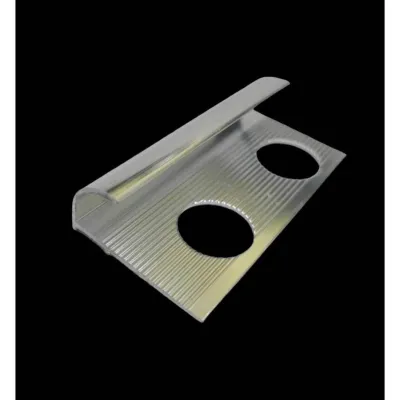
25 Lazada user ratings
🛠️Durability:Available in multiple finishes, Ideal for tile transitions. 🎨Design:Glossy gold coating, perfect for tile cornering, Elegant loo…Read full reviewShow less
🛠️Durability:Available in multiple finishes, Ideal for tile transitions. 🎨Design:Glossy gold coating, perfect for tile cornering, Elegant look for your kitchen sink. 🧹Ease of Maintenance:Easy to wipe, Easy to clean.
Available in multiple finishes, Easy to install and adjust, Durable aluminum material, Ideal for tile transitions, Open and close type optio…Read full reviewShow less
Available in multiple finishes, Easy to install and adjust, Durable aluminum material, Ideal for tile transitions, Open and close type options,
photo not related for coins purposes only, super Ganda ng quality ng item mabilis Rin na deliver thanks seller
Ideal for tile transitions, Durable aluminum material,
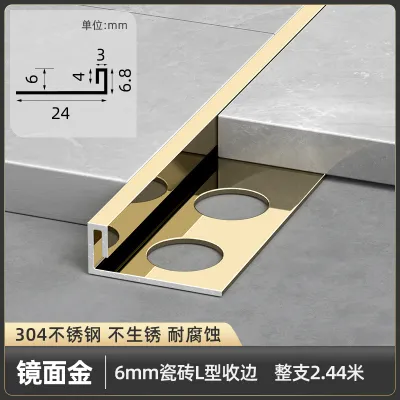
2 Lazada user ratings
🛠️Durability:packed well. Definitely will order again with this store.
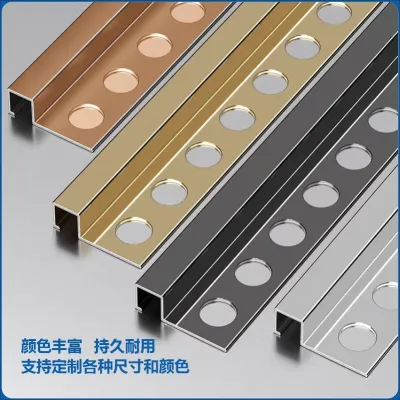
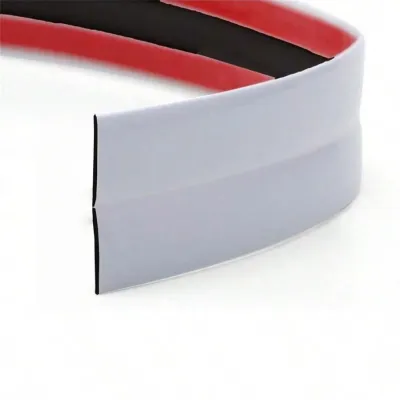
17 Lazada user ratings
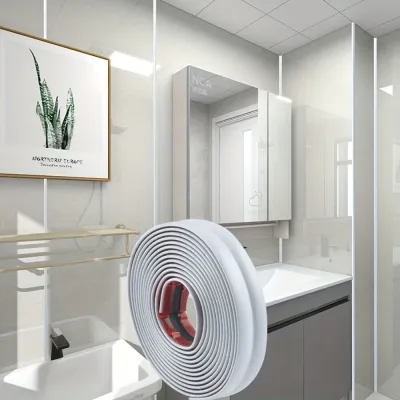
Perfect corner finishing, PVC material, durable, PVC material, durable, Ideal for tile edges, Ideal for tile edges, Clean and neat look, Cle…Read full reviewShow less
Perfect corner finishing, PVC material, durable, PVC material, durable, Ideal for tile edges, Ideal for tile edges, Clean and neat look, Clean and neat look, No tools needed, Easy to apply, Water-resistant finish, Water-resistant finish,
Flexible and easy cut, No tools needed, Ideal for tile edges, Easy to apply, Self-adhesive design, Clean and neat look, Water-resi”stant fin…Read full reviewShow less
Flexible and easy cut, No tools needed, Ideal for tile edges, Easy to apply, Self-adhesive design, Clean and neat look, Water-resi”stant finish,
Walang mga kagamitan na kinakailangang, malinis at maayos na hitsura, perpektong sulok na sulok, PVC material, angkop para sa gilid ng tile,
Good quality, easy to adhere after tearing, waterproof and oil resistant, cheap price, good quality, worth buying.
Ideal for tile edges, Easy to apply, Self-adhesive design, Perfect corner finishing, Modern decorative touch,
12 Lazada user ratings
Malinis at maayos na hitsura, walang tubig at walang basa na ibabaw. Ang pagkakaroon ng disenyo ng likod na adhesive, madali itong makuha at…Read full reviewShow less
Malinis at maayos na hitsura, walang tubig at walang basa na ibabaw. Ang pagkakaroon ng disenyo ng likod na adhesive, madali itong makuha at naka-paste, lubos na protektahan ang gilid ng aking kahon,
Easy to apply, Water-resistant finish, Modern decorative touch, Clean and neat look, Perfect corner finishing,
Ideal for windows, Durable PVC material, Non-damaging removal, Self-adhesive design, thank you
Modern decorative touch, Self-adhesive design, PVC material, durable, Flexible and easy cut,
nagamit ko ok nmn sia.sana mgtagal ang dikit nia.
6 Lazada user ratings
🏅Material Quality:9 🔧Ease of Installation:9 🛠️Durability:9
Prices are valid at publication and may change. Please refer to the product page for the latest price.
In contrast, polyvinyl chloride (PVC) is a synthetic plastic polymer that is chemically inert to water. It does not undergo oxidation, meaning it will not rust or corrode when exposed to moisture. However, PVC is sensitive to thermal changes and prolonged exposure to certain chemicals, which can cause the material to expand, contract, or degrade over time if the polymer formulation lacks high-quality stabilizers.
In the Philippines, these material behaviors are amplified by the tropical climate, characterized by high ambient humidity and warm temperatures year-round. Bathrooms and kitchens in Philippine homes often experience slow drying times, keeping tile trims in a semi-permanent state of dampness. This constant moisture accelerates chemical reactions on metal surfaces and creates an environment where biological growth can thrive on any vulnerable surface.
To mitigate these environmental challenges, manufacturers apply various surface treatments and design trims with specific physical profiles. Metal trims often feature anodized, powder-coated, or polished finishes that act as a physical barrier against moisture and chemicals. The thickness of the metal or the density of the PVC profile also plays a vital role, as thicker materials resist bending and warping, helping to ensure the protective seals remain intact over years of daily use.
Key Comparison Dimensions for Bathrooms and Kitchens
To make an informed decision for your kitchen or bathroom, you should compare these materials across specific performance metrics. Evaluating how each material handles the unique stresses of a wet room will help you select a trim that matches your maintenance habits and budget. The three main pillars of this comparison are rust and corrosion potential, resistance to biological growth, and physical durability under daily impact.

Water Resistance and Rust Potential
When assessing metal trims, you must verify the specific alloy and grade to ensure it can withstand constant water exposure. Stainless steel is highly regarded for wet areas, but you must check product labels to confirm the grade. Grade 304 stainless steel contains chromium and nickel, providing high resistance to water and standard household cleaners in typical residential bathrooms. For environments with higher chemical exposure or coastal homes with salty air, grade 316 stainless steel offers enhanced corrosion resistance due to the addition of molybdenum.
Aluminum and brass trims are also popular design choices, but they exhibit different oxidation behaviors that require careful verification. Anodized aluminum resists moisture well, but the protective anodized layer can be stripped by highly alkaline tile grouts or acidic cleaners, leading to dulling and corrosion. Brass trims will naturally develop a patina over time when exposed to moisture, which some homeowners appreciate for its aesthetic value, but it must be sealed properly if you wish to maintain its original polished appearance.
PVC trims offer a straightforward advantage in terms of water resistance because the material is entirely non-porous and impervious to water. It cannot rust, making it a highly reliable choice for areas experiencing constant water pooling, such as shower niches and wet room floors. However, you must inspect the structural design of the PVC trim; hollow-core PVC profiles can trap water inside if the end caps are not sealed correctly, whereas solid-core PVC trims maintain their integrity without risk of internal water accumulation.
Mold, Mildew, and Surface Degradation
While PVC is immune to rust, its surface texture and chemical composition influence how it interacts with biological growth. Low-quality or highly textured PVC trims can develop microscopic ridges and pockets that easily trap soap scum, skin oils, and moisture. Over time, these trapped organic materials become breeding grounds for mold and mildew, leading to dark staining that is difficult to clean. When choosing PVC, it is wise to look for smooth, high-gloss finishes or products formulated with mold-inhibiting additives that prevent spores from taking root.
Metal trims generally feature a highly polished, non-porous surface that makes it difficult for mold and mildew to establish a foothold. This smooth surface allows water to bead and slide off, making daily cleaning as simple as wiping the trim with a soft microfiber cloth. However, you must remember that the grout lines immediately adjacent to the metal trim remain porous and can still harbor mold, requiring regular sealing and maintenance to protect the overall installation.
Maintaining the surface integrity of both materials requires gentle cleaning practices to avoid creating microscopic moisture traps. Using abrasive scrubbing pads, steel wool, or harsh chemical cleaners can scratch the smooth surface of PVC or strip the protective anodized coating off aluminum. These fine scratches not only dull the appearance of the trim but also create tiny crevices where moisture, soap residue, and mold spores can accumulate, accelerating surface degradation.
Physical Durability and Impact Resistance
The physical demands of a busy household require tile trims to withstand frequent impacts from vacuum cleaners, pots and pans, or heavy shampoo bottles. Metal alloys, such as stainless steel and structural aluminum, offer high impact resistance and structural rigidity. They protect tile edges from chipping by absorbing physical shocks, making them highly suitable for high-traffic floor transitions, kitchen countertops, and busy family bathrooms.
To gauge the durability of a trim before purchase, you should check the material thickness and structural profile indicated on the product packaging. Solid metal profiles or thick-walled aluminum extrusions provide better resistance to bending and denting compared to thin, lightweight alternatives. For PVC, solid-core profiles offer significantly better impact resistance than hollow, thin-walled options, which can easily crush or crack under sudden force.
While metal trims are highly durable, they are susceptible to permanent denting or scratching under severe impact, which cannot be easily repaired. PVC trims do not dent, but they can crack or chip if struck sharply, especially if the plastic has become brittle. In areas near large bathroom windows, prolonged exposure to ultraviolet (UV) light and extreme temperature fluctuations can degrade standard PVC, making it brittle and prone to cracking over time.
Installation and Sealing Best Practices
Regardless of whether you select metal or PVC, the longevity of your tile trim depends heavily on the quality of the installation and the sealing methods used. Water ingress behind the tile trim is a primary cause of adhesive failure, mold growth, and structural damage to the wall substrate. To prevent this, you must apply a high-quality, mold-resistant silicone sealant at all joints, corners, and transitions where the trim meets the tiles and plumbing fixtures.
Before starting the installation, you must ensure that the substrate is completely dry, structurally sound, clean, and free of dust or grease. Any moisture trapped behind the tile or trim during installation can lead to adhesive failure and provide a damp environment for mold to flourish. Taking the time to properly prepare the wall or floor surface ensures a strong, permanent bond between the tile adhesive, the trim, and the substrate.
Adhesive compatibility is another critical factor that you must verify by consulting the trim manufacturer’s guidelines. This is particularly important for PVC trims, as certain solvent-based construction adhesives or polyurethane glues can react chemically with the plastic, causing it to soften, warp, or lose adhesion. Always use adhesives and grouts that are explicitly rated for use with the specific trim material and tile type you are installing.
Achieving a watertight and level installation requires a high degree of precision. If you discover that the substrate is uneven, or if the installation area is subject to structural movement, standard DIY methods may not be sufficient to guarantee a waterproof seal. In such cases, you should stop the installation and consult a qualified tiling professional who can properly level the surface and apply specialized movement joints to protect your investment.
Decision Framework: Which Trim Should You Choose?
To finalize your choice, you should weigh your budget, aesthetic preferences, and maintenance expectations against the specific conditions of your wet room. Both materials offer distinct advantages, but your decision should align with the long-term performance you require for your home.
You should choose metal trims, specifically high-grade stainless steel or quality anodized aluminum, if you prioritize a premium aesthetic and long-term physical durability. Metal is a highly suitable choice for high-traffic areas, kitchen countertops, and modern bathrooms where you want a sleek, non-porous surface that resists physical impact and is easy to keep free of mold. Although the initial cost may be higher, the structural protection it offers to tile edges can prevent costly repairs in the future.
You should choose PVC trims if you are looking for a highly cost-effective, completely rust-proof solution for standard residential wet areas. PVC is excellent for budget-friendly renovations, guest bathrooms, or wall applications where heavy physical impacts are unlikely. To ensure satisfaction, you must be prepared to perform regular, gentle cleaning to prevent soap scum and mold from accumulating on the surface, and you should select high-quality, solid-core PVC to avoid warping.
Before making your final purchase, always verify the product specifications and manufacturer guidelines. Check the packaging for wet-area warranties, material grades, and specific care instructions to ensure the trim is rated for your intended application. Taking the time to verify these details beforehand will help ensure your tiled wet areas remain beautiful, hygienic, and structurally sound for years to come.
Frequently Asked Questions (FAQ)
Can I paint over PVC tile trims to match my bathroom decor?
Standard household paints are highly likely to peel, crack, or bubble when applied to PVC trims in wet, high-humidity environments. If you wish to paint your PVC trims, you must check for specialized plastic primers and moisture-resistant topcoats designed specifically for wet areas. Before committing to the entire project, always test the paint system on a small, hidden section of the trim to verify adhesion, and consult the paint manufacturer’s guidelines to ensure suitability for high-humidity zones.
How do I remove existing mold from silicone sealant around the trims?
To remove mold safely without damaging your tile trims, you should use mild, non-abrasive cleaning solutions or specialized mold removers formulated specifically for bathroom use. You must avoid using bleach, highly acidic cleaners, or abrasive scrubbing pads on metal trims, as these harsh chemicals can strip protective anodized coatings and accelerate the rusting process. Always check the trim manufacturer’s care instructions before applying any strong cleaning agent to ensure chemical compatibility.
Community discussion
Share your experience or ask a question. Comments are reviewed before publication.