
Your vanity table is more than just a surface for cosmetics; it is a dedicated personal sanctuary where you begin and end your day. Selecting the perfect piece requires balancing personal style with practical performance, especially when choosing between a wood or metal vanity table. The ideal choice depends heavily on your bedroom’s existing aesthetic, local environmental conditions like humidity, and your specific storage requirements.
A metal vanity table offers a sleek, space-saving design that thrives in high-moisture environments, while a wooden counterpart brings unmatched warmth, traditional charm, and extensive drawer capacity. By evaluating how each material handles daily wear, climate stressors, and spatial constraints, you can select a furniture piece that remains both beautiful and structurally sound for years to come.
Quick Answer: Which Vanity Table Material Should You Choose?
To make an immediate decision, consider your room’s environmental conditions, your available floor space, and your organizational habits. The right material should seamlessly integrate into your daily routine while resisting the natural wear and tear of your living environment.
Products mentioned in this guide

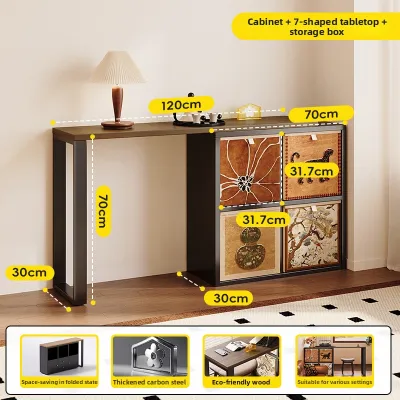
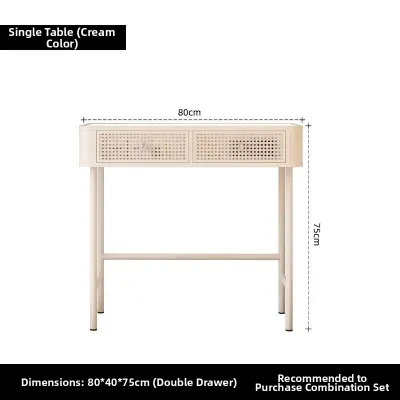
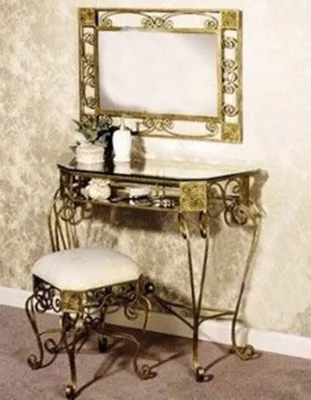
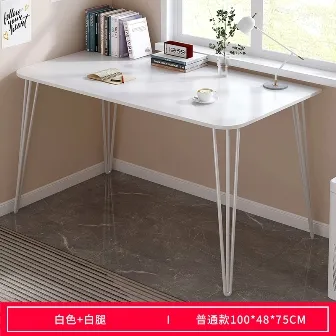
Prices are valid at publication and may change. Please refer to the product page for the latest price.
Choose a metal vanity table if you prefer a modern, minimalist, or industrial aesthetic, need a lightweight piece for a compact room or apartment, and want high resistance to warping in humid conditions. Metal frames occupy less visual space, making them exceptional for smaller bedrooms where maintaining an open, airy feel is a priority.
Choose a wood vanity table if you want a warm, classic, or versatile look, require substantial built-in drawer storage, and prefer a heavier, more grounded furniture piece. Wood is the ideal option if you have a spacious bedroom and want a classic heirloom look that can be refinished or repainted over time.
| Feature | Metal Vanity Tables | Wood Vanity Tables |
|---|---|---|
| Aesthetic Style | Modern, minimalist, industrial, or glam | Traditional, rustic, Scandinavian, or classic |
| Humidity & Pest Resistance | High (rust-resistant if finish is intact; immune to pests) | Moderate to Low (susceptible to swelling, warping, and termites) |
| Maintenance Level | Low (simple wiping; check for finish chips) | Moderate to High (requires dust control, immediate spill cleanup, polishing) |
| Weight & Mobility | Light to Moderate (easy to move and reposition) | Heavy to Very Heavy (stable, but difficult to relocate) |
| Typical Storage Capacity | Low to Moderate (often relies on open shelves or glass tops) | High to Very High (multiple deep drawers and integrated cabinets) |
Aesthetic and Style: Finding the Right Metal Vanity Table or Wood Alternative
The visual impact of your vanity table sets the tone for your entire dressing area. Because this piece of furniture is a focal point in the bedroom, its material should complement your existing decor while reflecting your personal style.

Metal Vanity Tables: Sleek, Modern, and Industrial
A metal vanity table is characterized by clean lines, slim profiles, and structural minimalism. Frames crafted from steel or iron, often finished in matte black, brushed gold, polished chrome, or brass, create an incredibly light and airy visual footprint. This makes them highly compatible with contemporary, industrial, or glam bedroom designs.
Many metal designs incorporate tempered glass tops or mirrored surfaces, which reflect light around the room and make small spaces feel significantly larger. If your bedroom features geometric patterns, metallic light fixtures, or a monochrome color palette, a metal frame vanity integrates seamlessly without cluttering the visual landscape. The reflective properties of polished metal also help brighten dimly lit corners, creating a professional-looking makeup station.
Wood Vanity Tables: Warm, Classic, and Versatile
A wood vanity table brings organic warmth, rich texture, and a sense of permanence to a bedroom. Whether you choose the prominent grain patterns of solid oak, mahogany, and acacia, or the smooth, clean look of painted engineered wood, timber offers a tactile quality that metal cannot replicate.
Wooden vanities are incredibly adaptable, fitting comfortably into traditional, rustic, farmhouse, mid-century modern, or Scandinavian bedroom themes. A major advantage of wood is its long-term versatility; if your style preferences change over the years, a wooden vanity can be sanded down, stained, or repainted to match your new decor, ensuring it never truly goes out of style.
Durability and Structural Integrity: What Lasts Longer?
Evaluating durability requires looking beyond surface aesthetics to understand how each material responds to daily weight loads, physical impacts, and environmental factors. High humidity and seasonal temperature shifts can severely affect furniture structural integrity, especially in tropical climates.
Metal vanity tables are highly praised for their structural strength and immunity to organic decay. Unlike wood, metal does not warp, crack, or attract wood-boring pests such as termites, which are common concerns in tropical regions like the Philippines. However, metal is not entirely indestructible; its primary vulnerability is moisture-induced oxidation. If the protective powder coating or paint finish is chipped, scratched, or worn away, exposure to high humidity or spilled liquid cosmetics can lead to rust and corrosion. When shopping, prioritize frames with thick, high-quality powder coatings or electroplated finishes, and ensure all joints are cleanly welded rather than held together by basic tension screws.
Wood vanity tables present a different set of structural considerations depending on whether they are made of solid wood or engineered wood (such as Medium-Density Fiberboard, or MDF, and particleboard). Solid wood is exceptionally durable and capable of supporting heavy loads, but it is a living material that naturally expands and contracts with seasonal changes in humidity. Without proper kiln-drying and sealing by the manufacturer, solid wood can warp or split over time.
Engineered wood is highly stable in terms of shape and does not warp as easily as solid wood, but it is incredibly vulnerable to moisture. If water or liquid cosmetics penetrate the outer veneer or laminate layer of an MDF vanity, the inner fibers will swell, crumble, and permanently lose structural integrity. Therefore, checking the quality of the edge banding and protective sealants is critical before purchase.
To guarantee long-term stability, always look past the marketing names and verify the manufacturer’s technical specifications. Check the rated weight capacity of the tabletop and individual shelves to ensure they can support heavy mirrors, organizing trays, and beauty appliances. Examine how the joints are constructed; welded joints in metal or mortise-and-tenon joints in solid wood offer superior longevity compared to simple cam-lock fasteners or basic glue-and-dowel setups commonly found in flat-pack furniture.
Maintenance and Daily Care: Cleaning and Upkeep
The longevity of your vanity table depends directly on your daily maintenance habits. Cosmetics, perfumes, skin care products, and water can all cause surface damage if they interact negatively with your vanity’s material.
Metal Care
Maintaining a metal vanity table is relatively straightforward but requires consistency to prevent finish degradation. Dust the frame regularly with a dry, soft microfiber cloth to remove airborne particles that could scratch the surface. For deeper cleaning, use a slightly damp cloth with a highly diluted, mild dish soap; always dry the surface immediately afterward with a clean towel to prevent water spots.
Never use abrasive scrubbing pads, steel wool, or harsh chemical solvents like acetone or bleach, as these will strip away the protective powder coating and leave the underlying metal exposed to oxygen and moisture. Periodically inspect the legs, joints, and corners for deep scratches or chips in the paint, and touch them up promptly with a matching rust-preventative paint to seal out humidity.
Wood Care
Wooden vanity tables demand a more cautious cleaning routine due to the porous nature of the material. Regular dusting is essential, as dust can trap moisture against the wood finish. Use only wood-safe cleaners or a damp microfiber cloth wrung out almost completely dry, wiping in the direction of the natural wood grain.
The most critical rule of wood vanity maintenance is the immediate containment of liquid spills. Cosmetics, alcohol-based perfumes, and water from makeup sponges can dissolve wood finishes, leave permanent rings, or cause veneer layers to peel away from engineered wood bases. Consider placing protective glass tops, silicone mats, or decorative ceramic trays on the wooden surface to act as a barrier against spills. Additionally, solid wood may require periodic application of specialized furniture wax or oil to maintain its protective barrier and natural luster, always adhering strictly to the manufacturer’s care label.
Space, Weight, and Layout Considerations
Before finalizing your purchase, you must evaluate how the physical dimensions and weight of the vanity table fit into your bedroom’s layout and your lifestyle.
Metal vanity tables generally feature slimmer structural profiles and open-frame designs. Because they require less material to remain stable, they are significantly lighter than wooden models. This makes them ideal for smaller bedrooms, apartments, or for individuals who relocate frequently or enjoy rearranging their bedroom layout. The open space beneath a metal frame also allows you to tuck a stool or chair completely out of the way, maximizing floor space when the vanity is not in use.
Wood vanity tables, particularly those featuring solid wood construction and multiple built-in drawers, are inherently bulkier and heavier. While this weight provides excellent stability—ensuring the vanity will not wobble or tip over easily—it makes the piece difficult to move without assistance. Wood vanities require a dedicated, permanent floor space. They are best suited for spacious master bedrooms where the furniture can serve as a grounded anchor piece.
To avoid delivery and installation headaches, measure your available bedroom space meticulously. Compare these measurements against the finished dimensions of the vanity, leaving at least 60 to 70 centimeters of clearance behind the stool for comfortable seating access. Additionally, check the widths of your doorways, hallways, and elevator cabins, and verify staircase clearances. A fully assembled wooden vanity may not clear tight corners, whereas a flat-packed metal vanity table is often much easier to transport and assemble directly in the room.
Final Verdict: How to Decide Based on Your Needs
Choosing between a wood and metal vanity table ultimately comes down to balancing your aesthetic taste with your bedroom’s environmental conditions and physical space.
If you live in a highly humid environment, have a compact bedroom, or prefer a modern, minimalist look, a metal vanity table is your best option. It offers a lightweight, rust-resistant (when properly sealed), and space-saving solution that keeps your room feeling open.
Conversely, if you require extensive drawer storage to organize a large cosmetics collection, prefer a warm, classic aesthetic, and have ample space for a permanent furniture piece, a wood vanity table is the superior choice.
Before making your final purchase, always verify the exact product dimensions and weight capacity listed by the manufacturer. Carefully read the specific care instructions to ensure they align with your daily routine, and check the retailer’s return policy and warranty coverage, particularly regarding humidity or water damage. By selecting a material that matches both your style and your practical lifestyle, you ensure your vanity remains a functional, beautiful asset to your home.
Frequently Asked Questions (FAQ)
Can I mix metal and wood in a single vanity table?
Yes, mixed-material vanity tables are highly popular and offer the best of both worlds. These designs typically feature a solid wood tabletop or drawer unit supported by a sleek metal leg frame, blending modern industrial style with organic warmth. When choosing a mixed-material piece, carefully check the connection points where the metal and wood meet. Ensure the metal frame is rated to support the heavier wood top, and verify the manufacturer’s weight distribution specifications to prevent wobbling or structural bowing over time.
Which material is safer for a vanity table with a built-in sink?
For a vanity table with an integrated sink or plumbing, water resistance is the absolute priority. Properly treated metal (such as powder-coated stainless steel) or professionally sealed, water-resistant solid wood (like teak or marine-grade plywood treated with polyurethane) are the safest choices. You must strongly avoid using unsealed engineered wood, such as standard MDF or particleboard, near water sources, as any moisture penetration will cause rapid swelling and structural failure. Always verify the manufacturer’s explicit water-resistance rating for the countertop surface before installation.
Community discussion
Share your experience or ask a question. Comments are reviewed before publication.