
The most practical mini cabinet organizers for a small breakfast nook depend on maximizing vertical space and door clearance. Rather than relying on a single solution, the most effective approach combines tiered risers for mugs, pull-out trays for deep corners, and door-mounted racks for lightweight essentials, all tailored to your specific cabinet dimensions. In a compact dining area or a cozy kitchen corner, every square centimeter of storage must work efficiently to keep your morning routine seamless. By selecting organizers that match your daily habits and the physical limits of your cabinetry, you can transform a cluttered breakfast station into an organized, highly functional hub.
Assessing Your Breakfast Nook Cabinet Space
Before purchasing any storage accessories, you must thoroughly evaluate the physical dimensions and structural characteristics of your breakfast nook cabinets. Start by measuring the exact interior width, depth, and height of each cabinet compartment. Use a metal measuring tape for accuracy, and do not rely on the external dimensions of the furniture piece. When measuring, you must account for internal obstructions that could block an organizer, such as door hinges, shelf support brackets, magnetic catches, or overhanging face frames. A drawer or pull-out tray that seems to match the interior width of your cabinet might easily get stuck on a protruding hinge arm when you attempt to slide it forward.
Next, analyze the door swing clearance of your cabinetry. In tight breakfast nooks, cabinets are often positioned close to walls, dining chairs, or other appliances. Open the cabinet doors fully to observe their path of travel and determine if they can swing open to at least 90 degrees, or ideally 110 degrees. If a door cannot open completely because it hits an adjacent wall or a decorative trim piece, any pull-out baskets or sliding trays installed inside will be blocked from extending. For door-mounted racks, you must measure the clearance gap between the inside face of the closed door and the front edge of the interior shelves. If this gap is less than the depth of your planned door organizer, the cabinet door will not close completely, leaving your breakfast essentials exposed and creating an untidy appearance.
Products mentioned in this guide
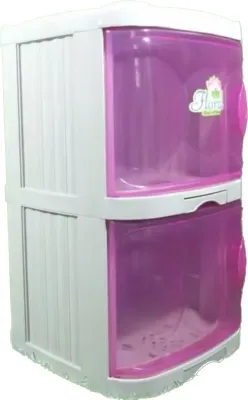
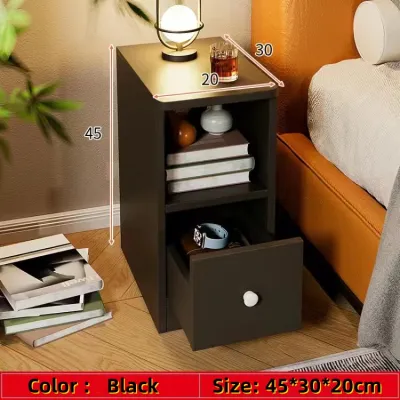
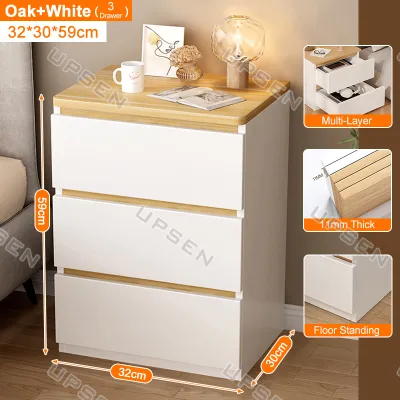
Prices are valid at publication and may change. Please refer to the product page for the latest price.
Finally, identify the cabinet’s base material and weight capacity to ensure it can support your chosen organizers. Many modern breakfast nook cabinets or sideboards are constructed from engineered wood, such as medium-density fiberboard (MDF) or particleboard, which may have lower weight tolerances than solid wood. Inspect the thickness of the shelves and look for any existing sagging, which indicates that the shelf is already overloaded. If you plan to install heavy-duty pull-out metal baskets or stack heavy ceramic mugs, you must verify that the shelf can bear the combined weight of the organizer and its contents. Additionally, check the surface finish of the cabinet interior; smooth laminate or melamine shelves require different stabilization methods than painted or varnished solid wood surfaces to prevent sliding or surface damage.
Practical Mini Organizer Configurations for Breakfast Essentials
Selecting the right organizer configuration requires balancing accessibility with the physical constraints of your storage space. Different styles of mini organizers address specific storage challenges, from underutilized vertical height to hard-to-reach cabinet depths.

Tiered Shelf Risers and Stackable Bins
Tiered shelf risers and stackable bins are highly effective tools for expanding vertical storage without requiring permanent modifications to your cabinetry. In a small breakfast nook, cabinets often have wide vertical gaps between shelves, leaving valuable upper space completely empty while the shelf surface remains crowded. A tiered riser allows you to double your usable surface area by creating a secondary platform for smaller items. When selecting a riser, you must evaluate the height clearance of the cabinet compartment. Measure the distance from the top of the riser to the underside of the upper shelf to ensure that your mugs, teacups, or small bowls can be easily lifted out without scraping the cabinet ceiling or your knuckles.
The footprint of the riser must also be checked against the actual depth of your cabinet. If the riser is too deep, it will prevent the cabinet doors from closing fully, or it may force you to push other items into inaccessible corners. For humid tropical environments, material selection is critical for maintaining hygiene and durability. While wooden or bamboo risers offer a warm aesthetic, they can absorb moisture and encourage mold growth if your breakfast nook is located near a humid window or a boiling kettle. Instead, consider powder-coated metal, heavy-duty plastic, or acrylic risers, which resist moisture, are easy to wipe clean, and do not warp under humid conditions.
If you choose stackable bins instead of open risers, verify their structural stability and weight limits. Stackable bins are excellent for containing loose items like coffee pods, tea bags, or sugar packets, but they must lock securely into one another to prevent tipping. Ensure the bottom bin can support the weight of the bins stacked above it without bowing or cracking. If you are storing heavier items like glass jars filled with coffee beans or oatmeal, place the heaviest items in the lowest bin to maintain a low center of gravity and prevent the entire stack from becoming top-heavy and unstable.
Pull-Out Sliding Baskets and Trays
Pull-out sliding baskets and trays are designed to solve the problem of deep, dark cabinet corners where breakfast items often get lost or forgotten. By bringing the contents of the cabinet directly out into the light, these organizers eliminate the need to reach blindly into the back of a shelf. To install a sliding mechanism successfully, you must measure the exact track width and compare it to the clear opening of your cabinet door. Remember that the door hinge often protrudes into the opening space, meaning the actual clearance width is narrower than the interior cabinet width. Ensure there is adequate side clearance so the sliding tray does not rub against the cabinet door or the hinge mechanism during operation.
When choosing between wire baskets and solid trays, consider both visibility and cleanliness. Wire baskets, typically made of chrome-plated or powder-coated steel, offer excellent visibility from all angles and promote airflow, which is beneficial for keeping dry goods dry. However, in a breakfast nook where coffee grounds, sugar, or tea leaves are frequently handled, wire baskets allow small particles and spills to fall through onto the shelves below. Solid plastic or acrylic trays are highly effective at containing these minor spills, making them much easier to clean; you can simply slide the tray out, remove it from its tracks, and wash it in the sink.
Mounting requirements must also be carefully matched to your cabinet’s shelf material. Heavy-duty sliding organizers usually require screw-in tracks that must be anchored directly into the cabinet base or shelf. If your shelves are made of thin particleboard or glass, screw-in tracks may not be feasible or safe. In such cases, look for light-duty sliding organizers that utilize high-strength adhesive strips or tension-based mounting systems. Always verify that the adhesive is rated for the weight of the items you plan to store, and ensure the shelf surface is thoroughly cleaned and dried before application to guarantee a secure bond.
Door-Mounted Racks and Hanging Baskets
Door-mounted racks and hanging under-shelf baskets are excellent for utilizing the often-wasted space at the front of your cabinet. These organizers are ideal for storing lightweight, frequently accessed breakfast items such as tea boxes, paper napkins, stirrers, and small utensils. Before purchasing a door-mounted rack, you must verify the clearance gap between the inside face of the closed cabinet door and the front edge of the interior shelves. If your shelves extend all the way to the front frame of the cabinet, there will be no room for a door organizer, and attempting to force one will prevent the door from latching shut.
Another critical factor is the strength of your cabinet hinges. Standard cabinet hinges are designed to support the weight of the door itself, along with a modest safety margin. Adding a heavy organizer loaded with glass jars or canned goods can strain the hinges, leading to door sagging, misalignment, or difficulty closing. To prevent this structural damage, limit door-mounted storage to lightweight items and choose organizers made of lightweight materials like aluminum or thin plastic. Regularly inspect the hinge screws to ensure they remain tight and have not begun to pull out of the cabinet frame under the added load.
When it comes to installation, you must choose the mounting method that best suits your cabinet door material and finish. Over-the-door hooks are convenient and require no drilling, but they can scratch the top edge of the door or interfere with the door’s fit within the frame. Screw-in brackets provide the most secure attachment but will leave permanent holes, which may not be acceptable in rental properties or on high-value solid wood furniture. Adhesive mounts offer a middle ground, but they must be applied to a clean, non-porous surface and may peel away painted or varnished finishes if removed improperly.
Matching Organizer Styles to Specific Breakfast Items
To create an efficient morning routine, you should match your specific breakfast inventory with the organizer style that best supports its shape, weight, and frequency of use. Mugs and glassware are daily essentials in any breakfast nook, but they are also highly susceptible to chipping or breaking if crowded together. Prioritize tiered shelf risers or specialized pegboard inserts for these items. By elevating half of your mugs on a riser, you prevent them from knocking against each other when you reach for a cup. If you have delicate glassware, look for risers with non-slip silicone coatings or padded surfaces that cushion the base of each glass and prevent sliding.
Dry goods, coffee pods, and tea boxes require a different organizational approach focused on visibility and freshness. Clear, stackable plastic bins or pull-out trays are ideal for these items because they allow you to perform quick inventory checks at a glance. In tropical climates where humidity can cause sugar to clump and dry goods to spoil quickly, storing these items in airtight containers inside your organizers is highly recommended. Pull-out bins make it easy to slide a collection of tea boxes or coffee pods forward, allowing you to select your preferred blend without rummaging through the back of the cabinet.
Small utensils, honey dippers, and paper napkins are best managed with shallow drawer dividers or door-mounted pockets. Because these items are small and lightweight, they easily become cluttered when tossed into a large cabinet shelf. Placing them in dedicated compartments keeps them separated and immediately accessible. For example, a small door-mounted basket can hold a stack of napkins and a container of stirrers, keeping them at eye level and freeing up valuable shelf space for larger items like coffee makers or blenders.
Installation and Safety Checks for Compact Cabinets
Ensuring the safety and stability of your mini cabinet organizers is essential for preventing damage to your cabinetry and avoiding accidental spills or injuries during busy mornings. Always begin by reviewing the manufacturer’s specified weight limits for both the organizer and the cabinet shelves. It is easy to underestimate the cumulative weight of ceramic mugs, glass jars, and small kitchen appliances. If a shelf begins to bow under the weight of your organized items, remove some of the load immediately to prevent structural failure or a sudden collapse of the shelf.
If you are using adhesive-mounted organizers, such as door racks or light-duty sliding tracks, you must test the adhesive on a hidden area of the cabinet first. This precaution helps you determine if the adhesive will damage the paint, varnish, or laminate finish when the organizer is eventually removed. When applying the adhesive, clean the surface thoroughly with rubbing alcohol to remove any grease or dust, and allow it to dry completely. Press the adhesive firmly in place and wait the full curing time recommended by the manufacturer—typically 24 hours—before placing any weight on the organizer.
For sliding tracks and pull-out baskets, precise leveling is critical for safe operation. If a sliding track is installed at even a slight angle, the basket may slide open on its own or become difficult to pull out. Use a small bubble level during installation to ensure the tracks are perfectly horizontal and parallel to each other. Securely fasten all mounting screws to prevent the tracks from shifting over time. When using a loaded pull-out basket, always pull it out gently and avoid extending it fully if it feels unstable, as the forward weight shift can cause a freestanding cabinet or a loose shelf to tip forward if it is not properly anchored to the wall.
Frequently Asked Questions (FAQ)
This section addresses common practical questions about optimizing small breakfast nook cabinets with mini organizers.
Can I use tension rods inside my breakfast nook cabinets?
Yes, tension rods can be highly effective inside small cabinets, provided you use them for lightweight applications. Before installing a tension rod, check the interior surface texture of your cabinet walls; smooth, non-porous surfaces like melamine or laminate may require rubber-tipped rods to grip securely without slipping. Tension rods are excellent for creating vertical dividers to hold lightweight items like plastic trays, cutting boards, or paper napkin packs upright. However, you must avoid using them to hang heavy mugs or iron cookware, as the constant downward force can cause the rod to slip, potentially damaging your cabinet finish or causing items to fall and break.
How do I prevent organizers from sliding around on smooth cabinet shelves?
To keep freestanding organizers secure without causing permanent damage to your cabinetry, use non-slip shelf liners or museum wax. Non-slip liners made of textured rubber or silicone can be cut to fit your shelves precisely, providing a high-friction surface that keeps risers and bins from shifting when you reach for items. Alternatively, a small dab of museum wax or removable mounting putty placed under the corners of a plastic bin or metal riser will hold it firmly in place on smooth wood or laminate surfaces. This approach is highly recommended for rented homes or delicate antique cabinets, as it stabilizes your organizers without the need for screws or permanent adhesives that can ruin the furniture’s finish.
Community discussion
Share your experience or ask a question. Comments are reviewed before publication.