
Choosing between a mobile cooking cart and a fixed kitchen cabinet depends on three main pillars: your home ownership status, the physical dimensions of your floor plan, and your total storage volume requirements. For renters, residents of compact condominiums, and home cooks who require highly flexible food preparation zones, a mobile cooking cart offers an agile, space-saving solution. Conversely, for homeowners seeking to maximize vertical storage, secure heavy appliances, and establish a cohesive, built-in aesthetic, a permanent kitchen cabinet remains the superior option.
Evaluating your daily cooking habits alongside your kitchen’s architectural limits will clarify which storage system is more practical. While a rolling cart provides immediate, plug-and-play utility without altering your walls, a fixed cabinet offers unmatched structural integrity and long-term storage capacity. Balancing these factors ensures your kitchen remains both highly functional and comfortable to navigate.
Core Differences at a Glance
Understanding the fundamental distinctions between these two storage solutions helps narrow down your choices before making a purchase. While both options aim to declutter your cooking space, they approach organization, installation, and spatial footprint from entirely different angles.
Products mentioned in this guide
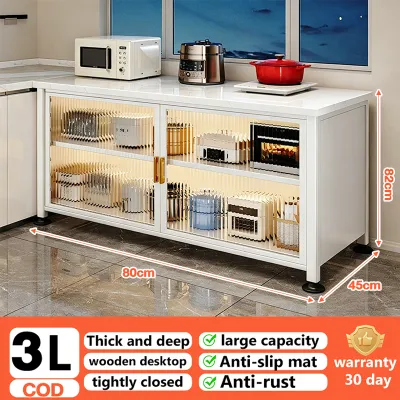
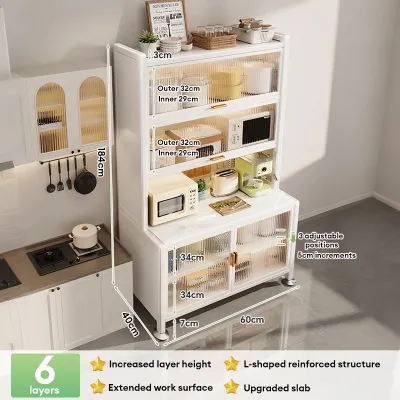
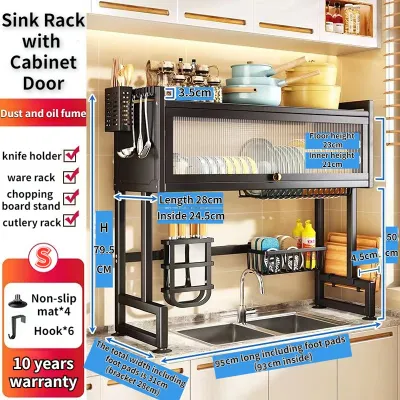
Prices are valid at publication and may change. Please refer to the product page for the latest price.
| Feature | Mobile Cooking Cart | Fixed Kitchen Cabinet |
|---|---|---|
| Installation | Simple manual assembly; no wall drilling required | Professional installation; secure wall or floor anchoring |
| Mobility | Fully portable on rolling casters; easy to reposition | Permanent fixture; cannot be moved without renovation |
| Storage Volume | Moderate; optimized for daily items and light tools | High; deep shelving, drawers, and vertical wall utilization |
| Aesthetic Integration | Casual, freestanding accent piece | Seamless, integrated, and visually cohesive design |
| Ideal Living Situation | Renter-friendly; ideal for temporary or small spaces | Homeowner-focused; designed for long-term residency |
| Broad Price Band | Budget-friendly to moderate (typically ₱2,000 to ₱10,000) | Moderate to premium (typically ₱15,000 to ₱50,000+ per unit) |
These comparisons represent general product categories, and specific models from local furniture retailers will vary in exact specifications, material quality, and dimensions. A fixed kitchen cabinet requires a distinct structural commitment and professional planning, whereas a mobile cart offers immediate utility right out of the box. Deciding between them requires a closer look at your physical space.
Space and Layout Considerations
The physical footprint of your kitchen dictates what kind of furniture you can realistically accommodate. Before purchasing any storage unit, you must measure your available floor space, wall clearances, and potential walkway obstructions to ensure a comfortable workflow.

Small Kitchens, Condos, and Apartments
In highly compact urban living spaces, such as studio apartments and condominiums in Metro Manila, floor space is at a premium. A fixed kitchen cabinet can easily overwhelm a narrow room if it is not custom-fitted to the exact wall dimensions, potentially blocking tight pathways and making the kitchen feel claustrophobic.
Mobile cooking carts solve this spatial dilemma by offering flexible placement options. When you are preparing meals, you can roll the cart to the center of the room to serve as an active prep station. Once the cooking is finished, the cart can be tucked away into a corner, parked against an empty wall, or even rolled into a multi-purpose living area to keep walkways completely clear.
When planning for a small kitchen, it is also essential to calculate door clearance zones. Fixed cabinets with standard swinging doors require significant clearance to open fully, which can temporarily block narrow corridors. A mobile cart with open shelving or sliding doors eliminates this physical bottleneck entirely, allowing for smoother movement in tight quarters.
Open-Plan and Large Kitchens
Spacious, open-plan kitchens present a different set of design and storage opportunities. In these layouts, a fixed kitchen cabinet acts as an essential architectural anchor, defining the boundaries of the cooking zone and establishing a clean, cohesive visual flow. It allows you to utilize vertical wall space all the way to the ceiling, which prevents a large room from looking empty or disorganized.
In a generous floor plan, a mobile cooking cart does not have to compete with permanent cabinetry; instead, it serves as an excellent supplementary tool. You can use a rolling cart as a dedicated beverage station, a mobile bar, or a specialized prep cart that moves between the indoor kitchen and an outdoor patio or dining area during family gatherings.
Larger kitchens also benefit from the zoning capabilities of these storage units. While fixed cabinets establish the primary storage zones for heavy cookware and pantry staples, a mobile cart can be repositioned dynamically to support different tasks, such as baking, grilling, or serving guests, without disrupting the main kitchen layout.
Storage Capacity and Organization
Beyond physical space, the volume and weight of the items you need to store will heavily influence your decision. Evaluating how each solution handles different types of kitchen gear ensures you select a system that keeps your workspace organized.
Fixed Cabinet Shelving and Drawers
A permanent kitchen cabinet is structurally designed to handle high-volume, heavy-duty storage. Deep drawers equipped with heavy-duty metal runners can smoothly support heavy cast-iron pans, large rice cookers, and bulky stockpots without bending or sagging over time.
Fixed cabinetry also excels at utilizing specialized internal organization systems. You can install adjustable shelving, pull-out pantry racks, and lazy Susans in corner cabinets to maximize every cubic centimeter of hidden space. This enclosed design keeps your kitchen looking tidy by keeping clutter completely out of sight.
Because fixed cabinets are securely anchored to the wall studs or concrete floors, they offer superior safety and stability for heavy loads. This permanent anchoring eliminates the risk of the unit tipping over, making it the safest place to store heavy glass jars, bulk sacks of rice, and expensive countertop appliances.
Mobile Cart Shelves and Utility Hooks
Mobile cooking carts are optimized for accessibility rather than sheer volume. They typically feature a combination of open shelving, built-in towel bars, and side utility hooks, keeping your most frequently used ingredients, spices, and lightweight cooking utensils within arm’s reach.
This open-concept design is highly efficient for active cooking, as you do not have to open doors or pull out heavy drawers to find a spatula or a bottle of cooking oil. However, open shelves offer no protection against airborne kitchen grease, moisture, and dust, which are common in busy kitchens. Items stored on a cart may require more frequent washing before use.
Additionally, mobile carts have strict weight limits that you must verify in the manufacturer’s specifications before loading them with heavy gear. Storing heavy appliances on a lightweight rolling cart can compromise its stability, making it difficult to steer and increasing the risk of tipping during movement.
Flexibility, Workflow, and Environment
The way you move through your kitchen during meal preparation determines your culinary workflow. A storage solution should adapt to your physical movements while withstanding the unique environmental conditions of your home.
Mobile cooking carts excel at creating temporary, highly ergonomic prep zones. If you are preparing a complex recipe, you can position the cart directly next to your stove to hold chopped ingredients, spices, and prep bowls, minimizing the need to walk back and forth across the kitchen. Once the meal is complete, the cart can be rolled directly to the dining table to serve as a convenient side cart, then moved to the sink area to hold dirty dishes.
This high level of mobility also makes kitchen maintenance much easier. In tropical environments, dust, food crumbs, and pests can quickly accumulate in hard-to-reach areas. A mobile cart can simply be rolled out of its designated spot, allowing you to sweep, mop, and sanitize the floor and walls behind it with minimal effort.
However, the local tropical climate in the Philippines introduces environmental challenges that affect both options. High relative humidity can cause low-grade engineered wood cabinets to swell, warp, or develop mold over time. When selecting a kitchen cabinet or wood cart, it is crucial to verify that the materials feature moisture-resistant finishes, such as marine plywood or polyurethane sealants. For metal carts, ensure the frame consists of rust-proof stainless steel or powder-coated metal to prevent corrosion from humid air and frequent cleaning.
Furthermore, stability is a critical safety consideration during active food preparation. If you plan to use a mobile cart for chopping vegetables or mixing ingredients, you must verify that the casters feature robust, independent wheel-locking mechanisms. Unlocked or low-quality wheels can cause the cart to slide unexpectedly under pressure, presenting a safety hazard when using sharp knives or handling hot liquids.
Installation, Maintenance, and Long-Term Value
Before finalizing your choice, consider the practical aspects of setting up your new storage unit, keeping it clean, and how it fits into your long-term financial and living plans.
Installing a permanent kitchen cabinet is a significant home improvement project. It typically requires professional carpenters, precise leveling, and drilling into concrete or drywall, which adds labor costs to the initial purchase price of the furniture. For renters, this level of structural alteration is rarely permissible under standard lease agreements, and any permanent cabinetry installed usually cannot be removed when moving out.
In contrast, mobile cooking carts are highly portable and renter-friendly. They are generally sold as flat-packed furniture that can be assembled quickly using basic household tools. Because they do not require wall anchoring or permanent modifications to the property, you can easily pack them up and transport them to your next home, preserving your initial investment.
Maintenance requirements also differ based on the materials and construction of each unit. To keep either storage solution in top condition, always consult the manufacturer’s product care labels for specific cleaning instructions. Avoid using harsh abrasive chemicals or steel wool, which can scratch protective powder coatings on metal carts or strip the water-resistant varnishes from wooden kitchen cabinets, leaving them vulnerable to moisture damage.
For homeowners, high-quality fixed cabinets offer substantial long-term value. Well-constructed, professionally installed cabinetry is considered a permanent fixture that enhances the overall functionality and aesthetic appeal of the home, potentially contributing to a higher property valuation. Freestanding furniture like mobile carts, while highly practical, is classified as personal property and does not add to the real estate value of your home.
Decision Framework: Which Should You Choose?
To make your final decision, evaluate your current living situation, budget, and storage needs against the specific strengths of each option.
Choose a Mobile Cooking Cart if:
- You are renting your home: You need a high-quality storage solution that requires zero permanent wall drilling and can easily move with you to your next apartment.
- Your floor space is highly limited: You live in a compact condo or studio where walkways must remain clear, requiring furniture that can be tucked away when not in use.
- You want dynamic prep space: You enjoy having a flexible workstation that can be positioned next to the stove, sink, or dining table depending on the task.
- You are on a budget: You want an affordable, highly functional storage upgrade that does not require professional installation or carpentry fees.
Choose a Fixed Kitchen Cabinet if:
- You own your home: You are looking to make a permanent investment in your property's layout, storage capacity, and overall real estate value.
- You have heavy or high-volume storage needs: You need to store heavy kitchen appliances, large pots, cast-iron cookware, and bulk pantry supplies safely.
- You prefer a clean, built-in aesthetic: You want to hide kitchen clutter completely behind closed doors and integrate your storage seamlessly with your kitchen walls.
- You have the budget for installation: You are prepared to invest in high-quality materials, professional installation, and potential custom carpentry.
Verify first if:
- Your kitchen has uneven flooring: Uneven tiles or sloped floors can cause a mobile cart to wobble during use, and can make aligning permanent cabinet doors properly a challenge during installation.
- Your condominium association has strict renovation guidelines: Many condo buildings restrict structural drilling, plumbing alterations, or construction noise, which may require formal approval before installing fixed cabinetry.
- The materials match your environment: Check that any wood furniture is treated for high humidity and that metal frames are powder-coated or stainless steel to prevent rust.
Frequently Asked Questions (FAQ)
Can I use a mobile cooking cart as a permanent kitchen island?
Yes, a mobile cooking cart can serve as a functional, budget-friendly alternative to a permanent kitchen island, but it has distinct limitations. While a cart provides an excellent extra prep surface and quick-access storage, it lacks the heavy-duty stability and weight of a built-in island. It cannot safely house integrated plumbing fixtures, built-in cooktops, or heavy electrical outlets. If you choose to use a cart as a semi-permanent island, ensure you select a model with a durable countertop material, check its maximum weight capacity, and keep the heavy-duty wheel locks engaged at all times to prevent accidental shifting during use.
Do fixed kitchen cabinets add more value to a home than freestanding furniture?
Generally, yes. Fixed kitchen cabinets are classified as permanent architectural fixtures, meaning they are physically attached to the structure of the property and are included in the overall appraisal value of a home. High-quality, professionally installed cabinetry can significantly increase a property’s appeal to potential buyers, making it a sound long-term investment for homeowners. Freestanding furniture, including mobile cooking carts, is considered personal property. Because you take these items with you when you move, they do not contribute to the real estate valuation of the property. For specific market insights regarding kitchen renovations, consulting a local real estate professional is recommended.
Community discussion
Share your experience or ask a question. Comments are reviewed before publication.