
Choosing the right kitchen layout requires balancing prep space, storage capacity, and daily movement. When designing or upgrading your cooking area, the choice often comes down to a mobile kitchen cart versus a fixed kitchen counter cabinet. Both options solve the problem of limited surface area, but they do so through entirely different structural approaches.
Your decision impacts not only where you chop vegetables or store appliances but also how easily you can move around your kitchen. In smaller homes or rental properties, layout flexibility is a major asset, whereas larger, permanent households often require heavy-duty stability. Understanding how each option integrates into your daily cooking workflow is the first step toward creating an efficient, stress-free kitchen.
Quick Answer: Which Kitchen Setup Is Right for You?
The choice between a mobile kitchen cart and a fixed kitchen counter cabinet depends primarily on your homeownership status, available floor space, and specific cooking habits. If you live in a rented apartment, have a compact kitchen layout, or want a flexible prep station that can double as a serving trolley, a mobile kitchen cart is the ideal choice. It requires no permanent installation, fits easily into tight corners, and can be relocated whenever you move.
Products mentioned in this guide
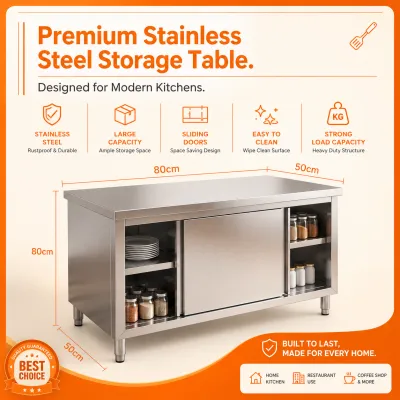
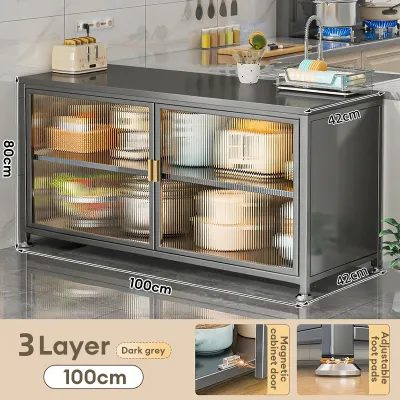
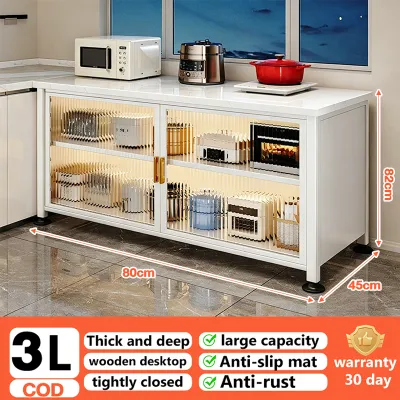
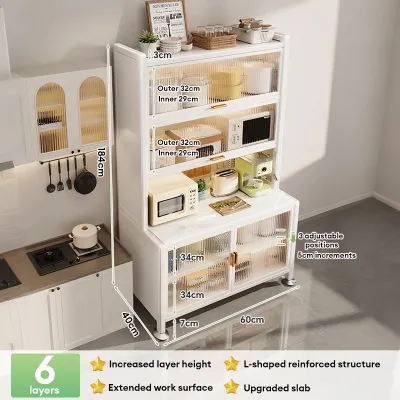
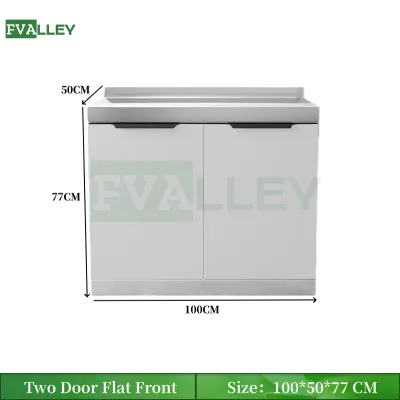
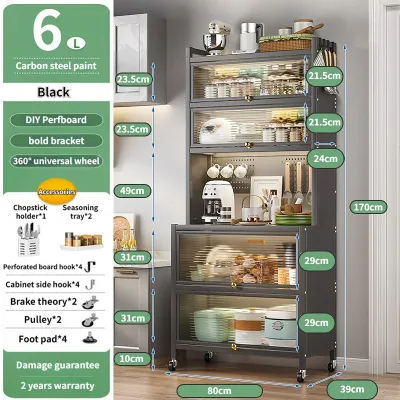
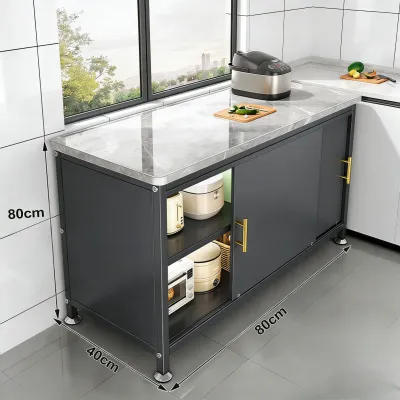
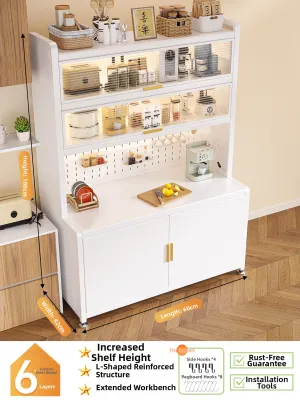
Prices are valid at publication and may change. Please refer to the product page for the latest price.
Conversely, if you own your home, cook heavy meals frequently, and need substantial storage for bulky appliances, a fixed kitchen counter cabinet is the superior option. Fixed cabinetry provides unmatched structural stability, supports heavy stone countertops, and integrates seamlessly with plumbing or built-in appliances. While it requires a higher upfront investment and professional installation, it offers a permanent, high-capacity solution that enhances both the utility and resale value of your property.
Core Differences in Mobility, Storage, and Workflow
To understand which option fits your home, you must first look at how they differ in design, structure, and daily utility. A mobile kitchen cart is a freestanding furniture piece equipped with caster wheels, allowing it to move freely across the floor. It acts as an adaptable assistant, rolling to where you need it most—whether that is next to the stove to hold ingredients or near the dining table to serve food. Because it is not anchored, its design is typically lightweight, featuring open shelving, wire baskets, or compact drawers.

A fixed kitchen counter cabinet, on the other hand, is a permanent fixture anchored directly to the floor or wall. It forms the backbone of a traditional kitchen layout, providing a continuous, unbroken line of counter space and deep, enclosed storage. Unlike a cart, a fixed cabinet does not budge, meaning you can perform high-impact kitchen tasks like pounding meat or kneading heavy dough without any structural sway.
These physical differences directly shape your daily workflow. A mobile cart introduces dynamic flexibility, letting you reconfigure your kitchen layout on the fly to accommodate multiple cooks or changing tasks. A fixed cabinet offers predictable, reliable structure, ensuring that your primary prep zones, sink, and major appliances remain in a highly efficient, permanent triangle. While a cart maximizes the utility of empty floor space, a fixed cabinet maximizes the vertical and horizontal storage capacity of your kitchen walls.
When a Mobile Kitchen Cart Makes Sense
Mobile kitchen carts offer a versatile alternative to traditional cabinetry, especially when permanent renovations are not feasible. They provide immediate workspace relief without structural commitments.
Ideal Layouts and Flexible Use Cases
A mobile kitchen cart excels in small, tight, or non-traditional layouts, such as studio condominiums or linear single-wall kitchens common in urban areas. In these spaces, a fixed cabinet might permanently block essential pathways or make the room feel cramped. A cart can be positioned in the center of the room to serve as a temporary island during meal preparation, then rolled against a wall or into a utility closet when the cooking is finished.
For renters, a mobile cart is a highly practical investment. Since it requires no drilling or permanent anchoring, it complies fully with strict lease agreements while allowing you to take your storage solution with you when you relocate. Beyond basic food preparation, these carts easily adapt to multi-purpose roles. They can serve as a portable coffee bar, a baking station, or a drinks trolley when hosting guests, allowing you to transition your kitchen tools into the dining or living area effortlessly.
Storage Limits and Stability Constraints
Despite their versatility, mobile carts have clear physical boundaries that you must consider before purchasing. Because they rely on caster wheels for movement, their overall storage volume is significantly lower than that of a fixed cabinet. The shelves are typically shallower, and the drawers are smaller, making them less suitable for storing oversized pots, heavy cast-iron pans, or bulky countertop appliances.
Stability is another critical trade-off. Even when the casters are locked, a mobile cart can experience slight movement or vibrations during heavy-duty tasks like rolling out pastry dough, using a high-powered stand mixer, or chopping dense root vegetables. To ensure safety, always verify the manufacturer’s specified weight limits for both the individual shelves and the overall unit. Overloading a cart can compromise its balance, making it prone to tipping, especially when rolled over uneven floor transitions or thick tile grout lines.
When a Fixed Counter Cabinet Is the Better Choice
For homeowners looking to establish a highly functional, long-term culinary workspace, a fixed kitchen counter cabinet remains the standard choice. It offers durability and storage capacity that mobile alternatives cannot match.
Ideal Layouts and Heavy-Duty Prep Zones
A fixed kitchen counter cabinet is designed for spacious, dedicated kitchens where cooking is a daily, intensive activity. If your culinary routine involves heavy food preparation, such as processing large batches of ingredients, using heavy stone mortars, or operating professional-grade appliances, the absolute stability of a fixed cabinet is essential.
Fixed cabinets are built to support substantial weight, allowing you to install premium, heavy countertop materials such as granite, quartz, solid marble, or thick hardwood butcher blocks. This permanent structure also allows for the seamless integration of built-in appliances, such as under-counter dishwashers, built-in ovens, or drop-in hobs. Furthermore, the deep, enclosed storage of a fixed cabinet provides ample space to organize heavy cookware, small appliances, and pantry staples out of sight, maintaining a clean and uncluttered kitchen aesthetic.
Installation Requirements and Permanence
The primary trade-off of a fixed kitchen counter cabinet is the complexity of its installation and its lack of flexibility. Installing fixed cabinetry is a permanent commitment that requires careful planning, precise leveling, and secure anchoring. In many cases, it involves professional installation, particularly if you are routing plumbing for a sink or electrical wiring for built-in appliances and under-cabinet lighting.
In the Philippines, where residential walls are typically constructed from concrete hollow blocks (CHB), anchoring cabinets securely requires heavy-duty masonry wall plugs or expansion bolts to prevent sagging or structural failure over time. Once installed, these cabinets cannot be moved without a costly and messy renovation process. If you plan to change your kitchen layout in the near future, or if you anticipate relocating within a few years, the high upfront cost and permanent nature of fixed cabinets may not offer the best return on investment.
Head-to-Head Comparison of Key Features
To help you weigh these two options, the table below compares their core features, structural capabilities, and installation demands side-by-side.
| Feature | Mobile Kitchen Cart | Fixed Kitchen Counter Cabinet |
|---|---|---|
| Counter Space Added | Moderate; typically 60 cm to 120 cm in width | High; customizable to span the entire length of a wall |
| Storage Capacity | Low to Moderate; open shelves and small drawers | High; deep base cabinets, pull-out drawers, and corner carousels |
| Installation Effort | Low; usually simple DIY assembly of pre-fabricated parts | High; requires professional installation, leveling, and wall anchoring |
| Relocatability | High; rolls easily on casters and can be moved to new homes | None; permanently fixed to the building structure |
| Weight Bearing Capacity | Low to Moderate; limited by caster strength and frame design | Extremely High; supports heavy stone counters and built-in appliances |
| Average Cost Band | Budget-friendly (₱2,000 to ₱15,000) | Moderate to Premium (₱15,000 to over ₱100,000) |
When choosing between these options, measuring your actual floor space is critical to ensuring a functional layout. You must calculate precise walkway clearances to maintain a safe and comfortable cooking environment. As a general rule, aim for at least 90 to 120 centimeters (36 to 48 inches) of open walkway clearance between the edge of your counter or cart and any opposing walls, dining tables, or other cabinets. This clearance ensures that two people can pass each other comfortably and allows appliance doors—such as your refrigerator, oven, or dishwasher—to open fully without obstructing the pathway or causing safety hazards.
Space, Clearance, and Safety Verifications
Before making a final purchase or hiring a contractor, you must perform several physical space and safety checks to ensure your chosen setup works flawlessly in your home.
For mobile kitchen carts, start by measuring the narrowest doorways, hallways, and entry points in your home to guarantee the unit can be delivered and moved into the kitchen without scratching walls or getting stuck. Next, inspect your kitchen floor. Minor floor transitions, such as the threshold between a tiled kitchen and a wooden living area, can catch small caster wheels and cause the cart to tip if it is loaded with heavy items. Ensure the cart you select features high-quality, heavy-duty casters with reliable locking mechanisms on at least two wheels. Locking the wheels is critical when working on slightly uneven floors to prevent the cart from rolling away while you are prepping food.
For fixed kitchen counter cabinets, structural verification is even more rigorous. If you are mounting upper cabinets or anchoring heavy base units, you must locate the structural supports behind your walls. In concrete-walled homes, always use high-quality masonry anchors rather than standard wood screws. Because tropical climates like that of the Philippines feature high relative humidity, you must also verify that the floor is perfectly level before anchoring the cabinets. Uneven floors can cause the cabinet frame to twist, leading to misaligned doors and sticking drawers over time. Additionally, choose materials like marine-grade plywood or solid wood treated with moisture-resistant sealants to prevent warping, swelling, or termite damage in high-humidity environments. Finally, always check the manufacturer’s specified weight limits for both cart shelves and cabinet drawers to avoid overloading the structural hardware.
Final Decision Framework
To make your final decision, evaluate your kitchen space, lifestyle, and housing situation against these direct criteria:
Choose a Mobile Kitchen Cart if:
- You live in a rental property and cannot make permanent structural modifications.
- Your kitchen layout is highly compact, requiring a multi-functional surface that can be rolled away when not in use.
- You want to avoid the high costs, dust, and disruption of a professional kitchen renovation.
- You need a versatile piece of furniture that can transition between a prep station, a bar cart, and a dining helper.
Choose a Fixed Kitchen Counter Cabinet if:
- You own your home and are looking to invest in a permanent, high-value kitchen upgrade.
- You cook frequently and require rock-solid stability for heavy-duty food preparation.
- You need maximum storage capacity for large pots, heavy pans, and a wide array of small kitchen appliances.
- You want a seamless, integrated look that supports heavy stone countertops and built-in kitchen appliances.
Consider Both if:
- You have a large, open-concept kitchen where a fixed perimeter of cabinets provides your primary storage, and a mobile cart acts as a supplementary, movable island for specialized tasks like baking or serving.
Before placing an order or finalizing custom cabinet designs, take a roll of painter’s tape and map out the exact footprint of your proposed cart or cabinet on your kitchen floor. Walk around the taped area, open your existing appliance doors, and simulate your daily cooking routine. This physical walk-through is the most reliable way to guarantee that your new setup fits perfectly into your kitchen layout and supports a smooth, safe cooking workflow.
Community discussion
Share your experience or ask a question. Comments are reviewed before publication.