
Selecting the right modern bedside table for a bedroom in the Philippines requires balancing aesthetic appeal with practical spatial and environmental realities. Modern Filipino bedrooms, particularly in urban condominiums and townhouse developments, often demand furniture that maximizes limited floor space while standing up to a tropical climate. The ideal bedside table should not only complement your interior design but also offer functional storage, easy maintenance, and resistance to high humidity levels.
To achieve a cohesive and modern look, homeowners are moving away from bulky, traditional nightstands in favor of streamlined, versatile designs. Whether you are dealing with a compact studio apartment in Metro Manila or a spacious suburban home, understanding how different styles, materials, and layouts interact with your daily routine is the first step toward creating a comfortable and organized sleeping sanctuary.
Key Selection Criteria for Modern Bedside Tables
Before browsing online marketplaces or visiting local furniture showrooms, you must evaluate several practical factors that dictate how well a bedside table will function in your specific bedroom layout. The first and most critical step is measuring your available floor space. In many modern Philippine homes, bedrooms are designed with tight layouts where every centimeter counts. You need to measure the distance between the edge of your bed and the nearest wall, wardrobe door, or window frame. Ensure there is at least 50 to 60 centimeters of walking clearance so you can move around the bed comfortably without bumping into the corners of your furniture.
Products mentioned in this guide
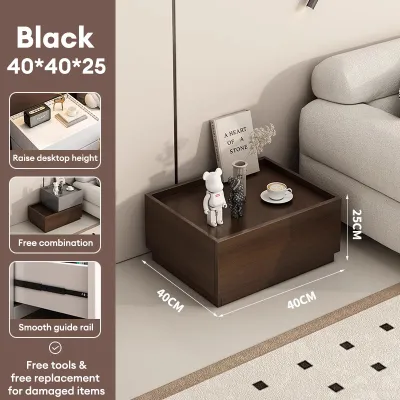
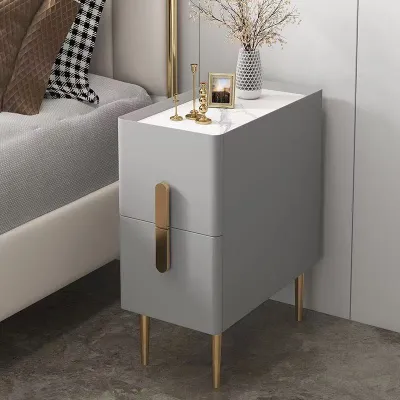
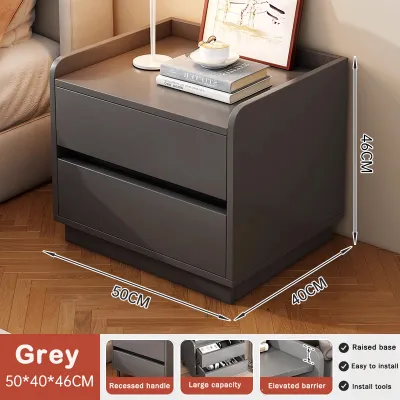
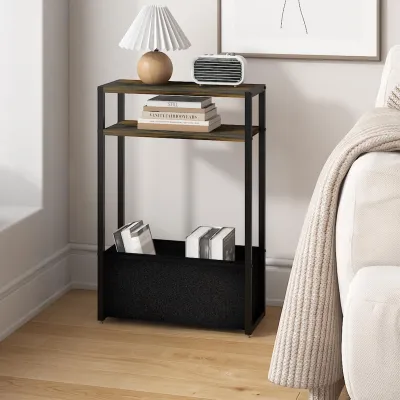

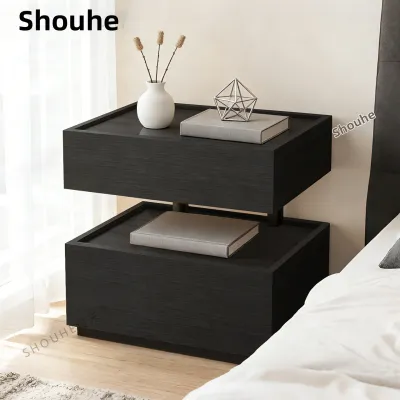
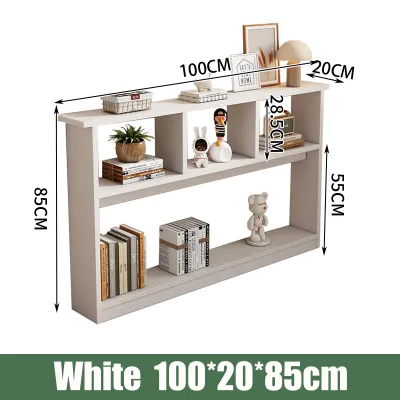
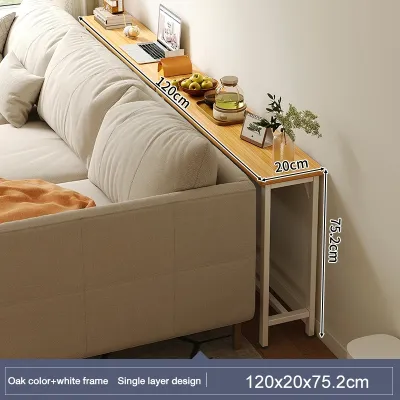
Prices are valid at publication and may change. Please refer to the product page for the latest price.
Next, consider the height of your bed frame and mattress combined. A bedside table that is too tall or too short can make reaching for a glass of water, a phone, or a reading lamp highly inconvenient. Ideally, the top surface of the table should sit level with or slightly above the top of your mattress. This alignment creates a clean visual line across the room and ensures ergonomic comfort when you are lying down.
Your daily habits and storage requirements should also guide your choice. If you prefer a clutter-free environment, a table with closed drawers or cabinets is essential for hiding charging cables, sleep masks, and personal items. Conversely, if you enjoy displaying decorative items, books, or a stylish table lamp, an open-shelf design or a simple tabletop surface may suit your lifestyle better. Think about how many devices you need to charge overnight and whether the table can accommodate a power strip or has built-in cable routing.
Finally, the local climate plays a massive role in furniture longevity. The high humidity and warm temperatures characteristic of the Philippine climate can severely affect furniture materials. Wood can warp, metal can rust, and untreated natural fibers can attract mold if they are not properly sealed or maintained. When selecting a bedside table, you must look for materials and finishes specifically treated to withstand tropical conditions, ensuring your investment remains beautiful and structurally sound for years to come.
Modern Bedside Table Styles That Fit Local Bedrooms
Modern furniture design offers a wide array of styles that address both aesthetic preferences and spatial limitations. In the Philippines, contemporary interior design often blends minimalist global trends with warm, organic textures that reflect a tropical lifestyle. From sleek wall-mounted units to highly mobile multi-functional tables, these designs are engineered to solve common layout challenges while elevating the overall look of your bedroom.

Choosing the right style involves matching the furniture’s functional format with your room’s layout and your personal design theme. Whether your bedroom leans toward a clean Scandinavian look, a cozy Japandi aesthetic, or a modern tropical vibe, there is a specific bedside table style designed to optimize your space and enhance your daily comfort.
Floating and Wall-Mounted Nightstands
Floating or wall-mounted nightstands are an exceptional choice for narrow walkways and compact condo layouts. By eliminating legs and securing the unit directly to the wall, these tables keep the floor space completely clear. This open space underneath creates a lighter, airier visual feel in a small room, making the entire bedroom appear larger than it actually is. It also simplifies daily cleaning, allowing you to sweep, mop, or vacuum without having to navigate around bulky furniture legs.
However, installing a floating nightstand requires careful preparation and a thorough check of your wall structure. In many Philippine residential buildings, walls are constructed from concrete, hollow blocks, or drywall. Concrete and masonry walls provide excellent support but require a hammer drill and heavy-duty wall plugs to secure the mounting brackets. If you are mounting the table on a drywall partition, you must locate the wooden or metal studs behind the wall using a stud finder; securing a floating table solely to drywall without stud support can lead to the wall cracking and the table collapsing under weight. Always verify the manufacturer’s specified load-bearing limits and avoid placing heavy objects on floating shelves.
Multifunctional C-Tables and Nesting Designs
For those who live in studio apartments or use their bedrooms as hybrid workspaces, multifunctional C-tables and nesting designs offer unmatched versatility. A C-table features a cantilevered design with a base that slides easily under the bed frame, allowing the tabletop to hover directly over your mattress or lap. This makes it an excellent surface for working on a laptop, enjoying a morning coffee, or keeping essentials within arm’s reach without taking up valuable floor space next to the bed.
Before purchasing a C-table, it is crucial to verify the clearance height under your bed frame. The bottom support bar of the table must be thin enough to slide under your bed, and the overall height of the table must clear the top of your mattress. Nesting tables, which consist of two or three tables of graduating sizes that slide underneath one another, offer similar flexibility. You can expand them when you need extra surface area for guests or projects, and tuck them away when they are not in use.
While these lightweight and movable designs are highly convenient, you must check their base stability. Because C-tables are supported on only one side, they can be prone to tipping if too much weight is placed on the outer edge. Look for models with sturdy steel frames and weighted bases to ensure they remain stable when holding your devices or drinks.
Minimalist Open-Shelf Wood Tables
Minimalist open-shelf wood tables are a staple of contemporary bedroom design, particularly for those who appreciate Scandinavian or Japandi aesthetics. These tables typically feature clean, geometric lines, light wood tones, and open compartments instead of traditional drawers. The open-shelf design provides a sense of visual lightness, preventing the bedside area from feeling cramped or heavy.
This style is perfect for displaying curated items, such as a stack of your favorite books, a small indoor plant, or a ceramic tray for your jewelry. The absence of drawer hardware contributes to a sleek, uncluttered look that promotes a calm and restful bedroom atmosphere.
The primary trade-off with open-shelf tables is that they require regular dusting and meticulous organization. In urban areas of the Philippines, dust can accumulate quickly, especially if you keep your windows open for natural ventilation. Because everything on the shelves is visible, you must commit to keeping the items organized to maintain the clean, minimalist aesthetic. If you tend to accumulate clutter, this style may require more upkeep than a table with closed storage.
Modern Tropical Rattan and Cane Accents
Modern tropical design has experienced a massive resurgence, blending clean, contemporary silhouettes with traditional Filipino materials like rattan, cane, and solihiya weaving. A modern bedside table featuring rattan drawer fronts or cane panels adds warmth, texture, and a sense of local heritage to your bedroom. This style pairs beautifully with neutral color palettes, indoor plants, and natural linen bedding, creating a relaxing, resort-like vibe at home.
Beyond their aesthetic appeal, woven materials like cane and rattan are naturally lightweight and breathable. This breathability can be highly beneficial in a bedroom, as it allows air to circulate through the drawers, preventing stored items from smelling musty.
However, when choosing rattan or cane furniture, you must verify that the material has been properly treated for moisture resistance. Untreated natural fibers are highly susceptible to mold and mildew growth when exposed to high humidity. Look for products that have been sealed with a protective clear lacquer or polyurethane coating. Additionally, keep in mind that woven textures can trap dust and require specific cleaning routines, such as gentle vacuuming with a brush attachment or wiping down with a damp cloth.
Material and Finish Checklist for Humid Climates
The tropical climate of the Philippines demands careful attention to the materials and finishes of your bedroom furniture. High humidity, seasonal rains, and temperature fluctuations can cause rapid wear and tear if your bedside table is made from unsuitable materials. Use this checklist to inspect product specifications and labels before making a purchase.
When evaluating engineered wood and Medium-Density Fiberboard (MDF), which are common in budget-friendly modern furniture, check for moisture-resistant coatings or high-quality edge banding. Unprotected MDF can absorb moisture from the air, causing it to swell, warp, and crumble over time. Avoid placing engineered wood tables directly against damp exterior walls or directly underneath air conditioning units where condensation might drip.
For solid wood and wood veneers, look for manufacturer care instructions regarding humidity control and surface protection. Solid woods like mahogany, teak, or acacia are highly durable, but they naturally expand and contract with changes in humidity. Ensure the wood has been kiln-dried and sealed with a moisture-resistant finish, such as polyurethane or acid-catalyst lacquer, to minimize movement and prevent cracking.
Metal and powder-coated frames are excellent for industrial or minimalist modern styles. However, you must inspect these frames for rust-resistant finishes, especially if you live in coastal areas or highly humid regions. Powder coating is superior to standard spray paint because it creates a thick, durable barrier that prevents moisture from reaching the underlying metal, protecting your table from rust and corrosion.
If you choose natural rattan, wicker, or cane accents, verify with the retailer or manufacturer if the material has been treated with anti-fungal and anti-mold solutions. Regular maintenance is key; avoid using harsh chemical cleaners on natural fibers, as they can strip away protective coatings and dry out the material, leading to splitting or cracking.
Space Planning and Placement Guidelines
Proper space planning and placement are essential to ensure your modern bedside table is both functional and safe. The first rule of thumb is to align the table surface with the top of your mattress. This height, typically between 60 to 70 centimeters from the floor depending on your bed frame, allows you to reach for items naturally without straining your back or shoulders while lying down.
Next, ensure there is adequate clearance for all surrounding furniture and architectural elements. If your bedside table is placed next to a wardrobe with swinging doors or a set of drawers, measure carefully to ensure the doors can open fully without hitting the table. Similarly, leave enough space for bedroom walkways so that you do not stub your toes or trip when navigating the room in the dark.
Cable management is another critical aspect of modern bedside planning. With smartphones, smartwatches, and tablets requiring nightly charging, bedside tables can quickly become cluttered with tangled cords. Look for tables with built-in cable management slots, or use adhesive cable clips to route wires neatly down the back of the table legs. Keeping cables organized not only improves the visual appeal of your bedroom but also eliminates tripping hazards and protects your electronic devices from accidental falls.
Frequently Asked Questions (FAQ)
Can I use a regular living room side table as a bedside table?
Yes, you can repurpose a living room side table as a bedside table, provided you check the dimensions and stability first. Living room side tables are often designed to align with the armrests of sofas, which may be taller or shorter than your bedroom mattress. Measure both heights to ensure you can reach the tabletop comfortably from your bed. Additionally, assess the base stability and weight distribution of the side table. Some living room accent tables have narrow bases or top-heavy designs that might easily tip over if you accidentally bump into them in the dark or place a heavy bedside lamp on top.
How do I protect a wooden bedside table from high humidity?
To protect a wooden bedside table from high humidity, always follow the manufacturer’s specific cleaning and polishing guidelines. Avoid using generic household chemical sprays or excessive water when cleaning, as these can degrade the protective sealant over time. Instead, wipe the surface with a dry or slightly damp microfiber cloth. Maintain good room ventilation by opening windows during dry days or using a dehumidifier during the rainy season. Avoid placing your wooden table directly under air conditioning vents, where cold drafts and condensation can cause localized moisture buildup, and keep a small gap between the table and exterior walls to allow air to circulate freely.
Community discussion
Share your experience or ask a question. Comments are reviewed before publication.